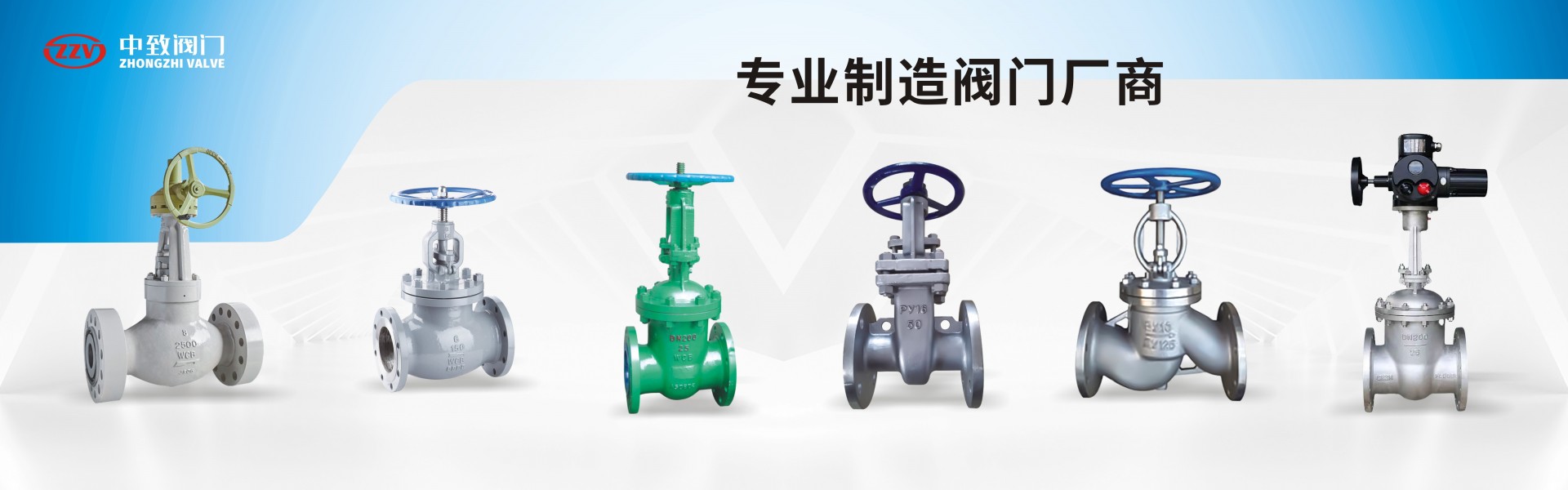
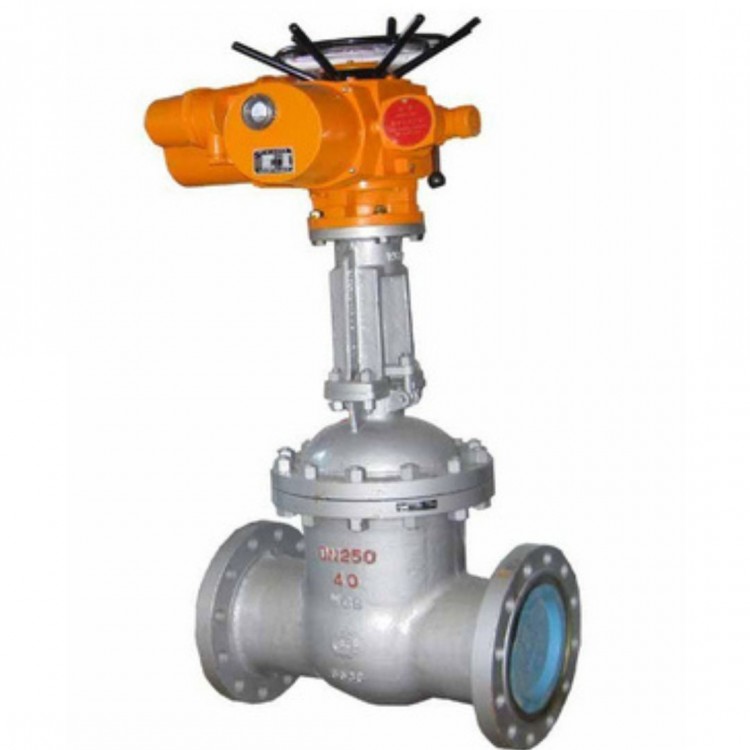
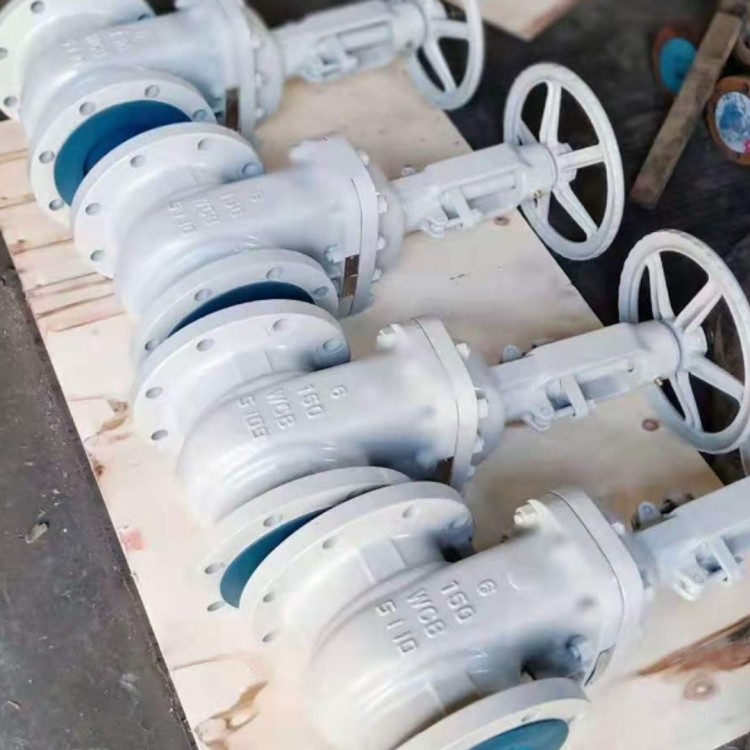
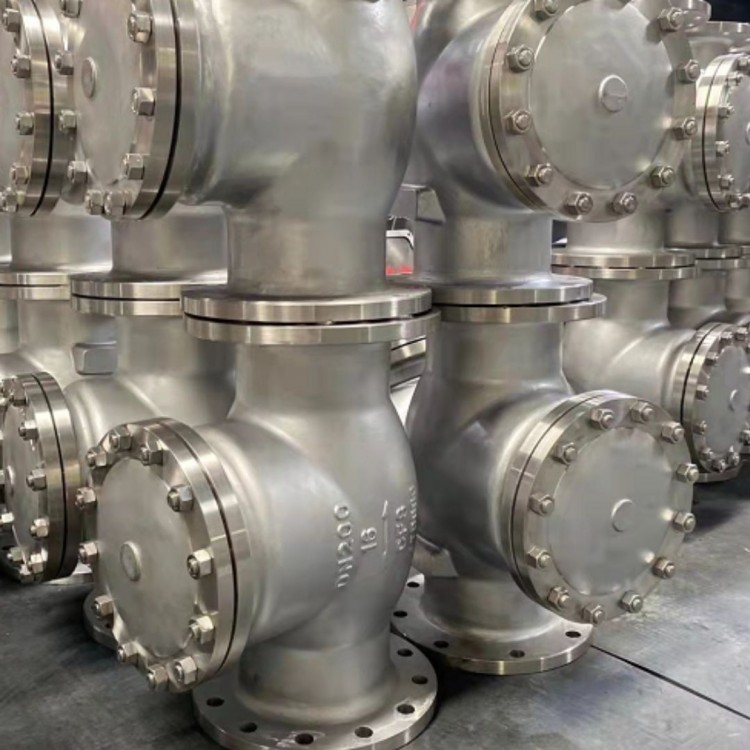
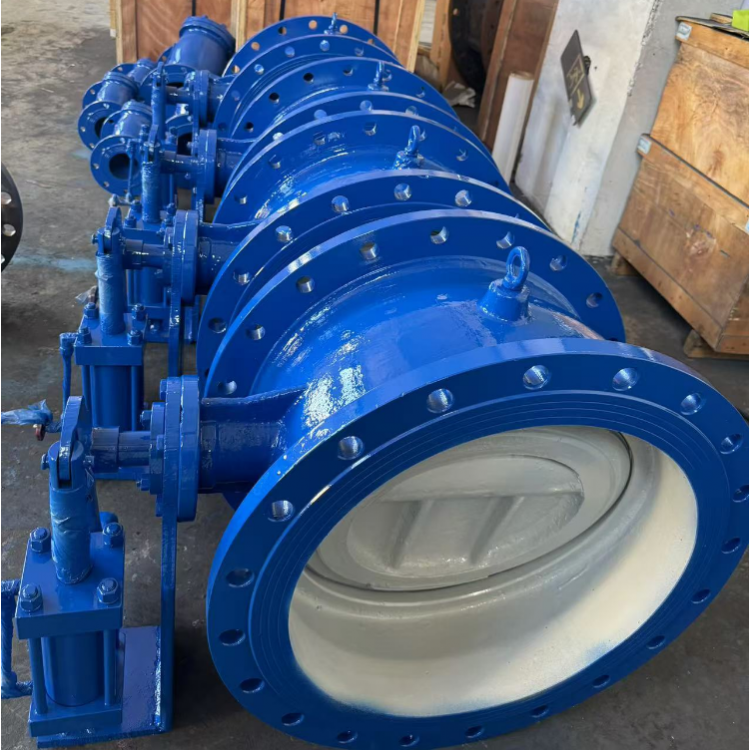
Valve manufacturing and sales, along with accessories

Ceramic valves are valves manufactured using high-performance structural ceramic materials, primarily used in industrial applications, particularly excelling in harsh environments such as chemical, oil, and coal industries. These valves boast superior properties including wear resistance, corrosion resistance, and high-temperature tolerance.
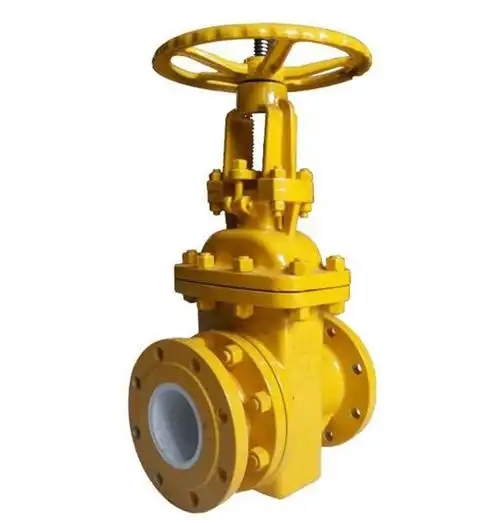
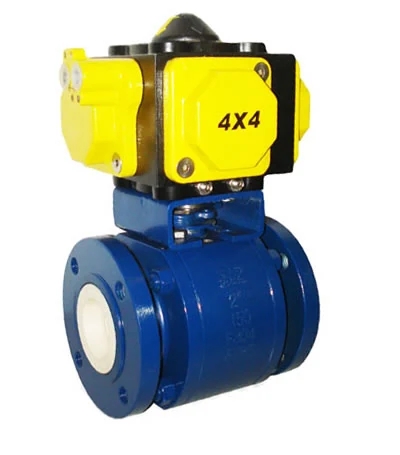
Suitable for severe conditions such as high wear, strong corrosion, high temperature, and high pressure. Types of ceramic valves include ceramic gate valves and ceramic ball valves. Ceramic gate valves use ceramic sealing surface components to replace the hard-faced alloy sealing surfaces commonly found in conventional gate valves.
Applicable to the power and chemical industries.Ceramic ball valves are primarily made of ceramic material, commonly including alumina ceramic, zirconia ceramic, silicon nitride ceramic, and so on.
The Historical Background and Material Characteristics of Ceramic Valves:
Traditional metal valves face issues such as short service life and severe leakage when exposed to high wear and corrosion environments. Ceramic materials, with their high mechanical strength, hardness, low deformation, and excellent tensile and compressive strength,
Broadly applied in industrial valves, the brittleness and difficulty in processing of ceramic materials have limited their scope of application. However, in recent years, with the development of martensite transformation toughening technology, composite materials, and nanoceramics,
The toughness and strength of ceramics have been significantly enhanced.Our application scope continues to expand.
The advantages of ceramic valves mainly include the following aspects:
High hardness and wear resistance:Ceramic materials far exceed ordinary metals in hardness, with a Rockwell hardness of up to HRC 90, second only to diamond. This makes ceramic valves highly resistant to wear, with a lifespan 2-4 times longer than that of metal valves.
2. Corrosion Resistance:Ceramic materials are predominantly stable crystal structures with stable chemical properties, demonstrating strong resistance to both acidic and alkaline corrosion. This makes ceramic valves excel in handling corrosive fluids.
3. High Temperature Resistance:Specialty ceramics are typically sintered at temperatures over a thousand degrees, offering stable performance and the ability to be used in high-temperature environments.
4. Excellent sealing propertiesCeramic valves exhibit minimal thermal expansion and contraction, preventing cracks from forming due to deformation with connected pipes. They offer excellent sealing properties to avoid material leakage.
5. Smooth OperationCeramic valves are rust-free and become smoother with use, offering a seamless operation.
High Cost-EffectivenessCeramic material raw materials are widely available and cost-effective, allowing for significant savings in metal materials and rare mineral resources.
7. The application range of ceramic valves is extensive:Ceramic valves are widely used in industries such as oil, chemical, power, metallurgy, mining, and wastewater treatment. In the oil industry, ceramic valves are used to control the flow of oil products; in the chemical industry, they handle corrosive fluids.In the power and metallurgy industries, fluid control for high-temperature and high-pressure environments; in mining, for conveying particulate materials; and in wastewater treatment, its corrosion-resistant and non-rusting properties ensure smooth conveyance.


b2b.china9.net © Zhongshang 114 Hebei Network Technology Co., Ltd.Address: Room 6009, Oriental New World Center, No.118 East Zhongshan Road, Qiaoxi District, Shijiazhuang City, Hebei ProvincePlatform Service Hotline: 4006299930