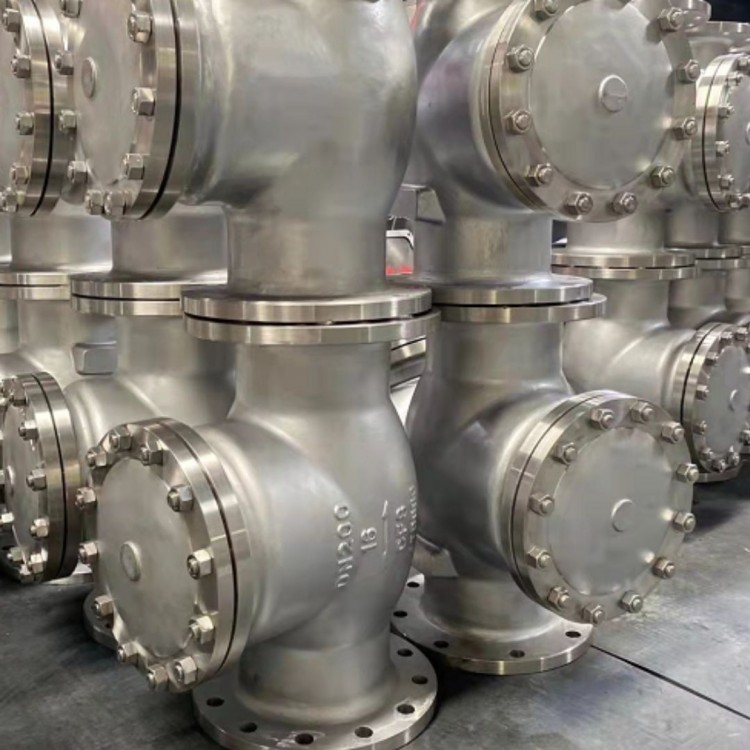
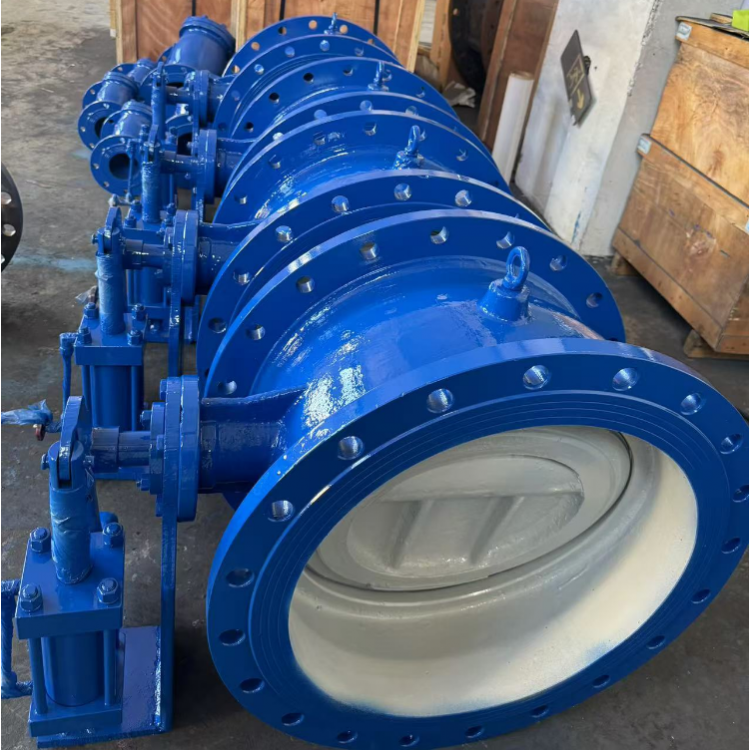
Valve manufacturing and sales, along with accessories

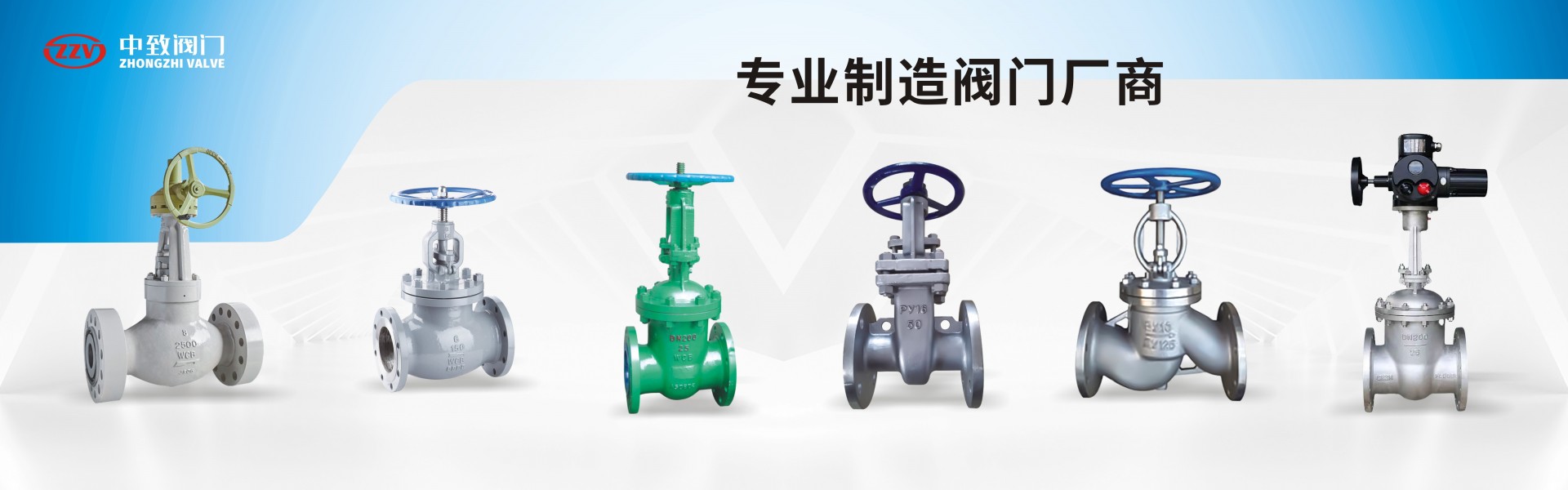
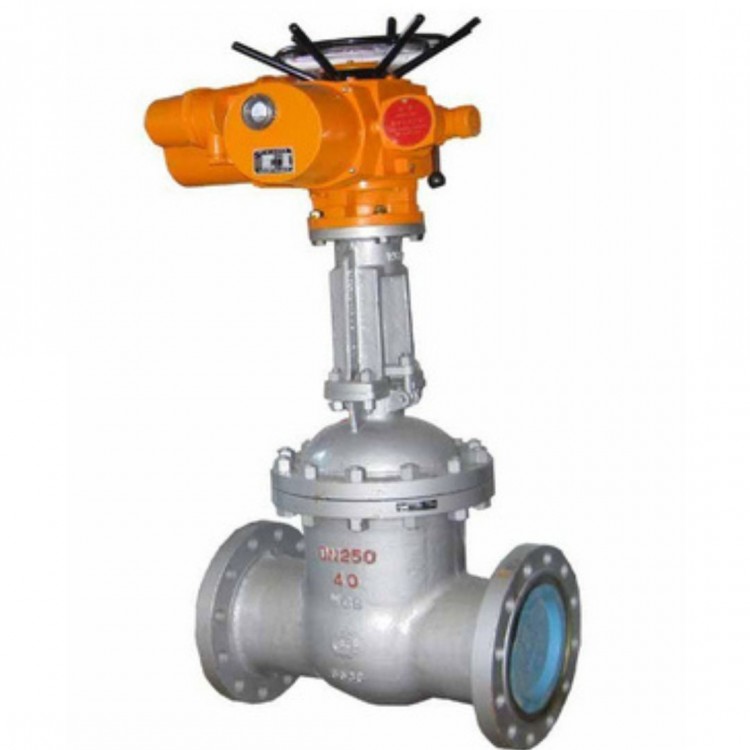
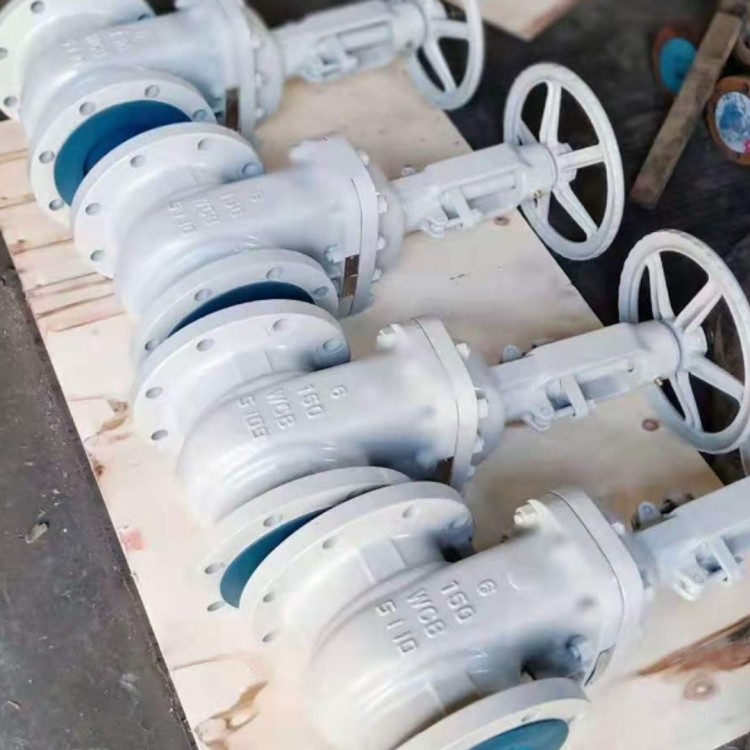
A gate valve is a shut-off device with a gate plate, whose movement direction is perpendicular to the fluid flow. Gate valves can only be fully open or fully closed; they cannot be used for regulation or throttling. Sealing is achieved through contact between the valve seat and the gate plate, with the sealing surface often surfacing with metallic materials to enhance wear resistance, such as surfacing.1Cr13、STL6Stainless steel, etc.
There are numerous manufacturers producing gate valves domestically, with most connection sizes being inconsistent. They are primarily categorized into the following main groups:
1、Please provide the Chinese content to be translated.JB/T2203-1999Mechanical Department Standard Valves for Gate Valve Structure Length Production
2No Chinese content provided, please provide the news content to be translated.GB/T12221-2005National standard valves produced for "Metal Valve Structural Length."
3Please provide the Chinese content to be translated.ASME B16.10-2009ASME Face-to-Face and End-to-End Dimension Valves Produced
Gate valves can be divided into types according to the construction of their valve rods.:
1 The Sliding Gate Valve: The valve stem nut is located on the valve cover or bracket. The lifting and lowering of the valve stem is achieved by rotating the valve stem nut when opening or closing the gate plate. This structure is beneficial for the lubrication of the valve stem, with a clear opening and closing degree, and is therefore widely adopted.
2 Check Valve: The valve nut is located inside the valve body, in direct contact with the medium. The gate plate is opened or closed by rotating the valve rod. The advantages of this structure are: the height of the check valve remains constant, thus requiring less installation space, making it suitable for large-diameter or space-limited valves. This structure requires a switch indicator to indicate the opening and closing degree. The disadvantages are: the valve rod threads are not only un-lubricated but also directly subjected to medium erosion, making them prone to damage.
The main differences between gate valves with exposed stems and those with concealed stems:
1.The lifting screw of the blind flanged gate valve only rotates without any upward or downward movement; only a rod is exposed, with its nut fixed on the gate plate. The gate plate is raised by rotating the screw, without any visible frame. In contrast, the lifting screw of the visible flanged gate valve is exposed, with the nut tightly attached to the handwheel and fixed (neither rotating nor moving axially). The gate plate is raised by rotating the screw, where there is only relative rotational motion between the screw and the gate plate without any relative axial displacement, and the appearance features a gate-shaped frame.
2The blind stem valve is one without visible screw threads, while the open stem valve has visible screw threads.
3.The dark rod valve connects the steering wheel with the valve rod, which remains stationary during operation. It operates by rotating the valve rod at a fixed point to lift or lower the valve disc for opening and closing. The bright rod valve, on the other hand, raises or lowers the valve disc through the threaded transmission between the valve rod and the steering wheel.
In simpler terms, the clear stem valve features a valve disc and stem moving up and down together, with the steering wheel always at a fixed point.


b2b.china9.net © Zhongshang 114 Hebei Network Technology Co., Ltd.Address: Room 6009, Oriental New World Center, No.118 East Zhongshan Road, Qiaoxi District, Shijiazhuang City, Hebei ProvincePlatform Service Hotline: 4006299930