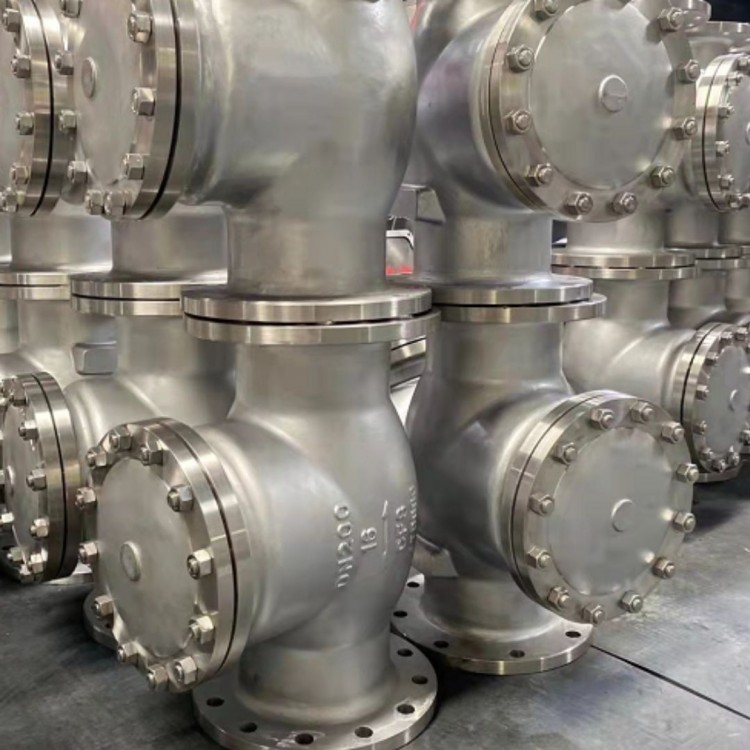
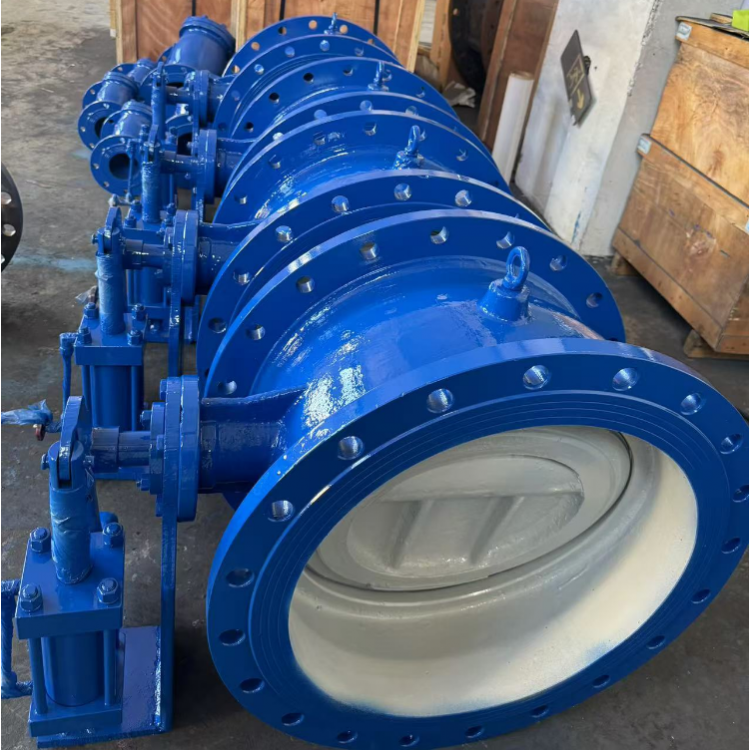
Valve manufacturing and sales, along with accessories

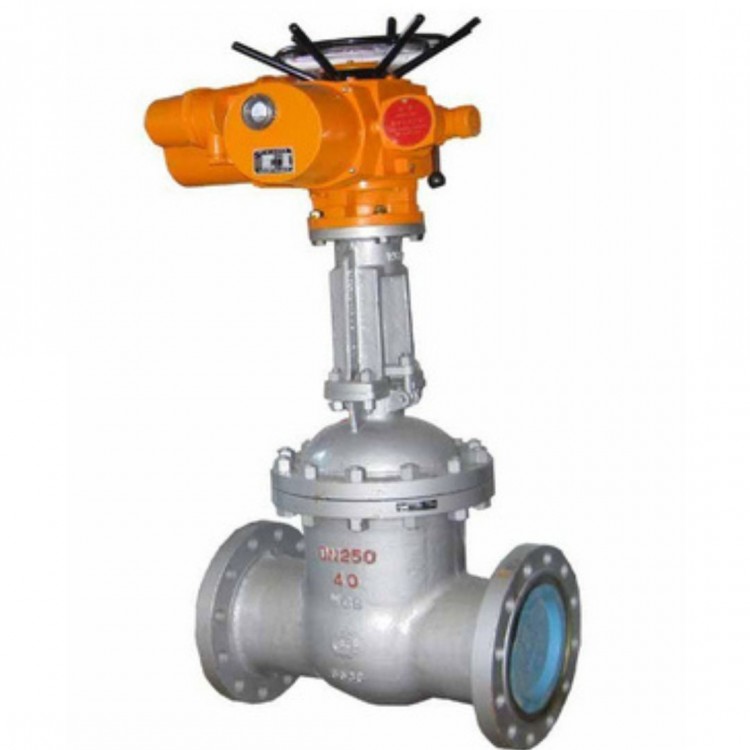
Electric valves, simply put, are valves powered by electric actuators..Control Valves,Thus, it enables the opening and closing of the valve. It is divided into two parts: the upper part is an electric actuator, and the lower part is the valve.
Electromagnetic valve actuators are indispensable for the programmable, automatic, and remote control of valves, as their movement can be controlled by stroke, torque, or axial thrust. Since the working characteristics and utilization rate of electromagnetic valve actuators depend on the type of valve, the operational specifications of the device, and the position of the valve on the pipeline or equipment, the correct selection of the electromagnetic valve actuator is crucial to prevent overloading phenomena (working torque exceeding control torque).
Generally, the criteria for selecting the right electric valve assembly are as follows:
Torque of Operation is a Key Parameter for Selecting Electric Valve Actuators; the Output Torque of Electric Actuators Should Be Sufficient for the High Torque Operation of Valves.1.2~1.5No Chinese content provided.
The main structures of the actuator for the thrust electric valve assembly come in two types: one without a thrust disk, which directly outputs torque; the other equipped with a thrust disk, where the output torque is converted to thrust through the valve stem nut within the thrust disk.
The number of rotations of the output shaft in an electric valve device is related to the nominal bore size of the valve, the screw pitch of the valve rod, and the number of threads.M=H/ZSCalculationMTotal number of revolutions to be met for electrical equipment.HFor valve opening height,SFor the lead screw pitch of the valve rod drive thread,ZFor the number of threads on the rod head.
Valve actuators that open and close too quickly can easily cause water hammer effects. Therefore, it is essential to select the appropriate opening and closing speed based on different operating conditions. Electric valve actuators have special requirements, specifically the need to limit torque or axial force. Typically, electric valve actuators use torque-limiting couplings. Once the specifications of the electric unit are determined, so is the control torque. They usually operate within a pre-set time frame, ensuring the motor does not overheat. However, the following situations may lead to overloading:
Firstly, low power supply voltage results in insufficient torque, causing the motor to stop rotating.
Improperly adjusting the torque limit mechanism, setting it higher than the stopping torque, resulted in the continuous generation of excessive torque, causing the motor to stop rotating.
Continual use leads to accumulated heat, exceeding the allowable temperature rise for the motor.
The fourth issue is due to a circuit failure in the torque limiting mechanism, causing excessive torque for some reason.
The fifth issue is that the excessive environmental temperature leads to a relative decrease in the motor's heat capacity.


b2b.china9.net © Zhongshang 114 Hebei Network Technology Co., Ltd.Address: Room 6009, Oriental New World Center, No.118 East Zhongshan Road, Qiaoxi District, Shijiazhuang City, Hebei ProvincePlatform Service Hotline: 4006299930