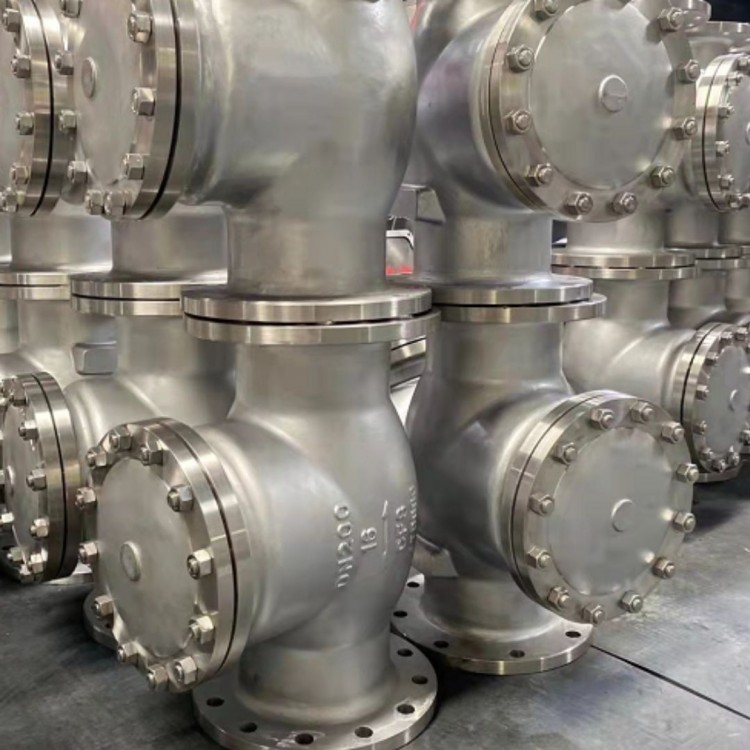
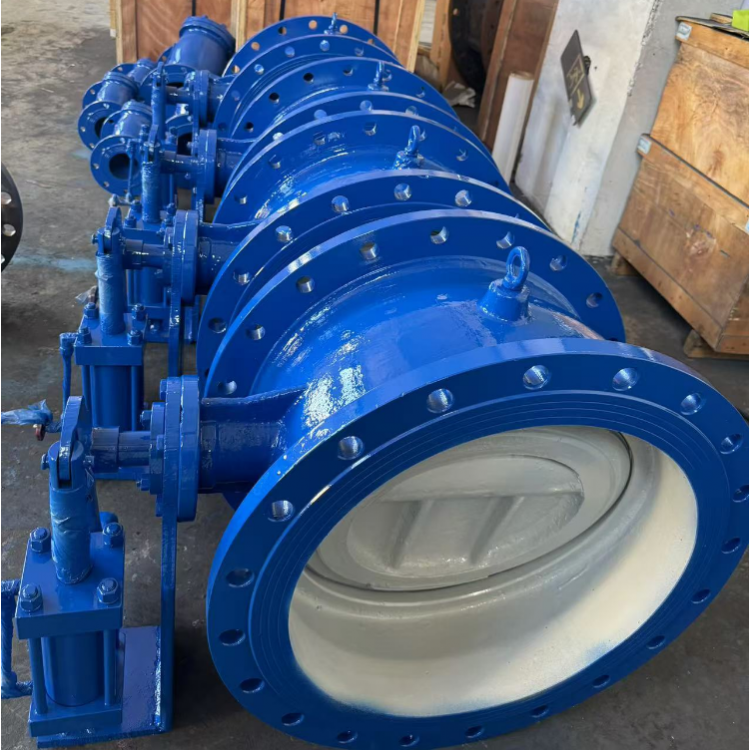
Valve manufacturing and sales, along with accessories

Several Causes of Valve Sealing Damage
Mechanical damage can occur during the opening and closing process, resulting in scratches, impacts, and crushes on the sealing surfaces. Under high temperature and pressure, the two sealing surfaces can experience atomic interpenetration, leading to adhesion. When the two surfaces move against each other, the adhesive areas can easily be torn. The rougher the surface of the sealing surfaces, the more likely this phenomenon is to occur. During the sealing process of the valve and the return process of the valve disc, impacts and crushes can damage the sealing surfaces, causing localized wear or indentation on the sealing surface.
Erosion of the medium, which is the result of wear, flushing, and cavitation on the sealing surface as the medium moves. At certain speeds, fine particles in the medium collide with and impinge upon the sealing surface, causing localized damage. High-speed movement of the medium directly flushes against the sealing surface, also causing localized damage. When the medium mixes and locally vaporizes, gas bubbles burst and impact the surface of the sealing surface, leading to localized damage. The combined effects of medium erosion and chemical erosion alternately strongly erode the sealing surface.
Electrochemical erosion occurs due to various factors such as the contact between sealing surfaces, the contact between sealing surfaces and the closed body and valve body, and differences in medium concentration and oxygen concentration, which result in potential differences and lead to electrochemical erosion, eroding the sealing surface on the anode side.
Chemical erosion of the medium, where the medium reacts chemically with the sealing surface near the sealing area without generating electricity, erodes the sealing surface.
Improper installation and inadequate maintenance have led to abnormal operation of the sealing surface, causing the valve to run with defects and prematurely damage the sealing surface.
Improper selection and manipulation lead to damage. This primarily manifests in the use of valves not suited to the operating conditions, treating stop valves as throttling valves, resulting in excessive closure pressures, rapid or incomplete closure, and subsequently, erosion and wear on the sealing surfaces.
Poor quality in sealing surface processing is mainly manifested by defects such as cracks, blowholes, and slag on the sealing surface, which are caused by improper selection of surfacing and heat treatment specifications, as well as poor operation during the surfacing and heat treatment processes. The hardness of the sealing surface being too high or too low is due to incorrect material selection or improper heat treatment. The uneven hardness and poor corrosion resistance of the sealing surface are primarily caused by blowing the base metal to the top during the surfacing process, diluting the alloy composition of the sealing surface. Of course, there are also design issues involved here.
The causes of seal face damage can be summarized into the following categories.
Causes of seal face damage include both human-induced and natural damage. Human-induced damage is due to factors such as poor design, substandard manufacturing, inappropriate material selection, incorrect installation, improper use, and inadequate maintenance. Natural damage refers to wear that occurs during the normal operation of valves, caused by unavoidable erosion and abrasion of the medium on the seal face.


b2b.china9.net © Zhongshang 114 Hebei Network Technology Co., Ltd.Address: Room 6009, Oriental New World Center, No.118 East Zhongshan Road, Qiaoxi District, Shijiazhuang City, Hebei ProvincePlatform Service Hotline: 4006299930