
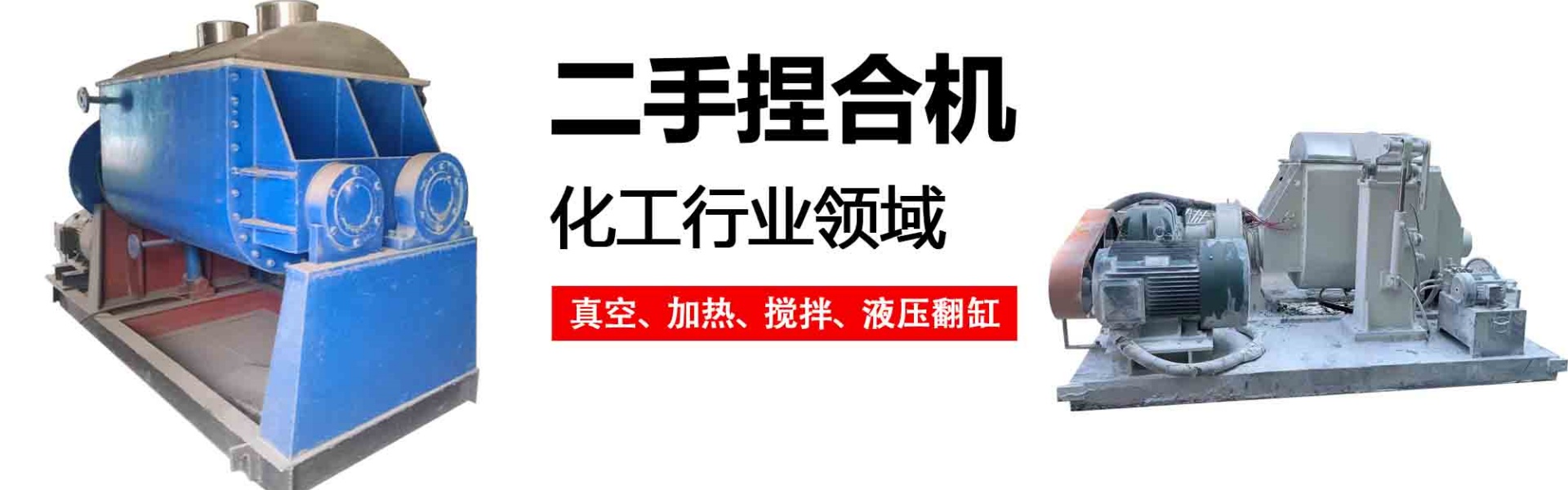

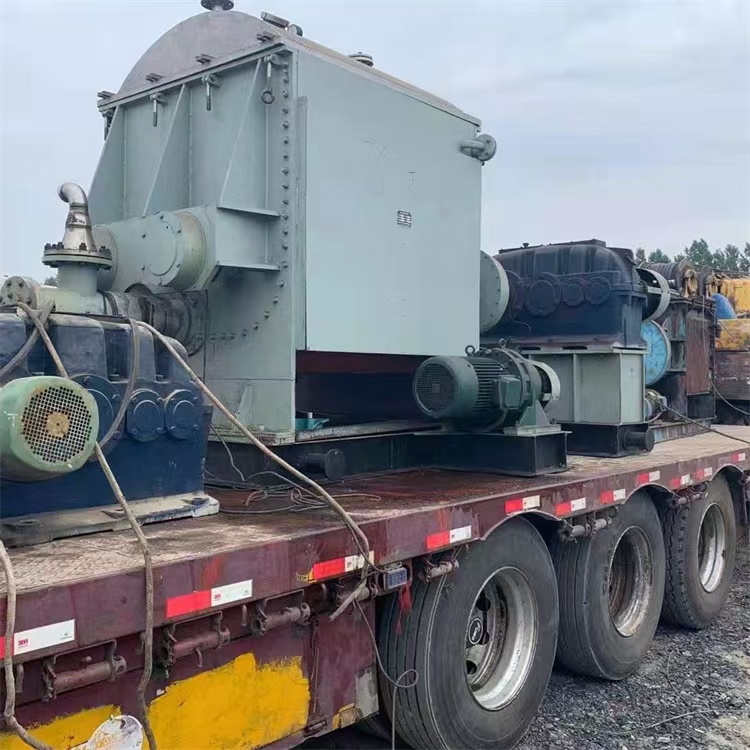


The kneader is driven by a pair of Sigma blades that rotate and work together, generating a strong shearing action. This rapid reaction with semi-dry or rubbery, viscous plastic materials ensures an even mixing and blending.
The kneading machine is mainly composed of the kneading section,Machine basePartsHydraulic System、Transmission SystemHydraulics system is composed of one unit.Hydraulic StationTo operate the large hydraulic cylinders for opening and closing functions, the hydraulic system is controlled by a hydraulic station to perform functions such as tilting the tank and opening the lid. Detailed parameters can be freely selected and requested by the user, offering convenient and reliable operation. The transmission system byElectric Motor、GearboxGear-driven, motor matched according to the model of the kneading machine.
The transmission part of the kneading machine is driven by an electric motor.Synchronous SpeedAfter passing through an elastic coupling to the reducer, the output unit drives the high-shear mixer to reach the specified speed, which can also beVariable frequency driveAdjust speed.
The kneader features two Sigma-shaped blades, with varying speeds between the blades, which can be set to different rotations per minute based on different processes. Common rotation speeds are 42/28 RPM.
Mixer kneaders can be designed with or without heating capabilities to meet specific requirements. The heat exchange methods typically include:Electrically heatedSteam heating, circulationHot OilHeating, recirculating water cooling, etc.
The discharge method of the kneading machine includes hydraulic tilting and pouring.Ball ValveShipmentScrew threadAll parts in contact with the material, such as cylinder and agitator blades, are made of extrusion materials.SUS304Made of stainless steel, ensuring product quality.
