

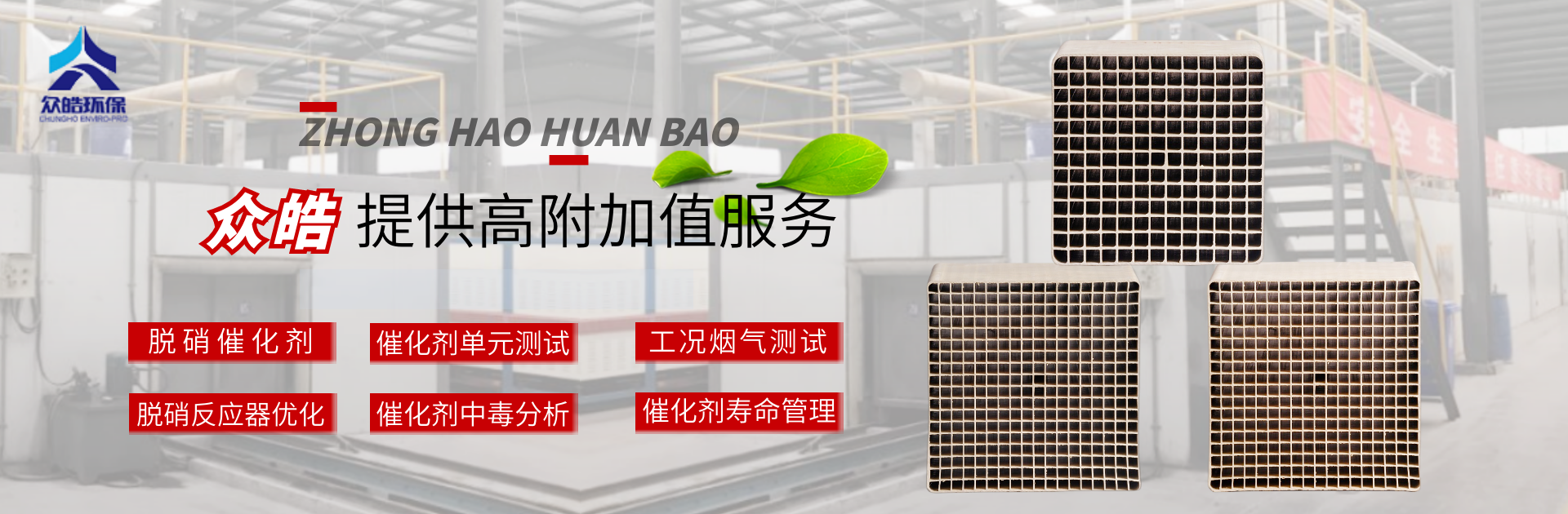

Denitrification catalyst is a technology used to reduce emissions in flue gas, also known as Selective Catalytic Reduction (SCR). This technology utilizes a catalyst to convert harmful substances into harmless nitrogen gas and water vapor at high temperatures, thereby reducing emissions.
The efficiency of denitrification catalysts is influenced by various factors, including the content of iron oxide, temperature, and moisture in the air and flue gas. Therefore, regular inspections and maintenance are necessary to ensure the catalyst's effectiveness and stability.
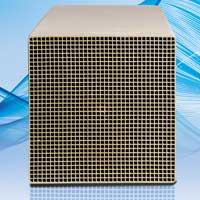
The testing of denitrification catalysts typically includes two aspects: physical testing and chemical testing.
Physical inspections primarily involve assessing the appearance and physical condition of catalysts to determine if they have been damaged or worn. This typically includes checking the catalyst's color, shape, and surface condition. For instance, if there are visible cracks or peeling on the catalyst surface, it indicates the need for a catalyst replacement.
Chemical testing is more detailed and accurate. This typically involves analyzing the concentration of emissions in flue gas to determine the efficiency of denitrification catalysts. Common chemical testing methods include Laser-Induced Fluorescence (LIF) and chemical analysis.
Laser-induced fluorescence is a non-contact detection method based on laser technology. This method utilizes the energy of the laser to excite electrons in gaseous molecules, causing them to emit fluorescence. Since different molecules have unique fluorescence spectra, the concentration of smoke can be determined by analyzing the fluorescence spectrum.
Chemical analysis is a traditional testing method. It involves collecting smoke samples into a reactor and undergoing chemical reactions at specific temperatures and pressures. The efficiency of the denitrification catalyst is determined by analyzing the concentrations of the reaction products.
In summary, a denitrification catalyst is an effective technology for reducing emissions. Regular inspections and maintenance are crucial for maintaining its effectiveness and stability. Physical and chemical inspections are two common methods, which can be used in conjunction to enhance the accuracy and reliability of the inspection.
