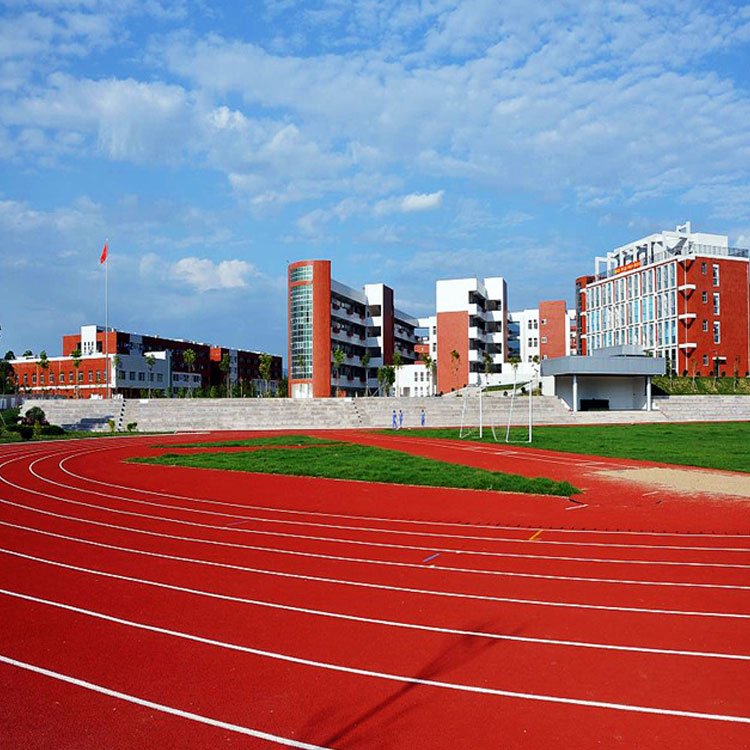
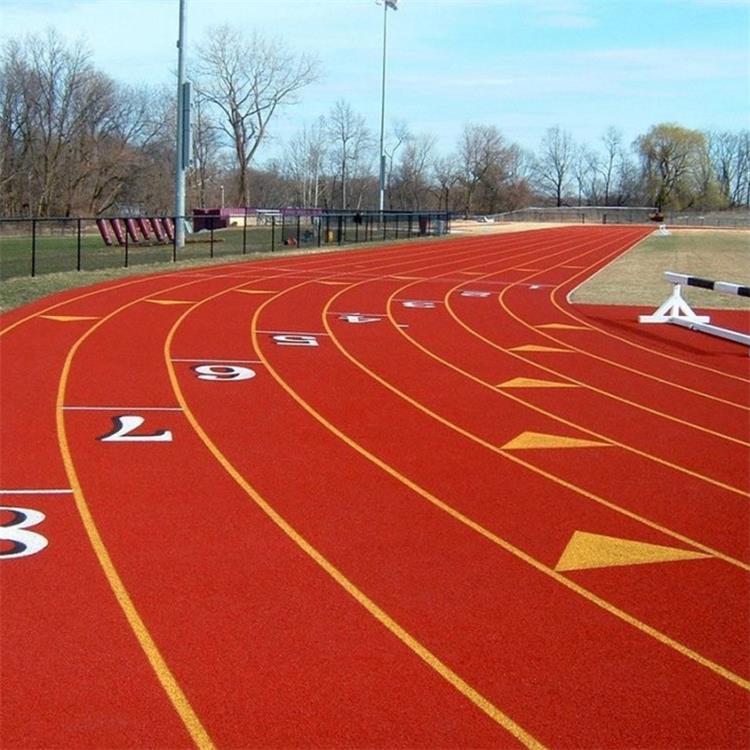
Plastic tracks offer excellent elasticity, anti-slip properties, wear resistance, and weather resistance. They are also easy to maintain, featuring vibrant colors and an aesthetically pleasing, orderly appearance. As a result, they are widely adopted as essential sports facilities by both athletic fields and schools. The International Olympic Committee has also designated them as one of the necessary conditions for international competition venues.
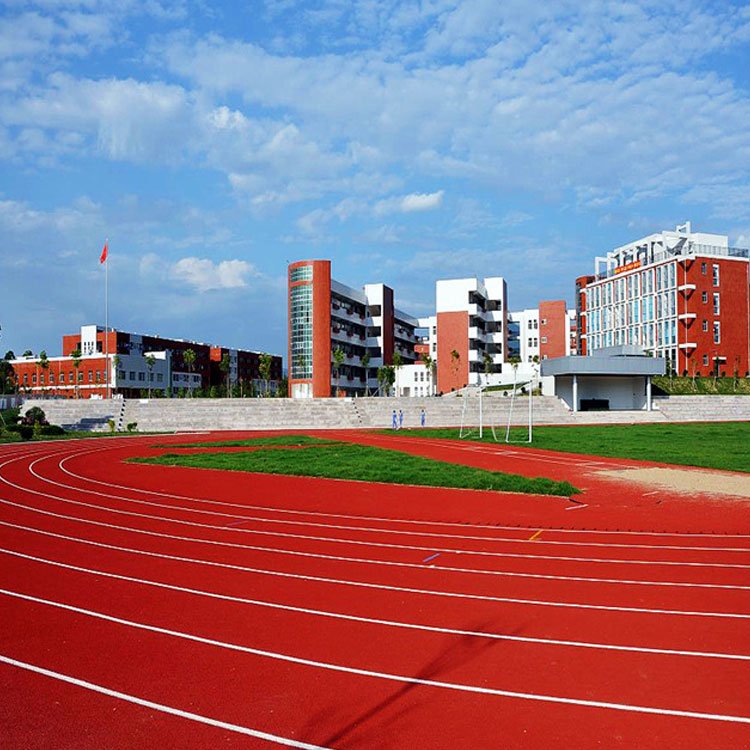

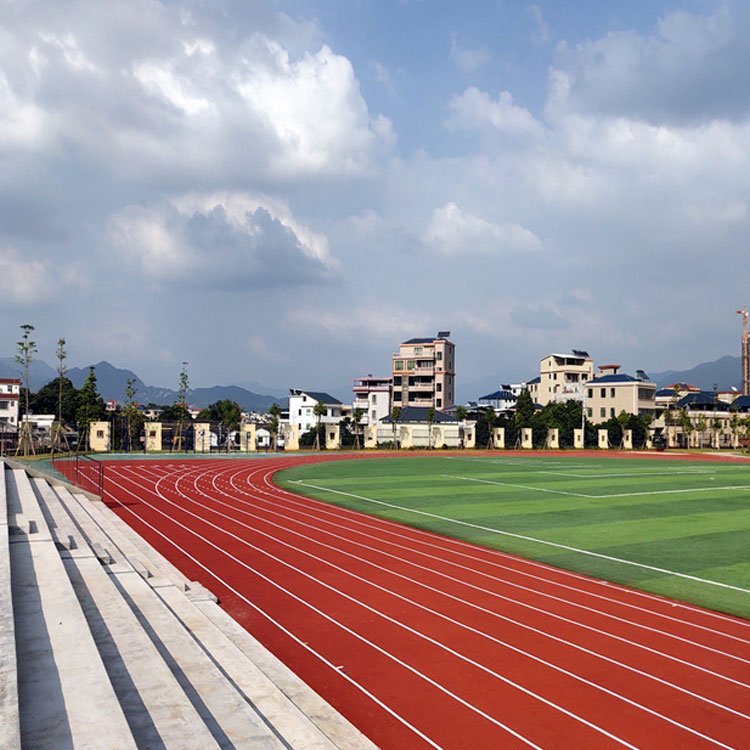
The plastic track, also known as an all-weather track and field running track, is composed of polyurethane pre-polymer, mixed polyether, waste tire rubber, EPDM rubber granules or PU granules, pigments, additives, and fillers. The plastic track boasts good flatness, high compressive strength, appropriate hardness and elasticity, and stable physical properties, which are beneficial for athletes to demonstrate their speed and technique, effectively improving their performance and reducing the incidence of falls. Made of materials such as polyurethane rubber, the plastic track has certain elasticity and color, and is recognized for its excellent ability to resist ultraviolet rays and aging, making it a very good material for all-weather outdoor sports track surfaces.
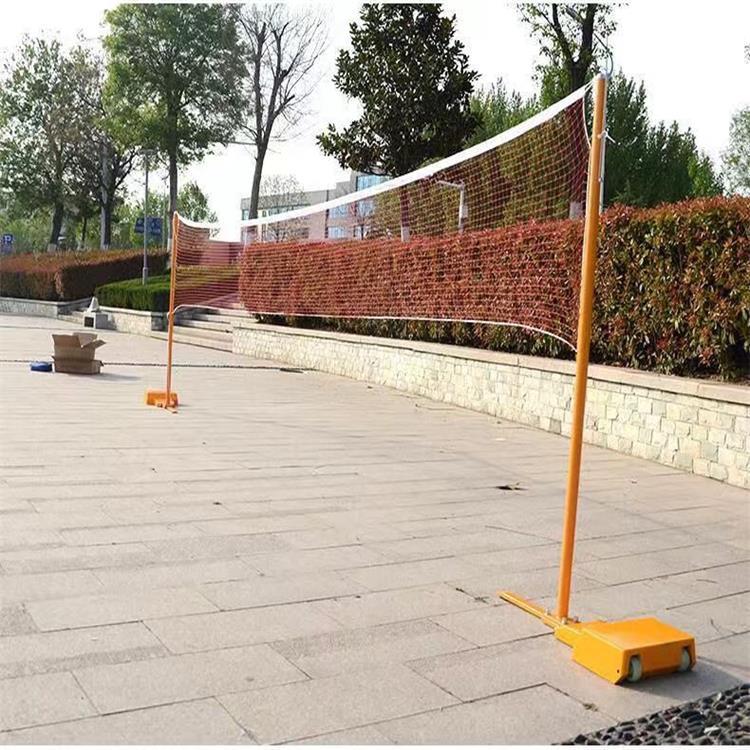 Sports Equipment: Electric Hydraulic Basketball Hoops, Badminton Net Systems, Volleyball Training and Match Sets
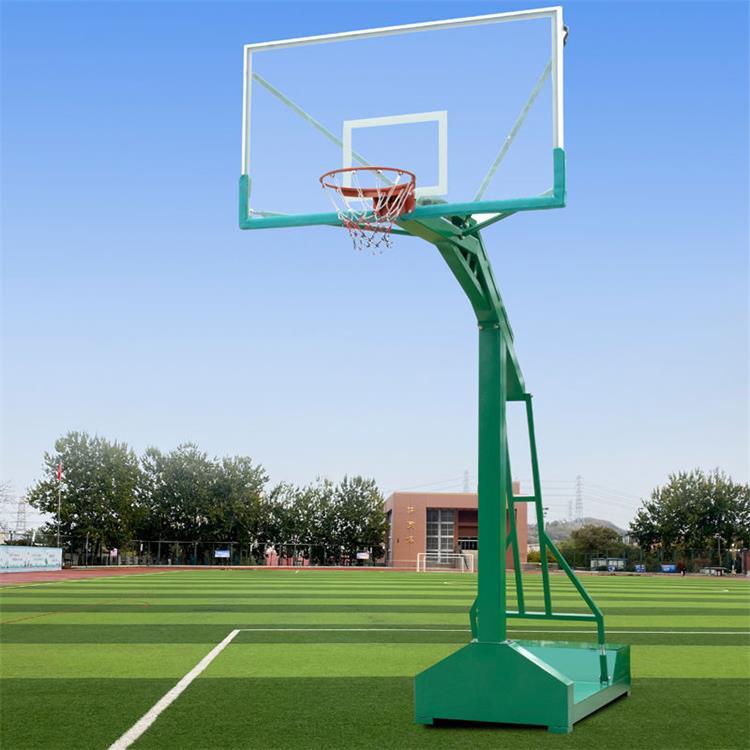 Sports equipment outdoor adult school competition standard fixed basketball hoop with clip, aluminum alloy badminton rackets
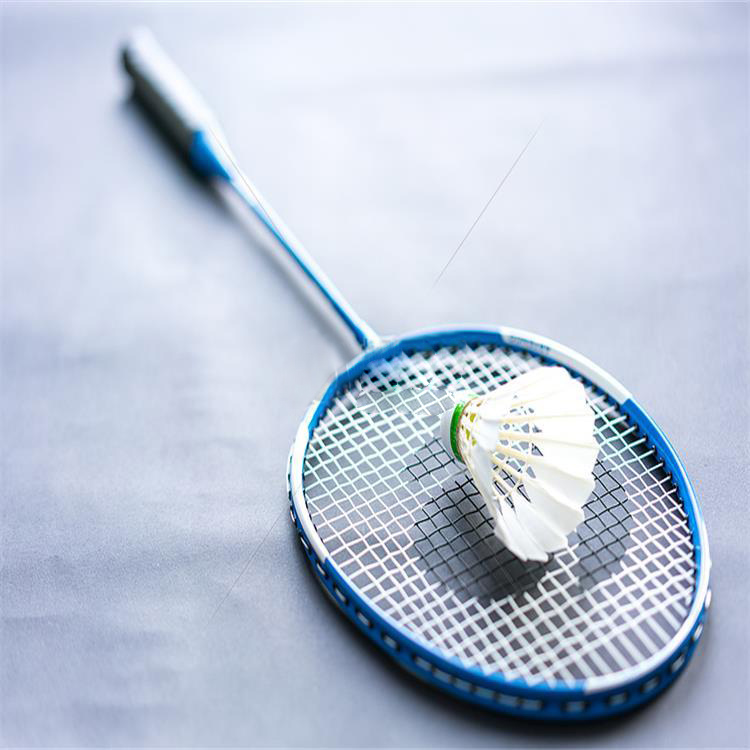 Portable sports equipment: portable ping pong table, easy-to-disassemble soccer goalposts, mobile basketball hoop

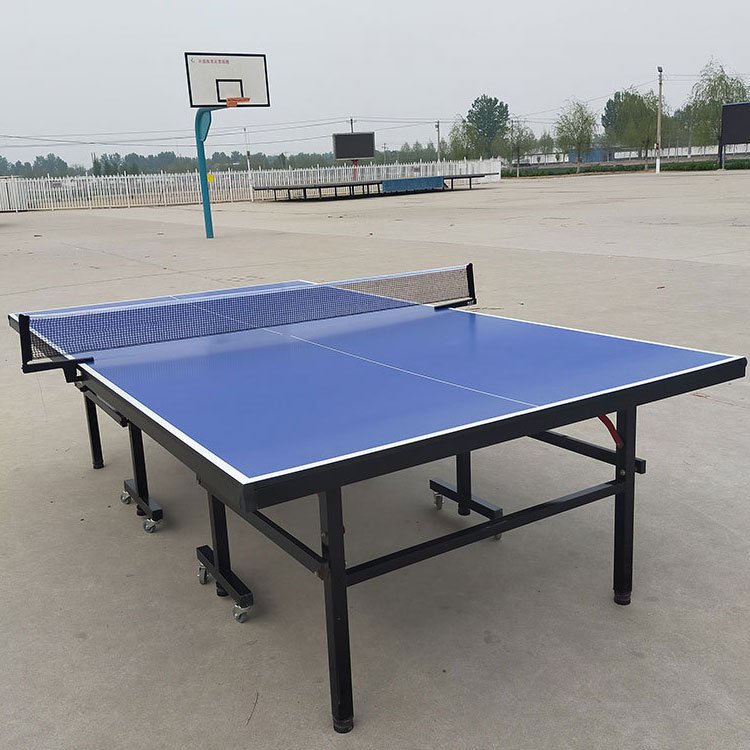 Sports Equipment: Volleyball Net Frame, Multi-functional Badminton Net Pole, Waterproof and Sunproof Ping Pong Table
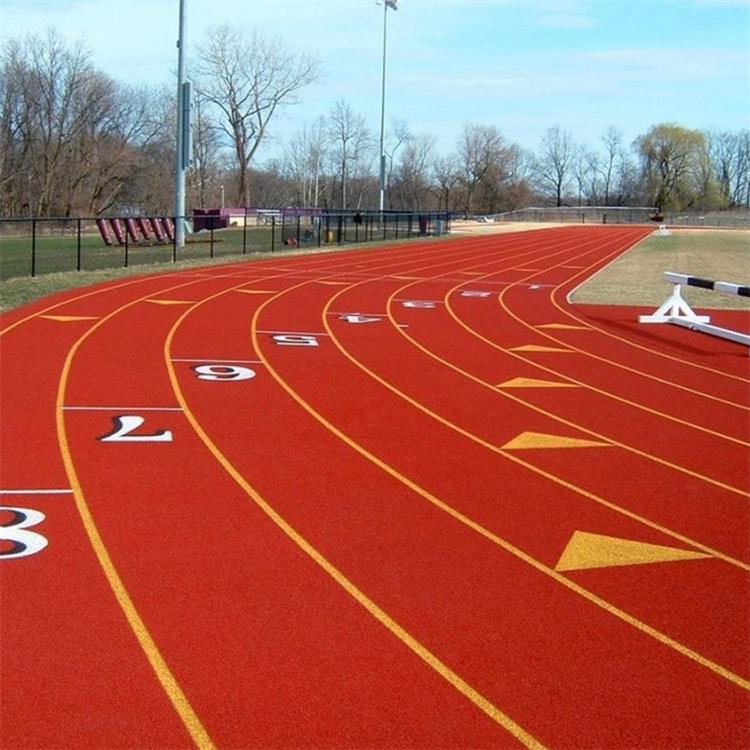 Athletic Track Materials - Breathable Composite Plastic Track Surface
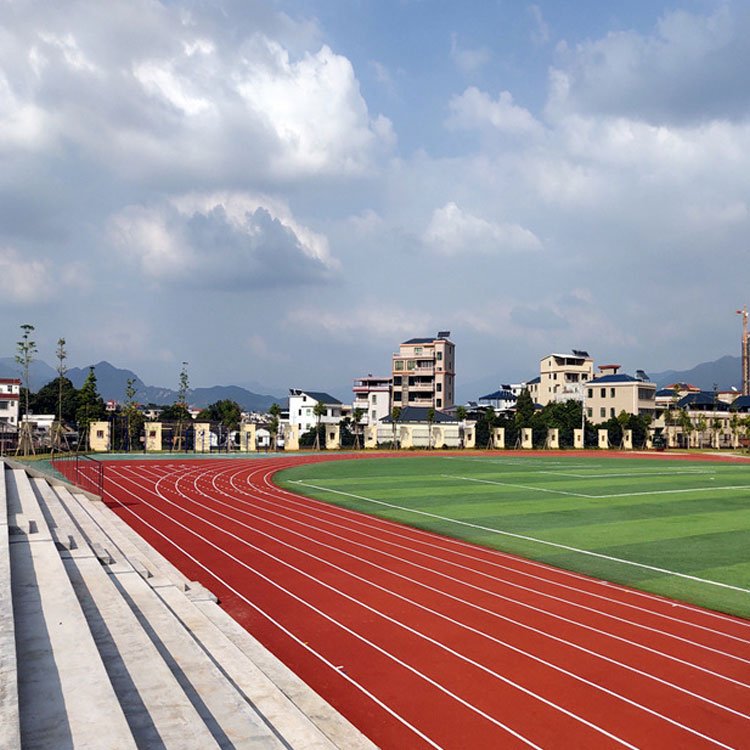 Sports stadium synthetic track field, kindergarten playground, basketball court, rubber granules, outdoor construction
 Plastic Track Construction, Plastic Granules, Track and Field Athlete's Field, Permeable Sports Plastic Track