

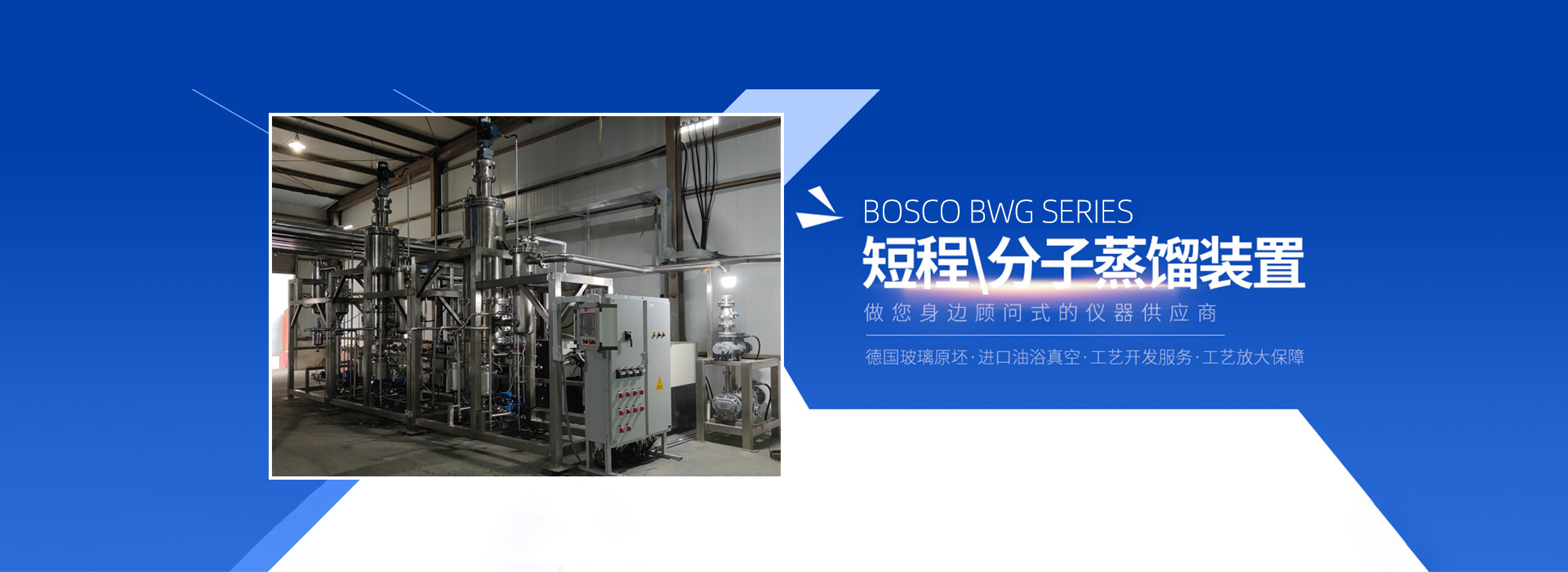
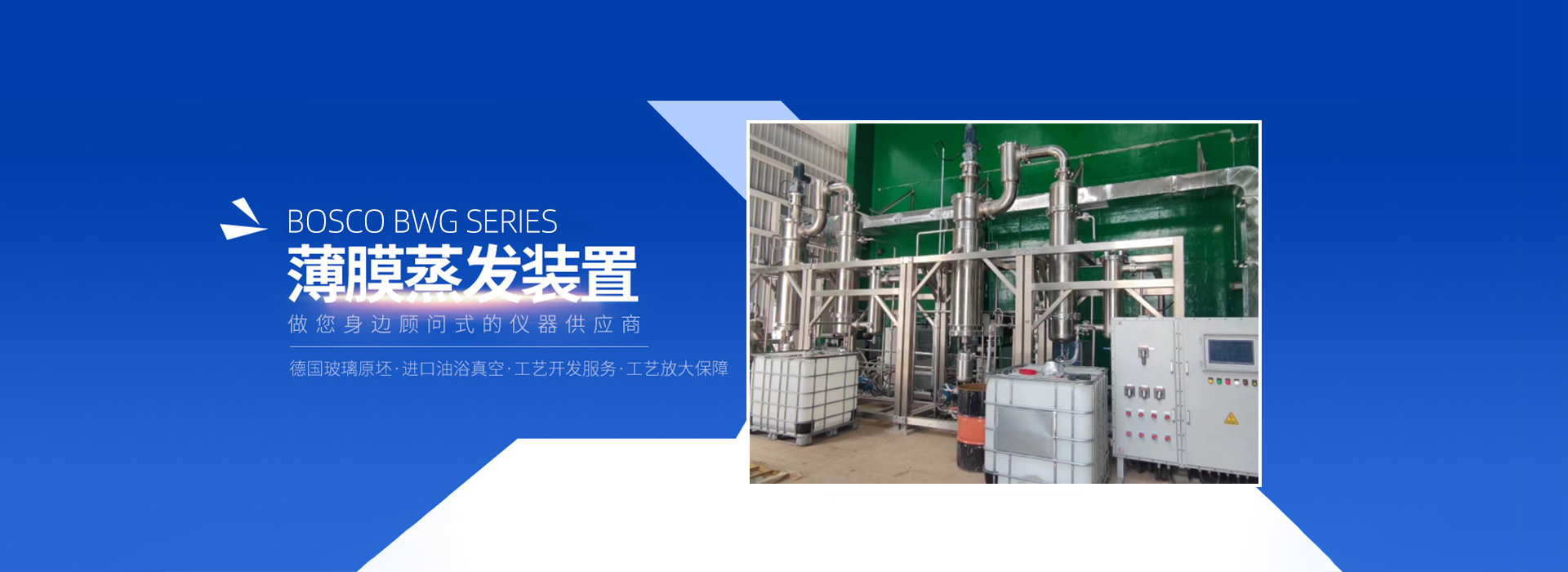


Film Evaporation: Film evaporators are typically刮板式刮板式,which allow high-viscosity materials to form a film inside the evaporator for efficient evaporation, speeding up the process. The film is formed by mechanical force, and the scraper continuously rotates during evaporation, ensuring uniform thickness. The gap between the scraper and the evaporator inner wall must be between 0.5 to 1mm, thus requiring high precision in the processing of the evaporator cylinder. Scrapers are consumables that wear down over time; if the inner wall gap exceeds 1mm, the treatment effect is unsatisfactory. When used for recycling used lubricating oil, the scraper may develop solid clogs due to prolonged contact with the material, and the recycled oil may take on a yellowish-red color. Regular cleaning and maintenance of the scraper are necessary, as well as high replacement costs. Therefore, film evaporators are not suitable for processing highly viscous lubricants. Film evaporation is more suitable for lower-viscosity fluids, such as essential oils.
Vacuum Distillation: The boiling point of a liquid is the temperature at which its saturated vapor pressure equals the external pressure. Therefore, the boiling point of a liquid varies with the external pressure. By using a vacuum pump to lower the system pressure, the boiling point of the liquid can be reduced, which is the theoretical basis for vacuum distillation. According to this principle, waste engine oil can be distilled under high vacuum. Vacuum distillation technology has been used worldwide for many years, offering greater stability than molecular distillation, making it more suitable for processing waste engine oil. It requires less investment, is more mature, and is simple and convenient to operate and maintain.
