

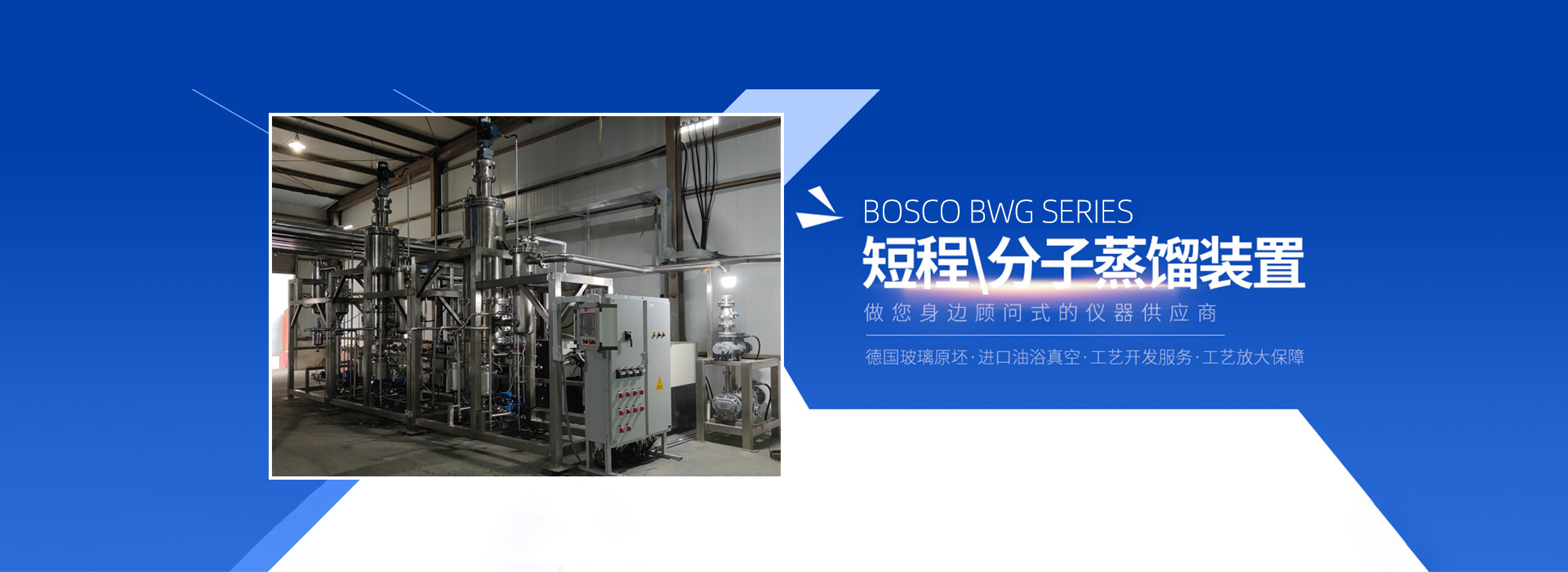
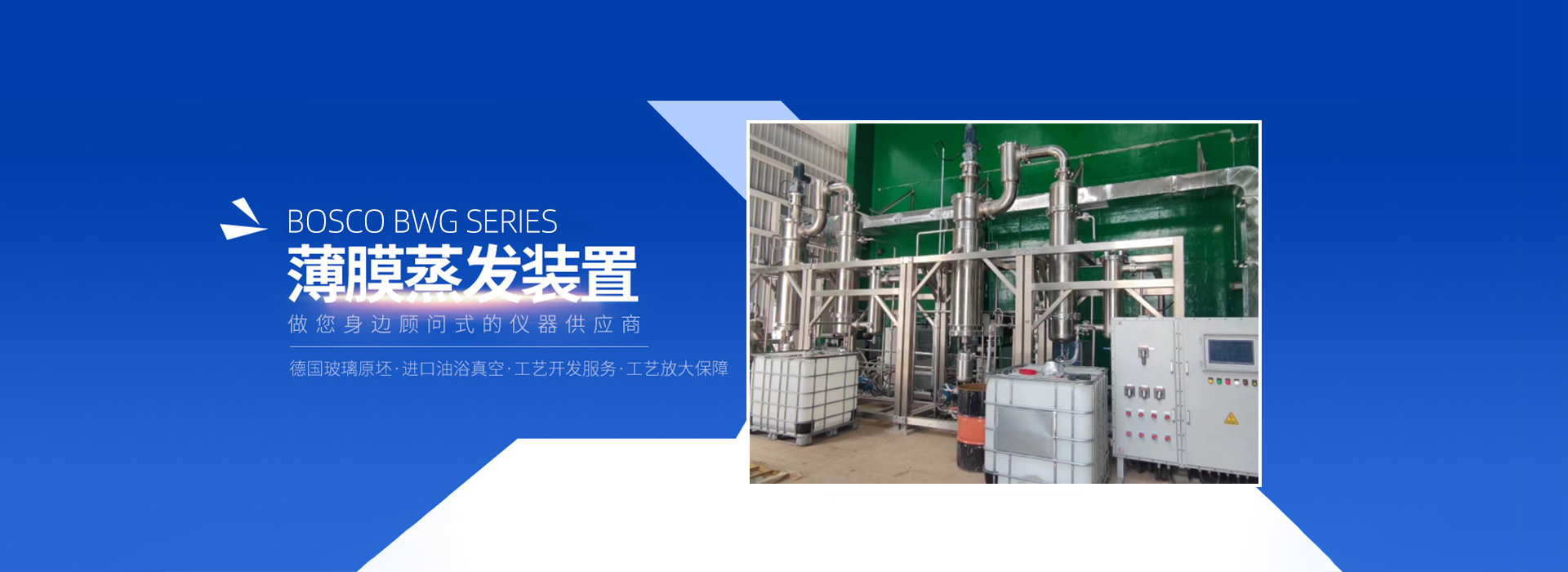


The molecular distillation unit features restructured separators and separator separators, which can be equipped with collection bottles or multi-component collection units, yielding multiple experimental results per run. The evaporator has an integral structure and can be easily connected to the feeder receiver.
Traditional methods for refining crude metals in non-ferrous metallurgy include:
① The additive method, which involves adding a certain amount of elements to achieve the purpose of removing impurities, such as removing silver from crude lead by adding zinc, removing copper by adding sulfur, and so on.
② The oxidation method, utilizing oxidation reactions, removes arsenic, antimony, tin, and other impurities from crude metals.
③ The electrolytic method, commonly employing wet electrolysis technology, facilitates redox reactions near the electrodes within the electrolytic cell during the conversion of electrical energy into chemical energy. This process results in the reduction of metals onto the electrodes to a certain purity, such as the electrolytic refining of indium.
These are the primary methods for refining metals, but they also come with several issues, including long processes, numerous steps, high consumption of reagents, a variety of byproduct slags, severe environmental pollution, low metal recovery rates, significant infrastructure investments, and high processing costs.
Industrial applications include: crude tin, crude zinc, crude cadmium, crude lead, crude antimony, crude bismuth, etc. When refining crude metals using vacuum distillation technology, sometimes combining it with other methods can yield better distillation results and economic benefits.
The primary advantages of molecular distillation experiments:
1. Modular design, configurable to meet requirements; visual design, real-time adjustment of process parameters.
2. Low raw material intake, trace residuals, high yield.
The three-way valve features fine thread adjustment for feeding speed, with micro-adjustability.
4. Simple structure, minimal leakage points, high vacuum level, easy disassembly, convenient assembly, and easy cleaning.
5. Craftily designed, compact in size, powerful in function, and high in cost-performance.
