

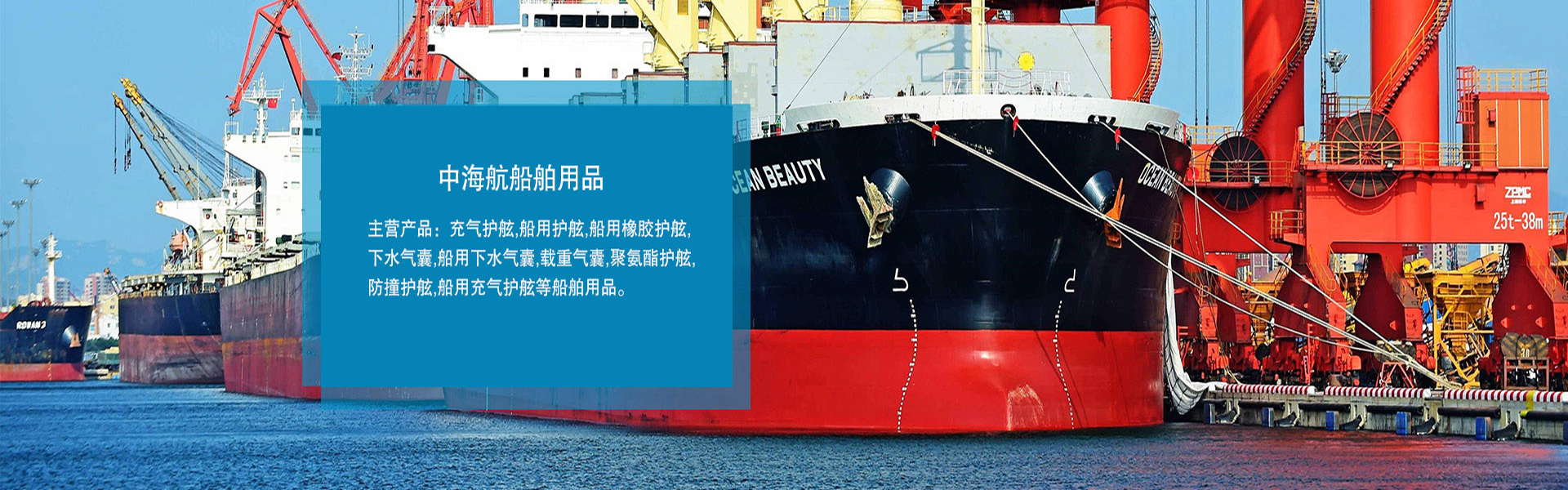

In design, attention should be given to selection, layout, and fixation. Prioritize using advanced, structurally sound, and user-friendly floating fender types for vessels. Depending on the pier's design, the type of ship being designed, and natural conditions, rationally position and space the floating fender for vessels to prevent obstructions. Fixed equipment for securing floating fenders must be reliable, and also easy to maintain and replace, to avoid damage to the floating fenders due to poor fixation.
During construction, obligations must be strictly adhered to design requirements and relevant professional standards, whether it is the manufacturing or installation of shipboard floating fender; both must meet design specifications to ensure construction quality.
In the application of management, two key obligations should be emphasized. First, stringent management of berth usage should be implemented, striving to moor vessels according to the designed ship type and tonnage requirements. For situations where the tonnage and dimensions significantly deviate from the designed ship type, strict control over mooring speed and angle should be enforced, and efforts should be made to prevent smaller vessels from mooring at large terminals to avoid damage to the ship's floating fender. Second, the maintenance obligation for ship floating fenders must be strengthened. Immediate repairs should be conducted for any floating fenders showing signs of damage to prevent further deterioration.
