


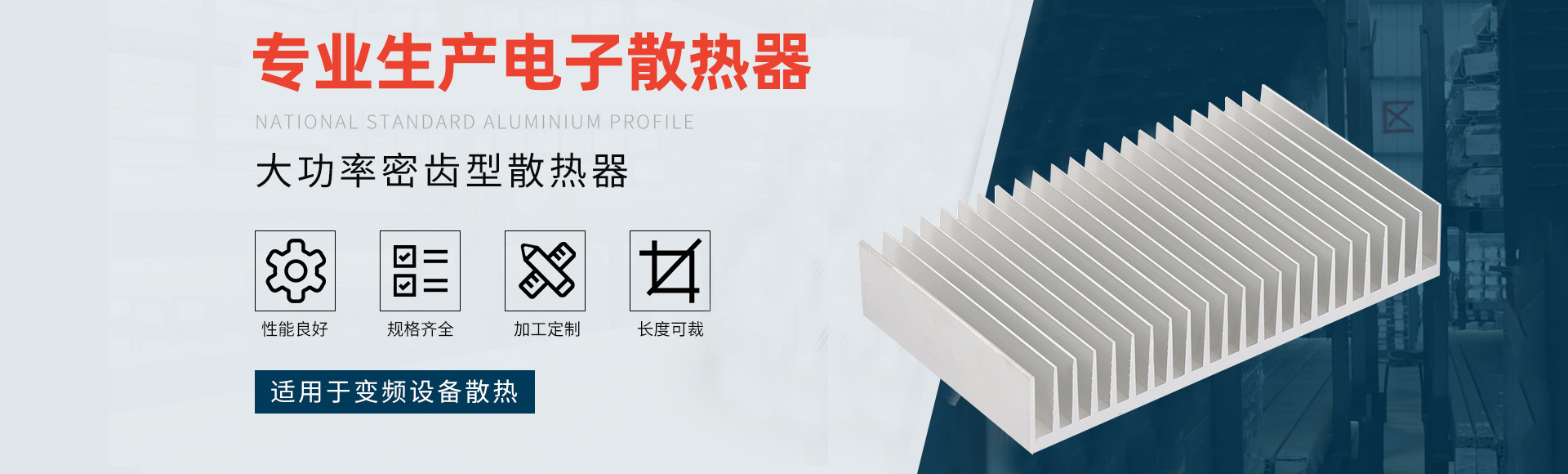


1. Pricing: Stainless steel is more expensive, while aluminum alloy is cheaper; 2. Hardness: Stainless steel has higher hardness than aluminum alloy; 3. Surface Treatment: Aluminum alloy offers a richer variety, including electro-phoresis, spraying, anodizing, etc., whereas stainless steel has fewer options; 4. Applications: Products using aluminum alloy include food, chemical, and brewing industry extruded pipes, various hoses, fireworks powder; chemical equipment; components requiring good formability and high corrosion resistance but not high strength, such as chemical products, food industry equipment and storage containers, sheet metal processing parts, deep-drawn or spun-dished utensils, welded metal parts, heat exchangers, printed circuit boards, nameplates, reflective devices, etc.
News Center Co., Ltd.
