
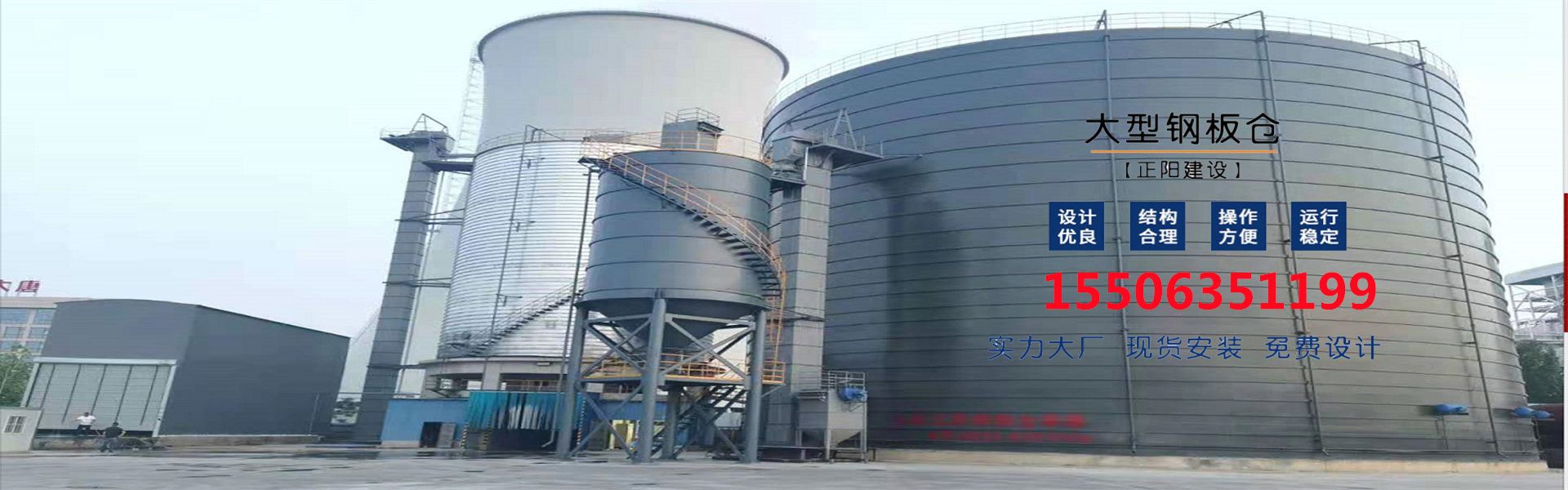
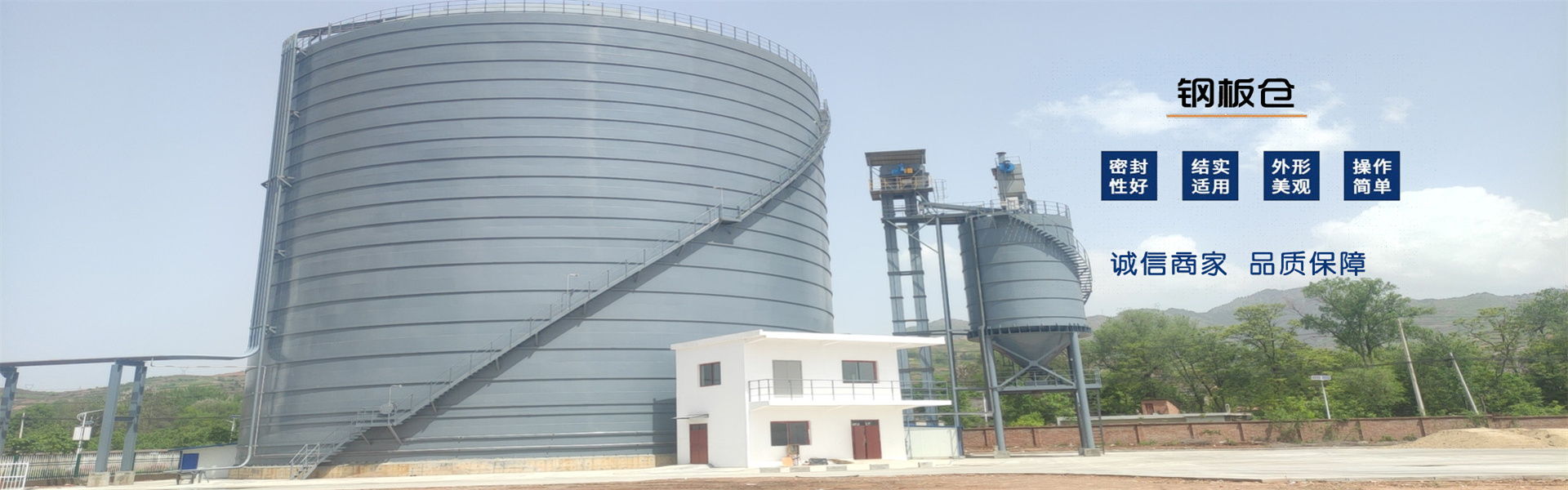


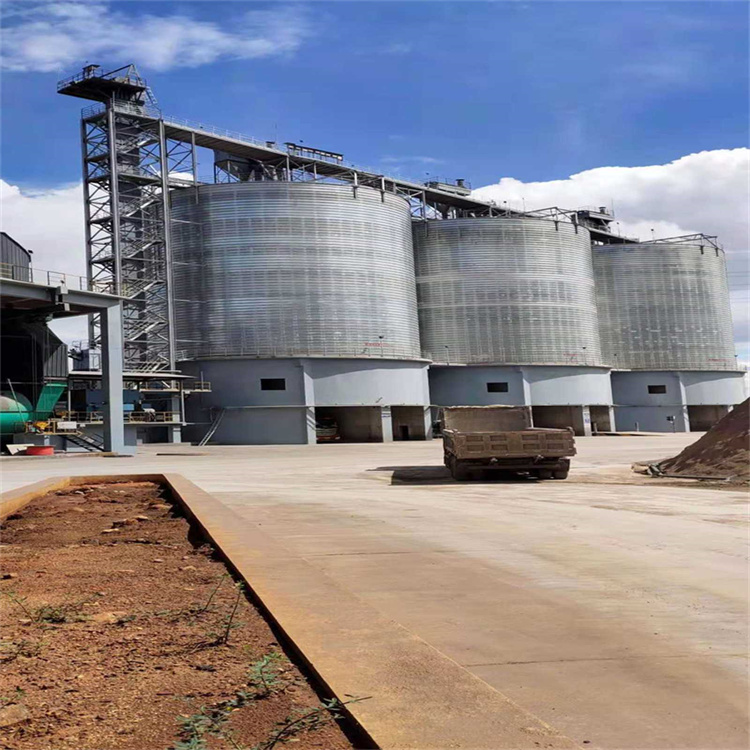

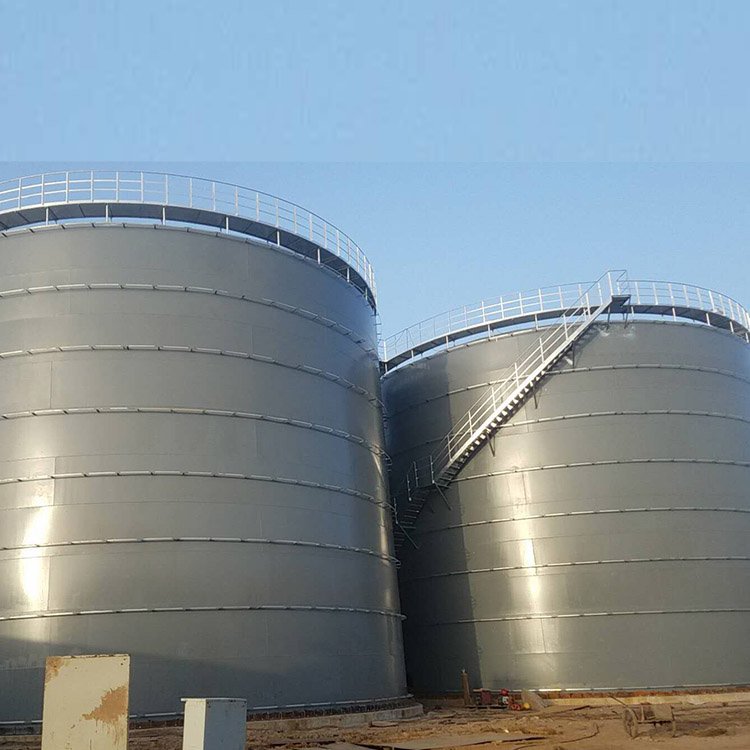
The scope of steel silo applications continues to expand, and customers' demand for steel silo quality is also increasing. However, we must also pay attention to key points throughout the application process, as details ultimately determine success, enabling us to successfully complete our tasks.
1. To prevent frequent malfunctions and reduce the service life when using steel plate silos, it's not only essential to ensure the silo's quality meets standards, but also to strictly adhere to reliable operational standards and schedule regular maintenance and equipment care for the silos.
2. As operational staff, it is mandatory to undergo a technical training for the operation system before handling steel plate silos. Only after passing the training can practical operation be conducted. This ensures that common malfunctions caused by improper operation are prevented, thereby safeguarding normal usage.
3. After the construction of the steel plate silo is completed, if materials need to be loaded into the silo, they can be loaded in stages. The initial loading should not exceed half of the designed storage capacity. Four weeks later, inspect the settlement of the silo foundation. Once the settlement is uniform, proceed with the second stage of loading, which should not exceed two-thirds of the total storage capacity. Two weeks after that, conduct the third stage of loading. Additionally, pay attention to the storage distribution within the silo during loading to prevent material level errors.
4. Do not randomly drill holes or increase load-bearing capacity in the steel silo walls. The silo body must not be connected or supported by the bucket elevator structure and its machinery and equipment. Within approximately 5 meters around the completed steel silo, excavation of the foundation pit and any activities that may affect it should not be carried out.
