
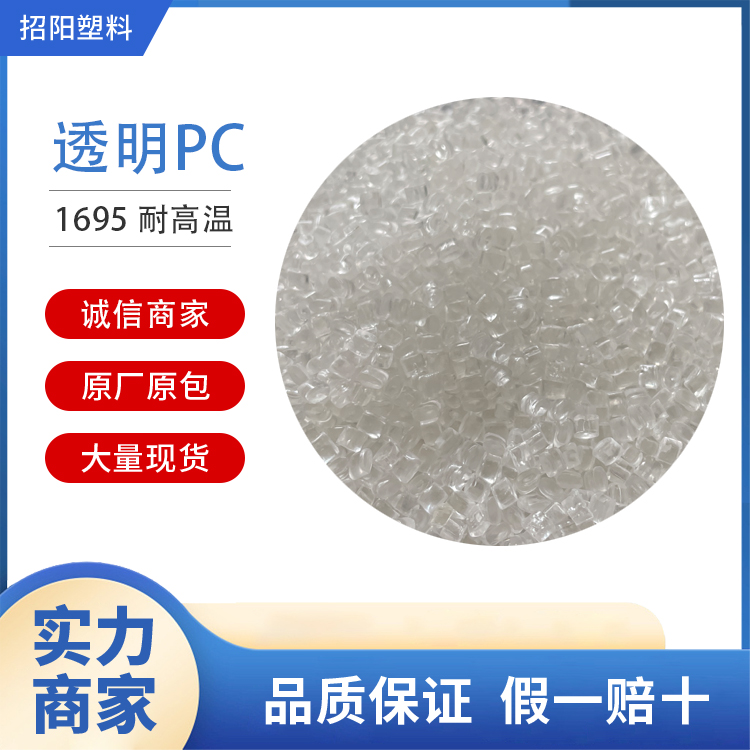
 Supply transparent PC1695 plastic granules, chemically resistant, oil resistant, high strength, lustrous, superior raw material
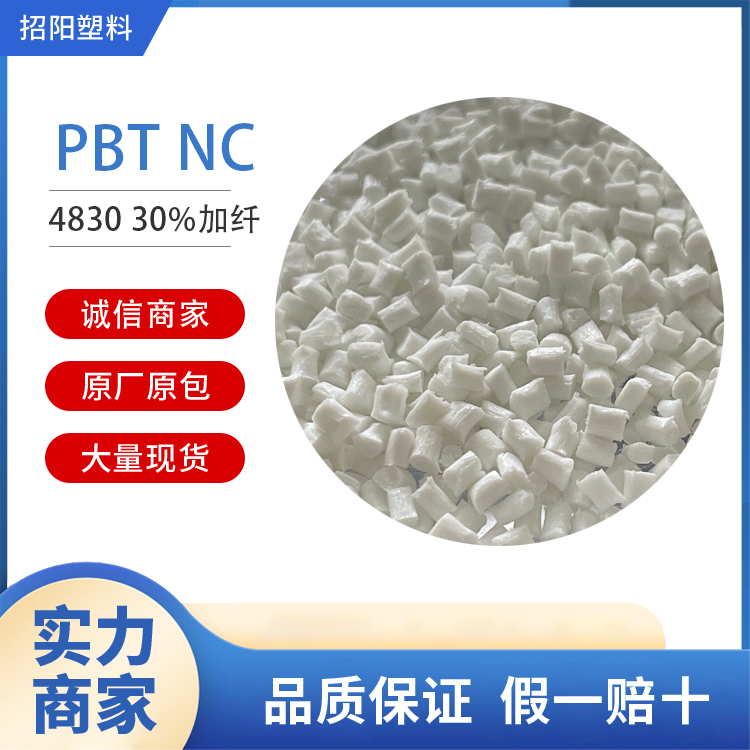 PBT virgin material, modified to enhance 30% fiber-reinforced hydrolysis and heat-resistant flame-retardant V0 plastic raw material
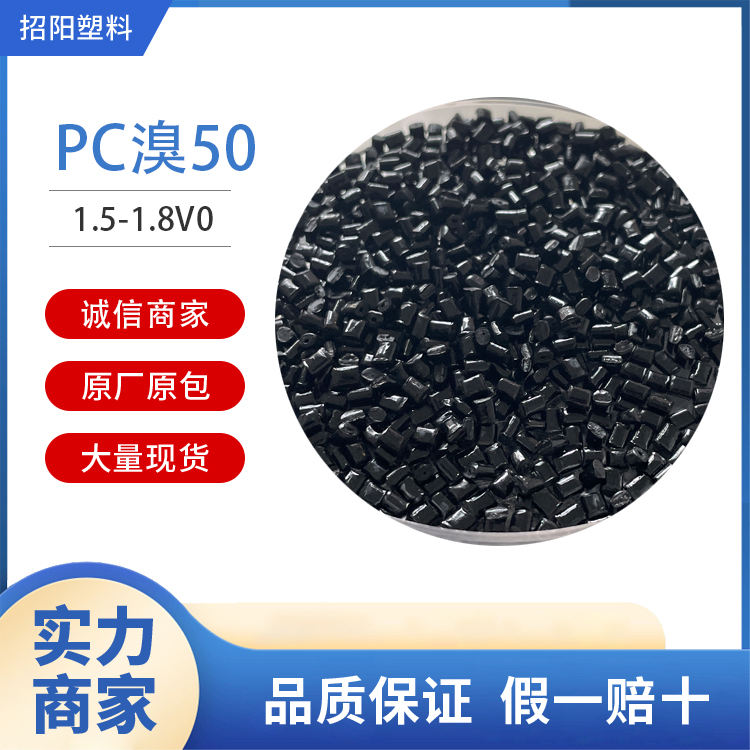 Factory-direct supply of PC glossy bromine 50 medium and high-end new energy battery frame materials, self-manufactured and self-sold
 Transparent blue底的PC resin, high flow injection grade, medium to high viscosity, general engineering plastic
Product Details

Engineering plastics, Special plastics, General plastics, Thermoplastic elast...
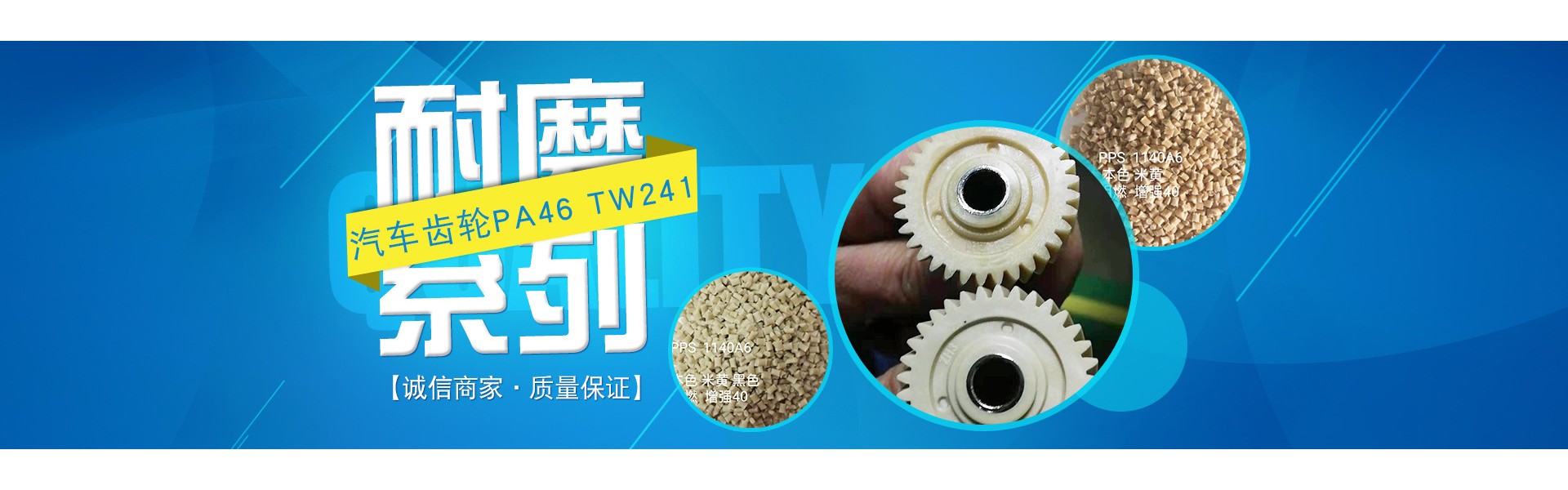
产品Price Negotiable
最小起订Quantity: 供货总Quantity:


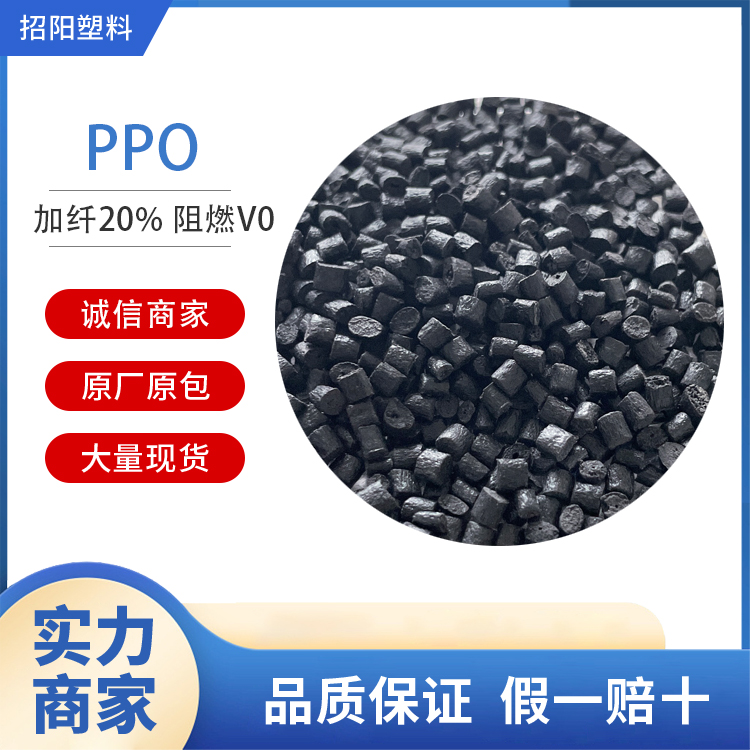 Factory PPO reinforced 20% fiber-reinforced flame-retardant V0 black new energy battery tray specialty
Negotiable
Factory PPO reinforced 20% fiber-reinforced flame-retardant V0 black new energy battery tray specialty
Negotiable
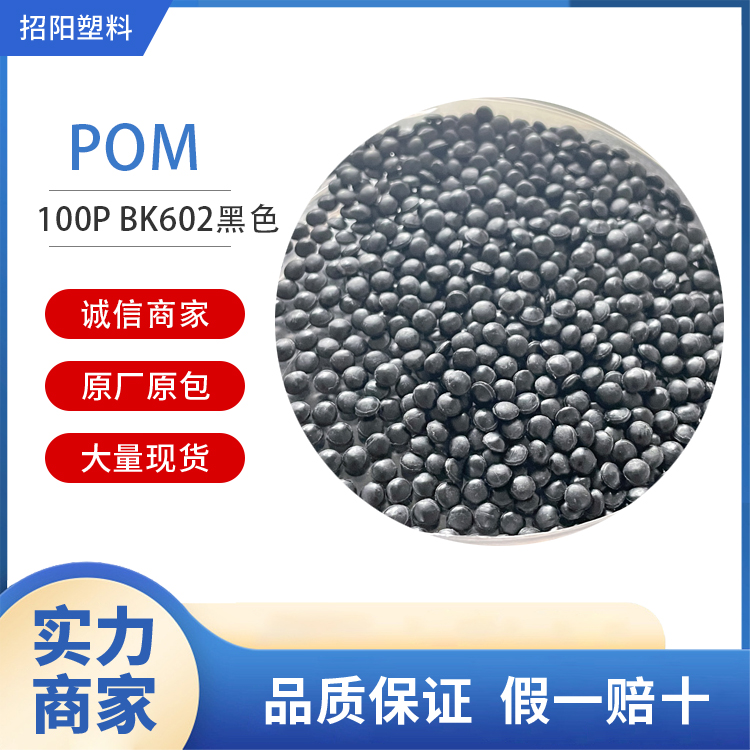 Black, ultra-abrasion-resistant, low-temperature plastic injection grade, high-rigidity modified plastic - POM100PBK602
Negotiable
Black, ultra-abrasion-resistant, low-temperature plastic injection grade, high-rigidity modified plastic - POM100PBK602
Negotiable
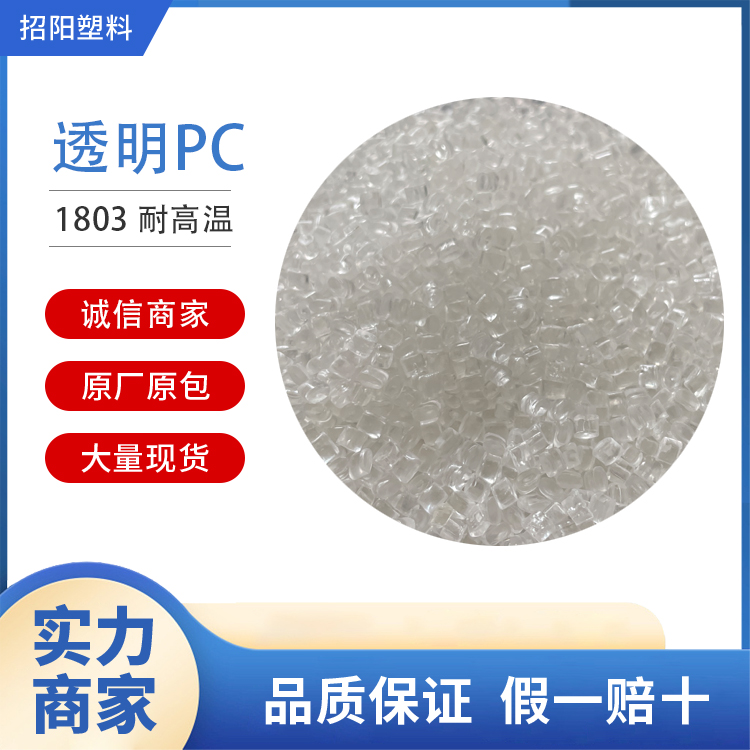 Factory-manufactured and self-distributed transparent PC plastic raw material, high-intensity blue and white bottom injection grade, high-temperature resistant granules
Negotiable
Factory-manufactured and self-distributed transparent PC plastic raw material, high-intensity blue and white bottom injection grade, high-temperature resistant granules
Negotiable
Product Name |
|
Item Number |
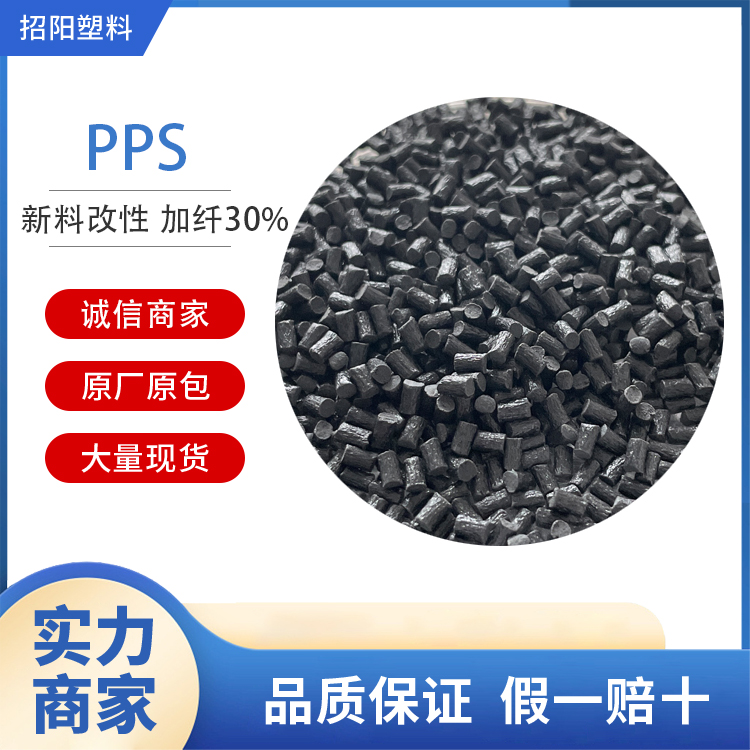
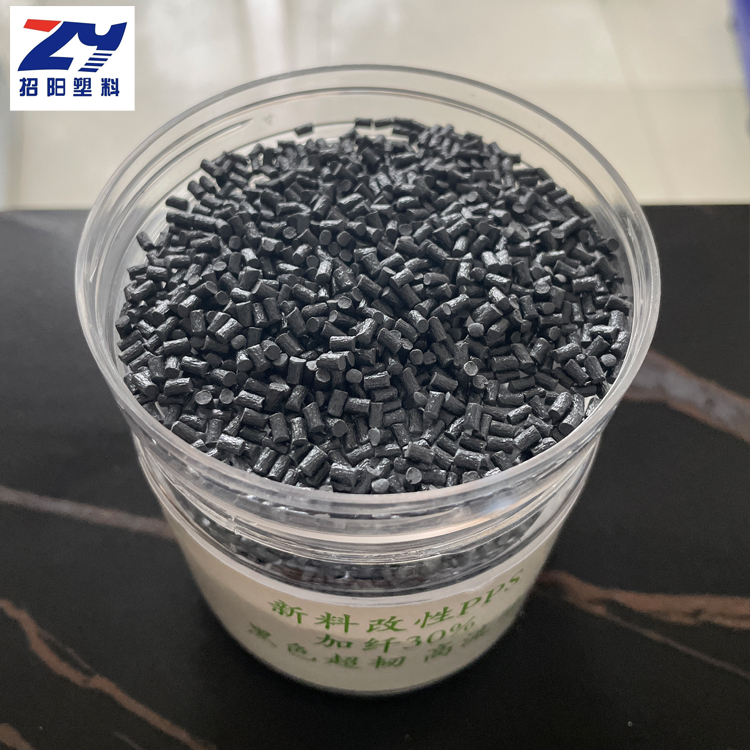
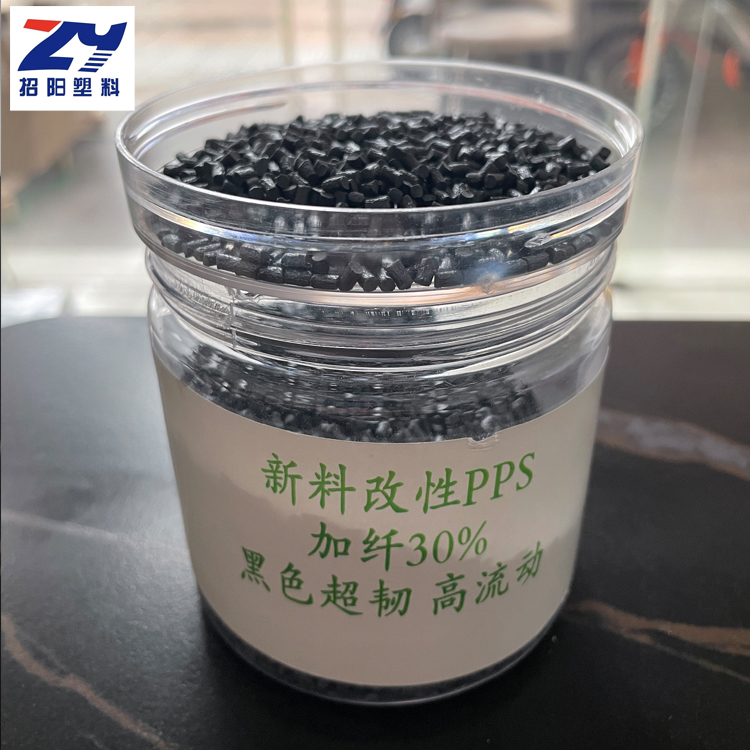
New Material Modified PPS |
Processing Level |
Injection grade |
【Features of PPS】 Excellent heat resistance; the heat deflection temperature is generally greater than 260 degrees Celsius, suitable for use in a temperature range of 180~220°C; PPS is one of the heat-resistant types of engineering plastics. Excellent corrosion resistance and chemical resistance, second only to its superior electrical properties; outstanding mechanical properties; good flame-retardant performance. Pure PPS is rarely used due to its brittleness, and the PPS used in applications is mostly modified varieties. Specific types include: 40% glass fiber reinforced PPS (R-4), inorganic filled PPS (R-8), carbon fiber reinforced PPS (G-6), etc. The development of PPS is fast, and it is predicted to become the sixth largest engineering material. (1) General Properties: PPS is a white, highly crystalline, hard and brittle polymer. The relative density of pure PPS is 1.3, but it increases after modification. PPS has a low water absorption rate, generally around 0.03%. PPS has excellent flame retardancy with an oxygen index of over 44%; compared to other plastics, it is a high flame retardant material (the oxygen index of pure PVA is 47%, PSF is 30%, PA66 is 29%, MPPO is 28%, PC is 25%). (2) Mechanical Properties: The mechanical properties of pure PPS are not high, particularly its impact strength is low. After glass fiber reinforcement, the impact strength is significantly improved, from 27J/M to 76J/M, a threefold increase: the tensile strength increases from 6MPa to 137MPa, doubling. PPS has a high rigidity, rarely seen in engineering materials. The flexural modulus of pure PPS can reach 3.8GPa, and it can reach 12.6GPa after inorganic filling modification, a fivefold increase. The PPO, known for its rigidity, has a flexural modulus of only 2.55GPa, and PC has only 2.1GPa. PPS has good creep resistance under load, high hardness, and high tensile strength, with a modulus of only 0.04G at 1000 RPM. Filling with F4 and molybdenum disulfide further improves its properties; PPS also has some self-lubricating properties. The mechanical properties of PPS are... Temperature sensitivity is low. (3): Thermal Properties: PPS boasts excellent thermal properties, with short-term resistance up to 260°C and long-term use at 200~240°C; its durability is comparable to PI, second only to F4 plastic, which is quite rare even among thermosetting plastics. (4): Electrical Properties: PPS's electrical performance stands out, with lower dielectric constant and dielectric loss tangent compared to other engineering materials. It also shows minimal variation in a wide range of frequencies and temperatures. PPS has good arc resistance, comparable to thermosetting plastics. It is commonly used in electrical insulation materials, which is also rare among thermosetting materials, accounting for about 30% of the usage.

Phone Consultation