

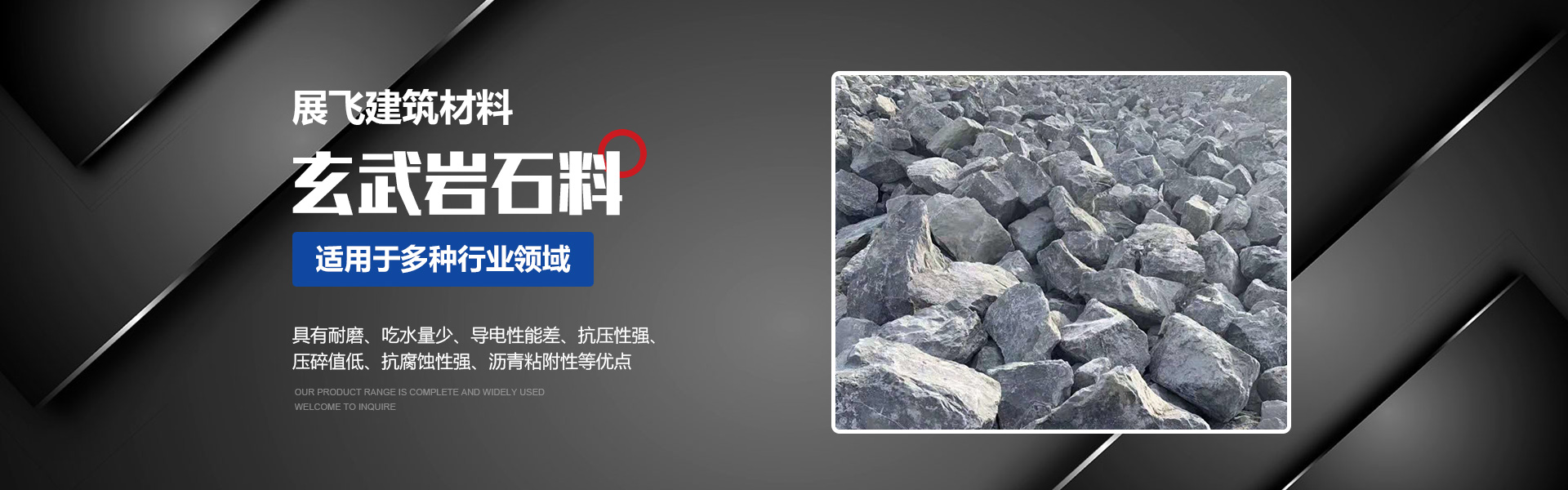

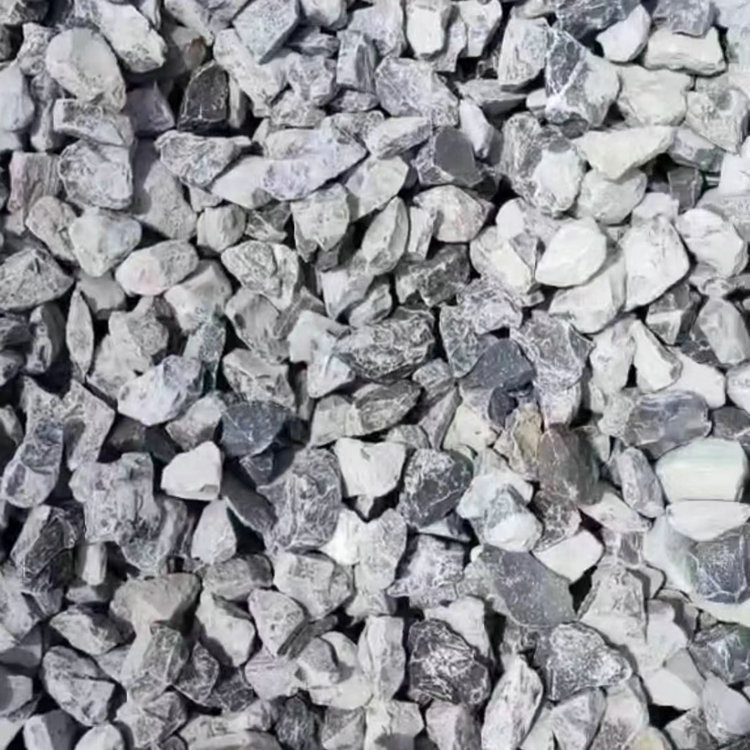


Quartzite, also known as limestone, is the stone referred to in the poem "A Thousand Hammers and Ten Thousand Chisels from the Deep Mountains." Quartzite is quarried and cut into slabs by stonemasons, widely used for dining table tops in living rooms, or as countertops in cabinets. Compared to natural marble, the advantage of quartzite lies in its primary component, calcium carbonate, which is non-radioactive. Therefore, it is considered a green product for daily home furniture, and is more favored by modern people.
Limestone is a raw material for lime. In addition to lime, limestone is also quarried into gravel and coarse sand at stone factories. Gravel is used as an ingredient in cement, while coarse sand is in demand for building construction.
Quartzite is primarily used for crushing a variety of hard stone materials, such as cobblestone, pebble stone, granite, limestone, marble, and large blue stone. It is extensively applied in multiple fields, including expressways, high-speed railways, rural roads, and construction sand. Quartzite is an ideal material for the construction industry.
Limestone gravel primarily forms in shallow marine environments. Limestone can be categorized into detrital limestone (transported by running water and deposited), skeletal limestone, and chemical or biochemical limestone based on its formation. Structurally, it can be further divided into bamboo leaf limestone, mass limestone, and nodular limestone, among others. The main chemical component of limestone is CaCO3, which is easily eroded, thus leading to the formation of karst landscapes such as limestone forests and caves. Limestone is the primary raw material for producing lime and cement, and it serves as a flux in iron and steel smelting.
Limestone is widely distributed, uniform in rock properties, easy to mine and process, and is a versatile building material.
