


- AllProduct Category
-
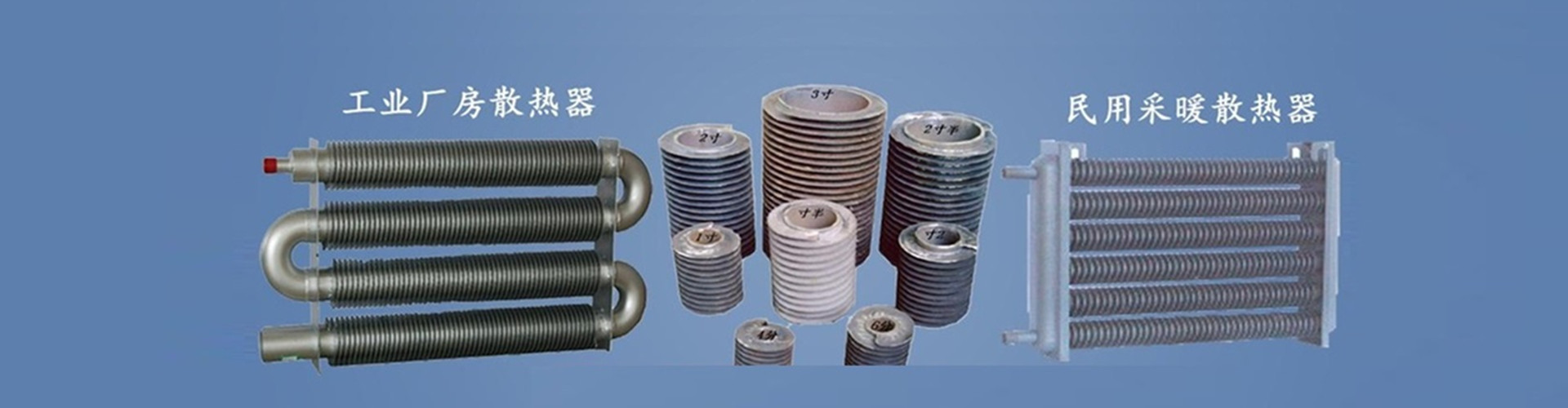
Finned Tube Heat Exchangers
Finned Tube Radiator
High-frequency Welded Finned Tube
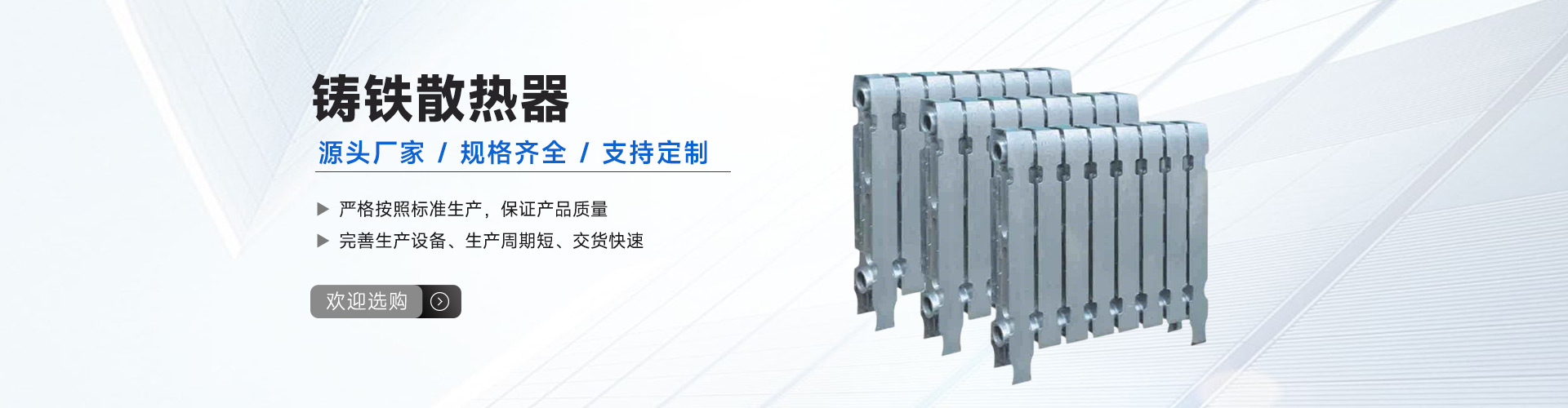
Cast Iron Radiators
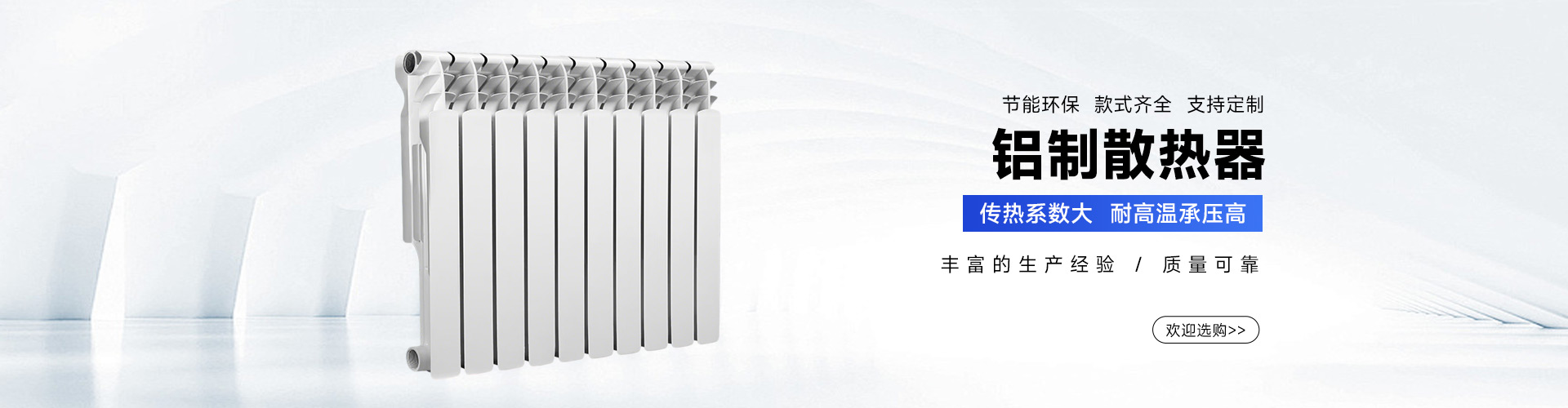
Aluminum Radiators
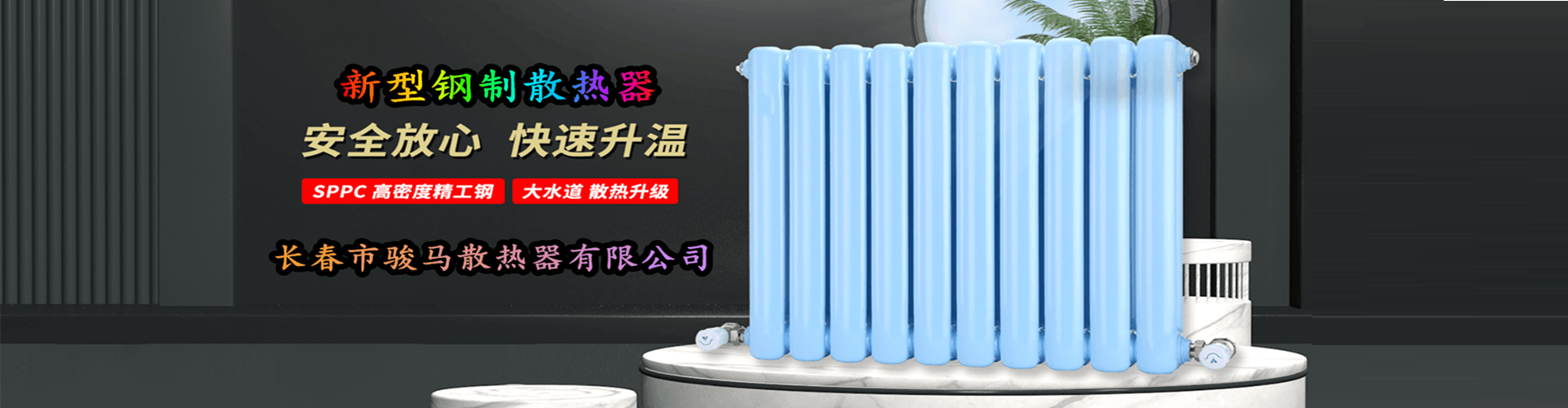
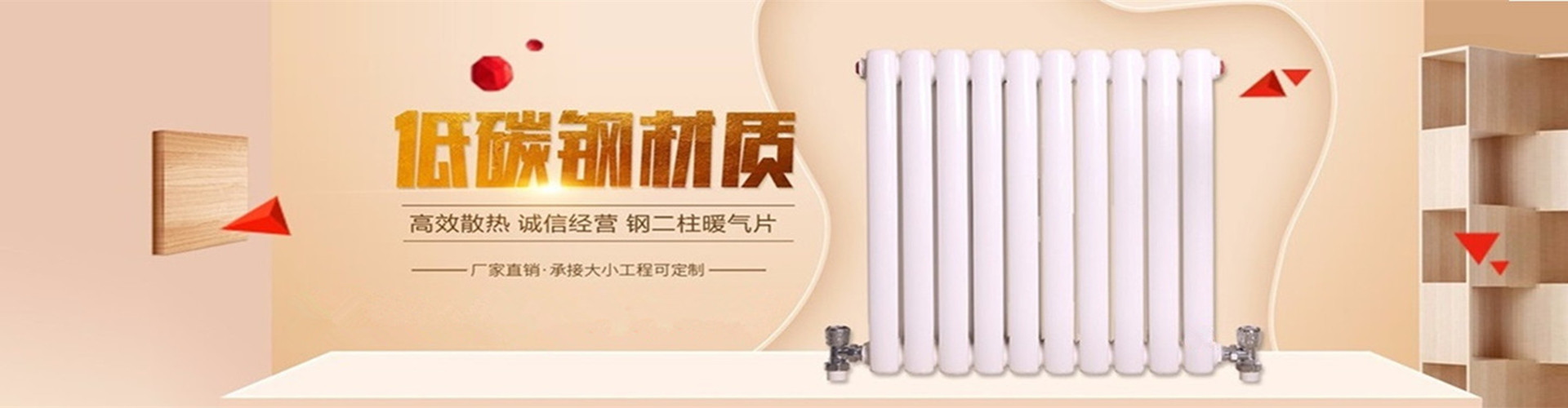
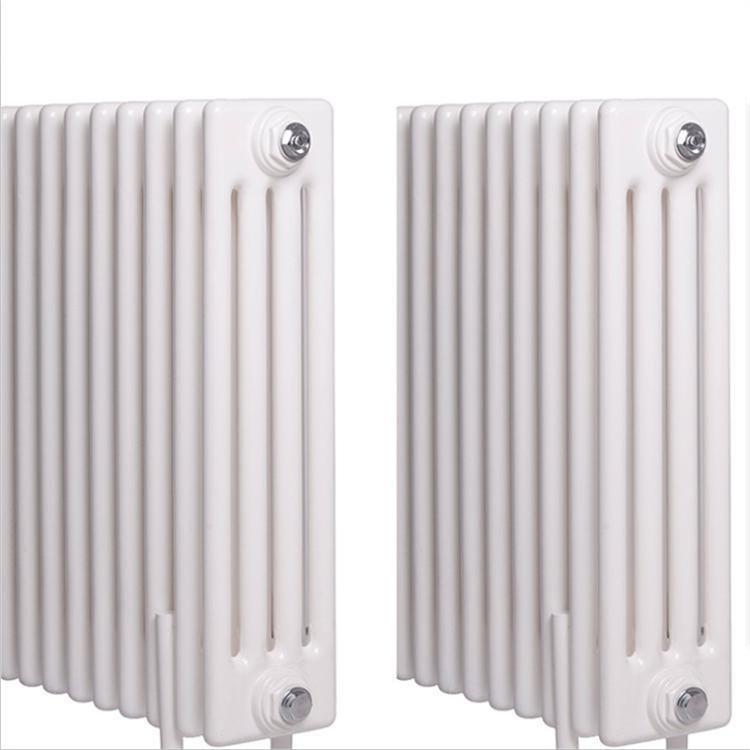
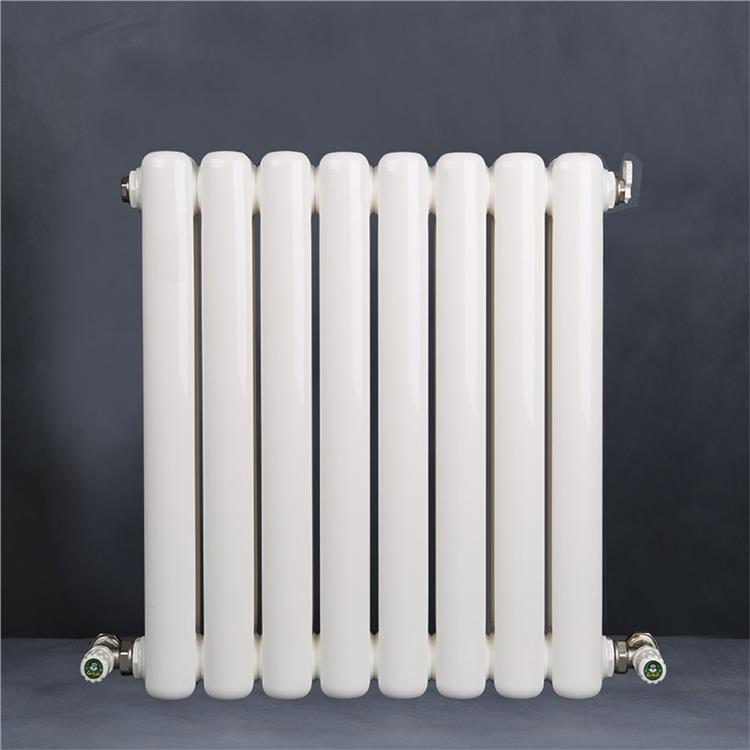
Steel Radiator


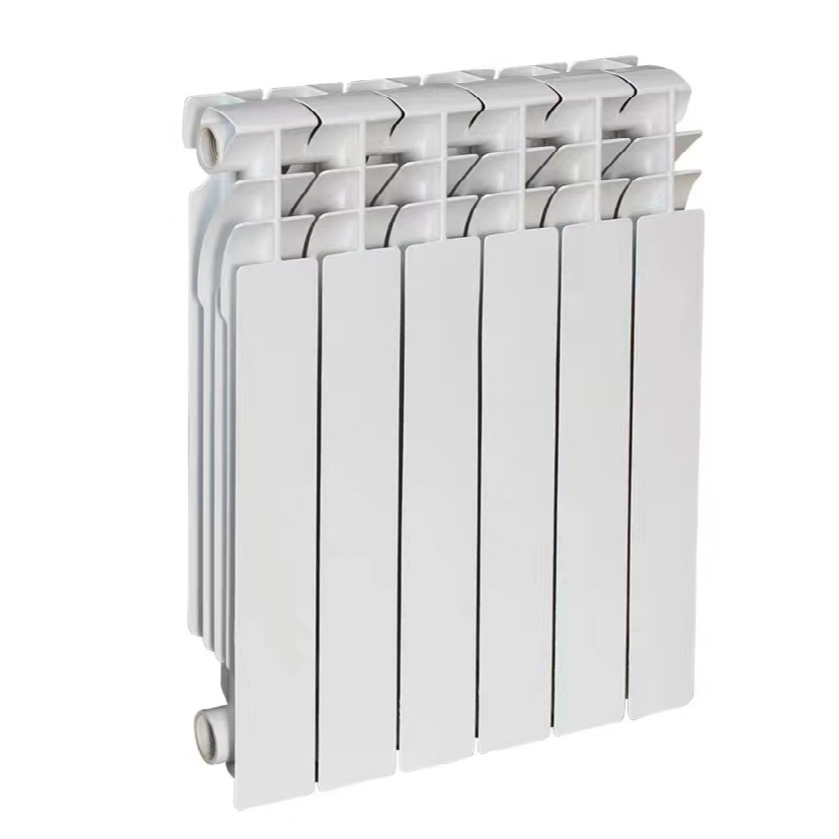
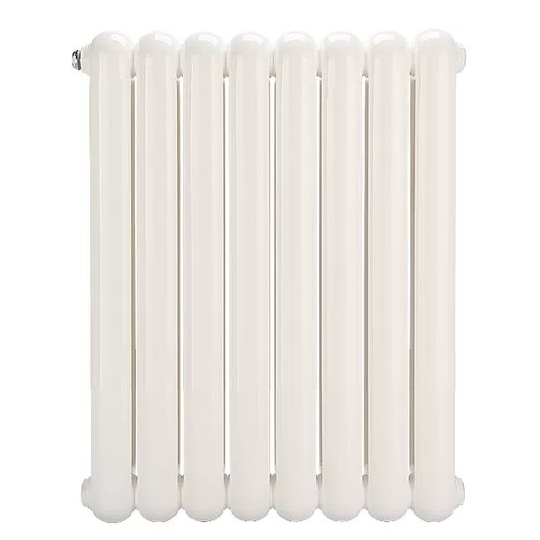
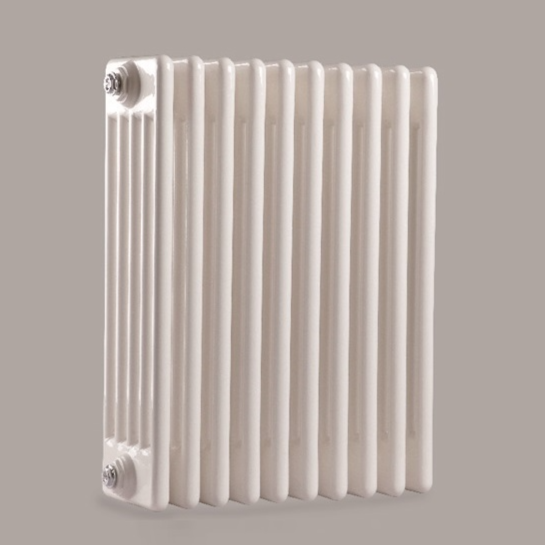
详情描述
Steel radiators are a common heating device, widely used in residential, commercial buildings, and industrial sites. Their core function is to transfer heat to indoor spaces through the circulation of hot water or steam, thereby raising the ambient temperature. The following are the main application scenarios and features of steel radiators:
1. Residential Heating: Steel radiators are widely used in homes, especially in centralized heating systems. They are versatile in installation, can be placed under windows or on walls, effectively blocking cold air and increasing room temperature.
2. Commercial Spaces: Steel radiators are commonly used in office buildings, schools, and other public areas. Their durability and heat dissipation capabilities are suitable for high-traffic environments, and their sleek design makes them easy to clean and maintain.
3. Industrial Use: Steel radiators are suitable for large space heating needs in factories or warehouses. Some models can withstand high pressure, making them ideal for industrial environments.
4. Retrofit Projects: Steel radiators are suitable for upgrading heating systems in old buildings due to their lightweight nature and compatibility, without the need for significant adjustments to existing piping.
Advantages of steel radiators include high heat dissipation efficiency, low cost, strong pressure resistance, and modern designs that also cater to aesthetics. However, be mindful of water quality requirements to prevent corrosion caused by acidic or high-oxygen water. It is recommended to keep the radiators filled with water during the non-heating season to extend their lifespan. When selecting, match the model to the room size, heat load, and decoration style.
A steel radiator is a common heating device featuring the following characteristics:
High heat dissipation efficiency: Steel radiators have excellent thermal conductivity, capable of quickly transferring heat to the indoor space, enhancing heating performance.
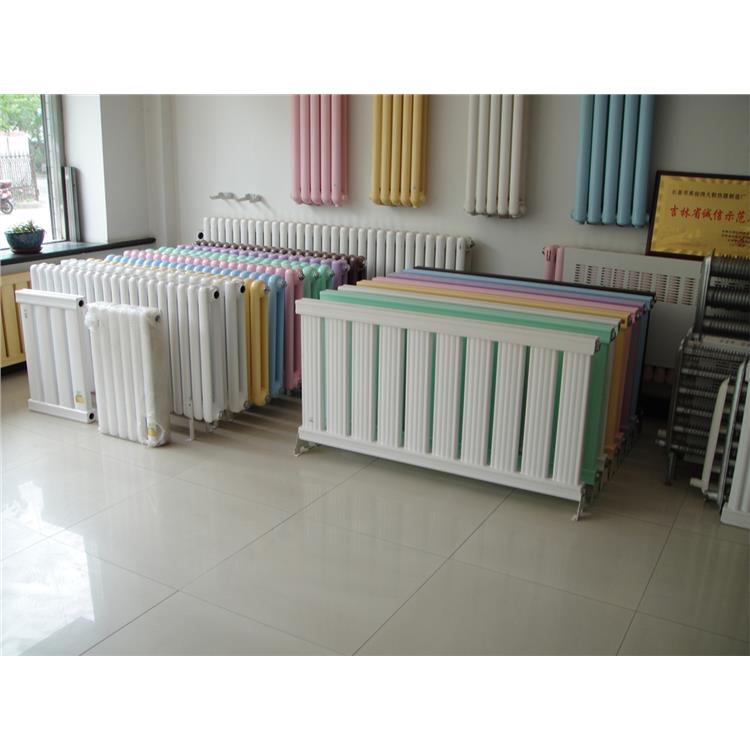
2. Aesthetically Pleasing: Steel radiators are typically designed with a simple and elegant style, and their surfaces are treated for a finish that complements indoor decor.
3. High pressure resistance: The steel has high strength and can withstand higher water pressure, suitable for centralized heating systems.
4. Long Service Life: The steel has good corrosion resistance and its lifespan is extended after anti-corrosion treatment.
5. Easy to Clean: Smooth and flat surface, resists dust, and simple to clean and maintain daily.
6. Reasonably Priced: Compared to materials like copper-aluminum alloys, steel radiators offer a more economical and cost-effective option.
7. Lighter Weight: Steel radiators are lighter than cast iron radiators, making installation easier.
8. Variety of Styles: A wide range of shapes and sizes is available in the market, catering to different space requirements.
9. Eco-friendly & Energy-saving: The steel is recyclable and has high thermal efficiency, contributing to energy conservation.
10. Versatile: Suitable for heating systems, such as water heating and steam heating.
Be mindful that steel radiators require full water maintenance during non-heating seasons to prevent internal oxidation. When purchasing, pay attention to selecting authorized brands and suitable models.

Steel radiators are a common heating appliance, primarily used for warming homes, offices, and other indoor spaces. They offer functionalities such as:
Provide Heat: Heat is transferred to the room and raises the ambient temperature by circulating hot water or steam through the interior of the radiator.
2. Even Heat Distribution: The design of the steel radiator ensures even heat distribution, preventing localized overheating or uneven temperatures.
3. Durable: The steel has high strength and corrosion resistance, suitable for long-term use.
4. Versatile: Suitable for various heating systems, such as centralized heating or vertical boiler systems.
5. Aesthetics: Modern steel radiator designs are diverse and can harmonize with the interior decor style.
6. Energy-saving and environmental protection: The excellent heat dissipation performance contributes to reduced energy consumption and lower heating costs.
7. Easy Maintenance: Simple structure makes cleaning and maintenance relatively easy.
8. Quick Response: Capable of responding swiftly to temperature changes and regulating indoor temperature.
These features make steel radiators one of the widely-used heating solutions.

Column steel radiator is a common heating equipment, mainly used to heat indoor air and raise room temperature through the circulation of hot water. Its functions include:
1. Radiant Heating: Radiators transfer heat to the metal surface through the circulation of hot water inside, then dissipate the heat into the room via convection, achieving the heating effect.
2. Temperature Adjustment: Radiators are typically equipped with thermostatic valves, which can manually or automatically adjust the flow of hot water, controlling the amount of heat dissipation to regulate the indoor temperature.
3. Energy-saving and Environmental Protection: The modern column steel radiator design is rational, with high heat dissipation efficiency, effectively utilizing heat energy, reducing energy waste, and meeting energy-saving and environmental protection requirements.
4. Durable: The column steel radiator is made of steel, offering high strength and corrosion resistance, ensuring a long service life.
Aesthetic Decoration: Radiator designs are varied, allowing for coordination with interior decoration styles and serving as a certain decorative function.
6. Flexible Installation: Radiators can be assembled according to room size and heating requirements, accommodating various spatial layouts.
7. Easy Maintenance: The radiator structure is simple, making cleaning and maintenance relatively easy for daily upkeep.
These features make the column steel radiator widely used in homes, offices, and other locations.

Column steel radiators are a common heating device featuring the following characteristics:
1. Excellent Heat Dissipation: The column steel radiator employs a multi-column design, which increases the surface area for heat dissipation, allowing for quick and even heat distribution to raise the indoor temperature.
2. High Pressure Resistance: The steel has high strength and pressure resistance, making the column steel radiator capable of withstanding high water pressure, suitable for use in centralized heating systems.
High durability: Steel is resistant to corrosion and oxidation, boasts a long service life, and is not prone to deformation or damage.
4. Sleek Appearance: The column steel radiator features a simple design with smooth lines, fitting various decoration styles and easily coordinating with the indoor environment.
5. Easy Installation: The column steel radiator is of moderate weight, easy to install, and can be hung on the wall or placed on the floor, accommodating various space requirements.
6. Reasonably Priced: Compared to products like copper-aluminum composite radiators, column steel radiators offer a more economical and affordable price.
7. Easy Maintenance: Smooth surface for easy cleaning, with minimal daily maintenance effort.
8. Versatile Application: Suitable for homes, offices, schools, and various other locations, especially ideal for northern regions with centralized heating systems.
Note that column steel radiators may rust in humid environments and require regular inspection and maintenance.
Steel radiators are suitable for various scenarios; the following are their main application situations:
1. Central Heating System: Steel radiators are suitable for residential, office, and school buildings in centralized heating systems, capable of withstanding high water pressure and temperatures.
2. Residential heating systems: Suitable for self-installed gas wall-mounted boilers or electric boilers in homes, offering excellent heat dissipation and rapid temperature rise.
3. Commercial Spaces: For public areas requiring stable heating, such as malls, hotels, and restaurants, steel radiators are durable and easy to maintain.
4. High-Rise Buildings: Due to the strong pressure-bearing capacity of steel radiators, they are suitable for the heating needs of high-rise buildings.
5. Dry Regions: Steel radiators offer high heat dissipation efficiency, ideal for areas with dry climates and a need for rapid temperature rise.
6. Budget-Constrained Projects: Steel radiators offer a more economical price point compared to other materials, making them suitable for renovation or retrofit projects with limited budgets.
7. Spaces requiring aesthetic design: Modern steel radiator designs are diverse and can be matched with interior decoration styles, meeting aesthetic requirements.
Note: In humid or corrosive environments (such as coastal areas), select corrosion-resistant steel radiators or take additional protective measures.


