



- AllProduct Category
-
Finned Tube Heat Exchangers
Finned Tube Radiator
High-frequency Welded Finned Tube
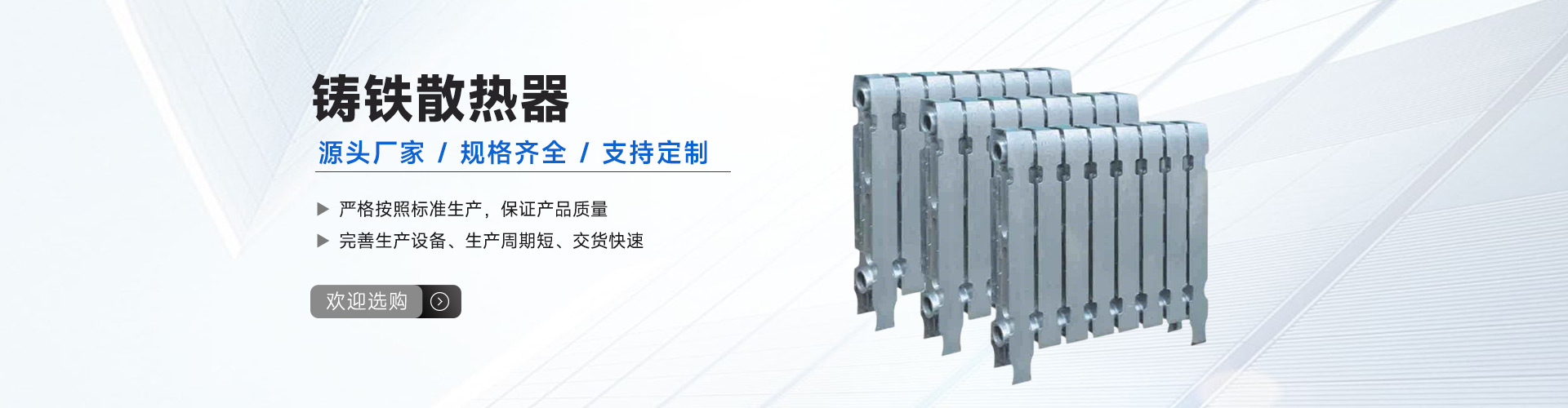
Cast Iron Radiators
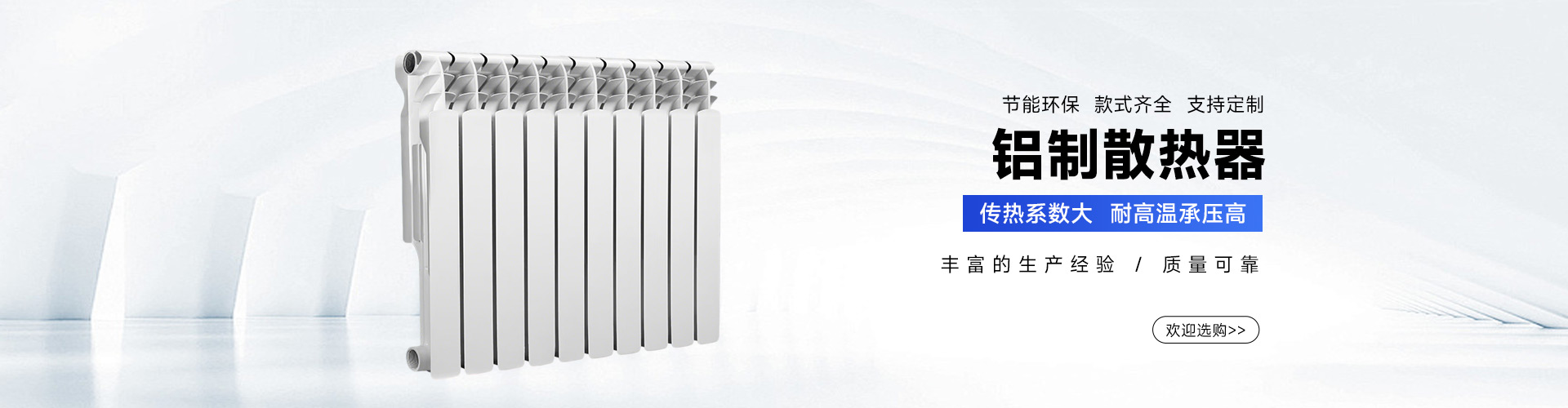
Aluminum Radiators
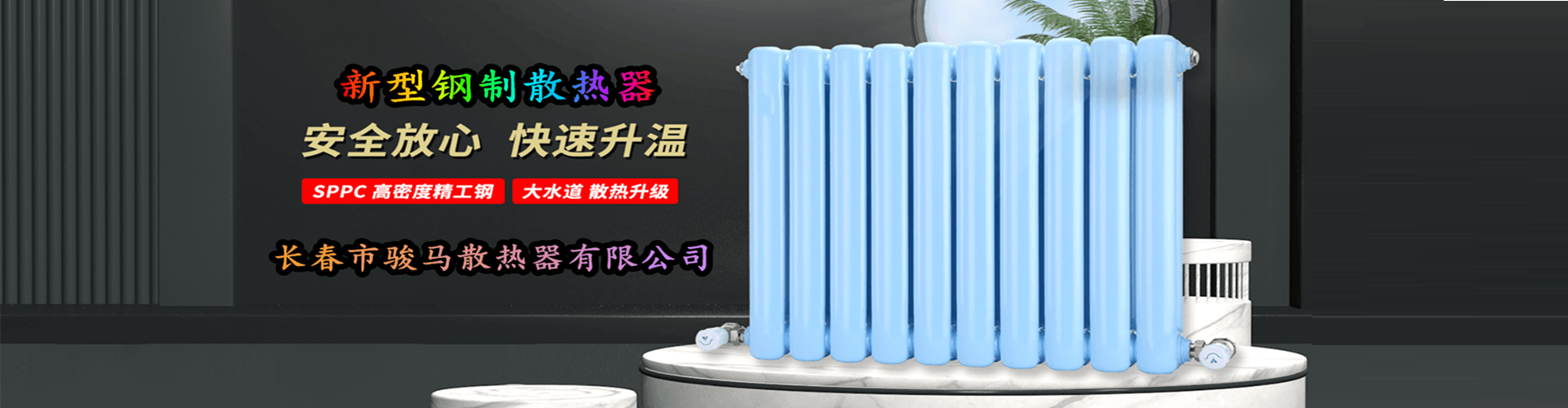
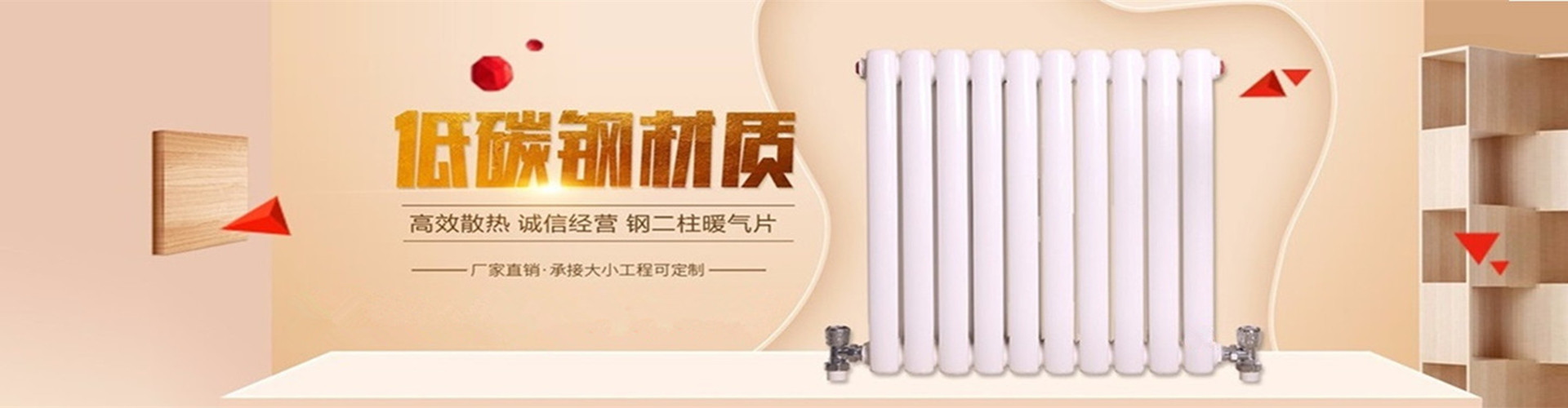
Steel Radiator


详情描述
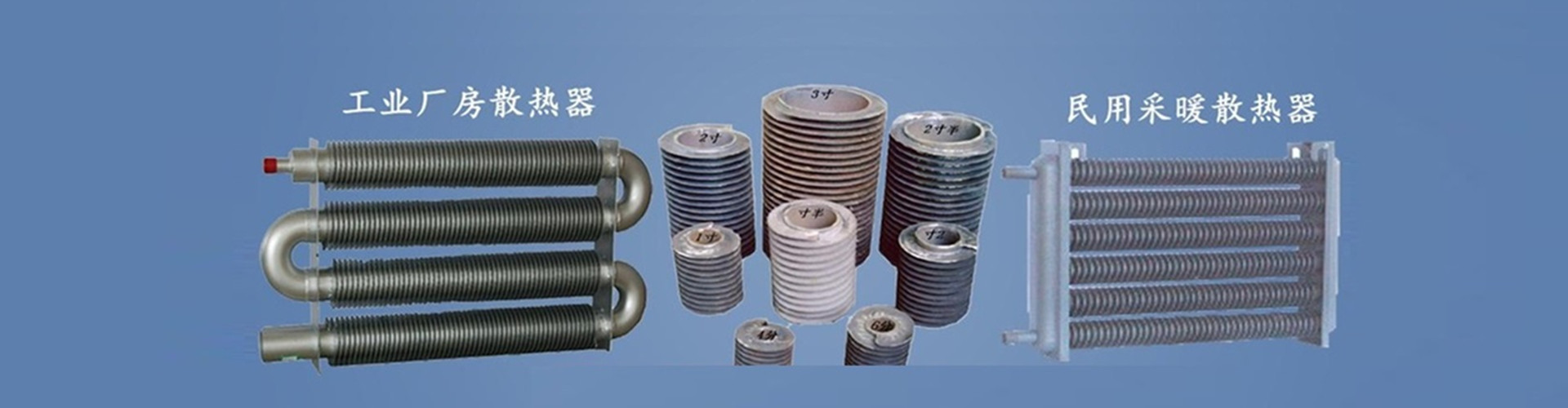
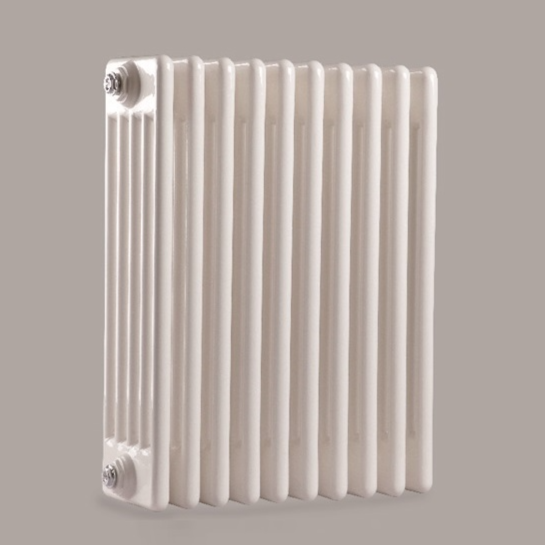
Finned tube radiators are a type of heating equipment widely used in various scenarios. Their core feature is to increase the surface area for heat dissipation by adding fins, thereby enhancing the heat exchange efficiency. The following are their main application areas:
1. Industrial Sector: In large spaces like factories and workshops, finned tube radiators can quickly provide stable heat, meeting high load requirements. For example, they are commonly used in industries such as chemicals and food processing to maintain production environment temperatures or dry materials.
2. Agricultural Greenhouses: Designed for heating large greenhouses, even heat distribution facilitates plant growth, especially in winter, effectively preventing low-temperature frost damage.
3. Commercial Buildings: Spaces like shopping malls, warehouses, and gymnasiums are spacious, where finned tube radiators can achieve rapid heating with lower operating costs.
4. Residential Heating: This type of radiator is commonly used in some homes or apartments, particularly suitable for centralized heating systems due to its high-pressure resistance and long lifespan.
5. Special Environments: For locations requiring temperature control, such as drying rooms and farms, the anti-corrosion models of finned tubes (such as galvanized, stainless steel) can withstand humid or corrosive conditions.
When selecting, consider factors such as pipe material (steel, copper, aluminum), fin spacing, and working pressure to ensure they meet actual needs. Its advantages include fast heat dissipation and energy saving, but regular cleaning of the fin gaps to maintain efficiency is required.
A cold-wound finned tube is a device used to enhance heat transfer efficiency, primarily for heat exchange equipment. Its functions include:
1. Increase Heat Transfer Area: Finned tubes significantly enhance contact area with surrounding media by wrapping or welding fins to the base tube surface, thereby improving heat transfer efficiency.
2. Enhanced Heat Transfer Efficiency: The fin design promotes fluid turbulence, reduces thermal resistance, and accelerates heat transfer speed, suitable for heat exchange scenarios involving gases or low thermal conductivity media.
3. Space and Material Savings: The finned tube occupies less space and reduces metal material usage compared to a standard smooth tube, under the same heat transfer requirements.
4. Suitable for Special Environments: Often used in air coolers, air conditioning condensers, industrial waste heat recovery, etc., particularly suitable for situations with significant differences in heat transfer coefficients between two media (e.g., gas-liquid).
5. Anti-scale and Corrosion-Resistant: Some designs facilitate dirt accumulation through fin structures or use anti-corrosion materials to extend service life.
Its core is to address inefficient heat transfer issues through physical structure optimization, and is widely used in chemical, power, and refrigeration fields.

Finned heat exchangers are devices designed to enhance heat transfer efficiency, primarily by increasing the heat exchange surface area. Specifically, fins are added to the outer or inner surface of the base heat exchange tubes, significantly expanding the heat transfer area, allowing heat to be rapidly transferred between fluids.
Finned heat exchangers are widely used in industries such as air conditioning, refrigeration, chemicals, power, and automotive. For instance, in air conditioning systems, they are used in condensers and evaporators to facilitate heat exchange between the refrigerant and air; in automotive radiators, they assist in cooling the engine's circulating water.
The design of the fins also improves the fluid flow characteristics, reduces thermal resistance, and further enhances heat exchange performance. Overall, the finned heat exchanger achieves compact heat exchange through structural optimization, meeting the varying industrial scenarios' requirements for heat transfer efficiency.

A laser-welded finned tube is a type of heat exchange element featuring the following characteristics:
1. High welding quality: Laser welding concentrates energy, resulting in a small heat-affected area, high weld strength, and reduced risk of cracks or pores, ensuring a firm bond between fins and the base pipe.
2. Heat Transfer Efficiency: The fins are metallurgically bonded to the base tube, resulting in low contact thermal resistance and heat transfer performance achieved through mechanical expansion or welding methods.
3. Compact Structure: Laser welding allows for high-density fin arrangements (fin spacing as small as 2mm), resulting in a large heat exchange area per unit volume, and offers a significant advantage in equipment miniaturization.
4. High Temperature and Pressure Resistance: Welded joint strength is close to the base material, capable of withstanding higher working pressure and temperature (usually above 600°C).
5. Versatile Material Compatibility: Weldable with a variety of materials including stainless steel, carbon steel, titanium alloys, and even mixed metal combinations.
6. Long service life: No contact stress corrosion issues, good vibration fatigue resistance, suitable for harsh operating conditions.
High Cleanliness: Welding process leaves no slag, surface is smooth and dust-resistant, with low maintenance costs.
8. Production Flexibility: Welding parameters can be quickly adjusted through programming to accommodate various tube diameters (Φ10-200mm) and fin shapes.
Typical applications include high-temperature and high-pressure scenarios such as waste heat boilers, petrochemical heating furnaces, and nuclear power heat exchangers. The main drawback is the relatively high initial equipment investment and the stringent requirements for assembly precision prior to welding.

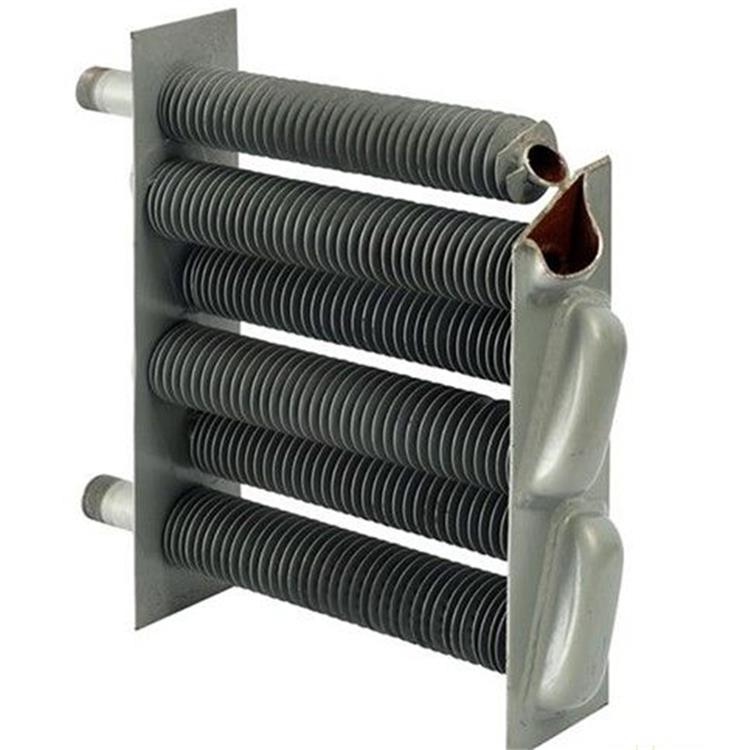
Fin-tube radiators are a common type of heat dissipation equipment, featuring the following characteristics:
1. Heat Dissipation: Finned tubes significantly enhance heat dissipation efficiency by increasing the surface area, suitable for applications requiring rapid heat dissipation.
2. Compact Structure: The finned tube design is compact, occupying minimal space, ideal for installation in limited areas.
3. Material Variety: Finned tubes are available in a variety of materials, including copper, aluminum, and steel, to accommodate different environmental and medium requirements.
4. Strong Corrosion Resistance: Some finned tubes are treated with special processes such as plating or coating, offering excellent corrosion resistance and suitable for harsh environments.
5. Wide Application Range: Finned tube radiators are suitable for various industries such as air conditioning, refrigeration, chemical, and power, meeting the heat dissipation requirements of different fields.
6. Easy Maintenance: The finned tube structure is simple, making cleaning and maintenance convenient, and ensuring a long service life.
7. Energy-saving & Environmental Protection: The heat dissipation design helps to reduce energy consumption, meeting energy-saving and environmental protection requirements.
8. Flexible Installation: Finned tube radiators can be customized according to actual needs, offering various flexible installation methods.
These features make finned tube radiators widely used in both industrial and residential applications.
Finned tube radiators have a wide range of applications, mainly including the following aspects:
1. Industrial Field: Used in heating, cooling, and condensation processes in industries such as chemicals, petroleum, electricity, and metallurgy, suitable for heat exchange in industrial equipment and pipelines.
2. HVAC: As a heat dissipation component in central air conditioning and heating systems, used for adjusting indoor temperature and enhancing thermal efficiency.
3. Refrigeration Equipment: Condensers and evaporators for refrigeration systems in cold storage, refrigerated trucks, and refrigeration units, enhancing heat dissipation.
4. Machinery and Equipment: Used for cooling internal combustion engines, compressors, hydraulic systems, and other machinery to prevent overheating.
5. New Energy Field: Serve as heat exchange components in new energy systems such as solar and geothermal energy, enhancing energy utilization efficiency.
6. Transportation: Radiating systems for vehicles such as cars, trains, and ships, ensuring the normal operation of power equipment.
7. Electronic Appliances: Used for heat dissipation in electronic devices such as servers, inverters, and power supplies, ensuring stable operation of the equipment.
8. Agricultural Sector: Temperature regulation for agricultural facilities such as greenhouses and drying equipment, enhancing production efficiency.
Finned tube radiators are widely used in the aforementioned fields due to their excellent heat dissipation, compact structure, and versatility.


