


- AllProduct Category
-
Finned Tube Heat Exchangers
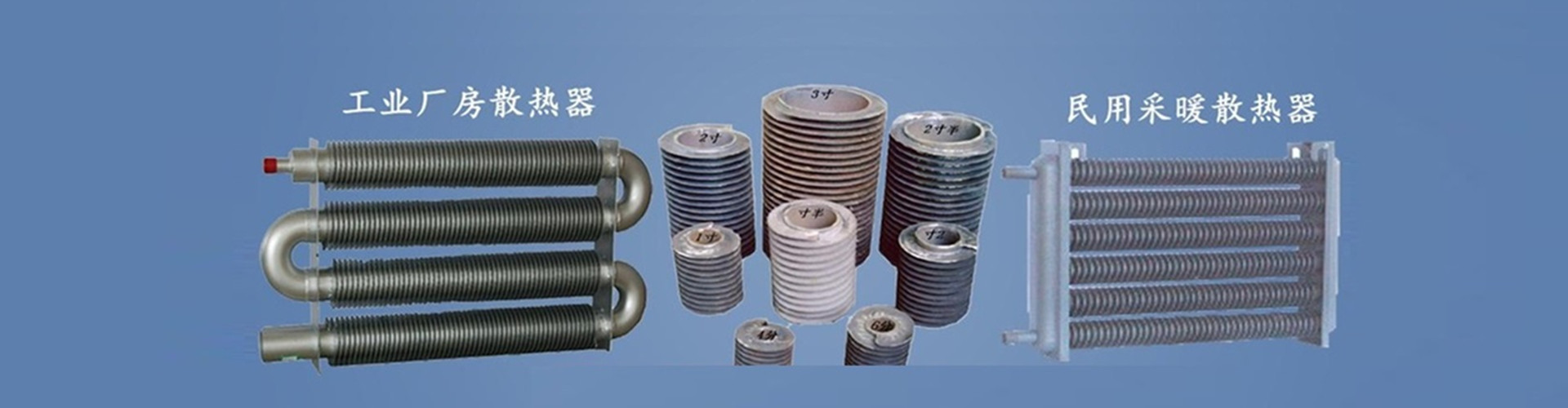
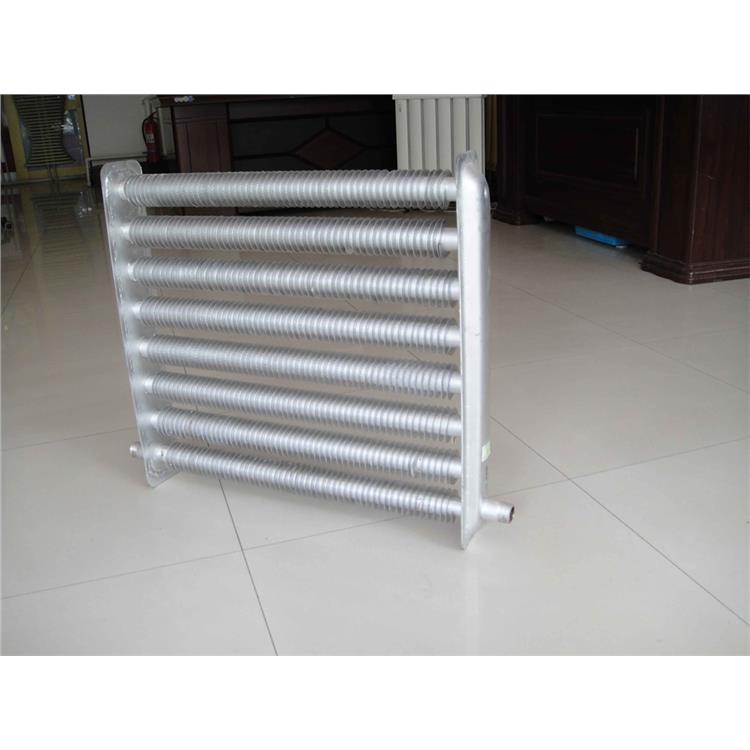
Finned Tube Radiator
High-frequency Welded Finned Tube
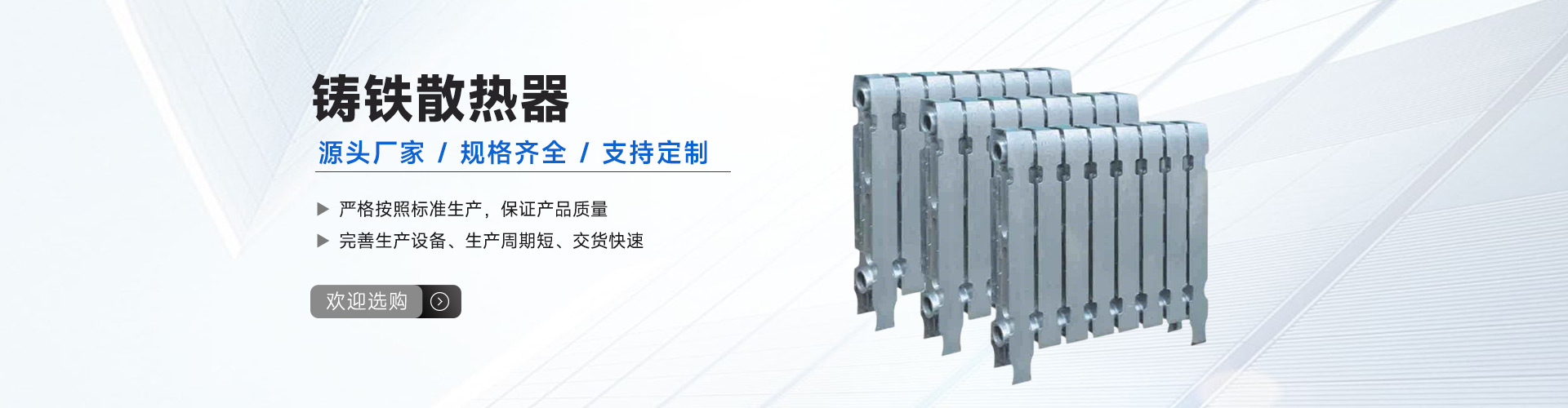
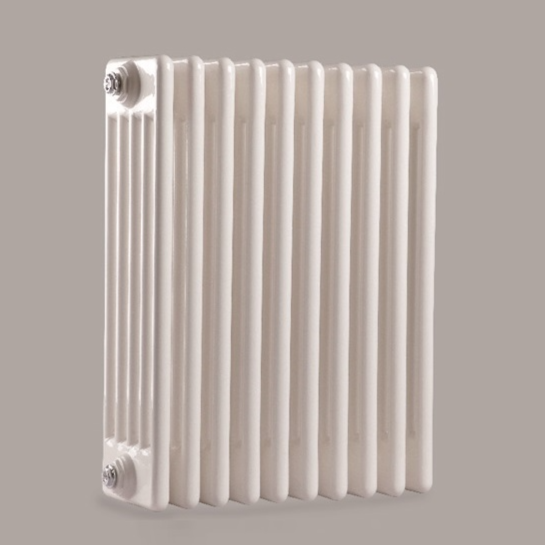
Cast Iron Radiators
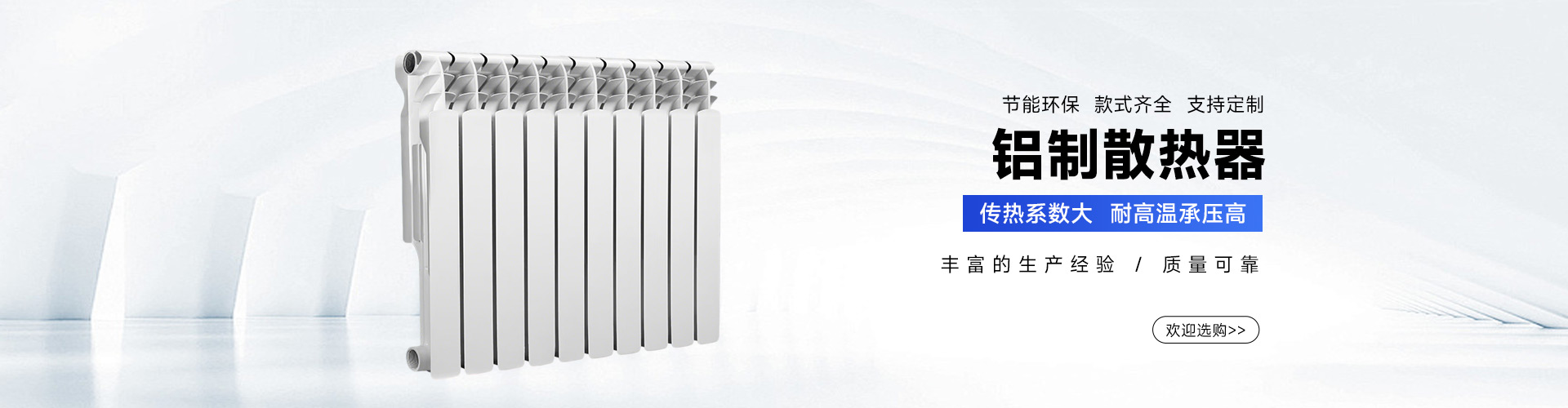
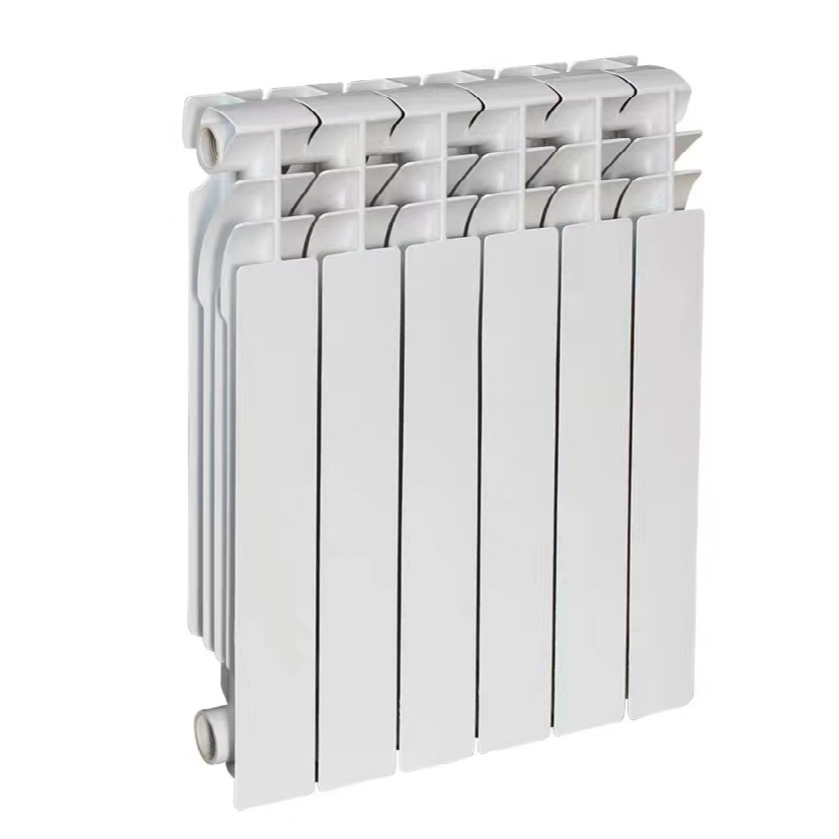
Aluminum Radiators
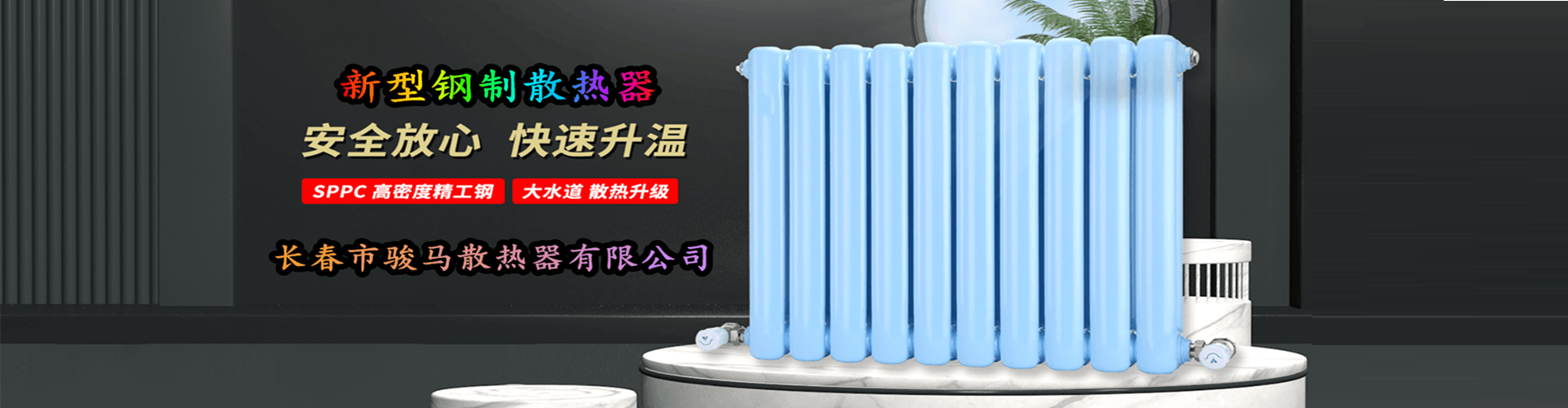
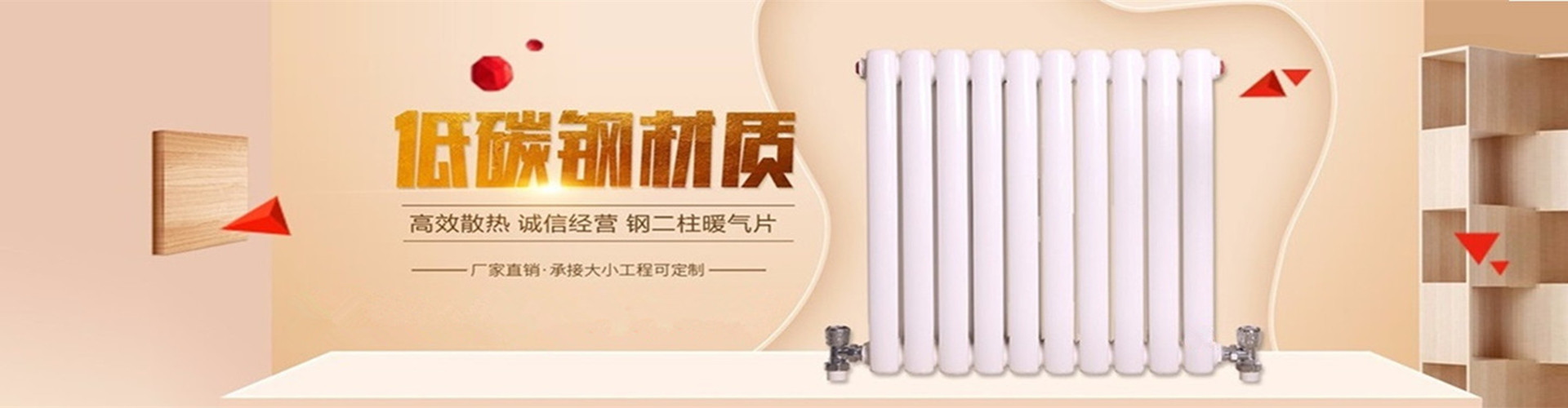
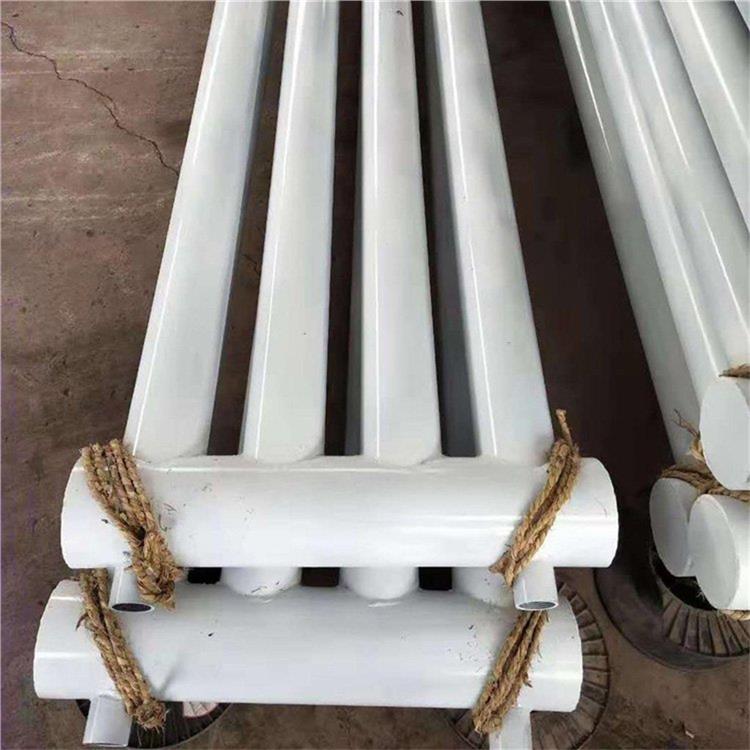
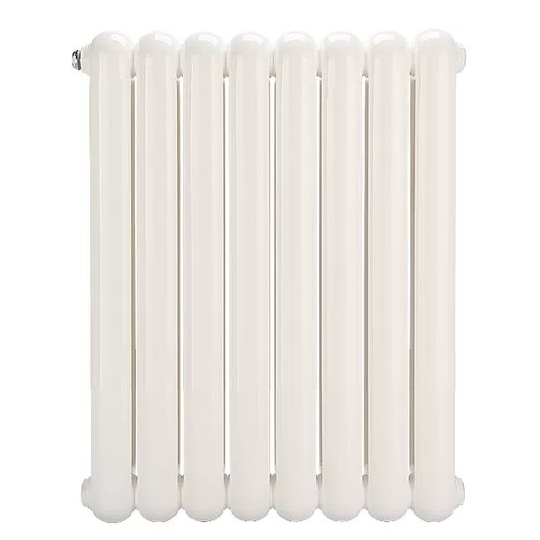
Steel Radiator


详情描述
Fin-tube heat exchangers are a type of heat exchange equipment, widely used in various fields. Their primary function is to enhance heat transfer efficiency by increasing the heat exchange area, suitable for heat exchange between gases and liquids, or between gases. The following are the main application scenarios of fin-tube heat exchangers:
1. Air Conditioners and Refrigeration Systems: Finned heat exchangers are commonly used in residential air conditioners, commercial air conditioners, and industrial refrigeration equipment, serving as evaporators or condensers. They effectively enhance the heat exchange efficiency of refrigerants and reduce energy consumption.
2. Automotive Industry: Finned heat exchangers are used in car cooling systems for engine cooling, air conditioning condensers, and intercoolers, assisting in regulating engine temperature and the车内 environment.
3. Power Industry: In power plants, finned heat exchangers are used in waste heat recovery systems for gas turbines and steam turbines to improve energy utilization efficiency.
4. Chemical and Petroleum Industry: Finned heat exchangers are used in chemical production for heating or cooling process fluids, such as in oil refineries for gas cooling or liquid heating.
5. Food & Pharmaceutical Industry: Finned tube heat exchangers are used in food processing and pharmaceutical production for heating, cooling, or drying processes, ensuring product quality and production efficiency.
6. Electronic Device Heat Dissipation: Finned heat exchangers are used for heat dissipation in high-performance electronic devices (such as servers, power modules) to prevent overheating.
7. Aircraft and equipment environmental control systems utilize finned heat exchangers to regulate cabin temperature and cool critical components.
8. Renewable Energy: Finned heat exchangers are used in solar thermal systems and ground-source heat pumps to enhance thermal energy conversion efficiency.
The finned heat exchanger design is flexible, allowing the selection of materials (such as aluminum, copper, or stainless steel) and structures (such as flat plates, corrugated plates, or windowed plates) to meet varying operational and environmental conditions. Its compact nature makes it a preferred heat exchange equipment in modern industry.
A laser-welded finned tube is a type of heat exchange component featuring the following characteristics:
1. High welding quality: Laser welding focuses energy, resulting in a small heat-affected area, high weld strength, and reduced risk of cracks or gas pockets, ensuring a firm bond between fins and base pipe.
2. Heat Transfer Efficiency: The fins are metallurgically bonded to the base tube, resulting in low contact thermal resistance and excellent heat transfer performance, achieved through mechanical expansion or welding methods.
3. Compact Structure: Laser welding allows for high-density fin arrangement (fin spacing as small as 2mm), resulting in a large heat exchange area per unit volume, and offers significant advantages in equipment miniaturization.
4. High-Temperature and High-Pressure Resistance: Welded joint strength is close to base material, capable of withstanding higher working pressure and temperature (usually above 600°C).
5. Versatile Material Compatibility: Weldable with various materials such as stainless steel, carbon steel, titanium alloys, and even mixed metal combinations.
6. Long Service Life: No contact stress corrosion issues, excellent vibration fatigue resistance, suitable for harsh operating conditions.
High Cleanliness: Welding process free of slag, surface smooth and dust-resistant, low maintenance cost.
8. Production Flexibility: Quickly adjust welding parameters programmatically to accommodate varying pipe diameters (Φ10-200mm) and fin shapes.
Typical applications include high-pressure and high-temperature scenarios such as waste heat boilers, petrochemical heating furnaces, and nuclear power heat exchangers. The main drawback is the relatively high initial equipment investment and the stringent requirements for assembly precision prior to welding.

Fins are devices used to enhance heat transfer efficiency, typically attached to the surface of heat exchangers. Their main features include:
1. Increase Heat Transfer Area: Fin extensions significantly enhance heat exchange efficiency by expanding the surface area.
2. Improve Airflow Distribution: Fin structure aids in even fluid distribution, reducing dead zones in flow.
3. Enhanced Heat Transfer: By disturbing the fluid boundary layer, fins can increase the heat transfer coefficient.
4. Material Variety: Finned tubes can be made from different metal materials such as aluminum, copper, and steel, catering to various environmental requirements.
5. Flexible Structure: Diverse fin designs available, including flat, corrugated, and windowed types, catering to various application scenarios.
6. Lightweight Design: Most fins are of lighter weight, significantly increasing the equipment's burden.
7. Corrosion Resistance: Some fins have been treated with a special process, offering excellent anti-corrosive properties.
8. Easy Maintenance: The fin structure is typically convenient for cleaning and maintenance.
9. Cost-effectiveness: Finned tubes can reduce overall energy consumption and operating costs by enhancing heat transfer efficiency.
10. Wide Application: Suitable for air conditioners, car radiators, electronic device cooling, and various other fields.

Finned tube radiators are a common heating device, primarily used to increase indoor temperature. Their functions include the following aspects:
1. Heat Dissipation: The design of finned tubes increases the surface area of the radiator, allowing heat to be dispersed more evenly into the indoor air, thereby enhancing heating efficiency.
2. Energy-saving and Environment-friendly: With high heat dissipation efficiency, the finned tube radiator can reach the set temperature in a shorter time, reducing energy consumption and meeting the requirements of energy-saving and environmental protection.
3. Versatile: Finned tube radiators are suitable for various heating systems, such as hot water heating and steam heating, catering to different environments and requirements.
4. Compact Structure: Compared to traditional radiators, fin tube radiators have a smaller volume, are easy to install, and are suitable for spaces with limited space.
5. High durability: Finned tubes are typically made from corrosion-resistant and high-temperature materials, ensuring a long service life and low maintenance costs.
6. Flexible Temperature Control: Finned tube radiators can adjust the heat output by modifying the flow of water or steam, allowing for regulation of indoor temperatures.
In summary, finned tube radiators provide a comfortable and stable heating effect indoors, thanks to their excellent heat dissipation performance and flexible temperature control capabilities.

The functions of laser-welded finned tubes are mainly reflected in the following aspects:
1. Enhance Heat Exchange Efficiency: Finned tubes increase surface area to boost heat exchange capabilities, while laser welding technology ensures a strong and low thermal resistance connection between fins and the base tube, thereby improving overall heat exchange performance.
2. Material and Space Savings: Laser welding allows for high-precision processing, reducing material waste, and the compact fin structure provides a larger heat exchange area within limited space, suitable for applications with space constraints.
Enhanced structural strength: The high energy density of laser welding creates deep and narrow welds with a small heat-affected zone, resulting in high joint strength capable of withstanding harsh conditions such as high pressure, high temperature, or vibration, thereby extending service life.
4. Versatile in Meeting Diverse Needs: Capable of processing finned tubes in various materials (such as stainless steel, copper, titanium, etc.) and complex shapes, catering to the specific size or corrosion-resistant requirements of industries like chemicals, power, and refrigeration.
5. Environmental Protection and Energy Efficiency: Heat exchange reduces energy consumption, laser welding process has minimal pollution, aligns with green manufacturing trends.
6. High Reliability: Laser welding offers high automation, consistent weld quality, and reduces manual errors, ensuring stable product quality.
The application scope of the cold-rolled finned tubes mainly includes the following aspects:
1. Petrochemical Industry: Used in heat exchangers, condensers, coolers, and other equipment to improve heat exchange efficiency.
2. Power Industry: Waste heat recovery systems for equipment such as boilers and steam turbines.
3. Refrigeration Industry: Widely used in condensers and evaporators of air conditioning and refrigeration equipment.
4. Metallurgical Industry: Cooling systems for equipment such as blast furnaces and heating furnaces.
5. Shipbuilding: Suitable for cooling systems and heat exchangers for ship engines.
6. Food Industry: Used in heating and cooling stages during food processing.
7. Pharmaceutical Industry: Temperature control equipment for the pharmaceutical production process.
8. Environmental Protection Engineering: Heat exchange components for environmental protection equipment such as waste gas and wastewater treatment.
Cold-wound finned tubes are widely used in industrial fields requiring heat exchange due to their excellent thermal conductivity and compact structure.


