

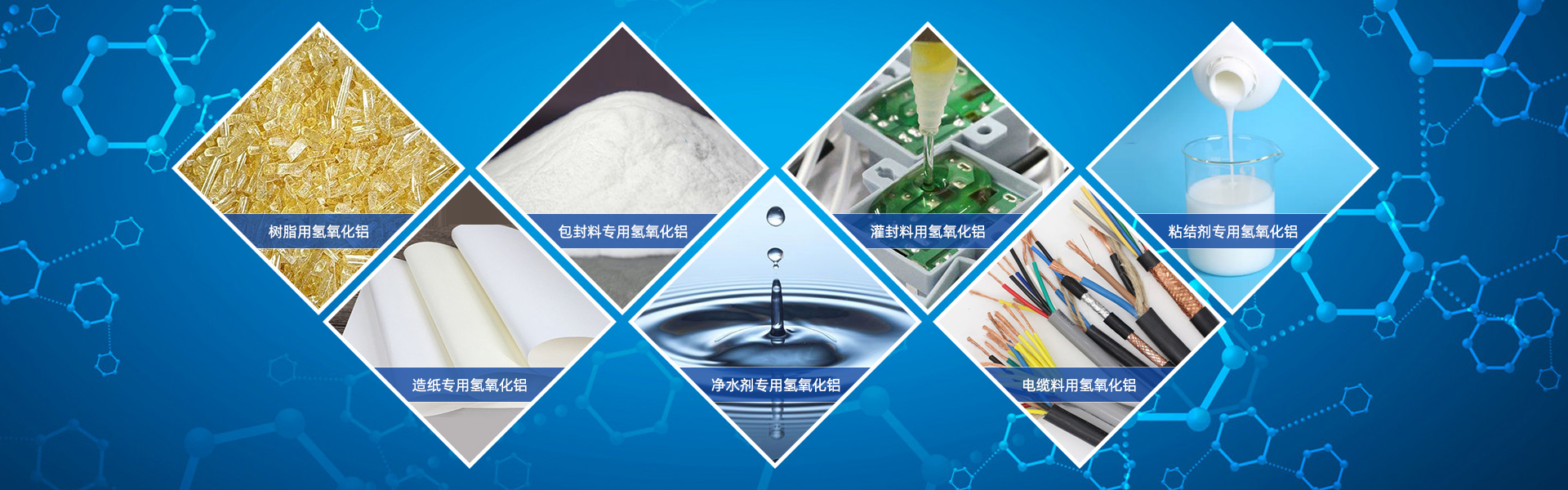


Alumina hydrate has such a wide range of applications. In fact, with a deeper understanding of some chemical knowledge, we can still master its preparation methods. Below, we will provide a detailed introduction to some of these methods.
1. Hydrothermal Synthesis Method
Upon contact with water, active aluminum powder undergoes a violent reaction upon reaching the reaction conditions, producing an extremely fine, grayish-white powder.
2. Carbon fractionation
By introducing carbon dioxide gas into the sodium aluminate solution, it precipitates aluminum hydroxide.
3. Liquid Phase Coprecipitation Method
Using the variable rate dropwise addition mixture method with ammonia water, precipitates with particle sizes less than 5nm can be produced. Moreover, by adding a certain amount of surfactant to the reaction solution, nanoproducts with fine particle sizes and a narrow size distribution can be synthesized.
4. Super Gravity Reaction Precipitation Method
Utilizing the ultra-gravity reaction precipitation method, a powder with controllable particle size and narrow particle size distribution has been obtained.
5. Preparation by the Sintering Method of Lime Kiln Dust
The bauxite, soda ash, and lime are mixed in a specific ratio and sintered in a rotary kiln to form clinker composed of sodium aluminates, sodium ferrates, calcium metasilicate, and sodium titanates; the sodium aluminates in the clinker are dissolved with dilute alkali solution, and the NaOH obtained from the hydrolysis of sodium ferrates is added to the solution; the sodium aluminates solution is desilicated to obtain hydrated sodium aluminosilicate or sintered garnet precipitate, which is then purified; CO2 gas is introduced into the refined sodium aluminates solution, and a seed is added while stirring to obtain aluminum hydroxide and a mother liquor primarily composed of sodium carbonate. The Al2O3 from the sintered garnet is extracted using the mother liquor containing Na2CO3.
This is the correct preparation method. Generally speaking, we can complete the product preparation work based on the few points introduced above, thereby obtaining the product we need.
