

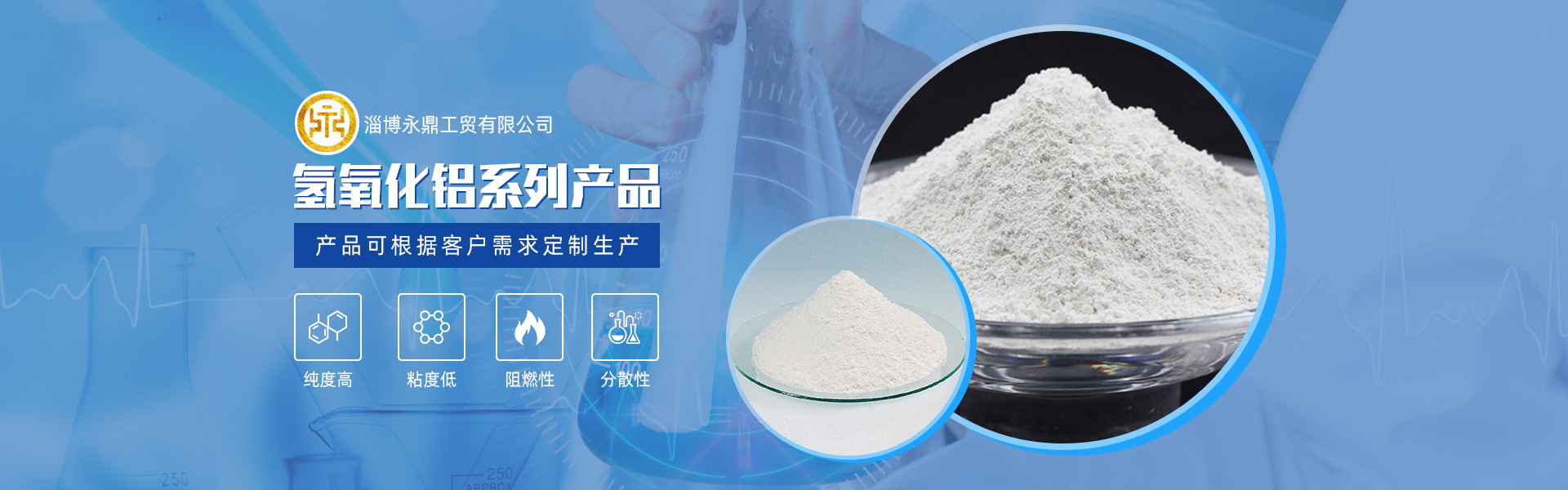
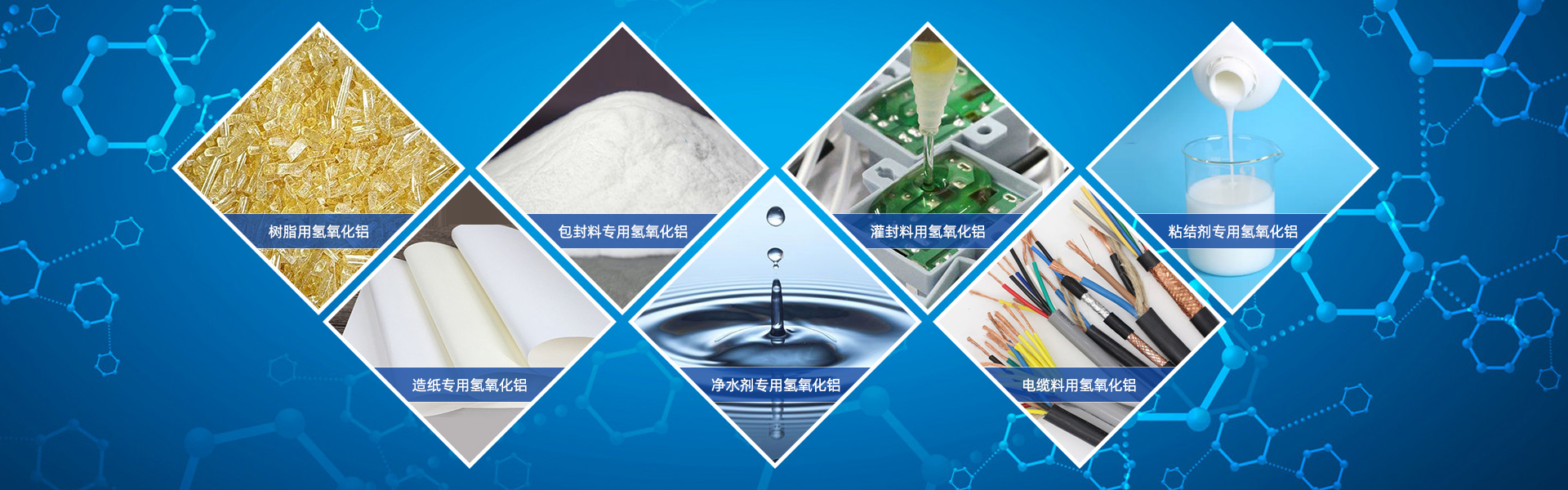


Alumina hydrate is a widely used and versatile inorganic flame retardant additive, with a broad range of applications. Many users are concerned about its performance impact, so today we'll introduce the effects of temperature on its properties.
Temperature significantly affects the crystal structure of aluminum hydroxide. As the temperature increases, the surface tension of the aluminum hydroxide crystals diminishes, the surface energy between interfaces gradually dissipates, and agglomeration between particles is improved, leading to better dispersion.
Furthermore, as the temperature increases, the regularity of the aluminum hydroxide particles improves, and the hexagonal sheet-like structure becomes more orderly. Moreover, with the rise in temperature, the particle size of aluminum hydroxide increases, which is fully in line with crystal growth principles. Additionally, during the experiment, it was found that the slurry before hydrothermal treatment has a high viscosity, making filtration difficult. Post-hydrothermal treatment, as the hydrothermal temperature increases, the material's viscosity decreases, significantly reducing the filtration time.
