



Aluminum Hydroxide Flame Retardant Application
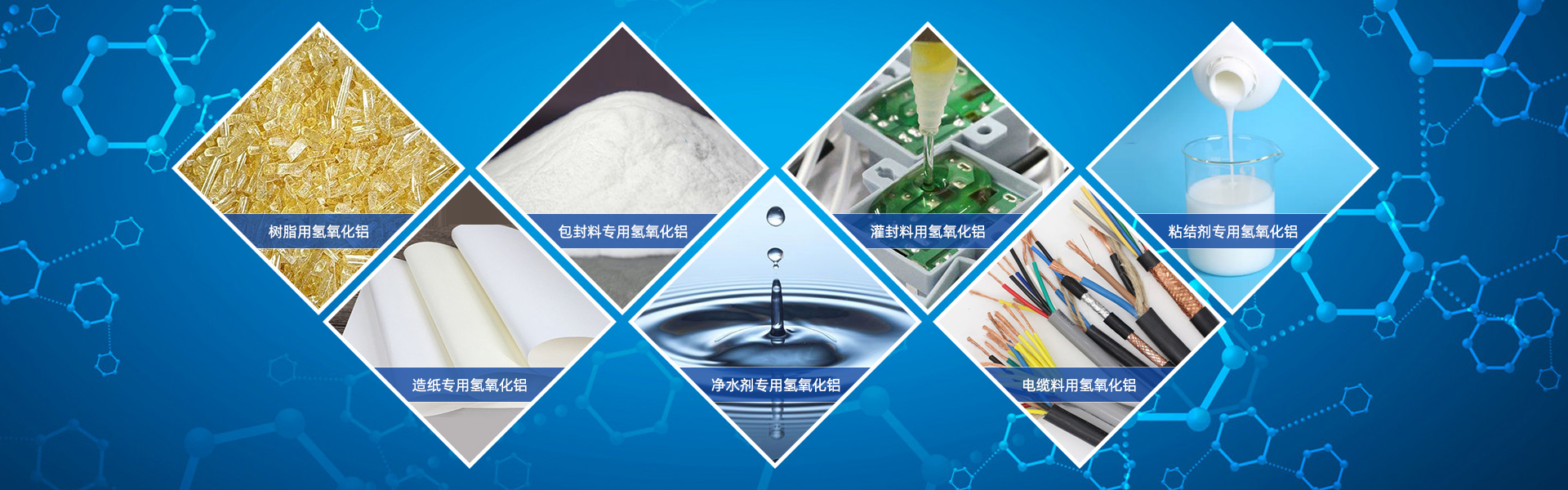
ATH is versatile, serving not only as a flame retardant but also for smoke suppression and reduction of corrosive gas emissions from materials. It can be used alone or often in conjunction with other flame retardants. As an excellent flame retardant for polymers with processing temperatures below ATH's decomposition point (190-230°C), it is utilized in elastomers, thermosetting resins, thermoplastic plastics, and extensively in styrene-butadiene latex for flame-retardant carpet production. It's also used in flame-retardant insulated rubber cables, thermal insulation foams, conveyor belts, roof ceilings, and hoses. ATH finds applications in toilet fixtures, decorative walls, various covers, car protective devices, seating, truck components, and electronic components including insulators and circuit boards, as well as construction tools. Nano-alumina hydrate can also be applied in engineering plastics.
Currently, ATH is commonly used as a flame-retardant filler, employed in flame-retardant materials for EVA, LDPE, and LLDPE cables [19], including their sheath and insulation layers. It is also utilized in flame-retardant PP and many thermosetting high polymers (such as unsaturated polyester, epoxy resins, etc.). At a 40% addition rate, ATH significantly reduces the thermal decomposition temperature of PE, PP, PVC, and ABS (acrylonitrile/butadiene/styrene copolymer), offering excellent flame-retardant and smoke-suppression properties. Polyolefins containing 50% alumina hydrate are primarily used for food packaging materials in Japan, while flame-retardant polyolefins with 60% alumina hydrate can be used as construction materials and interior decorative materials for vehicles and ships.
Application in rigid polyvinyl chloride plastic products
With the development of the building materials industry, polyvinyl chloride (PVC) plastic products (such as conduits, pipes, doors, and windows) have gained widespread application, becoming an indispensable material in the national economy and daily life. However, when burned, they produce a large amount of smoke, decompose toxic and corrosive gases, causing asphyxiation, and are a major cause of death in fires. The application of ATH to PVC effectively overcomes these shortcomings.
Superfine hydrated alumina can enhance the oxygen index of PVC plastics. ATH treated with coupling agents can also significantly reduce the smoke density of the plastic, with minimal impact on the material's mechanical properties. Within a dosage range of 20 to 30 parts, it is an excellent flame retardant and smoke suppressant with broad application prospects [20].
In Application to Polypropylene
(1) ATH exhibits significant flame retardant and smoke suppressant properties in polypropylene (PP). As the amount of ATH increases, its oxygen index rises linearly, while the combustion rate and smoke generation are notably reduced.
(2) The smaller the ATH particle size, the better the flame retardancy and the lesser the adverse effect on mechanical properties.
(3) The use of an effective activator for the surface treatment of ATH is an indispensable part of ATH's application in polypropylene. The impact of the activated ATH on the flame retardancy and mechanical properties of PP is significantly less than that of unactivated ATH.
(4) ATH can be used in conjunction with phosphate and halogen flame retardants to enhance flame retardant properties.
Application in Butanediol Terephthalate
Butyl Terephthalate (PBT) engineering plastic is a new type of civilian and industrial material, primarily used in electronics, electrical, mechanical, and automotive fields.
