

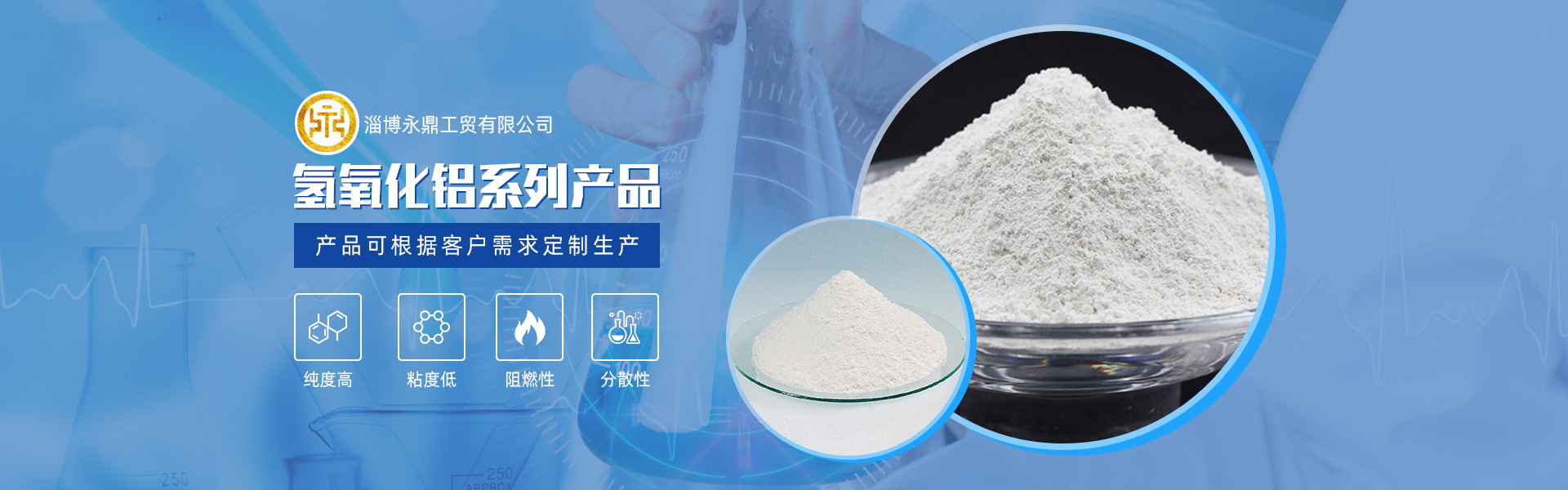


Alumina hydrate filler boasts low wear, minimal dust, a large specific surface area, and strong regeneration capabilities, making it an ideal auxiliary product in the hydrogen peroxide industry. Compared to common activated alumina ball desiccant, although the raw material process is largely consistent, there are significant differences in the processing technology requirements.
The aluminum hydroxide filler used in the production of hydrogen peroxide is also a white, spherical, porous material; it is non-toxic, odorless, tasteless, and insoluble in water, esters, hydrocarbons, alcohols, and other organic solvents. It features non-caking and non-softening in water and alkali, high clarity, and a long service life.
During the production of hydrogen peroxide, the working fluid possesses strong degradation and regeneration capabilities for anthraquinone derivatives, making it an adsorbent used in the anthraquinone process for hydrogen peroxide production. Active alumina is used for the regeneration of degradation products in the working fluid during anthraquinone process hydrogen peroxide production, particularly for the production facilities of palladium catalyst and tricomponent nickel catalyst, where there is currently no ideal working fluid regeneration method, relying mainly on active alumina for regeneration. Besides adsorbing alkali from the working fluid of hydrogen peroxide production, it also has strong regeneration capabilities for the hydrogenated degradation products in the working fluid.
Alumina filler can convert the increased degradation products in the hydrogenation reaction into effective anthraquinone, ensuring the stability of the total effective anthraquinone content, which is conducive to the progress of the oxidation reaction and reduces the amount of anthraquinone added, saving production costs. Additionally, it has a long service life, does not break or disintegrate, and is typically used in the hydrogen peroxide production process for 60-90 days.
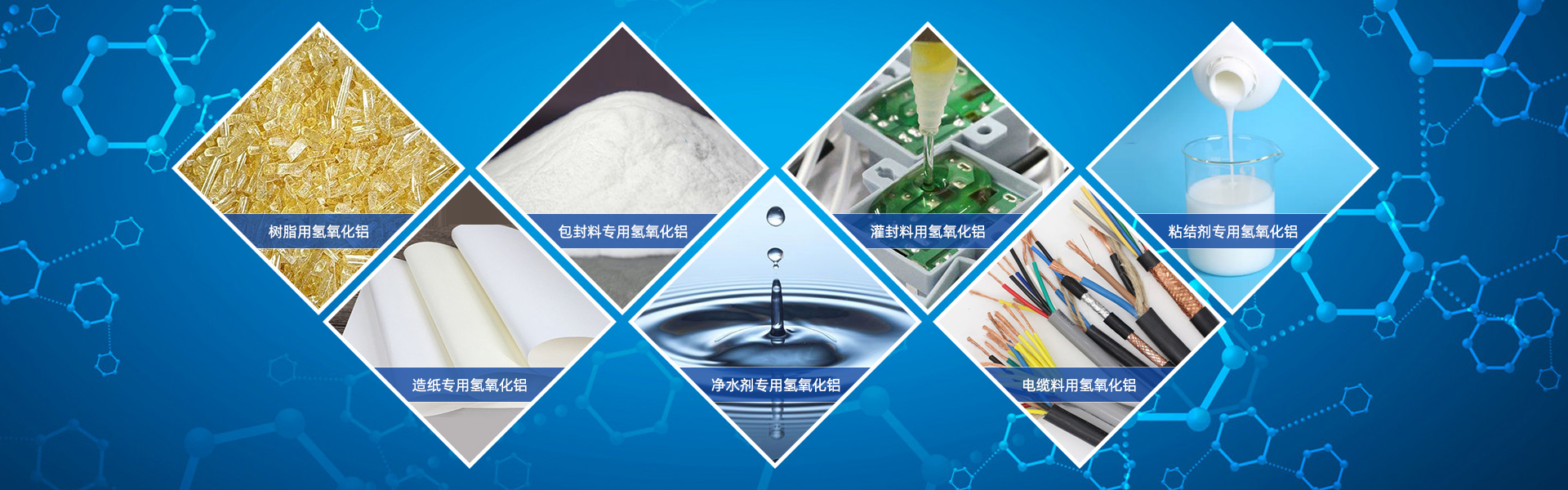
Alumina hydrate filler has a wide range of applications, serving not only as an auxiliary for hydrogen peroxide but also as a flame retardant. It plays a role in industries such as papermaking, chemical raw materials, and artificial marble.
