


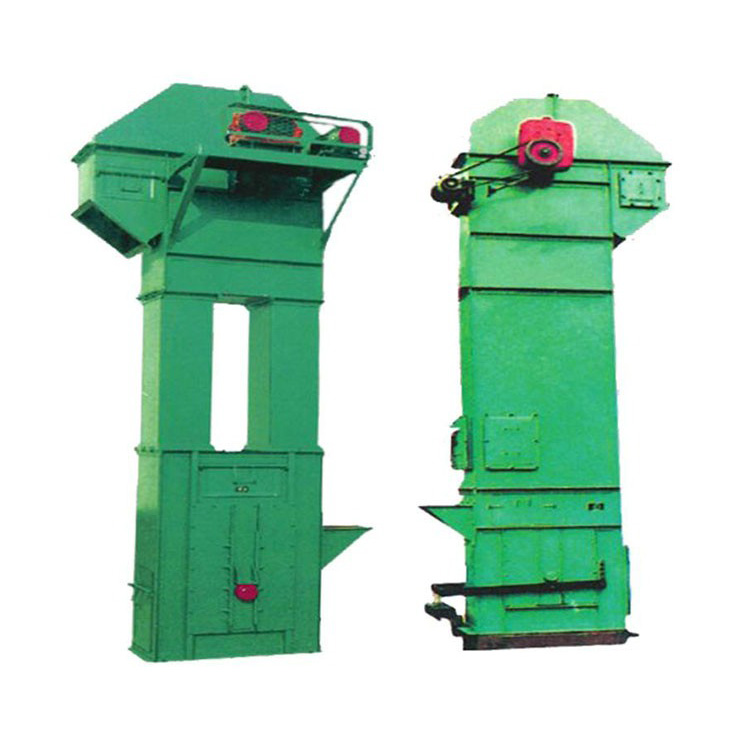
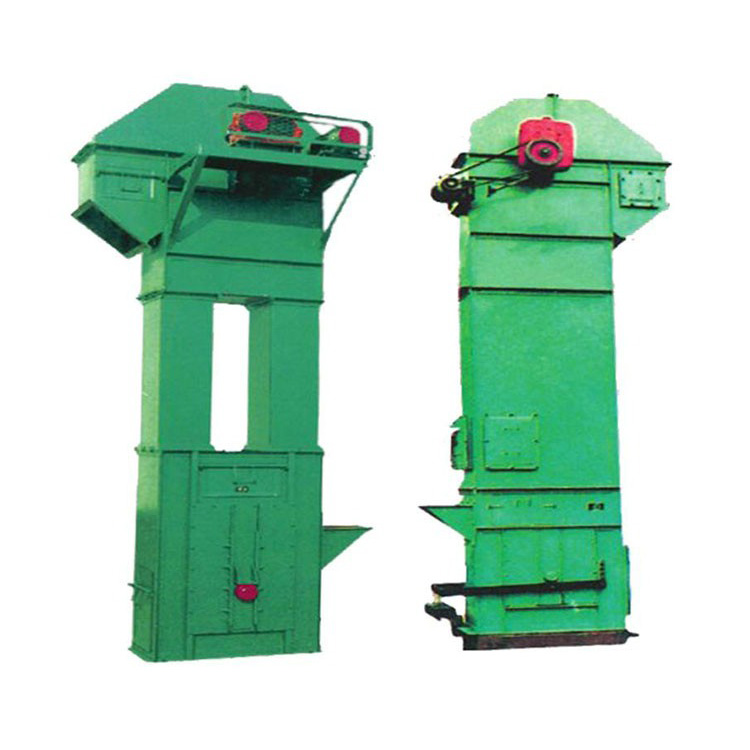
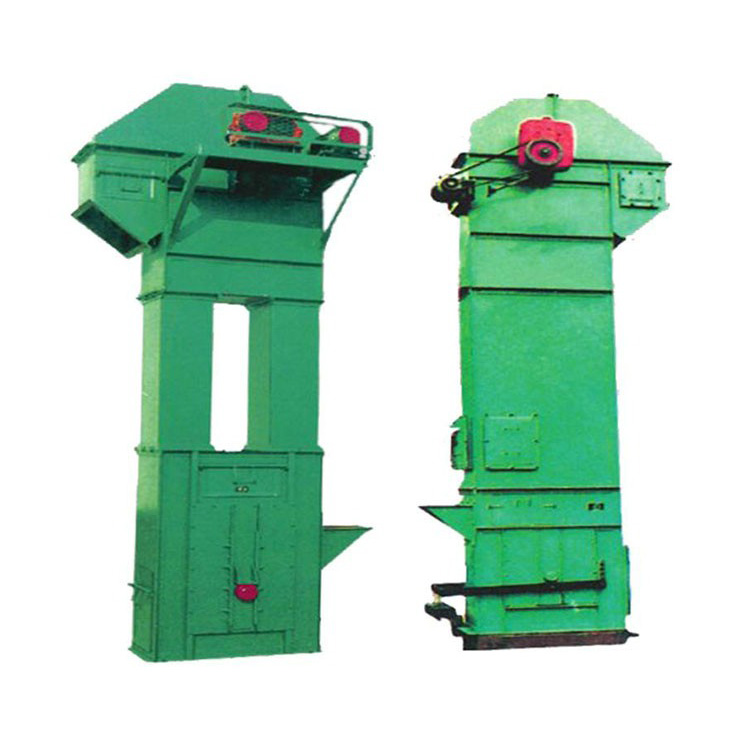
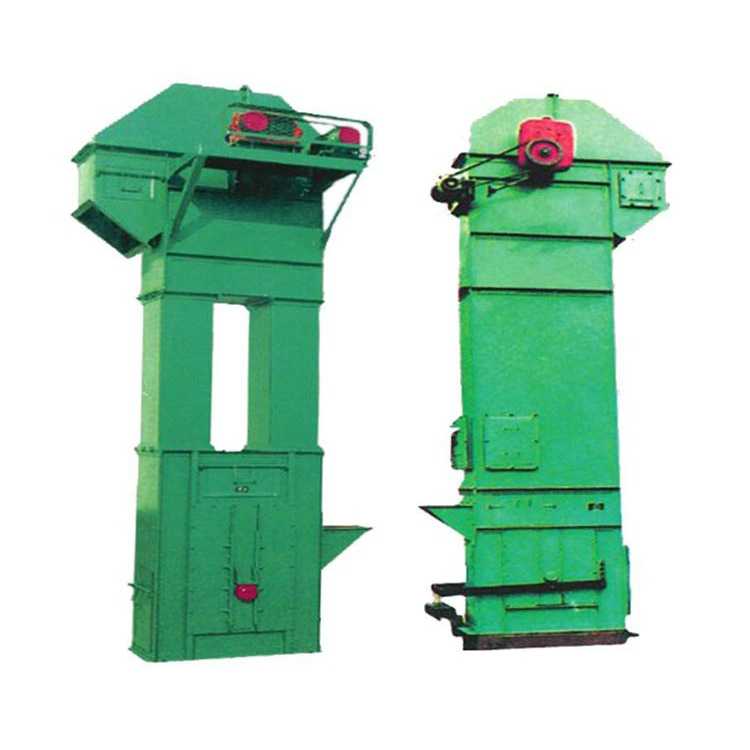
TH Ring Chain Hoist Safe Operating Procedures
Before turning on the machine, carefully check for any foreign objects inside, and if found, remove them.
2. The hoist must be started in an unloaded state. After the operation is normal, then add material evenly into the machine.
3. While the hoist is in operation, cleaning or repairing the moving parts is strictly prohibited, as well as adjusting the tensioning device.
4. Prior to shutdown, all materials inside the machine should be unloaded before stopping the equipment.
5. Regularly inspect the operation of all components, check if the bolts at all connections are tightened, the condition of the chains and hooks for signs of severe wear, and if there are any cracks or breaks in the rim. If any issues are found, they should be replaced to prevent accidents.
6. In case the hoist shifts gear or is jammed, the motor should be immediately shut off. When handling, safety precautions should be taken (using round steel, hexagonal steel, pry bars, etc.) to prevent the hoist from reversing, to avoid accidents.
7. Operate strictly according to the "Hoist Maintenance and Inspection Operation Manual."
TH Type Selection for Ring Chain Hoists
As a commonly used lifting equipment, the selection of the TH ring chain hoist is constrained by many factors. Choosing the wrong model can bring endless troubles to the user.
General selection of the TH circular chain hoist depends on the following factors:
Material Form: Is the material in a powdered, granular, or solid form?
Material Physical Properties: Does the material have adsorption or viscosity, and is it moisture-containing?
Material density: General parameters of TH circular ring chain hoists are designed and calculated for materials with a density of 1.6 or less. For materials with a higher density, calculations for traction force and tensile strength of the drive components are required.
Flow rate per unit time.
Generally, the form of the material directly determines the unloading method. The common practice is that powdered materials are unloaded by centrifugal projection, while solid materials are unloaded by gravity. The different unloading methods dictate the different hopper types used in the TH circular ring chain hoist. Centrifugal projection unloading typically uses shallow and arched hoppers, whereas gravity unloading requires deep hoppers.
The type of hopper used in the bucket elevator varies, resulting in different amounts of material conveyed per unit of time.
The throughput of the TH circular chain hoist is a comprehensive parameter depending on the hopper design, bucket speed, material density, material properties, and number of buckets.
