




Safety Operating Procedures for Hoisting Machines
1. Before turning on the machine, check thoroughly for any foreign objects inside; if any are found, they should be cleared.
The hoist must be started in an unloaded state. After it operates normally, the material should be added evenly into the machine.
During operation, the elevator is not to be cleaned or repaired on its moving parts, nor is the tensioning device to be adjusted.
4. Prior to shutdown, all materials inside the machine must be unloaded before the machine can be turned off.
5. Regularly inspect the operation of all components, check if all bolts are securely fastened, the condition of the chains and hooks for excessive wear, and if there are any cracks or breaks in the wheel rim. If any issues are found, they should be replaced to prevent accidents.
6. In the event of a hoist slipping or being pinched, immediately shut off the motor. Take precautions (using round steel, hexagonal steel, pry bars, etc.) when handling to prevent the hoist from reversing to avoid accidents.
Operate strictly according to the "Lift Maintenance and Repair Operation Manual."
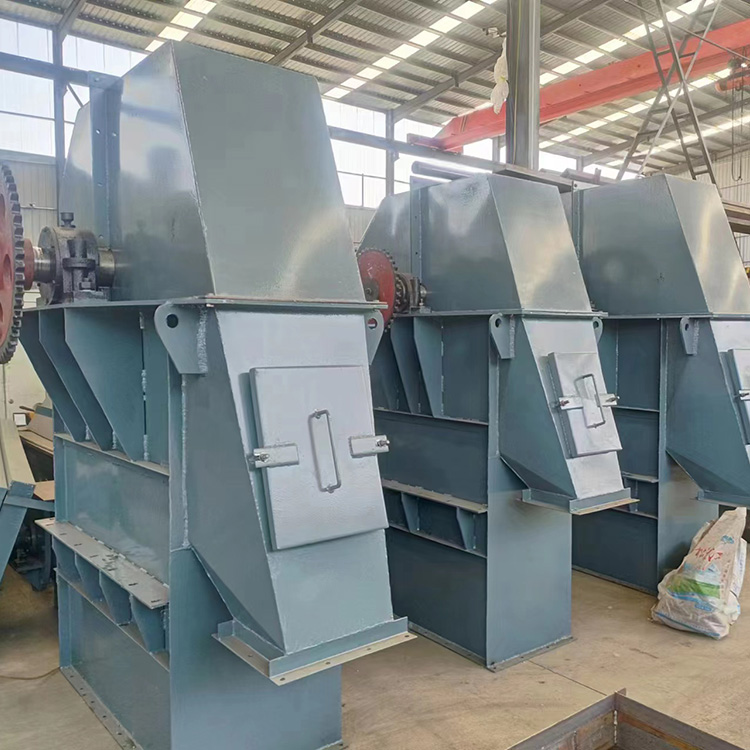
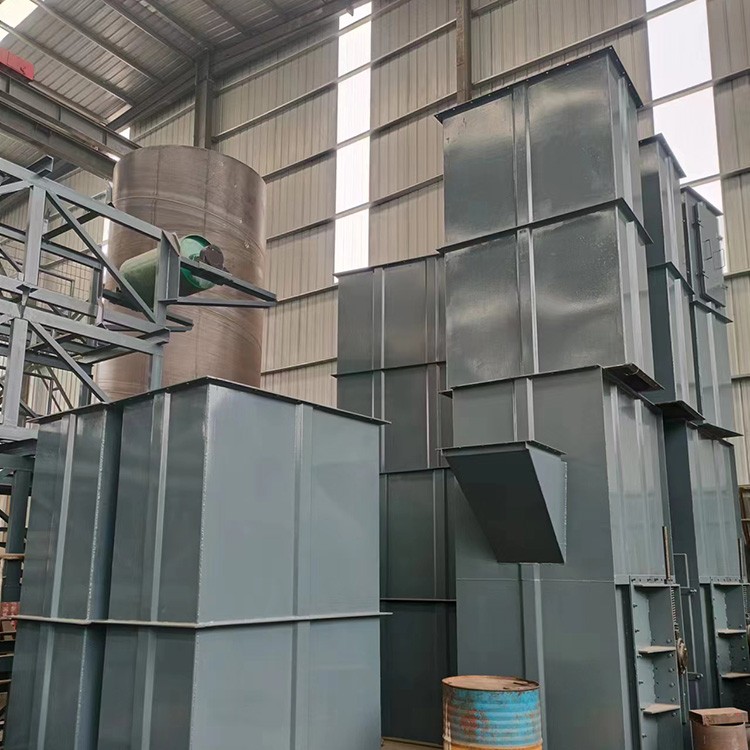
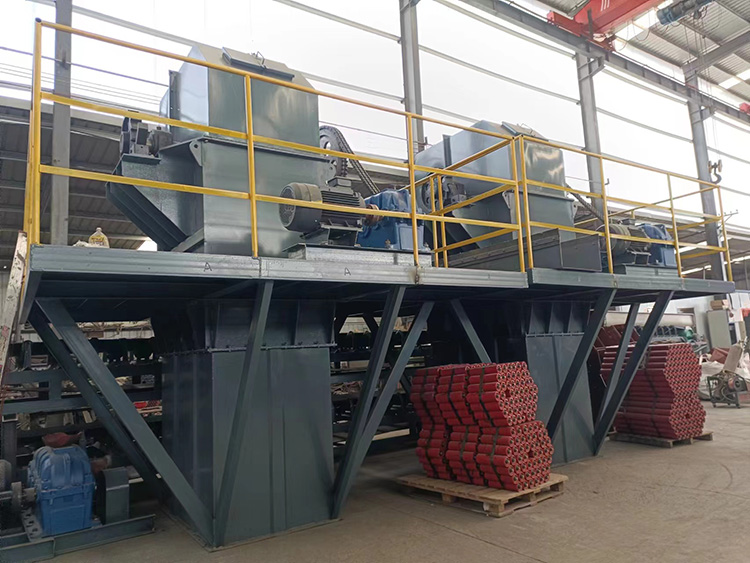
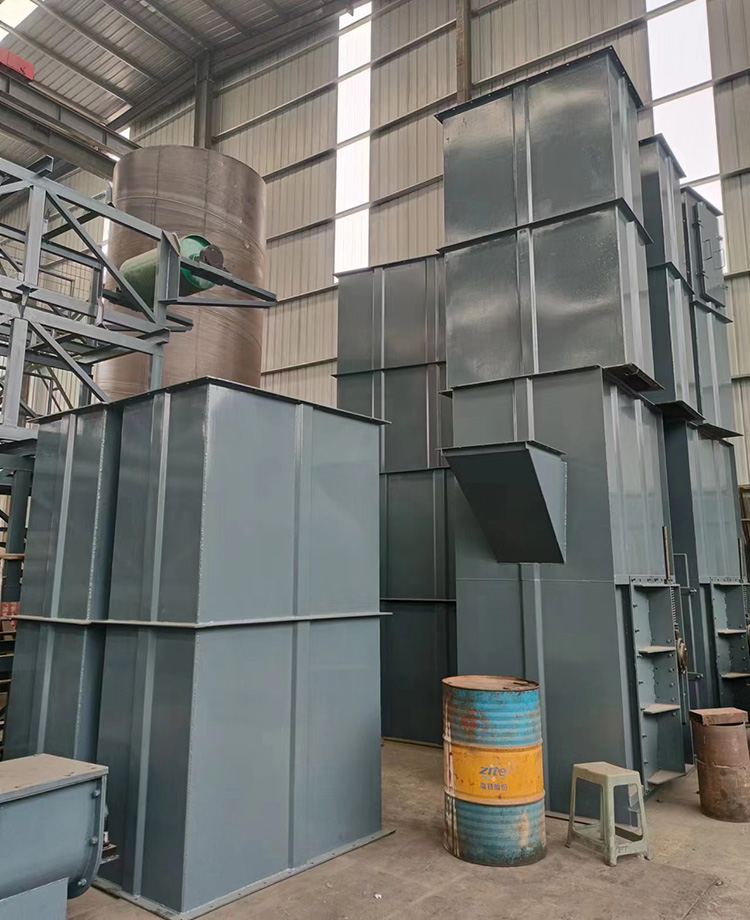
Hoists are large pieces of equipment used for transportation by altering potential energy, such as mine hoists and dam-crossing hoists. Broadly speaking, elevators, cranes, winches, steady cars, overhead cranes, and gate machines can all be considered as hoists. Hoists typically refer to large machinery with high power and lifting capacity. They transport goods up and down by moving flexible steel cables powered by mechanical drives. Steel cables are an indispensable part of lifting machinery, with main types including phosphatized coated steel cables, galvanized steel cables, stainless steel cables, and smooth steel cables, etc.
