


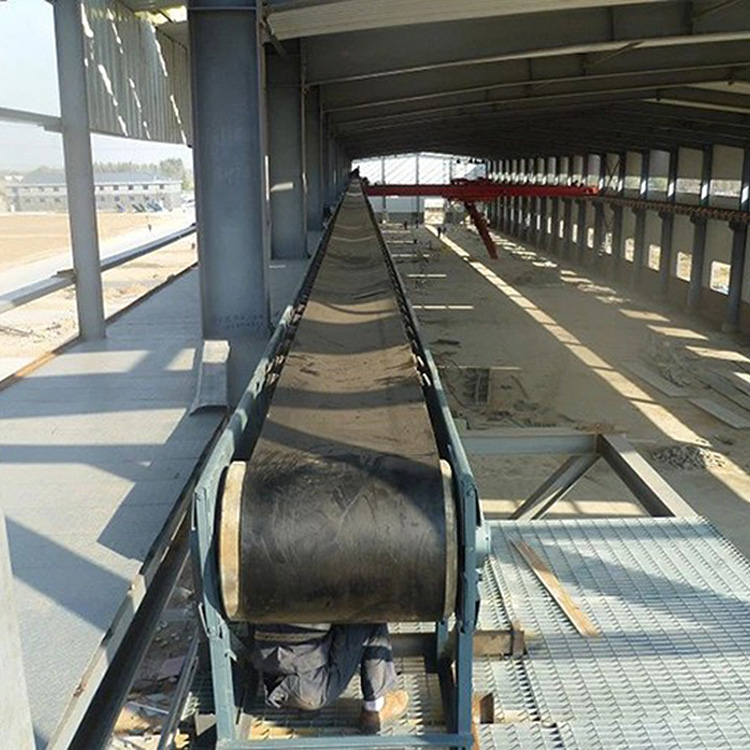


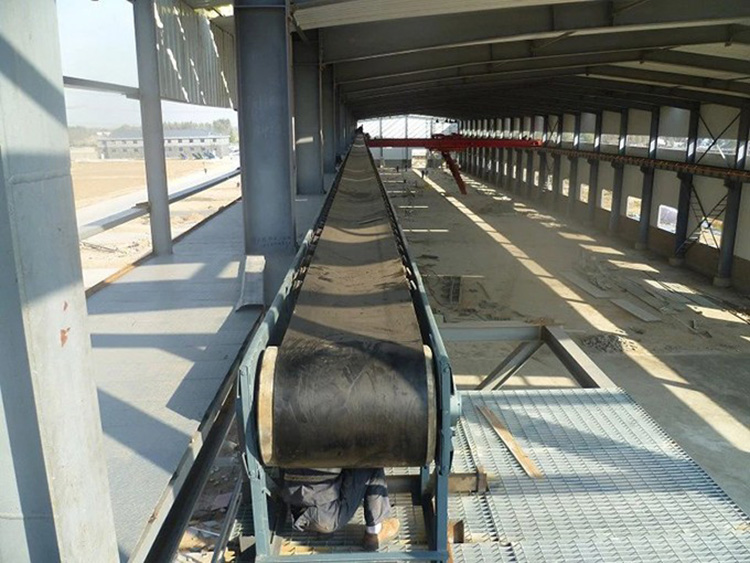
Suspension conveyors offer flexible routing options, efficiently utilize space, save labor, and enhance work efficiency. They are primarily composed of components such as chains, tracks, hoisting equipment, supports, drive seats, and adjustment seats, and are equipped with a variable frequency speed control system. They are widely used in processes like long-distance material transport, floor lifting, overhead storage, feeding, and automated painting production lines. The suspension conveyors are suitable for various applications such as paint baking, metal coating, and assembly lines in factories like furniture, bicycle, electronics, electroplating, hardware, leather goods, and automotive factories. The suspension conveyors are categorized into lift-type, push-type, and tow-type.
Hanging fixed conveyors (conveyor equipment) are a commonly used continuous conveying device, widely applied for the continuous transport of various finished goods and bulk materials packed in containers or bags within factories. They can also be used in assembly lines across various industrial sectors to transport workpieces between processes, complete various manufacturing processes, and achieve integrated mechanization of conveying and process operations. Their structure mainly consists of traction chains, sliding frames, hoisting equipment, overhead tracks, driving units, tensioning devices, and various safety devices.
