


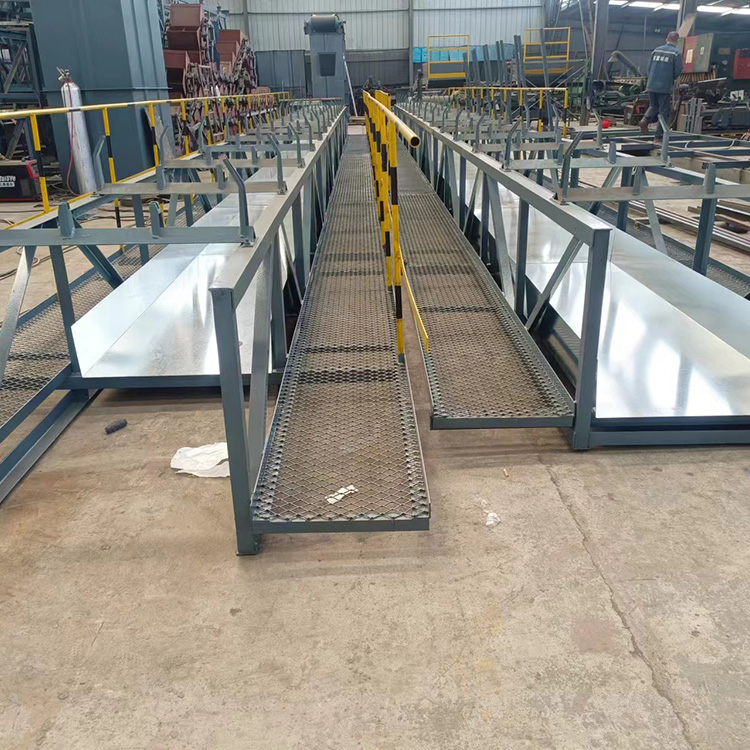
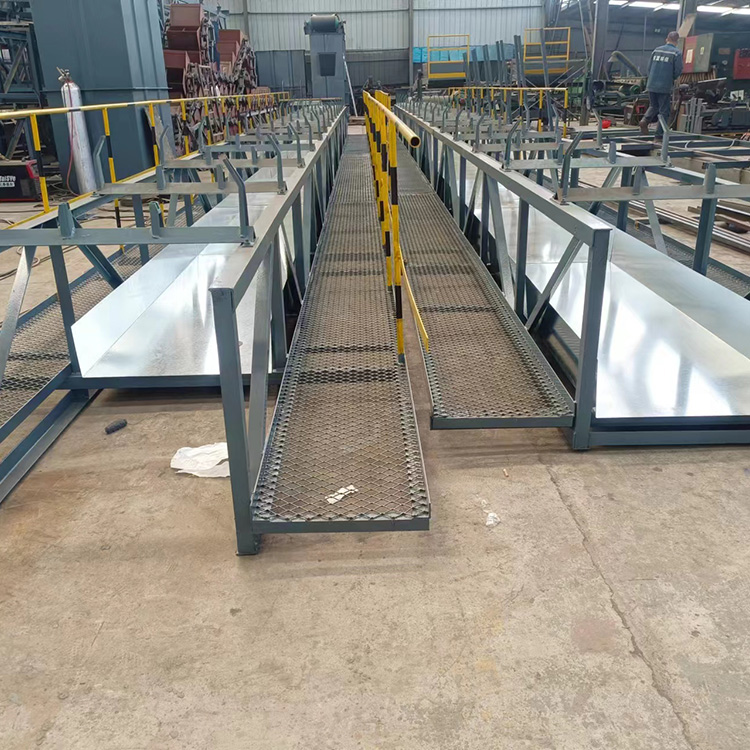

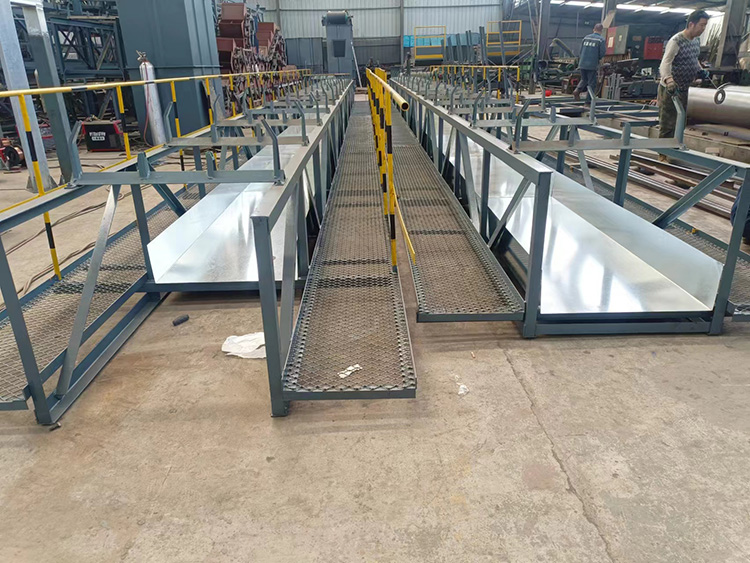
Belt conveyors, also known as belt feeders, are widely used in various industries such as home appliances, electronics, electrical appliances, machinery, injection molding, telecommunications, printing, and food processing, for assembly, inspection, adjustment, packaging, and transportation of items.
The conveyor line can be selected according to process requirements, including: normal continuous operation, rhythm-based operation, variable speed operation, and various control methods; the conveyor line can be tailored to the local conditions, featuring straight lines, curves, inclines, and other forms. Conveyor equipment includes: belt conveyors, also known as belt or rubber belt conveyors, which are essential, cost-effective logistics conveyance devices for forming rhythmic assembly lines. Belt conveyors are categorized by their conveying capacity, such as heavy-duty belt conveyors like mining belt conveyors, and light-duty belt conveyors used in electronics, plastics, food light industry, and chemical industries.
Belt conveyors feature strong conveying capacity, long conveying distance, simple structure for easy maintenance, and can be conveniently implemented with programmed control and automation. They use the continuous or intermittent movement of the conveyor belt to transport items weighing less than 100KG or powdery and granular materials. The operation is fast, smooth, low-noise, and capable of conveying up and down slopes.
