

Detailed Description
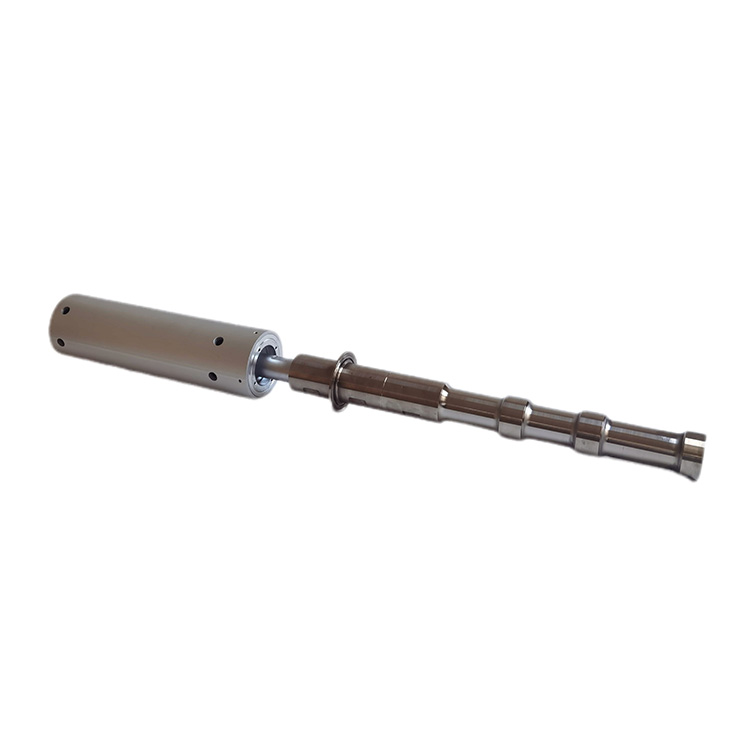
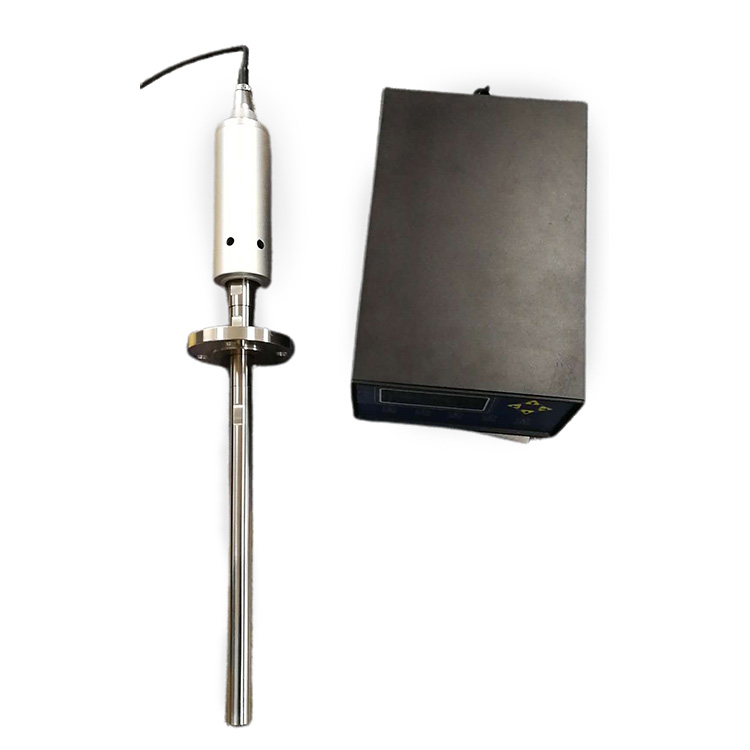
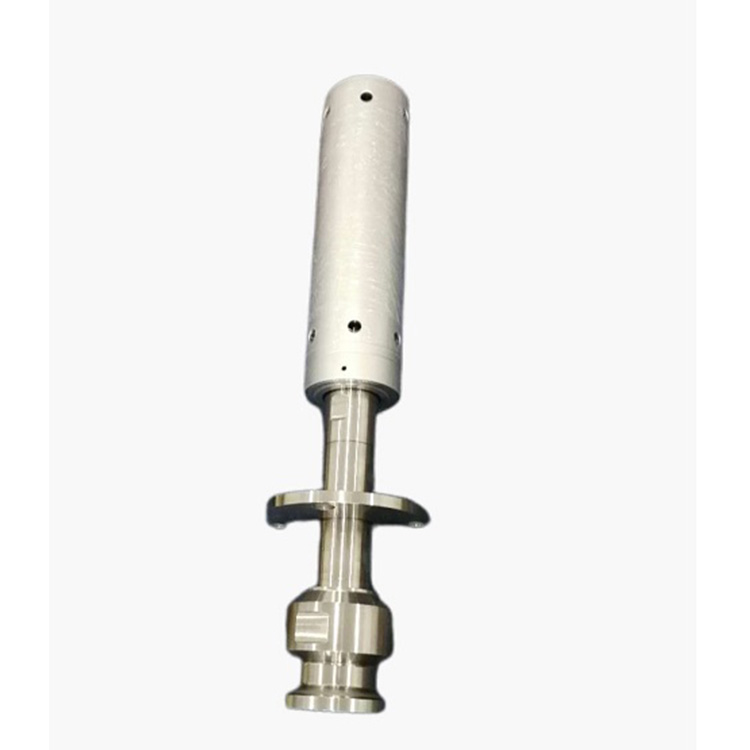
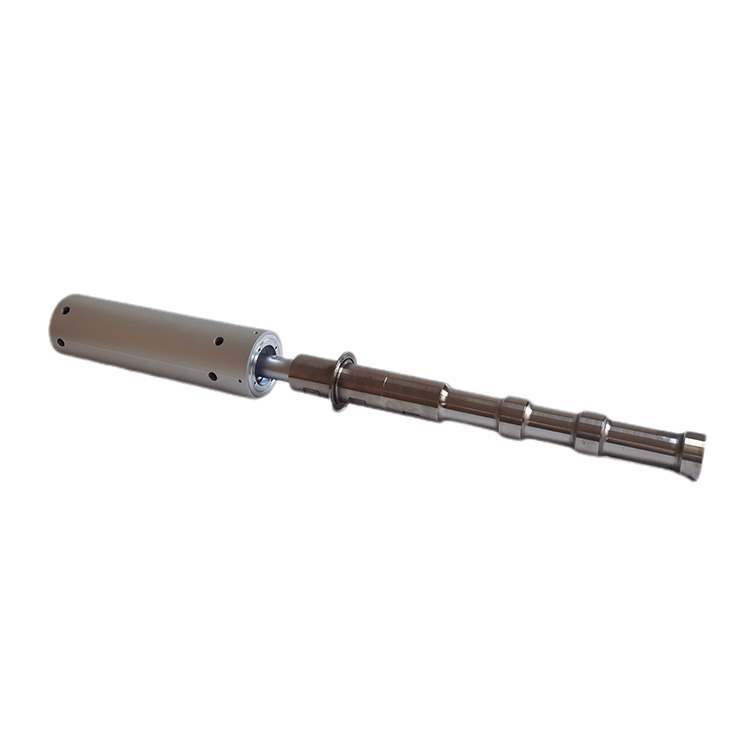
The ultrasonic vibration rod, also known as the ultrasonic vibration rod, boasts a broader application range and longer service life compared to traditional ultrasonic vibration plates. In industrial applications, it is used for cleaning, extraction, chemical reactions, scale prevention, water treatment, and more, making it a very mature and widely-used technology.
Ultrasonic vibration rods utilize the alternating cycles of positive and negative pressure changes during the transmission of ultrasound. During the positive phase, they compress the medium molecules, increasing the original density of the medium. In the negative phase, the medium molecules become sparse and dispersed, reducing the medium's density. These rods can uniformly generate ultrasound at 360° around them, and their energy output is not affected by factors like liquid level or temperature differences. They typically include a high-power ultrasonic transducer, an amplitude transformer, and a tool head (emission head) for generating ultrasound vibrations and transmitting this vibrational energy into the liquid. The transducer converts electrical energy into mechanical energy, i.e., ultrasound, which is manifested as the transducer's longitudinal back-and-forth movement, with an amplitude usually in the micrometer range. Such amplitude power density is insufficient for direct use. The amplitude transformer amplifies the amplitude as required, isolates the reaction solution from the transducer, and also serves to stabilize the entire ultrasonic vibration system. The tool head is connected to the amplitude transformer, which transfers the ultrasonic energy vibrations to the tool head, which then emits the ultrasound energy into the reaction liquid.
1. Ultrasound cavitation is generated around the vibration rod, with the ultrasound energy evenly distributed around the rod.
2. The power output of the ultrasonic vibration rod is unaffected by changes in liquid level, tank capacity, and temperature differences, ensuring stable and uniform power output.
3. The ultrasonic vibration rod boasts a lifespan over 1.5 times that of traditional ultrasonic vibration plates.
4. The ultrasonic vibration rod's round tube design facilitates easy installation and use of the vibration rod.
5. The ultrasonic vibration rod is sealed and waterproof, ensuring safe use.
Ultrasonic vibration rods, also known as ultrasonic vibration sticks, offer a broader range of applications and longer lifespan compared to traditional ultrasonic vibration plates. In industrial applications, they are used for cleaning, extraction, chemical reactions, scale prevention, water treatment, and more, making it a highly mature and widely-used technology.
Ultrasonic vibration rods utilize the alternating cycles of positive and negative pressure during the transmission of ultrasound. During the positive phase, they compress the medium molecules, increasing the medium's original density. In the negative phase, the medium molecules become sparse and dispersed, reducing the medium's density. These rods can uniformly generate ultrasound at 360° around them, and their energy output is unaffected by factors like liquid level and temperature differences. Typically, they include a high-power ultrasonic transducer, an amplitude transformer, and a tool head (emission head) for producing ultrasound vibrations and emitting this vibrational energy into the liquid. The transducer converts electrical energy into mechanical energy, i.e., ultrasound, characterized by the transducer's longitudinal back-and-forth movement with an amplitude of a few micrometers. Such amplitude power density is insufficient for direct use. The amplitude transformer, as designed, amplifies the amplitude, isolates the reaction solution from the transducer, and also serves to stabilize the entire ultrasonic vibration system. The tool head is connected to the amplitude transformer, which transfers the ultrasound energy vibrations to the tool head, which then emits the ultrasound energy into the reaction liquid.
Collapsible Edit This Section Features
Ultrasound cavitation occurs around the vibration rod, with the ultrasound energy evenly distributed around the rod.
2. The power output of the ultrasonic vibration rod is unaffected by factors such as liquid level, tank capacity, and temperature differences, ensuring stable and uniform power output.
3. The ultrasonic vibration rod has a lifespan over 1.5 times that of the traditional ultrasonic vibration plate.
4. The ultrasonic vibration rod's round tube design facilitates easy installation and use.
5. The ultrasonic vibration rod is sealed and waterproof, safe to use.