




- AllProduct Category
-
Ceramic Whirlwind Child
Wet Electricity and Ultra-Clean Emission
Dust, desulfurization, and denitrification integrated system
Water Film Dust Collector Series
Baghouse Series
De-NOx Series
Desulfurization Series
Bag Dust Collector Series


详情描述
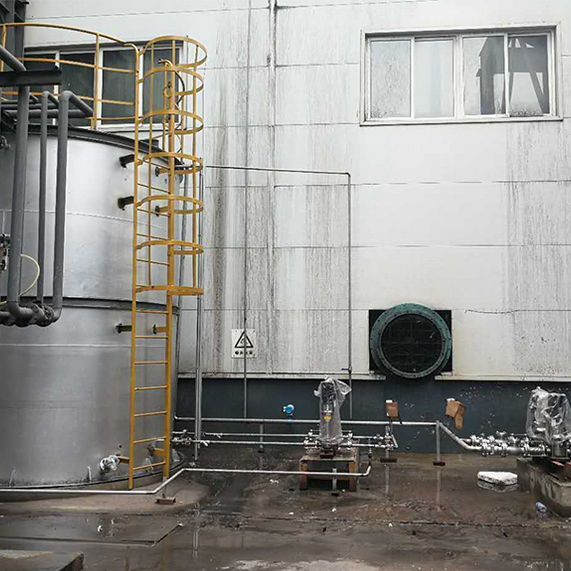
SNCR (Selective Non-Catalytic Reduction) denitrification technology is an economical and practical NOx removal technique. Its principle involves using ammonia, urea [CO(NH2)2], and other reductants, which are atomized or vaporized using the boiler's internal heat before injection or directly injected into the boiler. Within an appropriate temperature range, ammonia or urea in the gas phase decompose into radicals NH3 and NH2. Under specific temperature and oxygen conditions, the reaction between the reductant and NOx is preferential over other reactions. In a higher temperature range (850°C to 1150°C), the reductant (such as ammonia, CO, or hydrocarbons) selectively reduces NOx in flue gas to N2 and water, thereby reducing NOx emissions. The SNCR denitrification principle: The denitrification principle of SNCR technology is as follows: Within the temperature range of 850 to 1100°C, the main reaction for NH3 or urea to reduce NOx is: As a reductant, NH3: 4NH3 + 4NO + O2 → 4N2 + 6H2O As a reductant, urea: NO + CO(NH2)2 + 1/2O2 → 2N2 + CO2 + H2O The composition of the SNCR denitrification system: The SNCR denitrification system mainly consists of an ammonia area (unloading, storage), reductant transportation system, metering/distribution system, <span class="type1">injection</span> system, gas source station, and its control system. The SNCR system flue gas denitrification process is completed by the following four basic steps: unloading and storage of the reductant; injecting the diluted reductant at an appropriate location in the boiler; metering output of the reductant, mixing it with water to dilute the reductant, and mixing it with flue gas for denitrification reaction.


