




- AllProduct Category
-
Ceramic Whirlwind Child
Wet Electricity and Ultra-Clean Emission
Dust, desulfurization, and denitrification integrated system
Water Film Dust Collector Series
Baghouse Series
De-NOx Series
Desulfurization Series
Bag Dust Collector Series


详情描述
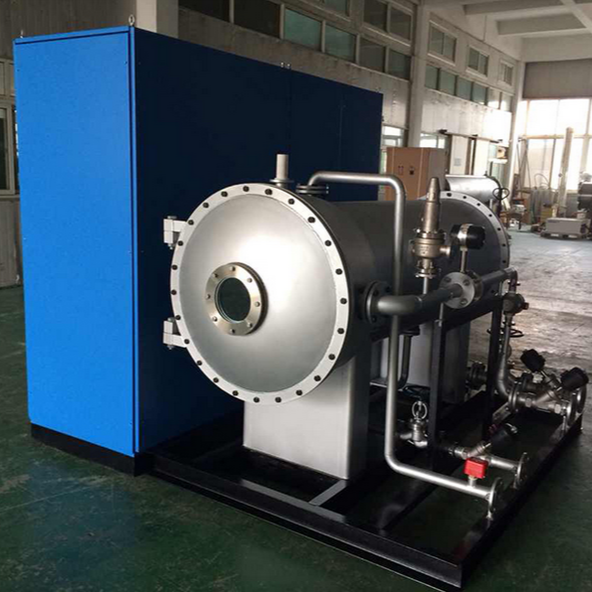
Ozone, as a strong oxidizing agent, can easily convert nitrogen monoxide (NO), which is difficult to dissolve in water, into water-soluble nitrogen dioxide (NO2), nitrogen trioxide (N2O3), and nitrogen pentoxide (N2O5) at high oxidation states. Then, in the scrubber, solutions like sodium sulfide (Na2S) and sodium hydroxide (NaOH) are used to absorb NOx and convert it into N2, achieving the removal goal. The removal rate of NOx is high, and the influencing factors of ozone denitration include molar ratio, reaction temperature, reaction time, properties of the absorption liquid, and the ozone dosing system. The ozone aeration system is designed considering these factors. During the design process, computational fluid dynamics (CFD) computer simulation analysis is used to optimize and re-improve, upgrading the original aeration pipeline to an ozone multi-point countercurrent jet aeration system. The ozone low-temperature denitration system meets standards and is applied in various furnace types such as sintering machines, chain furnaces, circulating fluidized bed boilers, glass kilns, waste incinerators, and biomass boilers. The ozone denitration principle involves the complex oxidation reaction process of O3 with NOx, which is actually reflected by the change in the oxidation state of nitrogen. The main reactions are: 2NO + 3O3 = 2N2O5 + 3O2, 2NO2 + O3 = 2N2O5 + O2, and NO + O3 = NO2 + O2. Compared to other chemical substances in the gas phase like CO and SOx, NOx can be quickly oxidized by ozone, making the ozone oxidation of NOx highly selective. Since NOx in the gas phase is converted into ionic compounds that dissolve in water, the oxidation reaction is more complete, irreversibly removing NOx without causing secondary pollution. After the oxidation reaction, the ozone added is consumed, and any excess ozone can be decomposed in the spray tower. Besides NOx, some heavy metals like mercury and other heavy metal pollutants are also oxidized by ozone. High concentrations of dust or solid particulates in the flue gas do not affect the denitration efficiency. In terms of process classification, ozone generators are high-voltage discharge generators that use a certain frequency of high-voltage current to create a high-voltage corona discharge field, causing oxygen molecules within or around the field to undergo electrochemical reactions, thereby producing ozone. VPSA air separation for oxygen production: compressed air is used as the gas source, filtered and purified before entering an adsorption tower filled with zeolite molecular sieves, producing high-purity oxygen that enters the ozone generator. Liquid oxygen source: liquid oxygen is used as the gas source, which is reduced in pressure and vaporized to produce oxygen that enters the ozone generator.


