
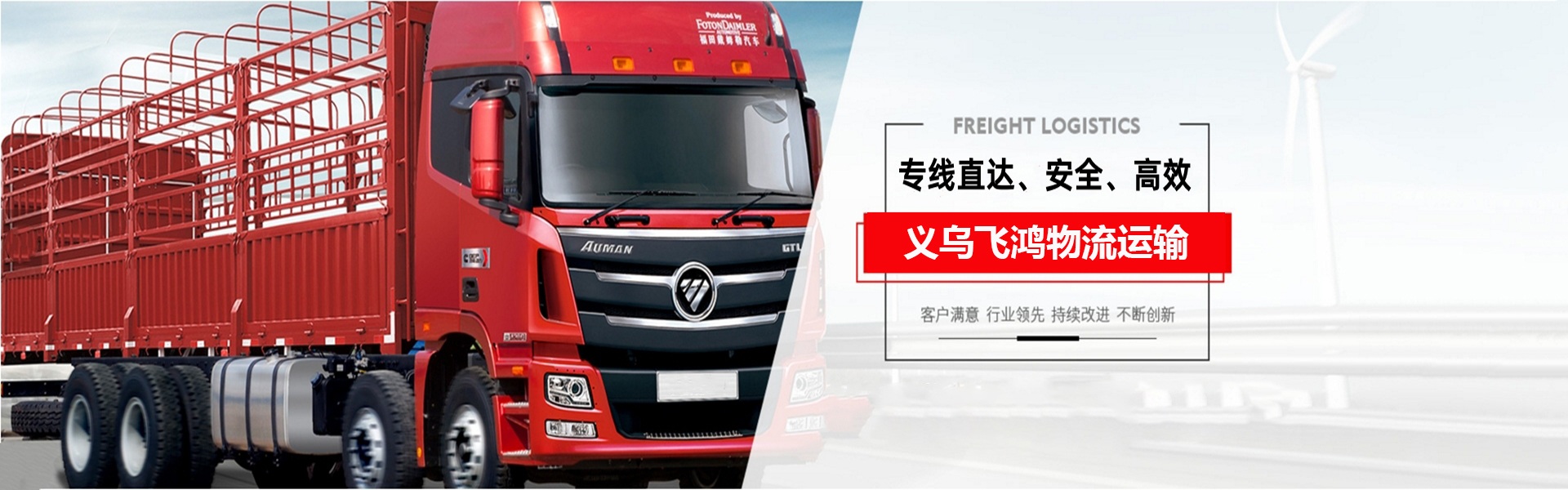



Regulations for the transportation of goods mainly include the following aspects:

Packaging Standards: The goods must be packaged in compliance with transportation standards to ensure they are not damaged during transit. Durable and sturdy materials such as wooden pallets and foam boxes should be used for packaging, and the items should be sealed according to the transportation standards to prevent them from falling or getting damaged.
Labeling Standards: All packaged goods must be clearly marked with the item name, quantity, weight, volume, shipper information, and consignee information for easy identification and management during transportation.
Insurance Standards: When arranging for logistics transportation, the insurance of the goods is also a factor to consider. The cargo owner should select an appropriate insurance type based on the actual condition of the goods to avoid economic losses due to unexpected incidents during transportation.
Customs Clearance Regulations: When goods require cross-border transportation, it is essential to adhere to relevant customs regulations, such as declaring goods information and paying taxes, to ensure smooth customs clearance.
Transportation Standards: During transportation, it is necessary to adhere to traffic regulations to ensure the safety of goods and vehicles. Additionally, compliance with relevant laws, regulations, and administrative rules is required to guarantee the legality and compliance of the transportation process.
In summary, the standards for logistics and transportation of goods primarily include packaging standards, labeling standards, insurance standards, customs clearance standards, and transportation standards. Shippers must adhere to these regulations based on the actual conditions of the goods to ensure safe and swift delivery to their destination.
