
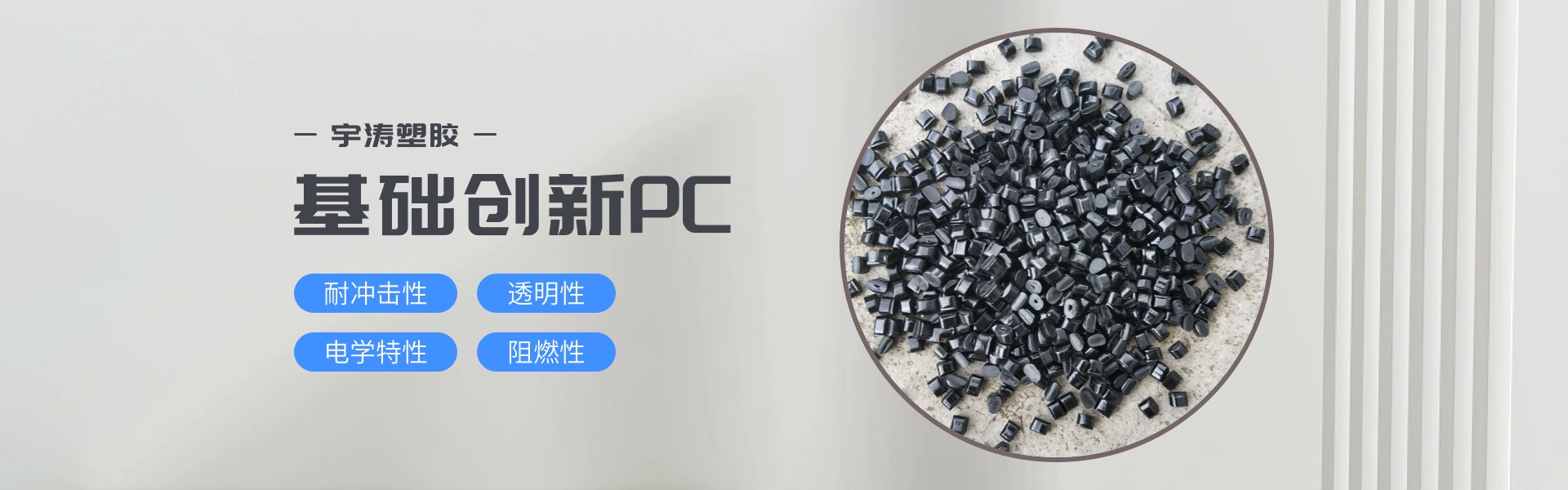

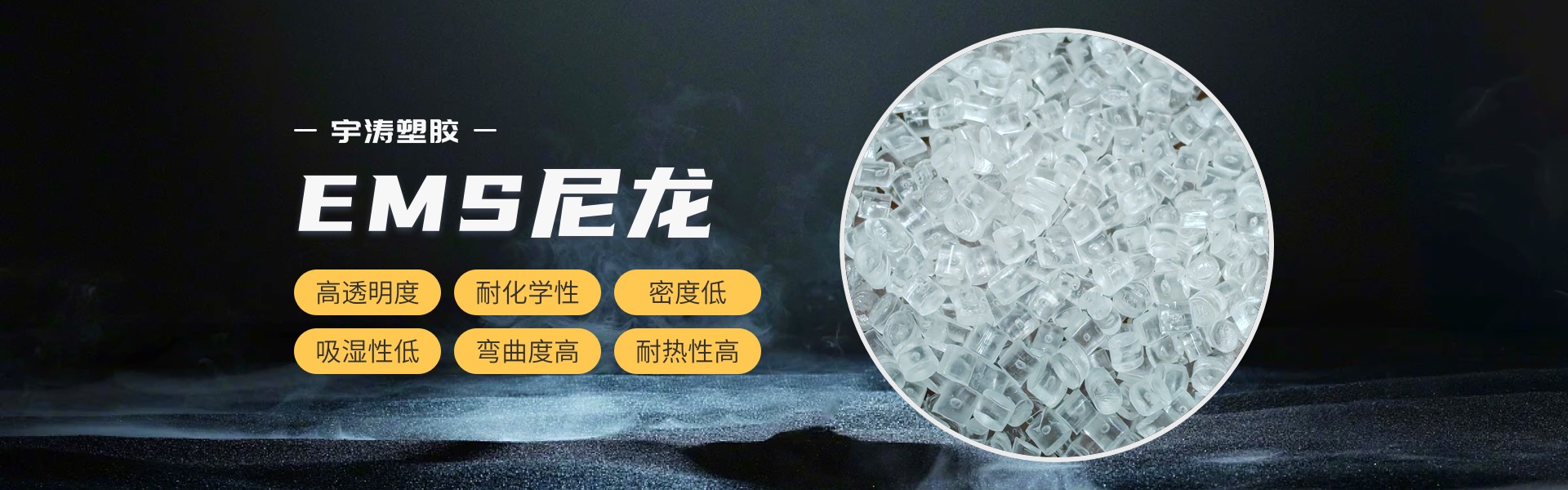





Plastic raw materials are mainly divided into thermoplastic and thermosetting plastics based on the molecular structure of synthetic resins: thermoplastic plastics refer to plastics that retain moldability after repeated heating; common materials include PE/PP/PVC/PS/ABS/PMMA/POM/PC/PA, etc. Thermosetting plastics mainly refer to plastics made from synthetic resins that harden upon heating, such as phenolic and amino plastics.
Plastic raw materials expand when heated, with a much higher coefficient of thermal expansion than metals.
b. The stiffness of general plastic materials is one order of magnitude lower than that of metals.
c. The mechanical properties of plastic raw materials will significantly degrade under prolonged heat exposure.
d. General plastic raw materials, when subjected to long-term stress below their yield strength at room temperature or lower, will experience deformation.
Plastic raw materials are highly sensitive to缺口 damage.
f. The mechanical properties of plastic materials are generally much lower than those of metals, but some composite materials have higher specific strength and modulus of elasticity than metals. Properly designed products can better utilize their superiority.
g. General enhancement of plastic raw material mechanical properties is anisotropic.
Some plastic raw materials are hygroscopic and can cause changes in size and performance.
Some plastics are flammable.
Plastic raw material fatigue data is still scarce, and it needs to be considered according to usage requirements.
