


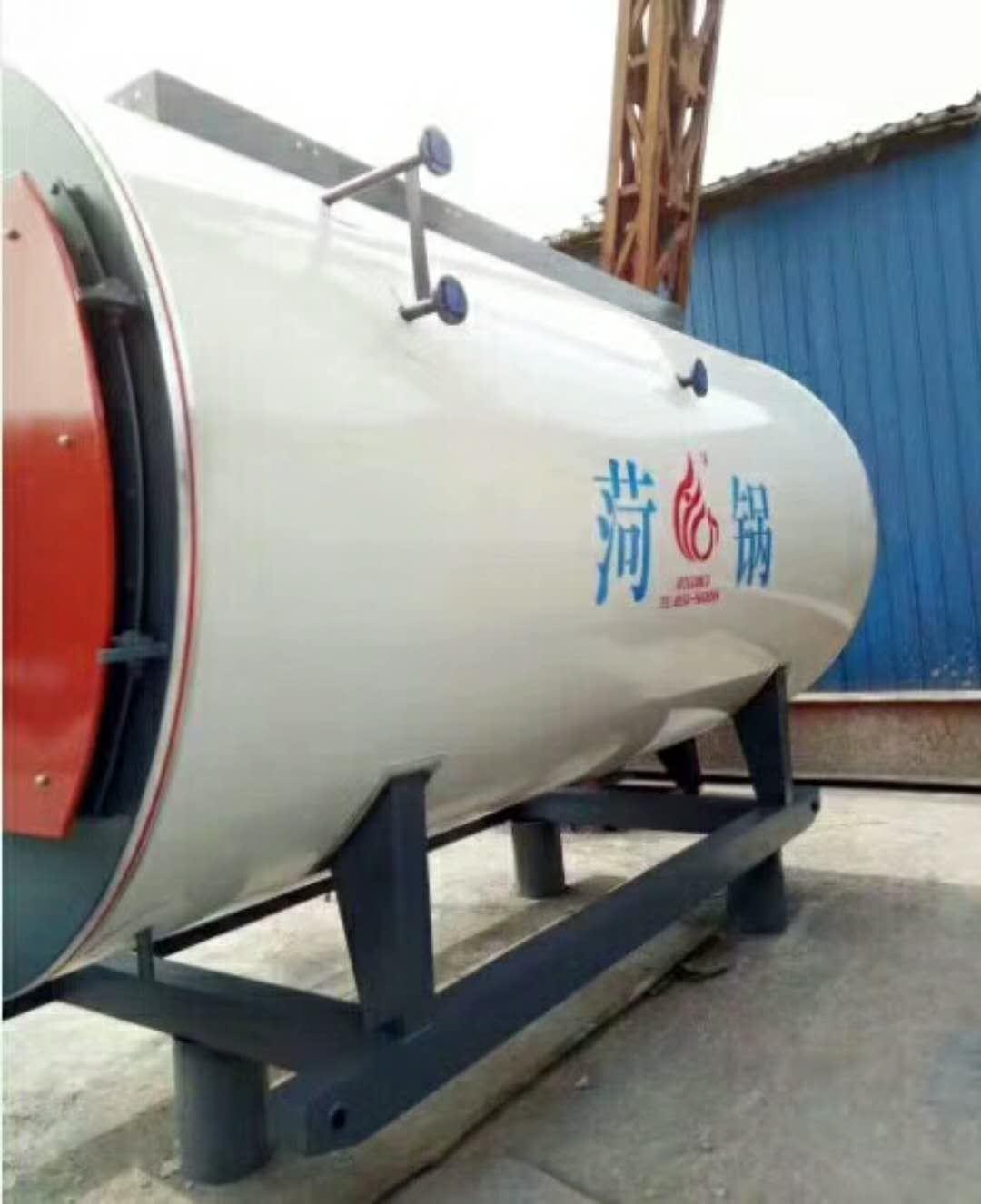
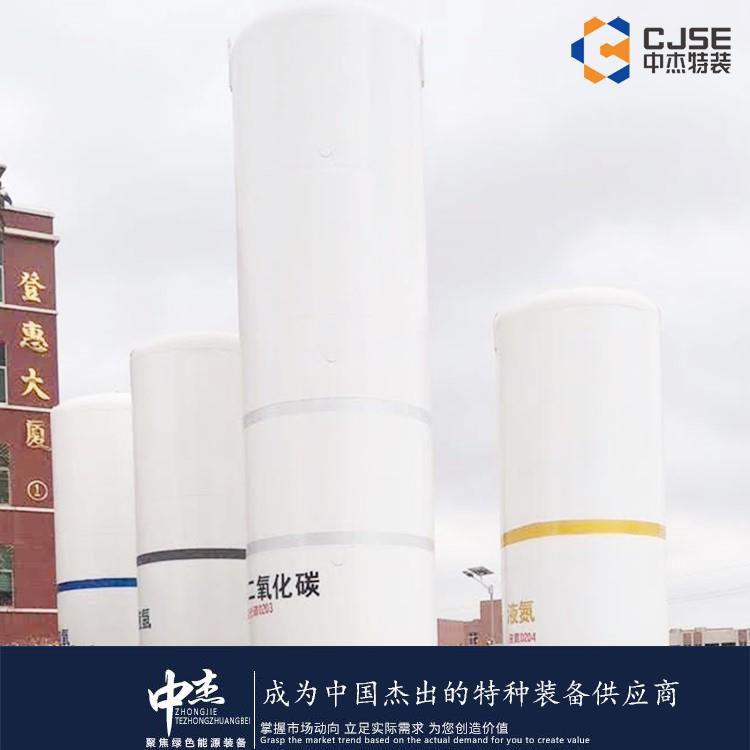
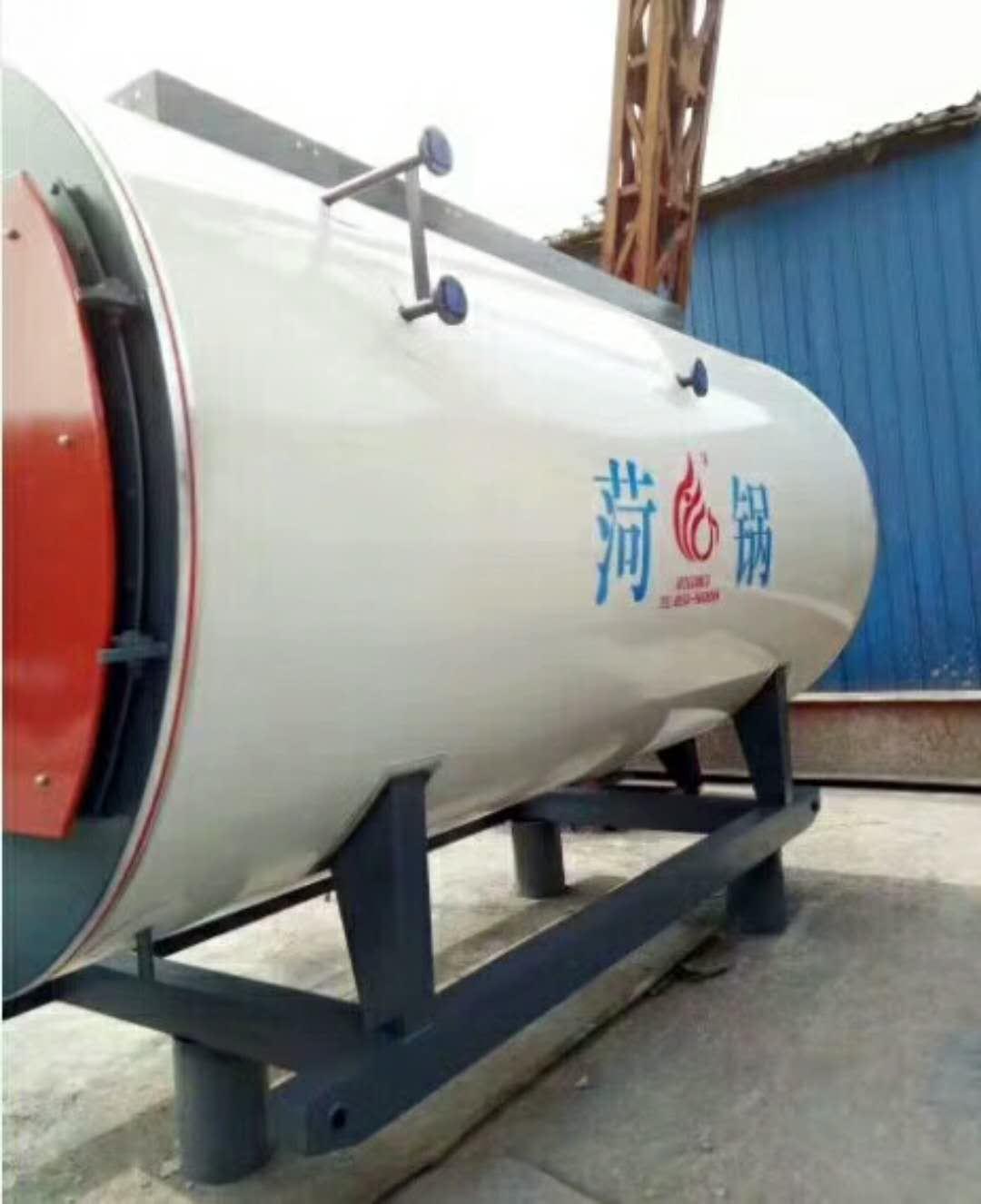
Shandong Zhongjie Special Equipment Co., Ltd. (formerly Heze Boiler Factory Co., Ltd.) was established in 2001, located at No. 2218 Jinnan Road, Development Zone, Heze City, with a registered capital of 50 million yuan and total assets of 500 million yuan. The company has 7 major business centers: boilers, deep-freezing containers, pressure vessels, central air conditioning, engineering installation, international trade, and Internet of Things. It has three factory sites on Jinnan Road, East Changjiang Road, and Bohai Road, covering a total of 200,000 square meters, with the main workshop area being 83,000 square meters. It currently employs 710 people, including 247 engineers and technicians, and 82 intermediate-level technicians. In December 2016, it was recognized as a "High-tech Enterprise" by the Science and Technology Department. In June 2021, it was identified as a "Specialized and New Enterprise in Shandong Province" by the Department of Industry and Information Technology. In June 2022, it was recognized as a "Gazelle Enterprise in Shandong Province" and in August 2022, it was identified as a "Specialized and New Small Giant Enterprise" by the Ministry of Industry and Information Technology.
When selecting low-temperature liquefied natural gas (LNG) storage tanks, the following factors should be considered:
Tank Types: Common LNG tank types include vertical fixed-roof tanks, spherical tanks, and horizontal tanks. Choose the appropriate tank type based on specific application requirements and site conditions.
Tank Capacity: Determine the tank capacity based on the storage requirements and estimated usage of LNG. The tank capacity should meet the expected storage cycle and supply demand.
Material Selection: LNG tanks typically use low-temperature steel or nickel alloy materials to ensure corrosion resistance and strength in low-temperature environments. Select the appropriate material based on the design pressure and temperature requirements of the tank.
Safety Performance: LNG tanks should have excellent safety performance, including seismic resistance, fire resistance, and leakage control capabilities. The tanks must comply with relevant safety standards and regulations, such as API 620, EN 1473, etc.
Maintenance and Repair: Consider the maintenance and repair requirements of the tank, including internal cleaning, coating protection, and corrosion prevention measures. The tank's design should facilitate maintenance and repair operations to ensure long-term reliable operation.
Environmental Impact: When selecting LNG tanks, consider their impact on the surrounding environment. The layout and design of the tanks should meet environmental protection requirements, minimizing noise, vibration, and gas emissions, etc.
Cost-effectiveness: Consider the investment, operation, and lifecycle costs of the storage tank, selecting one with a favorable price-performance ratio.
需要注意的是,选型LNG储罐时应遵循相关的和地区的法规、标准和规范。此外,咨询的工程师或储罐制造商,以获取更详细和准确的选型建议。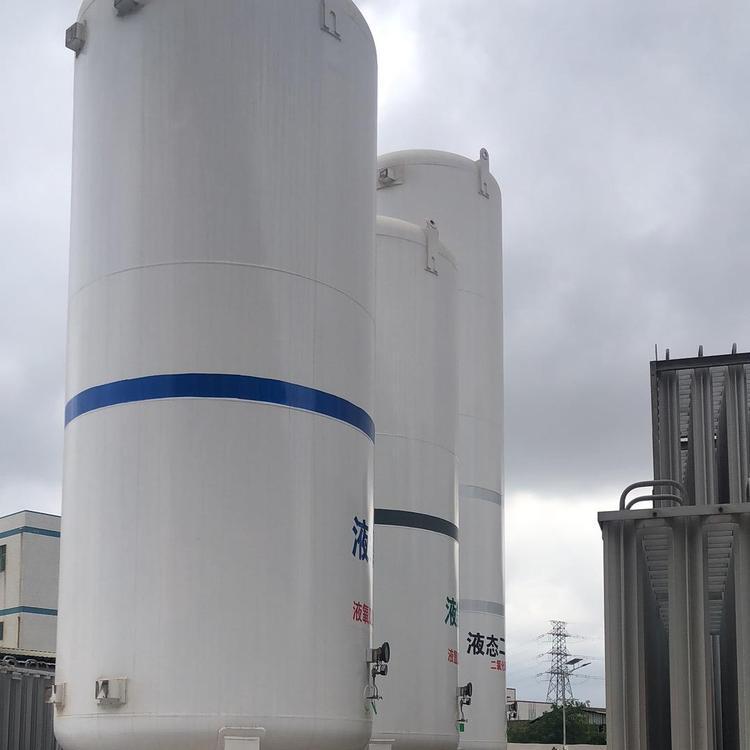
When selecting welding materials for pressure vessels, several factors should be considered:
Material Matching: The selection of welding materials should match the base material of the pressure vessel to ensure the strength and corrosion resistance of the weld joints. Common material matches include carbon steel welding materials with carbon steel base materials, stainless steel welding materials with stainless steel base materials, etc.
Strength Requirements: Select welding materials with sufficient strength based on the design requirements and working conditions of the pressure vessel. The strength of the welding materials should match the base material to ensure that the焊接 joint's strength does not become a weakness of the vessel.
Corrosion Resistance: Select welding materials with excellent corrosion resistance based on the working environment and medium of the pressure vessel. For instance, pressure vessels operating in corrosive media may require welding materials made of stainless steel with superior corrosion resistance.
Welding Properties: The selection of welding materials should consider their welding properties, including penetration depth, weld bead shape, and crack resistance. The choice of welding materials should meet the requirements of the welding process and ensure the quality of the weld joints.
Related Standards and Regulations: When selecting welding materials, refer to relevant standards and regulations, such as the ASME Boiler and Pressure Vessel Code, AWS (American Welding Society) standards, etc. These standards and regulations provide guidance and requirements for the selection of welding materials.
It's important to note that the selection of welding materials should be made by a welding engineer or a qualified welder. They can choose the appropriate materials based on specific application requirements, working conditions, and safety standards, in conjunction with relevant regulations and specifications. Additionally, manufacturers and suppliers often provide recommendations for welding material selection and technical support.
Operation procedures for liquid oxygen tanks should be established based on the specific tank design and usage requirements. The following are some common contents of general operation procedures for liquid oxygen tanks:
- Operator Training: Ensure operators have received relevant training for liquid oxygen tanks, understanding the tank's structure, performance, operation procedures, and safety precautions.
- Safety Inspections: Conduct necessary safety checks before operating the liquid oxygen tank, including checking the tank's integrity, valve and pipeline sealing, and the condition of the insulation layer.
- Liquid Oxygen Supply: Ensure the liquid oxygen supply system is functioning properly, including inspecting the status of the liquid oxygen supply pipelines, valves, and pressure gauges, and ensuring adequate supply.
- Tank Pressure Control: Monitor the pressure of the liquid oxygen tank to ensure it remains within a safe range. If necessary, control the tank's pressure by adjusting pressure valves or pressure relief devices.
- Leak Control: Regularly inspect the tank and pipeline sealing to ensure there are no leaks. If a leak is detected, take immediate action to control the leak and notify relevant personnel.
- Fire Prevention Measures: Prohibit open flames and prevent sparks and high-temperature objects from contacting the tank around the liquid oxygen tank. Establish fire prevention facilities and firefighting equipment, and conduct regular inspections and maintenance.
- Safety Distance: Maintain a certain safety distance around the liquid oxygen tank to prevent the spread of fires, explosions, and leaks.
- Maintenance and Repair: Regularly perform maintenance and repairs on the tank, including cleaning the tank, inspecting the insulation layer, valves, and pipeline conditions, to ensure normal operation.
- Waste Disposal: Properly dispose of waste generated by the liquid oxygen tank, including liquid oxygen residues, waste gases, and waste liquids, following relevant environmental protection regulations and regulations.
Note that operation procedures for liquid oxygen tanks should be established based on the specific tank design and usage requirements, and should comply with applicable regulations, standards, and safety guidelines. When operating liquid oxygen tanks, cooperate with local regulatory agencies and individuals to ensure the safety and reliability of the tanks.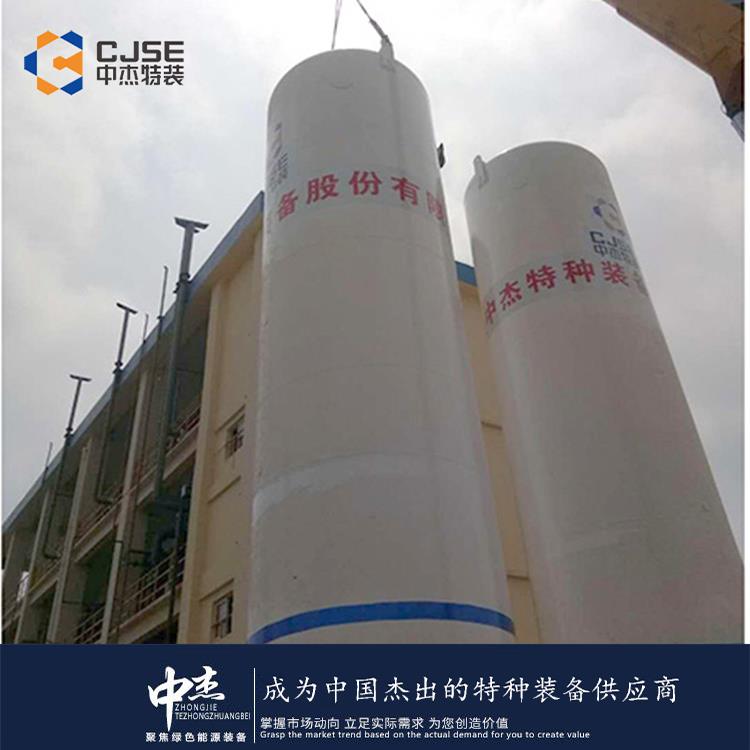
Liquid oxygen storage tanks are high-pressure, highly oxidizing equipment that require special attention to safety during use. Here are some safety precautions for liquid oxygen storage tanks: Operation: The operation of liquid oxygen storage tanks should be carried out by personnel who have been trained and have relevant experience. Operators should be familiar with the tank's structure, performance, and operating procedures, and operate strictly according to the operation manual and safety regulations. Fire Prevention Measures: Liquid oxygen is highly oxidizing and can easily cause fires and explosions. Open flames and objects that could cause sparks or high temperatures should be prohibited around the liquid oxygen storage tank. Fire prevention facilities and fire extinguishing equipment should be established, and regular inspections and maintenance should be conducted. Leakage Control: In the event of a leakage in a liquid oxygen storage tank, immediate measures should be taken to control the leakage. Leakage can lead to the evaporation of liquid oxygen and an increase in oxygen concentration, increasing the risk of fire and explosion. A leakage alarm system should be established, and leakage control devices and personal protective equipment should be provided. Insulation Protection: Liquid oxygen storage tanks should have good insulation protection to reduce the evaporation of liquid oxygen and maintain a low temperature state. The insulation layer should be inspected and maintained regularly to ensure its integrity and insulation performance. Safety Distance: A certain safety distance should be maintained around the liquid oxygen storage tank to prevent the spread of fires, explosions, and leaks. The specific requirements for safety distances should be assessed and determined according to local regulations and standards. Regular Inspections and Maintenance: Liquid oxygen storage tanks should be inspected and maintained regularly, including checking the structural integrity of the tank, valves, and pipelines for tightness.
Zhong Jie Special Equipment upholds the great vision of "Realizing employees' dreams, creating customer value, and striving for the prosperity and strength of our motherland," and is dedicated to the development of the green energy equipment industry. We contribute to society with products and services that offer high value for money!
Shaanxi Nitrogen Storage Tank - High Cost-Performance Ratio
