


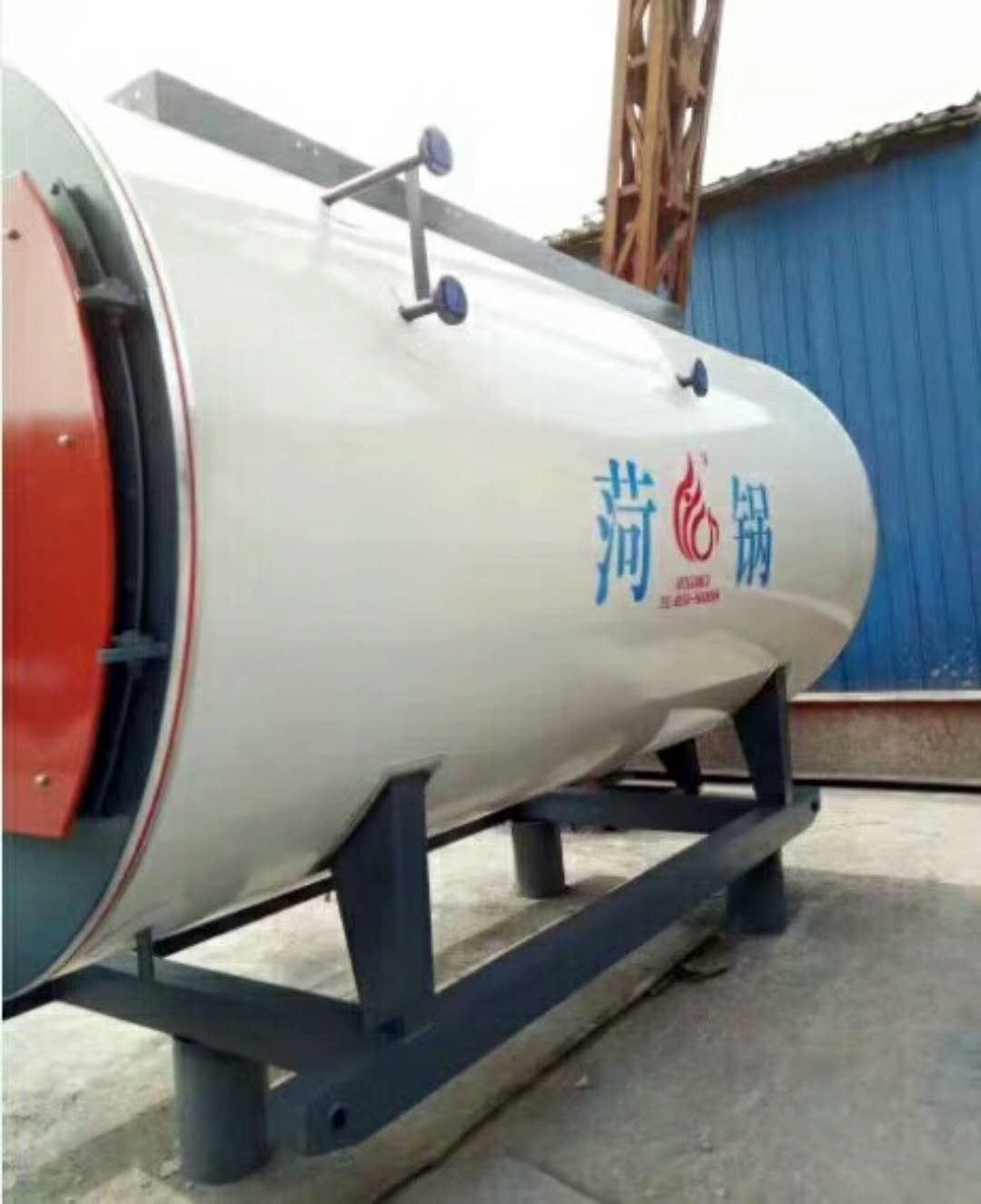
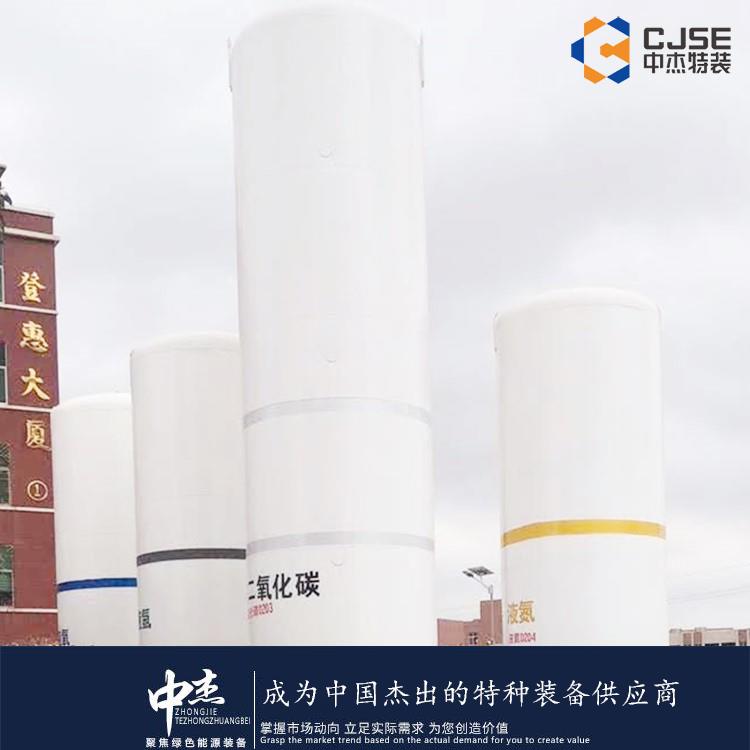
Shandong Zhongjie Special Equipment (formerly Heze Boiler Factory Co., Ltd.) was established in 2001, located at No. 2218 Jinnan Road, Development Zone, Heze City, with a registered capital of 50 million yuan and total assets of 500 million yuan. The company has 7 business centers: boilers, deep-freezing containers, pressure vessels, central air conditioning, engineering installation, international trade, and Internet of Things. It has three factory sites on Jinnan Road, East Changjiang Road, and Bohai Road, covering a total area of 200,000 square meters, with the main workshop spanning 83,000 square meters. It currently employs 710 people, including 247 engineers and technicians and 82 intermediate-level technicians. In December 2016, it was recognized as a "High-Tech Enterprise" by the Science and Technology Department. In June 2021, it was identified as a "Specialized and New Enterprise in Shandong Province" by the Ministry of Industry and Information Technology. In June 2022, it was recognized as a "Gazelle Enterprise in Shandong Province" and in August 2022, as a "Specialized and New Small Giant Enterprise" by the Ministry of Industry and Information Technology.
Liquid oxygen tanks are equipment used for storing and supplying liquid oxygen. Liquid oxygen is oxygen that has been cooled below its boiling point, transforming it into a liquid state. Liquid oxygen tanks are typically designed with double or multi-layer structures, filled with insulating material in the middle to minimize heat transfer and evaporation of the liquid oxygen.
The liquid oxygen tank features the following characteristics:
High Purity: The liquid oxygen storage tank contains highly pure liquid oxygen, typically exceeding 99.5% purity. This makes the liquid oxygen storage tank essential for applications requiring high purity oxygen, such as medical, aerospace, and research fields.
Low Temperature: As the boiling point of liquid oxygen is -183°C, liquid oxygen storage tanks must have excellent insulation properties to maintain the low temperature state of the liquid oxygen. Tanks are typically designed with double or multi-layer structures, filled with insulating material in between to minimize heat transfer and evaporation of the liquid oxygen.
High Pressure: Liquid oxygen tanks typically need to withstand high pressure to maintain their liquid state. The design and material selection of the tank must consider the pressure requirements of liquid oxygen to ensure the tank's safety and reliability.
Flammability: Liquid oxygen is highly flammable and supports combustion. Therefore, fire prevention measures must be implemented during the design and use of liquid oxygen storage tanks to ensure there are no ignition sources nearby, and appropriate fire extinguishing equipment is available.
High Density: Liquid oxygen has a higher density, allowing liquid oxygen tanks to store more oxygen than gas oxygen. This gives liquid oxygen tanks an advantage in applications requiring large oxygen supplies, such as in the field.
The use of liquid oxygen tanks must strictly adhere to relevant safety regulations and operational guidelines to ensure safe operation and usage of the tank.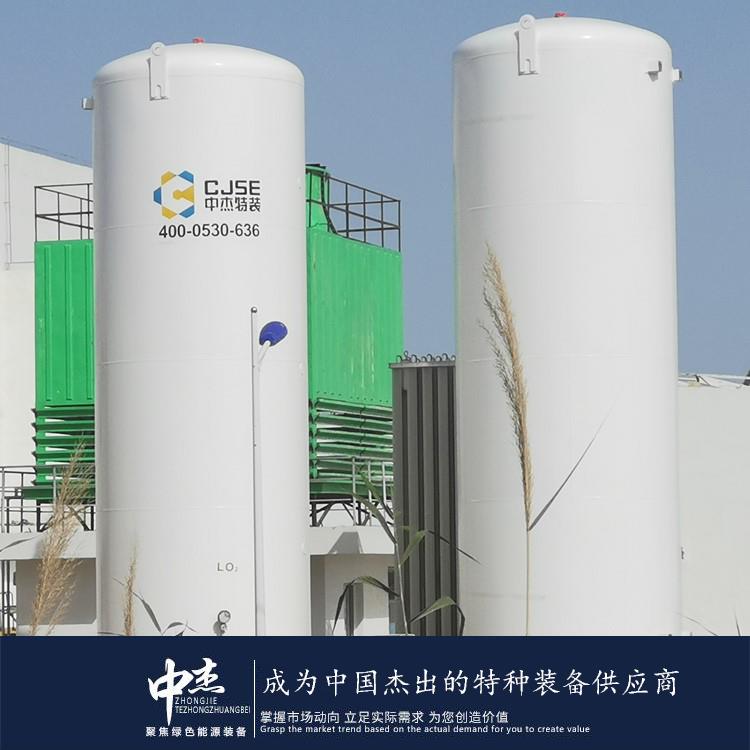
The manufacturing process for the heads and cylinders of low-temperature storage tanks typically includes the following steps:
Material Preparation: Select suitable materials such as low-temperature alloy steel or stainless steel according to design requirements and specifications. Inspect and accept the materials to ensure they meet quality standards.
Sheet Cutting: Sheets are cut to the specified dimensions and shapes. Common cutting methods include flame cutting, plasma cutting, or laser cutting, among others.
Bending and Shaping: Cut sheets are bent and shaped to form heads and cylindrical shapes. Common shaping methods include cold bending, hot bending, or hydraulic forming, etc.
Welding: Welds the shaped sheets together to form the structure of the head and cylinder. Common welding methods include manual arc welding, gas shielded welding, or laser welding, etc.
Weld Seam Treatment: Post-welding, the weld seams are treated to enhance quality and appearance, including processes such as sanding, polishing, or applying anti-corrosion coatings.
Inspection and Acceptance: Conduct inspections and acceptances on the finished heads and cylinders to ensure their quality and compliance with design specifications. Common inspection methods include ultrasonic testing, radiographic testing, or liquid penetrant testing, etc.
Reinforcement and Support: As required, reinforcement and support processing and installation are performed on the heads and cylinders to enhance the structural strength and stability.
Surface Treatment: The heads and cylinders are subject to surface treatment, such as coating with anti-corrosion paint, hot-dip galvanizing, or polishing, to enhance their corrosion resistance and aesthetic quality.
It is important to note that the manufacturing process of low-temperature storage tanks must comply with relevant standards and regulations to ensure the quality and safety of the production. During the manufacturing process, strict adherence to safety operation procedures and the implementation of necessary protective measures are required to ensure the safety of the operators.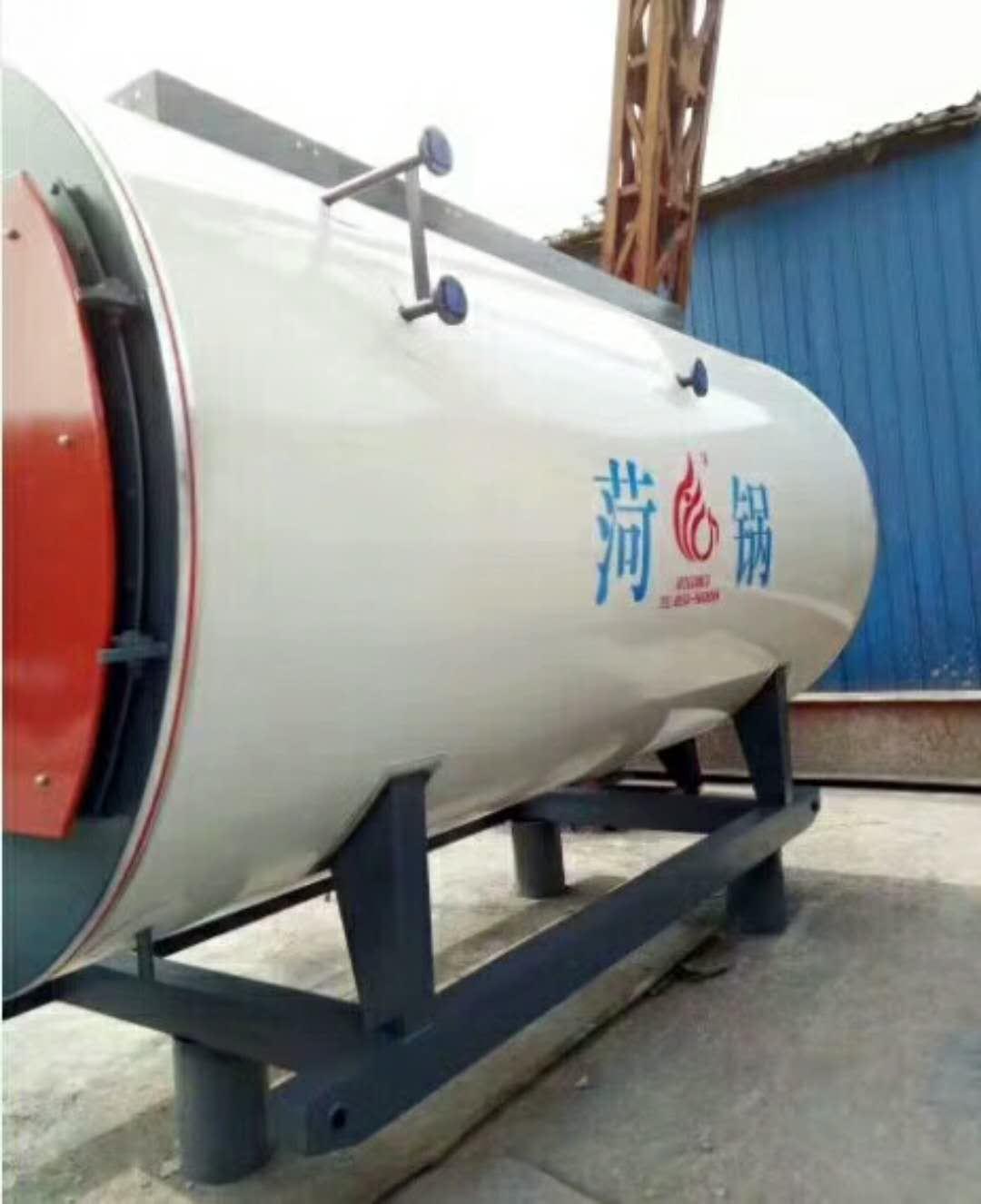
Oxygen storage tanks and liquid oxygen storage tanks are used for storing oxygen, but they have some differences:
- Storage Form: Oxygen storage tanks are typically used for storing gaseous oxygen, while liquid oxygen storage tanks are used for storing liquid oxygen. Oxygen is in a gaseous state at room temperature but can be cooled to a liquid state at lower temperatures for more efficient storage and use.
- Storage Pressure: Oxygen storage tanks usually store high-pressure oxygen, with pressures around 200-300 bar. Liquid oxygen storage tanks store liquid oxygen at lower pressures, generally between 2-5 bar.
- Storage Capacity: Oxygen storage tanks usually have smaller capacities, suitable for personal or small-scale use. Liquid oxygen storage tanks have larger capacities, suitable for industrial or large-scale applications.
- Storage Method: Oxygen storage tanks store oxygen in a gaseous form, via compressed gas storage. Liquid oxygen storage tanks store oxygen as a liquid, by cooling it to temperatures below its boiling point to convert it into a liquid form.
- Safety Requirements: Due to the highly oxidizing nature of liquid oxygen, liquid oxygen storage tanks require stricter safety standards in design and use. These tanks usually need to have good thermal insulation, leak control, and fire prevention measures to ensure safe operation.
- Note: The specific design and specifications of oxygen storage tanks and liquid oxygen storage tanks may vary depending on different regions and application sites. When using these tanks, follow applicable regulations, standards, and safety guidelines, and cooperate with local regulatory agencies and personnel to ensure the safety and reliability of the tanks.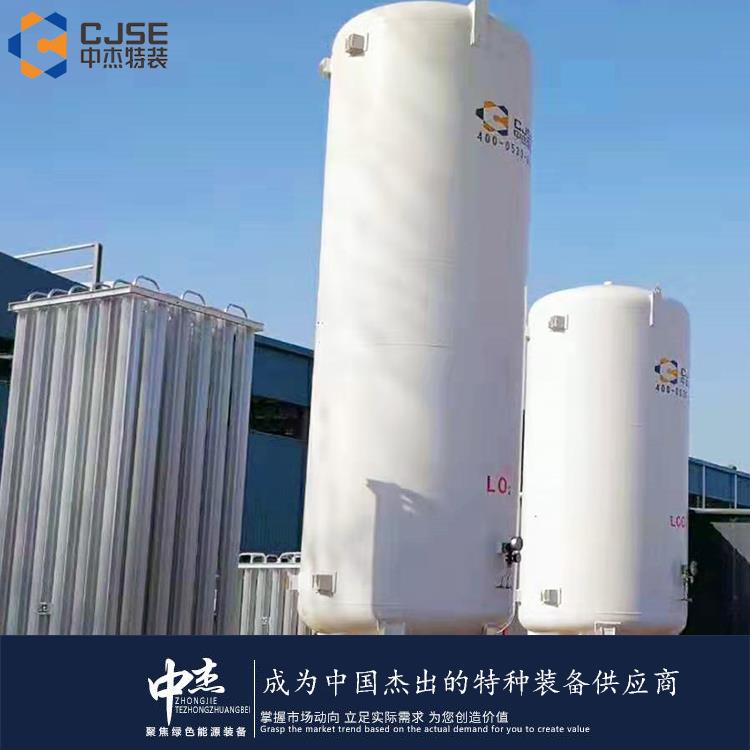
Prior to using the liquid oxygen tank, the following preparations must be made:
Safety Inspection: Ensure the tank and its surrounding environment are safe. Check for any damage, leaks, or other safety hazards on the tank. Make sure there are no flammable materials or other hazardous items in the vicinity of the tank.
Tank Preparation: Inspect the tank's exterior, including the shell, welds, valves, and fasteners. Ensure there are no visible damages or corrosion. Check that the insulation layer is intact and undamaged.
Liquid Oxygen Filling: Utilize liquid oxygen supply equipment to fill liquid oxygen into the tank. Ensure that the flow rate and pressure of liquid oxygen are controlled within a safe range during the filling process.
Pressure Control: Tanks should be equipped with pressure control devices to ensure the internal pressure of the tank remains within a safe range. Inspect and adjust the pressure control devices to ensure proper operation.
Valve Operation: Check that the valves and connections on the tank are functioning properly. Ensure the valves open and close smoothly and reliably. Adjust the open and closed states of the valves as needed.
Safety Equipment: Inspect the safety equipment around the storage tank, such as fire separation zones and alarm systems, to ensure they are functioning properly.
Operator Training: Ensure operators are proficient in the safe operation of liquid oxygen storage tanks.
Our company attaches great importance to technological innovation and research and development. We have 1 municipal-level enterprise technology center in Heze City, equipped with testing facilities such as non-destructive testing, physical and chemical testing, welding testing, hydrostatic testing, and more. We have over 600 various equipment and instruments, including CNC machine tools, X-ray flaw detectors, digital ultrasonic flaw detectors, mechanical property testing machines, chemical analyzers, spectrometers, tensile testing machines, plasma welding machines, etc. The key products and technologies we have developed, such as temperature-pressure vessel welding, biomass boiler emission reduction, and waste heat utilization, have successively been selected for multiple Shandong Provincial Department of Industry and Information Technology scientific and technological innovation projects, key projects in Shandong Province, and Heze City innovative and excellent projects, etc. We have cumulatively obtained 27 authorized utility model patents, 16 authorized invention patents, participated in drafting 2 standards, 2 industry standards, and registered 15 trademarks. Our technical team, in collaboration with Professor Li Yajiang of Shandong University, has developed deep cryogenic container processing technology using the internationally recognized plasma arc + wire feeding argon arc welding (PAW-GTAW) technology. The provincial-level scientific and technological achievement identification has confirmed that our technology level in deep cryogenic container manufacturing has reached an international standard. Choose Zhongjie Special Equipment, let's join hands to create brilliance!
Shaanxi 5 cubic meter argon storage tank - Over 20 years of experience for added peace of mind
