


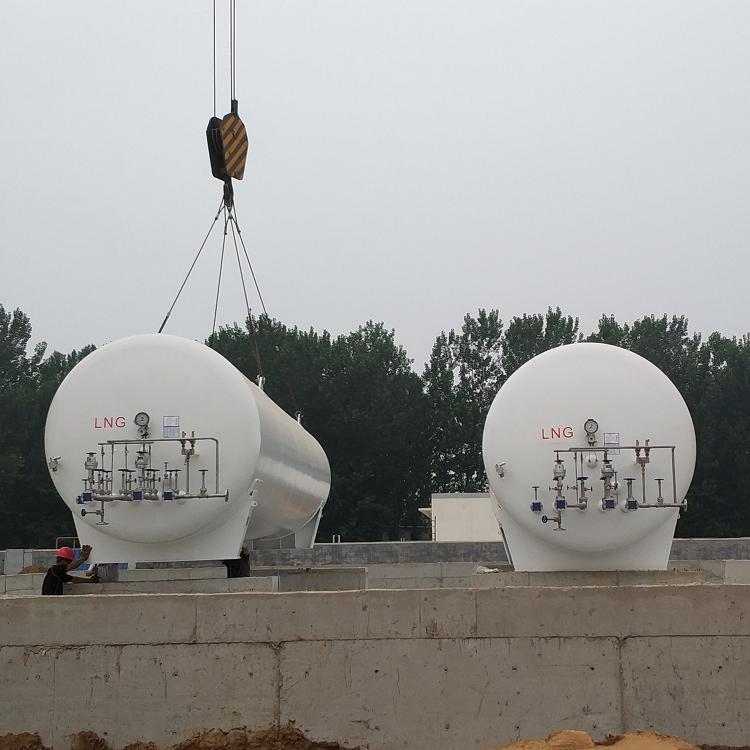
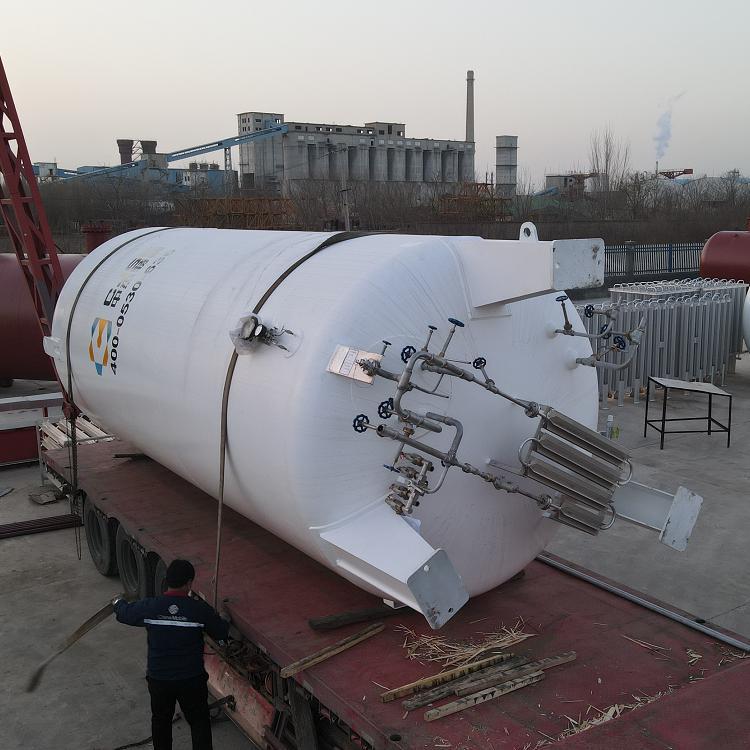
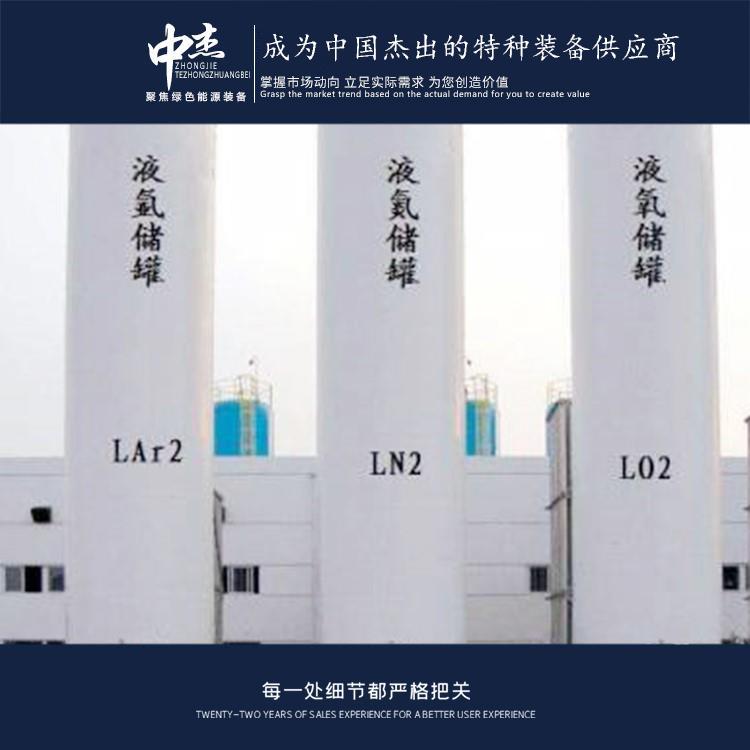
Shandong Zhongjie Special Equipment (formerly Heze Boiler Factory Co., Ltd.) was established in 2001, located at No. 2218 Jinnan Road, Development Zone, Heze City. With a registered capital of 50 million yuan and total assets of 500 million yuan, the company has 7 business centers: boilers, deep-freezing containers, pressure vessels, central air conditioning, engineering installation, international trade, and the Internet of Things. It has three manufacturing sites on Jinnan Road, East Changjiang Road, and Bohai Road, covering a total of 200,000 square meters, with the main workshop spanning 83,000 square meters. It currently employs 710 people, including 247 engineers and technicians and 82 intermediate-level technicians. In December 2016, it was recognized as a "High-tech Enterprise" by the Science and Technology Department. In June 2021, it was named a "Specialized and New Enterprise in Shandong Province" by the Industry and Information Technology Department. In June 2022, it was identified as a "Gazelle Enterprise in Shandong Province" and in August 2022, it was recognized as a "Specialized and New Small Giant Enterprise" by the Ministry of Industry and Information Technology.
When using a 50-cubic-liter liquid oxygen storage tank, the following safety issues should be noted:
Tank Pressure Control: Ensure the liquid oxygen pressure within the tank is consistently maintained within a safe range. Monitor and control the tank's pressure to avoid risks from excessive or low pressure.
Leakage and Fire Prevention: Regularly inspect the tank and related piping for sealing integrity to prevent oxygen liquid leakage. Oxygen liquid is highly flammable, and fire prevention measures must be taken to ensure there are no sources of fire around the tank.
Explosion-proof Measures: Oxygen in the liquid oxygen storage tank can potentially cause an explosion upon contact with flammable substances. Ensure there are no flammable items around the tank and implement explosion-proof measures, such as explosion-proof electrical equipment and static grounding.
Safety Valves and Emission Systems: Tanks should be equipped with safety valves and an emission system to prevent overpressure conditions. Ensure the proper functioning of the safety valves and the unobstructed flow of the emission system.
Routine Maintenance and Inspection: Conduct regular maintenance and inspections of the storage tank, including cleaning, coating protection, and corrosion prevention. Ensure the structural integrity and safety of the tank.
Safety Operation and Training: Operators must undergo relevant safety training, familiarize themselves with the safe operation procedures and emergency response measures for liquid oxygen storage tanks. Adhere to the correct operational steps to ensure safe operation.
Environmental Monitoring: Regularly monitor the oxygen concentration and temperature, among other environmental parameters, around the storage tanks to ensure safety.
Emergency Preparedness: Develop an emergency response plan including measures for leaks, fires, and explosions. Equip with appropriate emergency equipment and firefighting supplies to handle unforeseen incidents.
The above lists some safety concerns to be aware of when using a 50-cubic-liter liquid oxygen storage tank. To ensure safety, it's recommended to follow relevant safety regulations and operating guidelines, and seek assistance and guidance from experts when needed.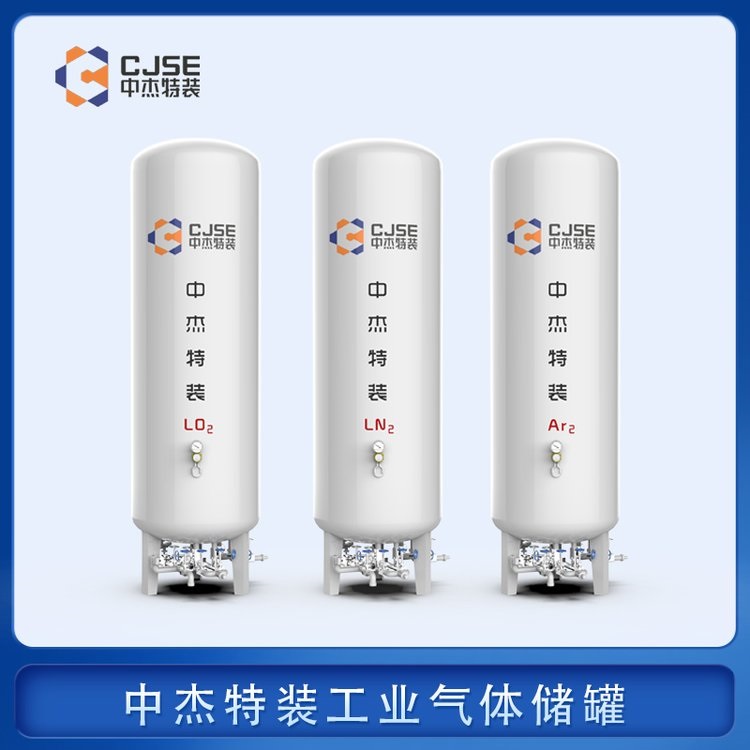
The reasons why low-temperature liquid storage tanks have been at the peak in recent years are as follows:
Rising Demand: With the development of industries such as manufacturing and scientific research, there is a growing demand for cryogenic liquids. Cryogenic liquid storage tanks can effectively store and supply liquids like liquid oxygen, liquid nitrogen, and other cryogenic gases, meeting the needs of various fields.
Technical Advancements: In recent years, the manufacturing and material technologies for low-temperature liquid storage tanks have continually improved and innovated. The application of new insulation materials, advanced refrigeration systems, and safety control devices has enhanced the performance and safety of the tanks, making them more reliable and secure.
Environmental Awareness Enhancement: Low-temperature liquid storage tanks enable effective storage and utilization of low-temperature liquids, reducing energy waste and environmental pollution. Against the backdrop of enhanced environmental awareness, low-temperature liquid storage tanks, as an environmentally friendly and energy-saving device, have garnered more attention and application.
Emerging Application Fields: There is a growing demand for low-temperature liquid storage tanks in emerging application fields. For instance, the application of liquid nitrogen in frozen food, biopharmaceuticals, and semiconductor manufacturing is becoming more widespread, which has propelled the development of low-temperature liquid storage tanks.
Policy Support: The government has provided support and encouragement for the development of low-temperature liquid storage tanks. Through policy guidance and financial support, the industry has been promoted and expanded.
In summary, the reasons for the peak popularity of low-temperature liquid storage tanks in recent years include increasing demand, technological advancements, heightened environmental awareness, the development of new application areas, and policy support. These factors have collectively driven the rapid growth of the low-temperature liquid storage tank industry.
When selecting welding materials for pressure vessels, several factors should be considered:
Material Matching: The selection of welding materials should match the base material of the pressure vessel to ensure the strength and corrosion resistance of the weld joint. Common material matches include carbon steel welding materials with carbon steel base materials, stainless steel welding materials with stainless steel base materials, etc.
Strength Requirements: Select welding materials with sufficient strength based on the design requirements and working conditions of the pressure vessel. The strength of the welding materials should match the base material to ensure that the strength of the weld joint does not become a weak point of the vessel.
Corrosion Resistance: Select welding materials with excellent corrosion resistance based on the working environment and medium of the pressure vessel. For instance, pressure vessels operating in corrosive media may require welding materials made of stainless steel with superior corrosion resistance.
Welding Performance: The selection of welding material should consider its welding performance, including penetration depth, weld bead shape, crack resistance, etc. The chosen material should meet the requirements of the welding process and ensure the quality of the weld joint.
Related Standards and Regulations: When selecting welding materials, refer to relevant standards and regulations such as the ASME Boiler and Pressure Vessel Code, AWS (American Welding Society) standards, etc. These standards and regulations provide guidance and requirements for welding material selection.
It's important to note that the selection of welding materials should be made by a welding engineer or a qualified welder. They can choose the appropriate materials based on specific application requirements, working conditions, and safety standards, in conjunction with relevant specifications and regulations. Additionally, manufacturers and suppliers usually offer suggestions for welding material selection and technical support.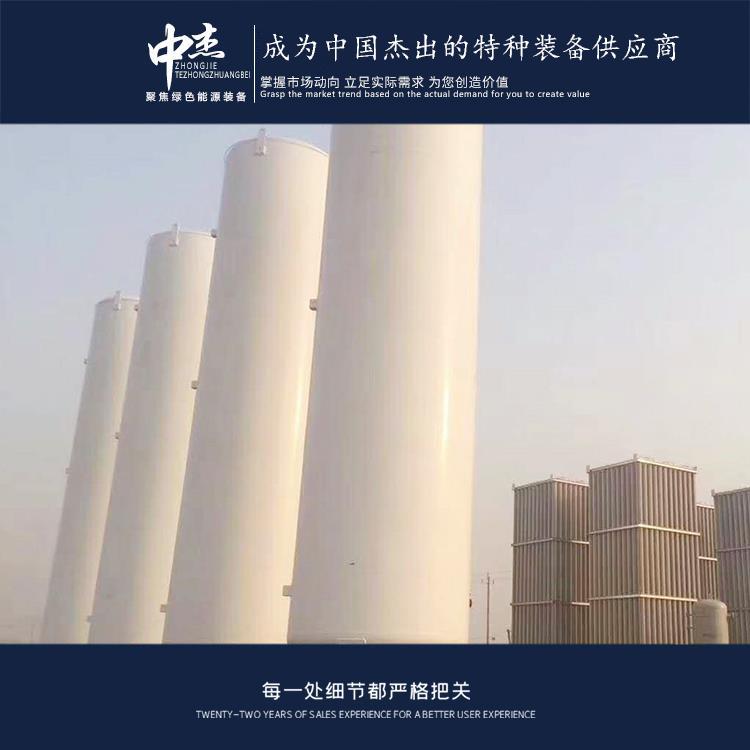
The Zhongjie Liquid Oxygen Storage Tank boasts the following notable advantages:
Material: Made of stainless steel, offering excellent corrosion and high-temperature resistance, ensuring the long-term stable operation of the storage tank.
Our manufacturing process: The manufacturing techniques and equipment employed ensure the quality and precision of the tank's construction, meeting process requirements.
Safety & Reliability: Tanks are designed and manufactured to stringent standards, equipped with safety valves, pressure sensors, and other safety devices to ensure operation within normal working pressure ranges and to handle emergencies.
Energy-saving: Tanks feature optimized insulation design and materials to minimize energy loss and enhance energy utilization efficiency.
High Capacity: The storage tank is designed with a large capacity, capable of meeting the liquid oxygen storage needs of various scales and requirements.
Flexible and Adjustable: The tank features a design that allows for capacity adjustments and expansions to meet actual requirements.
Easy to operate and maintain: The tank is equipped with a user-friendly interface and control system, facilitating operation and maintenance for operators.
Longevity: The tank boasts excellent durability and corrosion resistance, ensuring long-term stable operation and reducing the frequency of replacements and maintenance.
Environmental Protection and Energy Saving: Tanks are made with eco-friendly materials and processes, reducing environmental impact, and through energy-saving design and operation, lowering energy consumption.
Customized Services: Zhejiang Jieteng provides customized design and services for liquid oxygen storage tanks, tailored to meet the specific requirements and needs of customers, ensuring personalized solutions.
These advantages make ZheJie Liquid Oxygen Storage Tanks a reliable and safe solution for liquid oxygen storage, widely used in industries, scientific research, and more.
Zhong Jie Special Equipment upholds the grand vision of "realizing the dreams of our employees, creating value for our clients, and striving for the prosperity and strength of our motherland," and is dedicated to the development of the green energy equipment industry. We commit to society with high-quality, cost-effective products and services!
Chengde Liquid Oxygen Storage Tank - Genuine Manufacturer
