


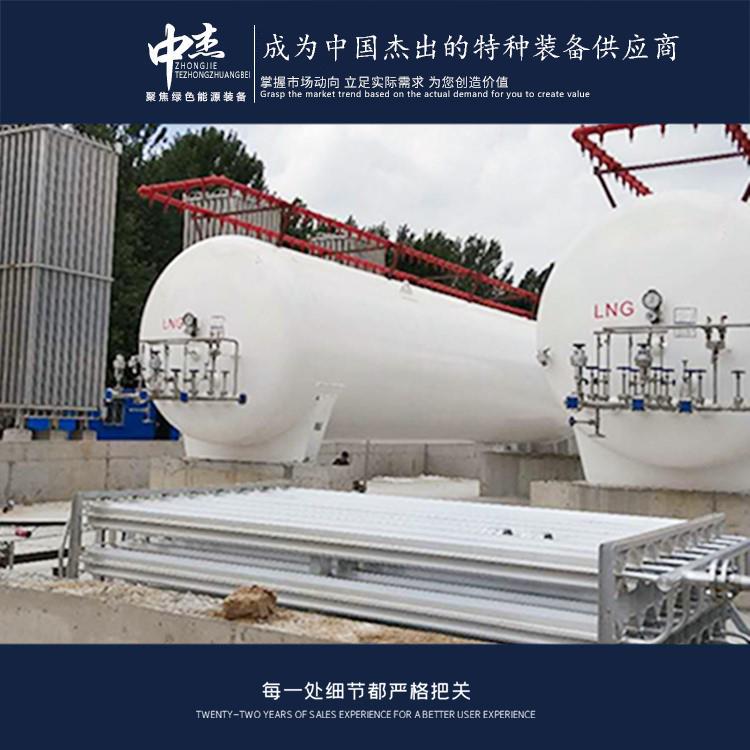
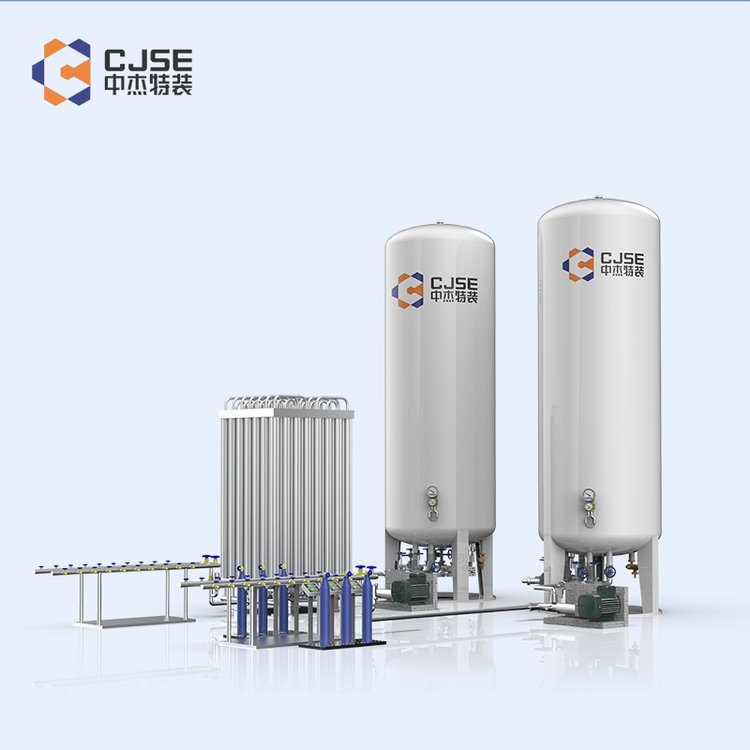
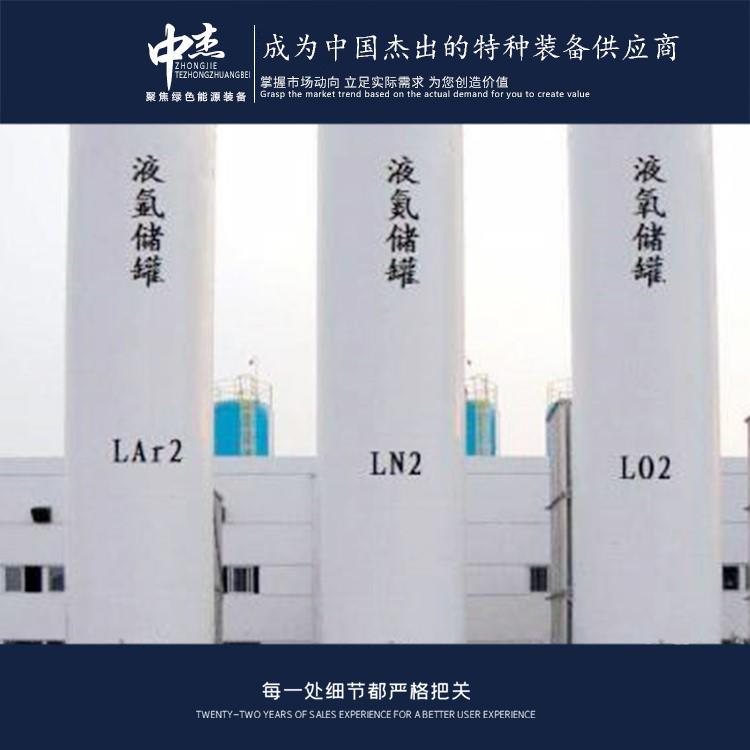
Shandong Zhongjie Special Equipment specializes in: fuel (gas) boilers, organic heat carrier boilers, biomass boilers, waste heat recovery boilers, and other boiler products; vacuum insulated cryogenic pressure vessels such as LNG tanks, oxygen/nitrogen/argon tanks, CO2 tanks; pressure vessel products including denitrification engineering equipment, heat storage and energy storage equipment, complete chemical equipment sets; central air conditioning and HVAC equipment such as ground (water) source heat pumps, air source units, water-cooled screw units, and air-cooled modular units. Planned products include large-scale energy centers, LNG transport vehicles, LNG tank containers, and other green energy equipment.
The oxygen-filling process for liquid oxygen tanks must adhere to specific operational procedures and safety measures. Here are the steps for filling liquid oxygen tanks:
Preparation: Ensure the tanks and oxygen-filling equipment are in good working condition, check the tank's sealing and the normal operation of the safety valve.
Connect equipment: Link the oxygenation equipment to the tank, ensuring the connection is sealed reliably.
Prepare liquid oxygen: Transfer liquid oxygen from the storage container to the storage tank of the oxygen-filling equipment. During the transfer, be cautious to avoid any leakage or contact with the liquid oxygen.
Oxygen Filling Operation: Open the valve of the oxygen filling equipment and fill liquid oxygen into the storage tank from the oxygen storage cylinder. During the filling process, control the filling speed and pressure to prevent excessive pressure and temperature increase in the tank.
Monitoring and Control: During the aeration process, it is necessary to monitor the tank's pressure and temperature to ensure they remain within safe limits. In case of any abnormalities, the aeration should be halted immediately and appropriate measures should be taken.
Oxygen Filling Completed: Close the valve of the oxygen filling equipment and cease the oxygen filling operation once the tank reaches the required oxygen level or pressure.
Safety Handling: After oxygenation is complete, safety handling is required, including closing relevant valves and emptying the remaining liquid oxygen from the oxygenation equipment.
Note that liquid oxygen is highly oxidizing and flammable; the oxygen-filling process must strictly adhere to relevant safety operating procedures and standards. Operators should receive training and strictly follow the operational procedures and safety measures to ensure the safety and reliability of the oxygen-filling process.
Operation procedures for liquid oxygen storage tanks should be established based on specific tank design and usage requirements. The following are some common contents of general operation procedures for liquid oxygen storage tanks:
- Operator Training: Ensure operators have received relevant training for liquid oxygen storage tanks, understanding the tank's structure, performance, operation procedures, and safety considerations.
- Safety Inspections: Conduct necessary safety checks before operating the liquid oxygen storage tank, including checking the tank's integrity, the sealing of valves and pipelines, and the condition of the insulation layer.
- Liquid Oxygen Supply: Ensure the liquid oxygen supply system is functioning properly, including checking the status of the supply pipelines, valves, and pressure gauges, and ensuring an adequate supply of liquid oxygen.
- Tank Pressure Control: Monitor the pressure of the liquid oxygen storage tank to ensure it remains within a safe range. If necessary, control the tank's pressure by adjusting pressure valves or pressure relief devices.
- Leak Control: Regularly inspect the sealing of the tank and pipelines to ensure there are no leaks. In case of a leak, take immediate measures for leak control and notify relevant personnel.
- Fire Prevention Measures: Prohibit open flames and prevent sparks and high-temperature objects from contacting the tank around the storage tank. Establish fire prevention facilities and fire extinguishing equipment, and check and maintain them regularly.
- Safety Distance: Maintain a certain safety distance around the liquid oxygen storage tank to prevent the spread of fires, explosions, and leaks.
- Maintenance and Repair: Regularly perform maintenance and repairs on the tank, including cleaning the tank, inspecting the insulation layer, valves, and pipelines, to ensure the tank operates normally.
- Waste Disposal: Properly dispose of waste generated by the liquid oxygen storage tank, including liquid oxygen residues, waste gases, and waste liquids, following relevant environmental protection regulations and standards.
Note that operation procedures for liquid oxygen storage tanks should be established based on specific tank design and usage requirements and should comply with applicable regulations, standards, and safety guidelines. When operating liquid oxygen storage tanks, cooperate with local regulatory agencies and individuals to ensure the tank's safety and reliability.
Liquid Oxygen Storage Tanks Feature the Following Safety Technical Characteristics:
High-pressure Vessel: Liquid Oxygen Storage Tanks are high-pressure vessels capable of withstanding high pressure. Their design and manufacturing must comply with relevant standards and regulations to ensure the tank's strength and sealing integrity.
Low-Temperature Storage: Liquid oxygen tanks are used for storing liquid oxygen, with operating temperatures typically around -183 degrees Celsius. The materials and insulation of the tank must be able to withstand low-temperature environments to prevent the evaporation of liquid oxygen and the penetration of external heat.
Fire-resistant Design: Liquid oxygen has a high oxygen content, which is prone to causing fires. The design of liquid oxygen storage tanks must incorporate fire-resistant measures, such as the installation of fire walls and the use of fire-resistant coatings, to prevent fires from occurring and spreading.
Leakage Control: Leaks in liquid oxygen tanks can lead to increased oxygen concentrations, heightening the risk of fires and explosions. Tanks must be equipped with leak detection and alarm systems to promptly detect and control leaks, and to implement appropriate emergency measures.
Electrostatic Protection: The accumulation of static electricity in liquid oxygen tanks may cause sparks, increasing the risk of fire. Tanks must be equipped with static-conductive materials and antistatic devices to reduce the buildup and release of static electricity.
Safety Valves and Pressure Control: Liquid oxygen storage tanks must be equipped with safety valves and pressure control devices to ensure the internal pressure of the tank remains within a safe range. In the event of pressure exceeding the set value, the safety valve will automatically release pressure, protecting the tank from potential hazards.
Routine Inspections and Maintenance: Liquid Oxygen Tanks Require Regular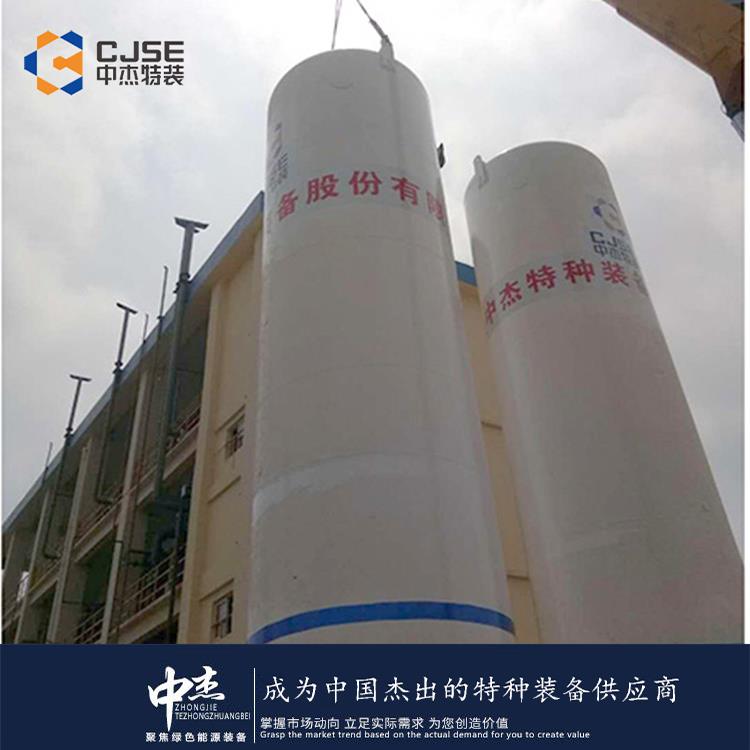
The spacing requirements between liquid oxygen tanks are typically governed by relevant safety standards and regulations to ensure safe distances and fire separation between the tanks. The following is a reference for general spacing rules for liquid oxygen tanks:
Horizontal spacing between tanks: The horizontal spacing between liquid oxygen tanks is typically required to maintain a certain distance to prevent heat conduction and mutual interference between tanks. The specific spacing should be determined based on factors such as tank capacity, pressure, and arrangement, with a general recommendation to maintain a safe distance to ensure safe operation and maintenance between tanks.
Tank and building separation: The distance between liquid oxygen tanks and buildings or other facilities must also meet relevant safety requirements. This is to prevent any danger to surrounding buildings or facilities in case of tank leaks or accidents. Specific separation requirements will be determined based on factors such as tank capacity, pressure, and the surrounding environment, with a general recommendation to maintain a safe distance.
Fire Separation: It is crucial to maintain fire separation between liquid oxygen tanks and between tanks and buildings. Liquid oxygen has a high oxygen content and is highly flammable; in the event of a leak or accident, it could cause a fire. Therefore, liquid oxygen tanks must be kept at a certain distance from other facilities to ensure that fires do not spread or pose a danger to the surrounding environment.
Be mindful that specific liquid oxygen tank spacing regulations may vary by region or industry. When designing, arranging, and operating liquid oxygen tanks, adhere to local safety standards and consult experts for accurate guidance.
Zhongjie Special Equipment upholds the grand vision of "realizing employees' dreams, creating value for customers, and striving for the prosperity and strength of our motherland," and is dedicated to the development of the green energy equipment industry. We offer society products and services with high performance and affordability!
Xinjiang Argon Storage Tank - High Performance and Cost-Effective
