


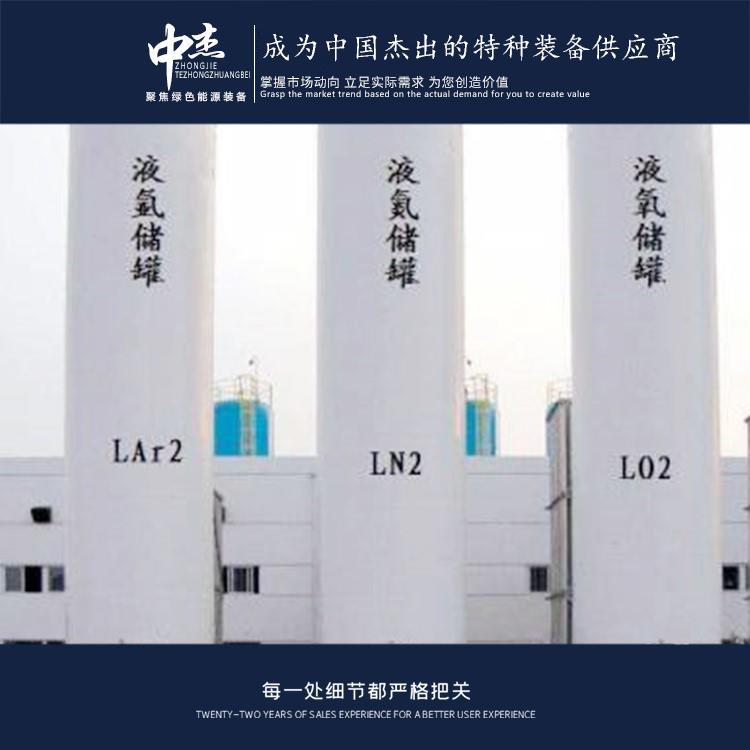
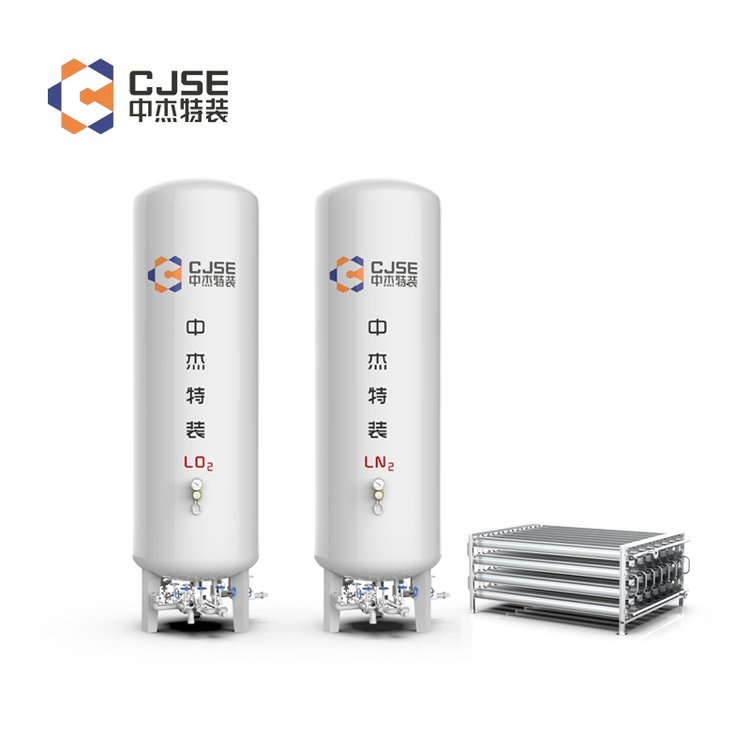
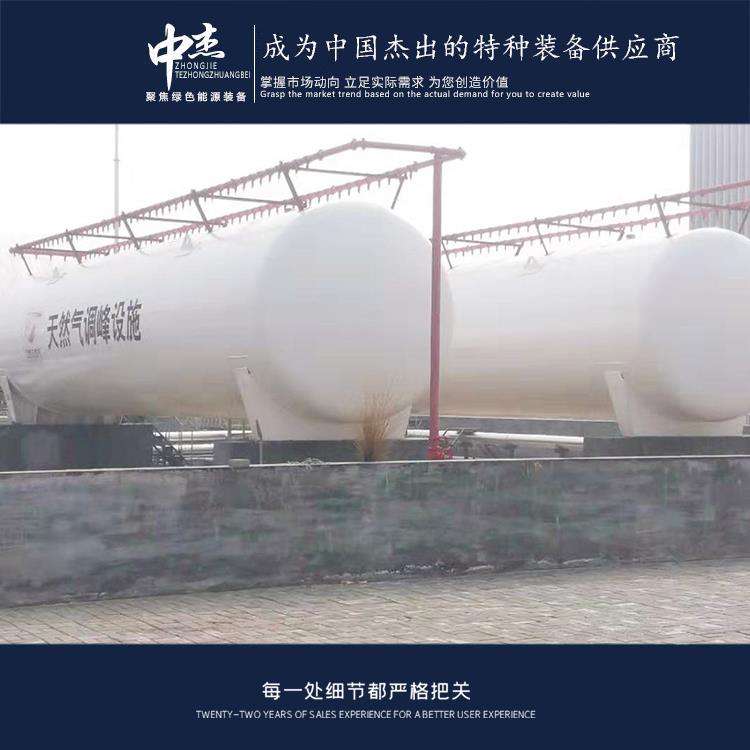
Shandong Zhongjie Special Equipment (formerly Heze Boiler Factory Co., Ltd.) was established in 2001, located at No. 2218 Jinnan Road, Development Zone, Heze City, with a registered capital of 50 million yuan and total assets of 500 million yuan. The company has 7 business centers: boilers, deep-freeze containers, pressure vessels, central air conditioning, engineering installation, international trade, and the Internet of Things. It has three factory sites on Jinnan Road, East Changjiang Road, and Bohai Road, covering a total area of 200,000 square meters, with the main workshop spanning 83,000 square meters. It currently employs 710 staff, including 247 engineers and technicians, and 82 intermediate-level technicians. In December 2016, it was recognized as a "High-Tech Enterprise" by the Science and Technology Department. In June 2021, it was identified as a "Specialized and New Enterprise in Shandong" by the Ministry of Industry and Information Technology. In June 2022, it was recognized as a "Gazelle Enterprise in Shandong" and in August 2022, it was identified as a "Specialized and New Small Giant Enterprise" by the Ministry of Industry and Information Technology.
Liquid Oxygen Storage Tanks are high-pressure, highly oxidative equipment that requires special attention to safety during use. Here are some safety considerations for liquid oxygen storage tanks:
- Operation: The operation of liquid oxygen storage tanks should be conducted by trained and experienced personnel. Operators should be familiar with the tank's structure, performance, and operational procedures, and must operate strictly according to the operation manual and safety regulations.
- Fire Prevention Measures: Liquid oxygen is highly oxidizing and can easily cause fires and explosions. Open flames and sources of sparks or high-temperature objects should be prohibited around liquid oxygen storage tanks. Fire protection equipment and fire extinguishers should be installed and regularly inspected and maintained.
- Leak Control: In the event of a leak in a liquid oxygen storage tank, immediate action should be taken to control the leak. Leaks can lead to the evaporation of liquid oxygen and an increase in oxygen concentration, which can heighten the risk of fire and explosion. A leak detection system should be established, and leak control devices and personal protective equipment should be provided.
- Insulation Protection: Liquid oxygen storage tanks should have good insulation protection to minimize evaporation and maintain low temperatures. The insulation should be inspected and maintained regularly to ensure its integrity and insulating performance.
- Safety Distance: A certain safety distance should be maintained around liquid oxygen storage tanks to prevent the spread of fires, explosions, and leaks. The specific requirements for safety distances should be assessed and determined according to local regulations and standards.
- Regular Inspection and Maintenance: Liquid oxygen storage tanks should be inspected and maintained regularly, including checking the structural integrity of the tank, valves, and pipes for tightness.
The spacing regulations between liquid oxygen storage tanks are typically governed by relevant safety standards and specifications to ensure safe distances and fire separations between tanks. The following is a reference for general spacing rules for liquid oxygen storage tanks:
Horizontal spacing between storage tanks: The horizontal spacing between liquid oxygen storage tanks is typically required to maintain a certain distance to prevent heat transfer and mutual influence between tanks. The specific spacing should be determined based on factors such as tank capacity, pressure, and arrangement, generally recommending maintaining a safe distance to ensure safe operation and maintenance between tanks.
Tank and building or facility spacing: The spacing between liquid oxygen tanks and buildings, other facilities must also comply with relevant safety requirements. This is to prevent the tanks from causing danger to surrounding buildings or facilities in case of leakage or accidents. Specific spacing requirements will be determined based on factors such as the tank's capacity, pressure, and surrounding environment, with a general recommendation to maintain a certain safety distance.
Fire separation: It is crucial to maintain appropriate fire separation between liquid oxygen tanks and between tanks and buildings. Liquid oxygen has a high oxygen content and flammability, and in the event of a leak or accident, it could ignite a fire. Therefore, liquid oxygen tanks must maintain a certain distance from other facilities to ensure that a fire does not spread or pose a danger to the surrounding environment.
It's important to note that the specific spacing regulations for liquid oxygen storage tanks may vary by region or industry. When designing, arranging, and operating liquid oxygen storage tanks, adhere to local safety standards and regulations, and consult with experts for accurate guidance.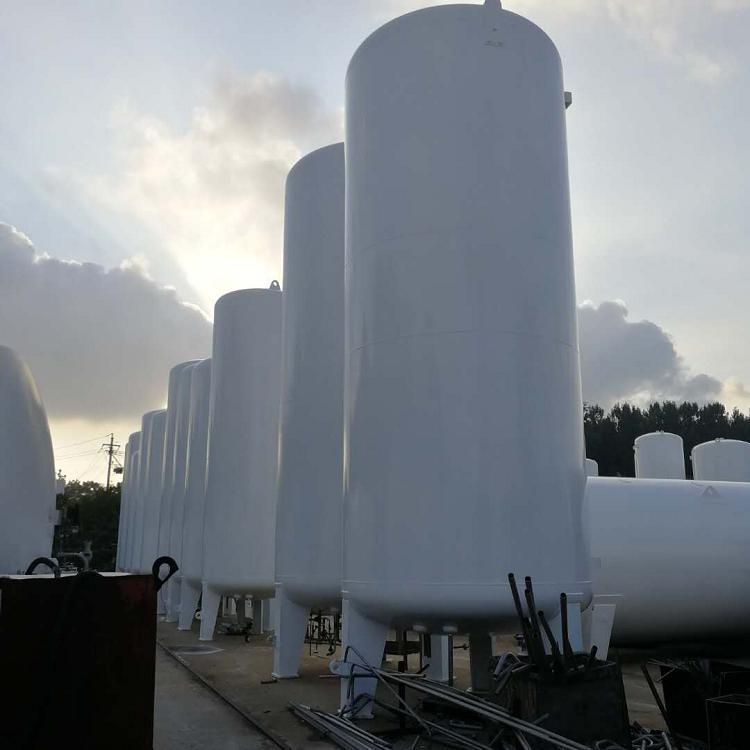
The filling process for liquid nitrogen tanks typically includes the following steps:
Preparation: Ensure the tanks and filling equipment are in good condition with no damage or leaks. Check that the insulation layer of the tank is intact and undamaged.
Safety Inspection: Check the safety of the storage tank and its surrounding environment. Ensure there are no flammable materials or other hazardous items around the tank.
Connect equipment: Link the filling equipment to the storage tank. Ensure a secure and tight connection with no leaks.
Prepare Liquid Nitrogen: Ready for liquid nitrogen supply, ensuring the quality and purity meet the required standards.
Open valves: Follow the operation instructions of the filling equipment, gradually open the corresponding valves to allow liquid nitrogen to flow from the supply source into the storage tank.
Regulate Flow: Adjust the flow control valve of the filling equipment as needed to control the inflow rate of liquid nitrogen. Ensure the flow is moderate, avoiding too fast or too slow.
Level Monitoring: Monitors the liquid nitrogen level in the storage tank in real-time through a level gauge or other level monitoring device. Ensures the level is maintained within a safe range.
Discontinue Filling: Once the liquid nitrogen tank is full or reaches the desired level, close the valve of the filling equipment to stop the inflow of liquid nitrogen.
Disconnect: Disconnect the filling equipment from the storage tank and ensure there are no leaks at the connection point.
Safety Inspection: Recheck the tank and its surrounding environment for safety, ensuring there are no leaks or other safety hazards.
The procedure mentioned is for general reference only; the actual filling process may vary depending on the specific type of storage tank and filling equipment. When performing filling operations on liquid nitrogen tanks, please adhere to relevant operational specifications and safety requirements, and ensure that the operators have received the necessary safety training and skills.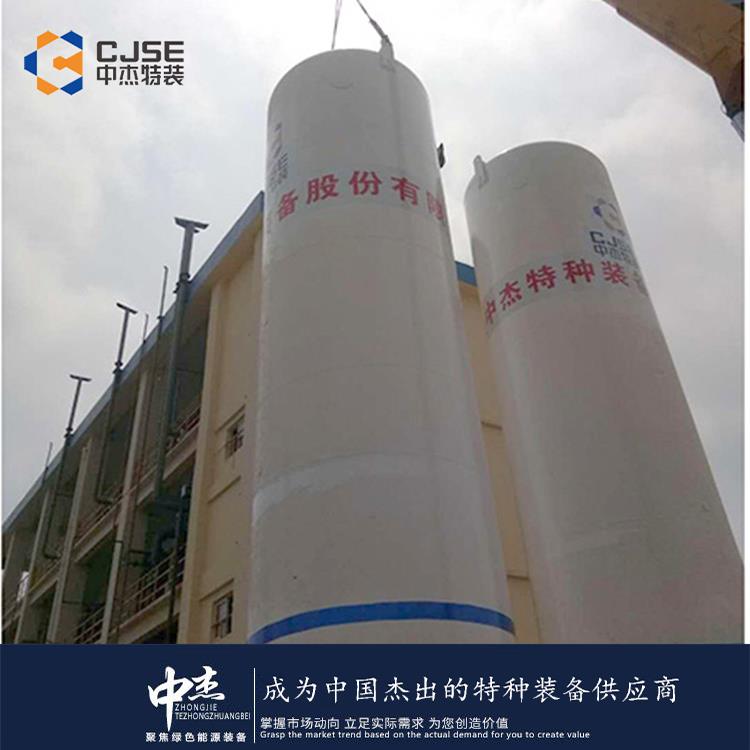
During the operation of low-temperature storage tanks, it is indeed necessary to avoid wrinkling. Wrinkling refers to the occurrence of creases or deformations in the tank wall, which can lead to a decrease in the structural integrity of the tank, and may even cause leaks or ruptures.
Here are some precautions to avoid tank flexing in low-temperature storage:
Tank Design: Select an appropriate tank design to ensure it can withstand the pressure and weight of low-temperature liquids. The wall thickness and supporting structure of the tank should comply with relevant standards and specifications.
Material Selection: Choose materials suitable for low-temperature environments with adequate strength and low-temperature resistance. Common materials include low-temperature steel, stainless steel, etc.
Insulation Layer for Storage Tanks: The design and construction of the insulation layer must meet the requirements to ensure effective reduction of heat conduction and temperature variations. The materials and thickness of the insulation layer should be selected based on specific conditions.
Tank Operation: During the loading and unloading of liquids in the tank, it is essential to avoid rapid or excessive fluid flow to minimize impact and stress concentration on the tank walls.
Tank Maintenance: Regularly inspect and maintain the structure and insulation of the tank to ensure it remains intact. Any anomalies or damages should be addressed promptly with repairs or replacements.
Temperature Control: During the operation of low-temperature liquid storage tanks, it is crucial to strictly control the temperature difference between the inside and outside of the tank to avoid excessive temperature changes and thermal stress.
In summary, preventing damage to low-temperature storage tanks hinges on proper design, material selection, insulation installation and maintenance, and strict control of temperature variations. Regular inspections and maintenance are crucial for ensuring the safe operation of the tanks.
ZJ Special Equipment adheres to the great vision of "realizing employees' dreams, creating customer value, and striving for the prosperity and strength of our motherland," and is dedicated to the development of the green energy equipment industry. We offer society high-quality and cost-effective products and services!
Qinzhou Liquid Argon Storage Tanks, Various Models
