


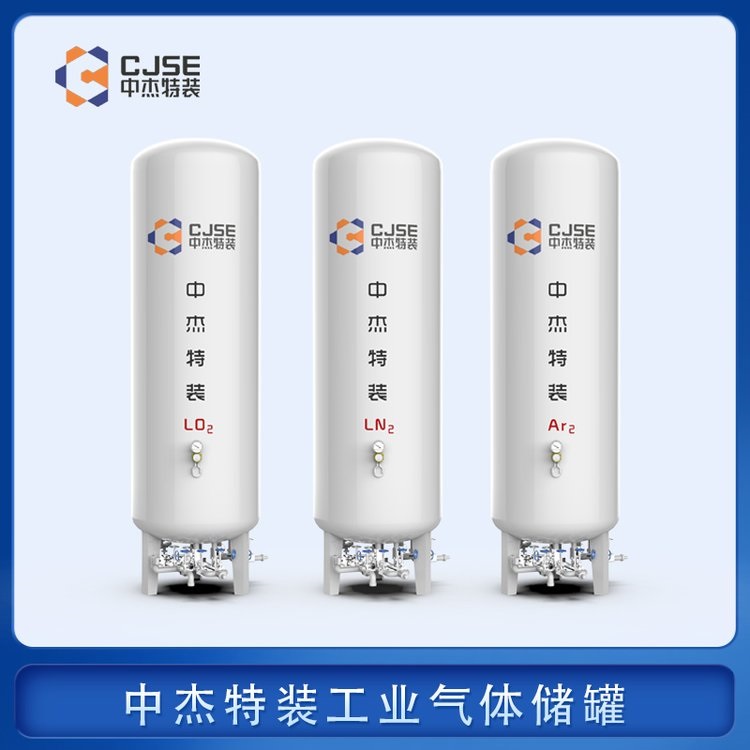
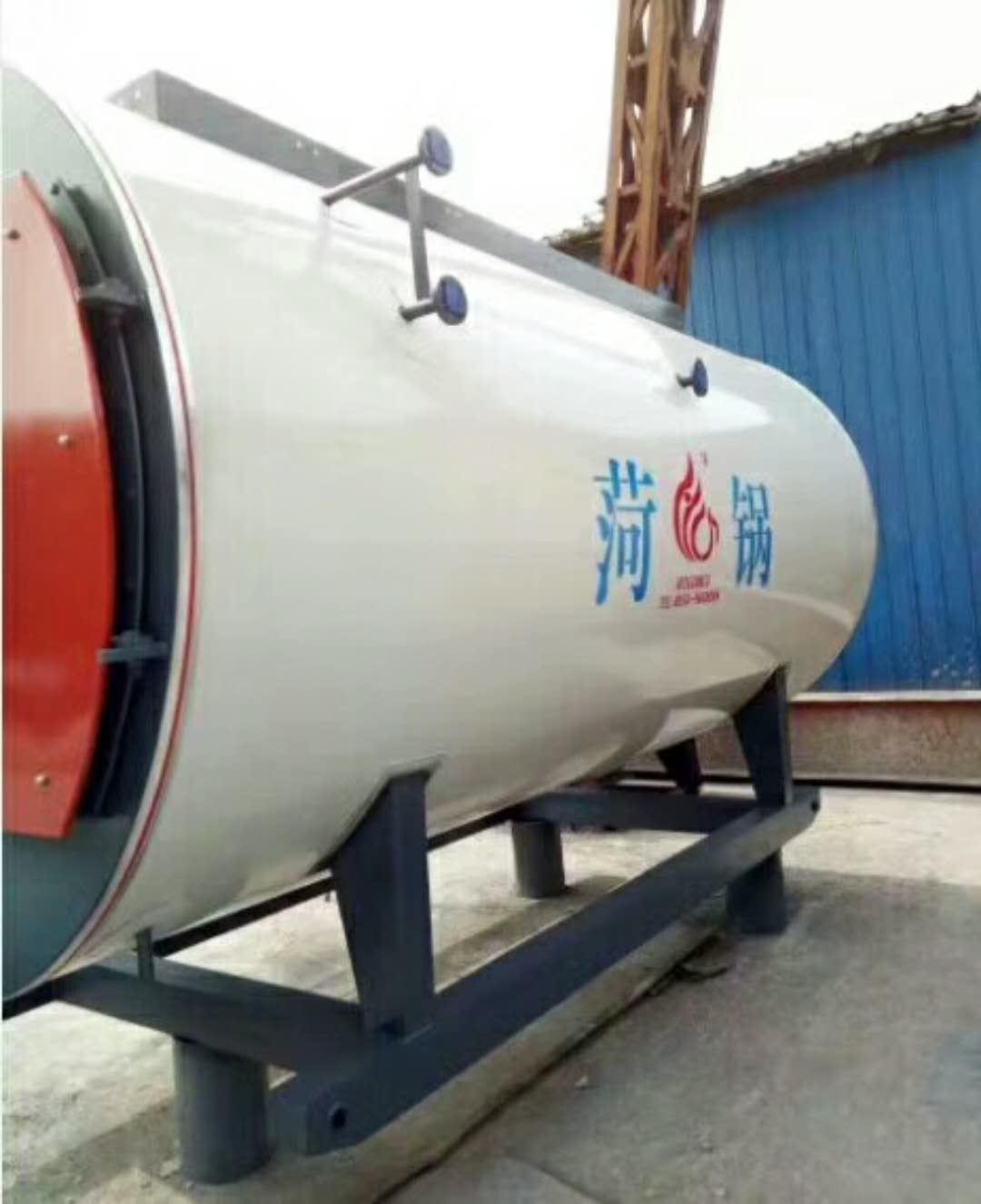
Shandong Zhongjie Special Equipment (formerly Heze Boiler Factory Co., Ltd.) was established in 2001, located at No. 2218 Jinnan Road, Economic Development Zone, Heze City. With a registered capital of 50 million yuan and total assets of 500 million yuan, the company has seven business centers: boilers, deep-freeze containers, pressure vessels, central air conditioning, engineering installation, international trade, and Internet of Things. It has three factory sites on Jinnan Road, East Changjiang Road, and Bohai Road, covering a total of 200,000 square meters. The main workshop spans 83,000 square meters. It currently employs 710 people, including 247 engineers and technicians, and 82 intermediate-level technicians. In December 2016, it was recognized as a "High-tech Enterprise" by the Science and Technology Department. In June 2021, it was identified as a "Specialized and New Enterprise in Shandong Province" by the Ministry of Industry and Information Technology. In June 2022, it was recognized as a "Gazelle Enterprise in Shandong Province" and in August 2022, as a "Specialized and New Small Giant Enterprise" by the Ministry of Industry and Information Technology.
Carbon dioxide storage tanks feature the following characteristics:
- High-pressure Storage: These tanks are commonly used for high-pressure storage and can withstand significant pressure. The CO2 inside the tank exists in a gaseous or liquid state, with pressure typically ranging from tens to hundreds of MPa.
- High-Density Storage: When stored in a liquid state, CO2 has a higher storage density, allowing for more CO2 to be stored in a relatively smaller tank compared to gaseous storage, thereby improving storage efficiency.
- Corrosiveness: CO2 has some degree of corrosiveness, which can erode certain materials. Therefore, storage tanks are usually made from corrosion-resistant materials like stainless steel or alloy steel to ensure durability and safety.
- Temperature Sensitivity: CO2 is a gas at room temperature but can be converted into a liquid at lower temperatures. Thus, storage tanks often need to have good thermal insulation to maintain a low internal temperature.
- Safety Protection: The tanks are equipped with safety valves and pressure relief devices to control internal pressure and temperature, ensuring safety during storage. Additionally, they must have good sealing performance to prevent leaks.
- Wide Application: Carbon dioxide storage tanks are widely used in various industries such as food and beverage, pharmaceutical, and chemical industries. They can be used for freezing food, refrigeration equipment, and gas supply, meeting diverse industry needs.
In summary, carbon dioxide storage tanks have features such as high-pressure storage, high-density storage, corrosiveness, temperature sensitivity, safety protection, and wide application. These characteristics make them essential equipment for storing and using CO2 in many industries.
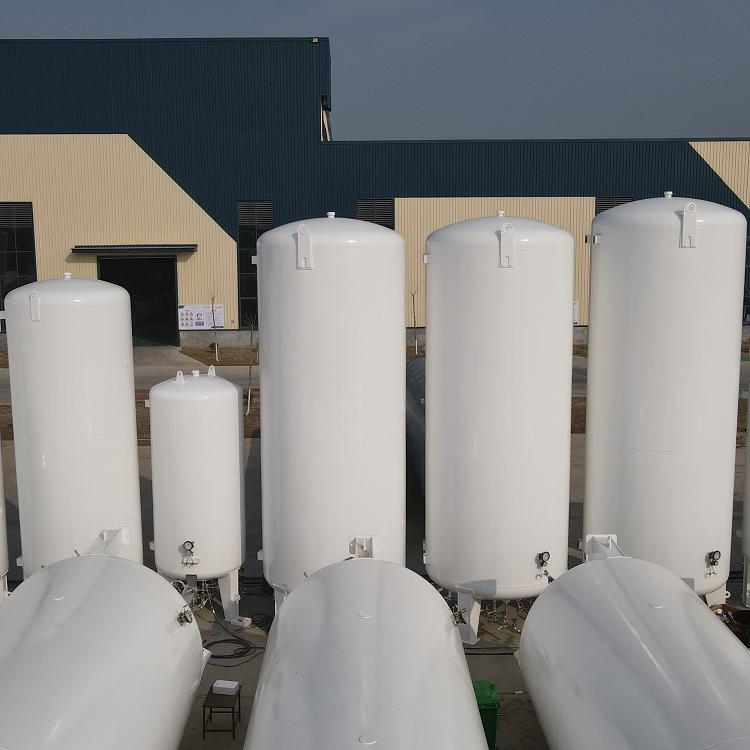
Leakage in CO2 storage tanks may be caused by the following issues: Material Corrosion: CO2 has some corrosive properties, and prolonged exposure can lead to corrosion of the tank material. Corrosion can damage the tank's protective surface, causing it to lose its sealing properties and resulting in leaks. Welding Defects: The welding joints in the tank may have defects, such as weld cracks or gas pockets. These defects can weaken the strength of the welded areas, leading to leaks. Design Defects: Inadequate design or defects in the tank can also cause leaks. For example, poorly designed interface connections or unreasonable structural designs can lead to leakage issues. Excessive Pressure: If the internal pressure of the tank exceeds its capacity, it may deform or rupture, causing leaks. Temperature Fluctuations: During temperature changes, the thermal expansion and contraction effect on CO2 storage tanks can cause deformation or stress concentration, leading to leaks. Improper Operation: Incorrect operation and maintenance can also cause leaks. For instance, over-tightening valves or improper maintenance measures can reduce the tank's sealing performance. External Damage: External forces such as impacts, scratches, or corrosion can damage the tank's surface, causing leaks. To avoid leakage issues in CO2 storage tanks, select appropriate materials, reasonable design, and manufacturing processes, and conduct regular inspections and maintenance. Additionally, operators should receive training and adhere to operational procedures to ensure safe tank operation.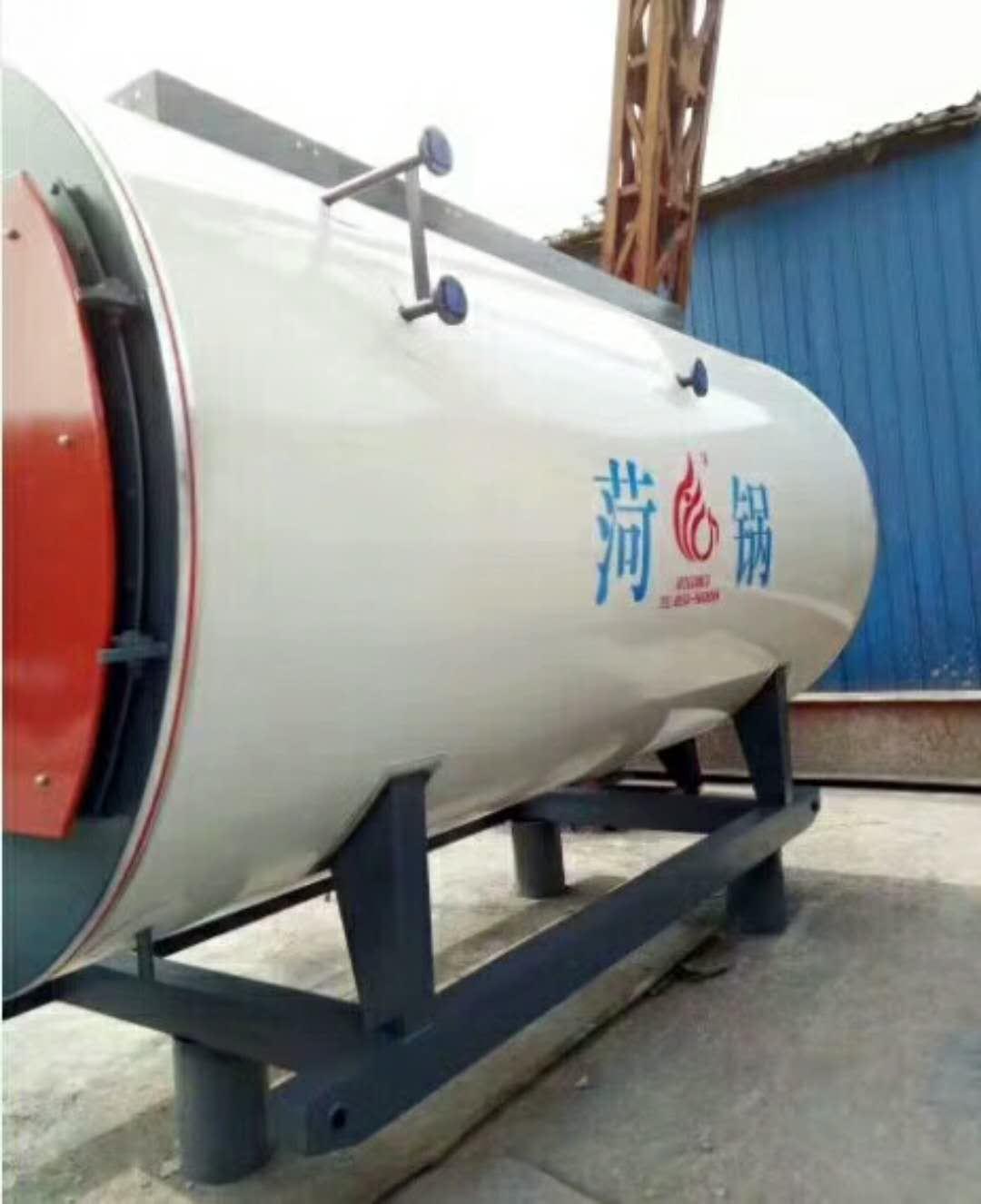
When selecting a carbon dioxide tank support, consider the following factors: Load Capacity: The design and selection of the support should be capable of bearing the weight and pressure of the tank. The load-bearing capacity of the support should be determined based on the tank's size, weight, and working conditions. Stability: The support should have sufficient stability to prevent tilting or collapse of the tank during use. The design of the support should take into account the center of gravity location and changes of the tank to provide stable support. Corrosion Resistance: Since carbon dioxide has some corrosive properties, the material choice of the support should have good corrosion resistance to prevent corrosion and damage. Ease of Installation and Maintenance: The design of the support should consider ease of installation and maintenance to facilitate the installation, adjustment, and maintenance of the tank. Compliance with Standards and Regulations: The design and selection of the support should comply with relevant standards and specifications, such as Standard GB150 "Steel Pressure Vessels." Additionally, other related factors can be considered, such as cost, reliability, and durability. When selecting a support, consult engineers or consulting companies for advice and guidance.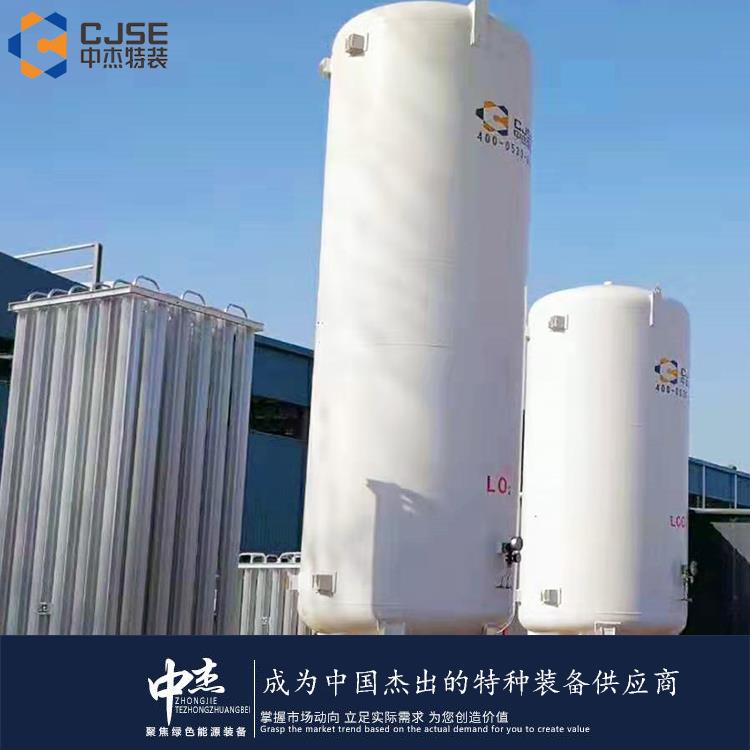
Common disadvantages of corrosion in pressure vessels during use include:
Chemical Media: Certain chemical media are corrosive, such as acids, alkalis, and salts. When these media come into contact with the vessel material, corrosion may occur.
Humidity and Moisture: High humidity environments or long-term exposure to moisture can lead to corrosion on the vessel surface. Particularly in the presence of oxygen, the corrosion rate may increase.
Rusting: When the protective layer on the vessel surface (such as coatings or plating) is damaged or destroyed, the vessel may be susceptible to rusting. Rusting can damage the vessel surface and may lead to further corrosion.
Electrochemical Corrosion: When different metals or metal and non-metal come into contact, electrochemical corrosion cells may form. This type of corrosion can lead to localized corrosion on the vessel surface.
Welding Defects: Defects such as weld porosity and cracks may be introduced during the welding process. These defects can become starting points for corrosion.
Corrosion can weaken the structural integrity of the vessel, increasing the risk of leakage or rupture. Therefore, regular inspections and maintenance of the anti-corrosion coating, plating, or layer of the pressure vessel are important. If corrosion issues are detected, timely measures should be taken to repair or replace the damaged parts.
In addition, selecting appropriate materials and anti-corrosion measures, as well as correct operational and maintenance methods, can reduce the risk of corrosion in pressure vessels. Adhering to relevant safety operation procedures and standards ensures the safe operation of pressure vessels.
Our company attaches great importance to technological innovation and research and development. We have one municipal enterprise technology center in Heze City, equipped with testing facilities for non-destructive testing, physical and chemical testing, welding testing, hydrostatic testing, etc. We have over 600 types of equipment including CNC machine tools, X-ray flaw detectors, digital ultrasonic flaw detectors, mechanical property testing machines, chemical analyzers, spectrometers, tensile testing machines, plasma welding machines, and more. Our key products and technologies, such as temperature and pressure vessel welding, biomass boiler emissions reduction, and waste heat utilization, have successively been selected for multiple Shandong Provincial Department of Industry and Information Technology science and technology projects, Shandong Provincial key projects, and Heze City innovation and excellence projects. We have accumulated 27 authorized utility models, 16 authorized inventions, participated in drafting 2 standards, 2 industry standards, and registered 15 trademarks. Our technical team, in collaboration with Professor Li Yajiang of Shandong University, has developed deep cryogenic container processing technology using the internationally recognized plasma arc + filler wire tungsten inert gas arc welding (PAW-GTAW) technique. This technology has been appraised as reaching international standards in the field of deep cryogenic container manufacturing. Choose Zhongjie Special Equipment, and let's create brilliance together!
郑州200立方二氧化碳储罐 生产厂家
