


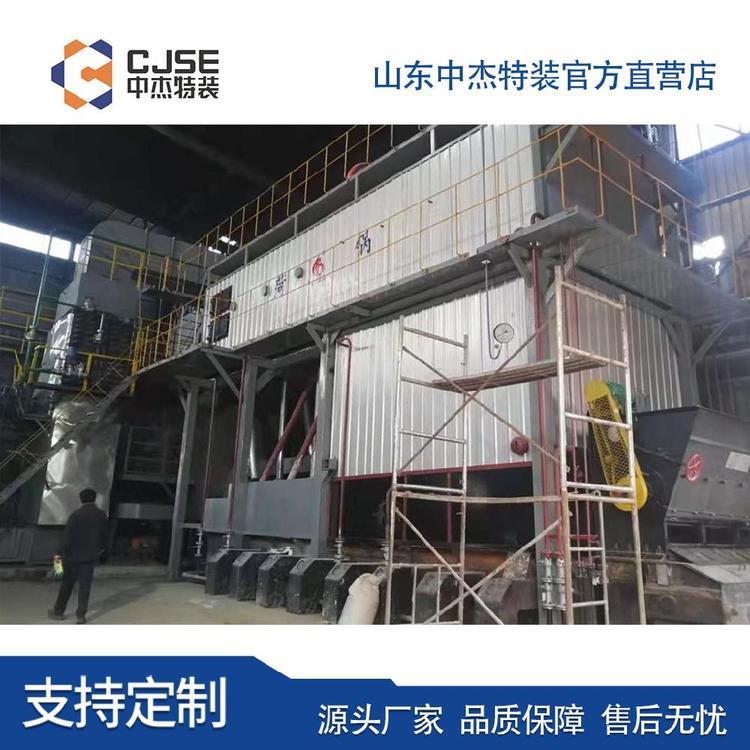
Shandong Zhongjie Special Equipment Co., Ltd. specializes in the following main products: fuel (gas) boilers, organic heat carrier boilers, biomass boilers, waste heat recovery boilers, and other boiler products; vacuum insulated cryogenic pressure vessels such as LNG storage tanks, oxygen/nitrogen/argon storage tanks, CO2 storage tanks; pressure vessel products including denitrification engineering equipment, heat storage and energy storage equipment, and complete chemical equipment; central air conditioning and HVAC equipment such as ground (water) source heat pumps, air source units, water-cooled screw units, and air-cooled modular units. Planned products include large-scale energy centers, LNG transport vehicles, LNG tank containers, and other green energy equipment.
The brief steps for the biomass boiler drying kiln are as follows:
Prepare fuel: Select suitable biomass fuel such as wood chips, straw, etc., and conduct pre-treatment like drying, sieving, etc., to ensure the quality of the fuel and its suitability for the furnace.
Ignition and ignition adjustment: Place the fuel into the combustion chamber of the biomass boiler, ignite it, and make the ignition adjustment. Adjust the oxygen supply, fuel supply, and combustion temperature parameters of the combustion chamber to ensure stable combustion.
Heating and Temperature Control: As the fuel burns, biomass boilers produce high-temperature flue gas, which transfers its heat energy to the drying kiln through a heat exchanger. During the heating process, it is necessary to control the temperature of the drying kiln to ensure that the materials inside receive proper heating.
Furnace Operation and Monitoring: During the furnace heating process, operation and monitoring of the furnace are necessary. Operations include controlling fuel supply, heat transfer, and movement of materials inside the furnace. Monitoring involves tracking parameters such as furnace temperature, pressure, and combustion efficiency to ensure normal operation and safety.
Furnace Completion and Cleaning: Upon completion of heating or achieving the required furnace effect, cease fuel supply and heating, and perform the furnace completion procedures. Afterward, the furnace and biomass boiler, combustion chamber, and flue need to be cleaned.
There are several common types of biomass energy-saving steam boilers:
Biomass Chain Grate Boiler: The biomass chain grate boiler employs a chain feeding system to deliver biomass fuel into the furnace for combustion. The chain feeding system allows for continuous feeding, making it suitable for larger-scale biomass steam boilers.
Biomass Circulating Fluidized Bed Boilers: These boilers utilize the circulating fluidized bed combustion technology, blending biomass fuel with a fluidizing medium (such as sand) and burning it under high temperatures. The circulating fluidized bed boilers offer advantages such as high combustion efficiency and strong adaptability to different fuels.
Biomass Pellet Boilers: Biomass pellet boilers are designed specifically for burning biomass pellet fuel. These boilers feature high combustion efficiency and stability, making them suitable for small to medium-sized biomass steam boilers.
Biomass Gasification Boilers: Biomass gasification boilers utilize gasification technology to convert biomass fuel into combustible gases, which are then burned to produce steam. These boilers offer advantages such as utilizing biomass energy and reducing pollution emissions.
Biomass Hot Air Furnace: The biomass hot air furnace is a device that uses biomass fuel to generate high-temperature hot air, suitable for drying and heating processes in industrial production. It features energy saving and environmental protection.
These types of biomass energy-saving steam boilers have their own characteristics and suitability in different application scenarios, and the appropriate type can be selected according to actual needs.
Yes, biomass hot water boilers hold significant implications for energy conservation and emission reduction. Here are some related implications and advantages:
Energy-saving: Biomass hot water boilers burn renewable biomass fuel, offering higher energy utilization efficiency compared to traditional coal boilers. The heat energy produced during the combustion of biomass fuel can be more fully utilized, reducing energy waste, and achieving energy-saving effects.
Emission Reduction: Biomass hot water boilers emit relatively fewer pollutants during the combustion process, such as carbon dioxide, nitrogen oxides, and particulates. Compared to coal-fired boilers, biomass hot water boilers can significantly reduce greenhouse gas emissions and air pollutant releases, which is of great importance for improving atmospheric environmental quality.
Sustainability: Biomass fuel is a renewable resource that can be cultivated and recycled through regenerative cycles. Compared to finite coal resources, the sustainability of biomass fuel can meet long-term energy demands.
Supporting Rural Development: The use of biomass hot water boilers can promote the comprehensive utilization of agricultural and forestry waste such as crop straw and wood chips in rural areas. This not only reduces the open burning of crop straw, decreases environmental pollution, but also provides an additional source of income for farmers, and promotes rural economic development.
In summary, the energy conservation and emission reduction significance of biomass hot water boilers is significant, as they not only reduce energy consumption and pollutant emissions but also promote sustainable development and the prosperity of rural economies.
Biomass boilers typically include the following main components:
Combustion chamber: The area used for burning biomass fuel, providing the space and oxygen required for combustion.
Grate: A metal grid located at the bottom of the combustion chamber, used to support fuel and promote the flow of gases and slag during the combustion process.
Combustion System: Includes the fuel supply system, air supply system, and ignition system, designed to control the supply of fuel and air for the combustion process.
Flue Gas Treatment System: Includes flue gas purification equipment such as dust collectors, desulfurization units, and denitrification units, designed to purify flue gases produced by combustion and reduce environmental pollution.
Boiler Pipe System: Includes water pipes, steam pipes, and flue gas pipes, etc., for the transmission of heat and flue gas.
Heat Exchangers: Used to transfer the thermal energy produced by combustion to working mediums such as water or steam, achieving energy conversion.
Control System: Includes automatic control equipment, sensors, and instruments for monitoring and controlling the boiler's operational status, ensuring safety and operation.
Equipment: Includes water supply system, sewage system, ash and slag handling system, and fuel storage system, etc., providing the necessary functions for boiler operation.
These units collectively form the basic structure of biomass boilers, facilitating the combustion of biomass fuel and the energy conversion process. Specific units and configurations may vary depending on the type, scale, and application requirements of the boiler.
Our company attaches great importance to technological innovation and R&D design. We have one city-level enterprise technology center in Heze City, equipped with non-destructive testing, physical and chemical testing, welding testing, hydrostatic testing, and other testing facilities. We have over 600 various equipment and instruments, including CNC machine tools, X-ray flaw detectors, digital ultrasonic flaw detectors, mechanical property testing machines, chemical analyzers, spectrometers, tensile testing machines, plasma welding machines, etc. The key products we have developed, such as temperature and pressure vessel welding, biomass boiler emission reduction, and waste heat utilization, have successively been selected for multiple Shandong Provincial Department of Industry and Information Technology science and technology innovation projects, key projects in Shandong Province, and Heze City innovative and excellent projects, etc. We have accumulated a total of 27 authorized utility models, 16 authorized inventions, participated in drafting 2 standards, 2 industry standards, and registered 15 trademarks. The technical team of our company, in collaboration with Professor Yajiang Li from Shandong University, has jointly developed deep cryogenic container processing technology, which adopts the international plasma arc + wire filling argon arc welding (PAW-GTAW) technology. After the provincial level scientific and technological achievement identification, the technological level has reached an international standard in the field of deep cryogenic container manufacturing. Choose ZJ Special Equipment, and let's create brilliance together!
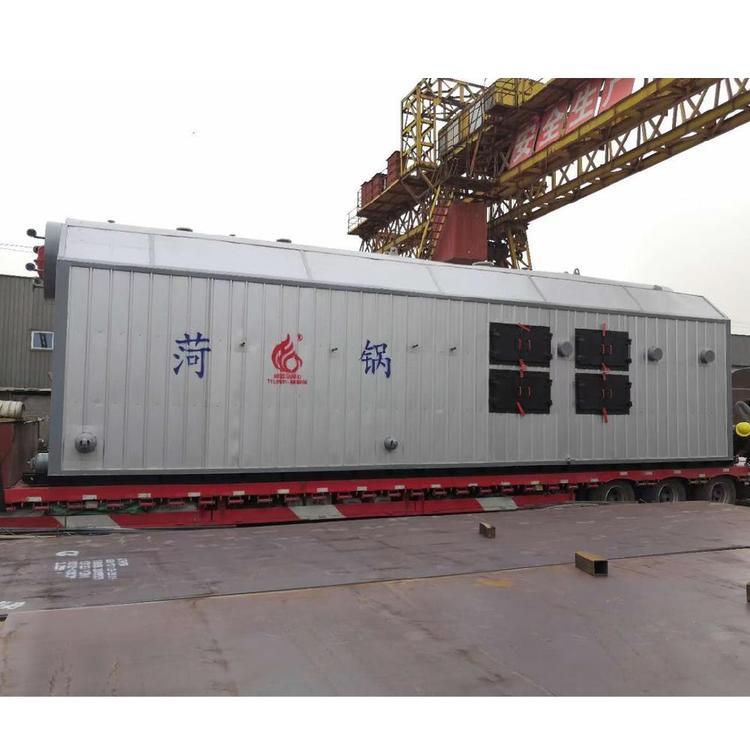
Hami 8-ton biomass boiler, low operating costs
