


Shandong Zhongjie Special Equipment (formerly Heze Boiler Factory Co., Ltd.) holds an A-grade boiler manufacturing license, an A2-grade pressure vessel manufacturing license, an A2-grade pressure vessel design license, a B-grade boiler installation license, and GB2/Class and GC2/Class pressure pipeline installation licenses, as well as a qualification for mechanical and electrical equipment installation contracting. It is a member of the China Boiler and Water Treatment Association, the China Chemical Equipment Association, and the director unit of the Shandong Equipment Manufacturing Association, and has passed the ISO9001 Quality Management System, ISO14001 Environmental Management System, OHSAS18001 Occupational Health and Safety Management System certifications, and the American ASME/U2 certification.
Common protection techniques for carbon dioxide storage tanks include:
- Fire and Explosion Prevention Measures: A fire-resistant isolation area should be established around the tank, away from ignition sources and flammable materials. The tank itself should be equipped with fire and explosion prevention measures, such as fire-resistant coatings and explosion-proof devices, to prevent fires and explosions.
- Leak Detection and Alarm Systems: The tank should be equipped with leak detection and alarm systems to promptly detect and alert of any leaks. Regularly inspect and maintain the leak detection equipment to ensure proper functioning.
- Regular Inspections and Maintenance: Regularly check the tank's appearance, valves, fittings, etc., to ensure they are intact. Conduct regular leak detection and pressure tests to ensure the tank's safety performance meets requirements.
- Waste Gas Treatment: Treat the waste gases produced by the carbon dioxide storage tank to prevent environmental pollution. Implement appropriate waste gas treatment measures, such as collecting and treating waste gases.
- Static Electricity Protection: Implement static electricity protection measures to avoid static accumulation and discharge. Use anti-static equipment and tools to ensure static safety during operations.
- Safety Training and Awareness: Conduct safety training for operators to enhance their awareness and ability to safely handle carbon dioxide storage tanks. Regularly conduct safety training and drills to respond to emergencies.
- Management Records and Documentation: Establish comprehensive management records and documentation, including tank usage, inspection, and maintenance records. Regularly review and update management records to ensure safe management and maintenance of the tank.
It should be noted that the above are common protection techniques, which may vary depending on the type and application of different tanks. When using carbon dioxide storage tanks, operate according to relevant specifications and standards, and consult with experts to ensure safety and effectiveness.
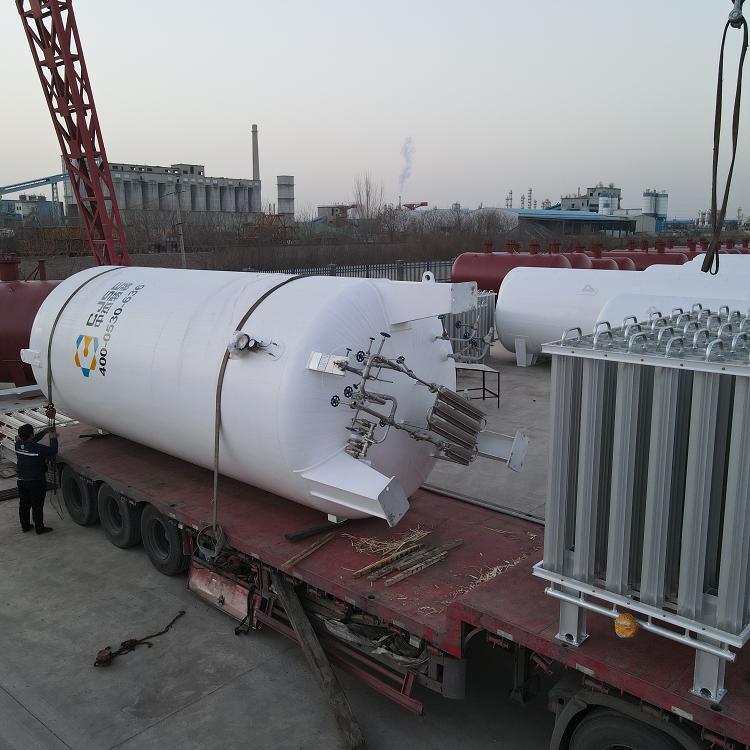
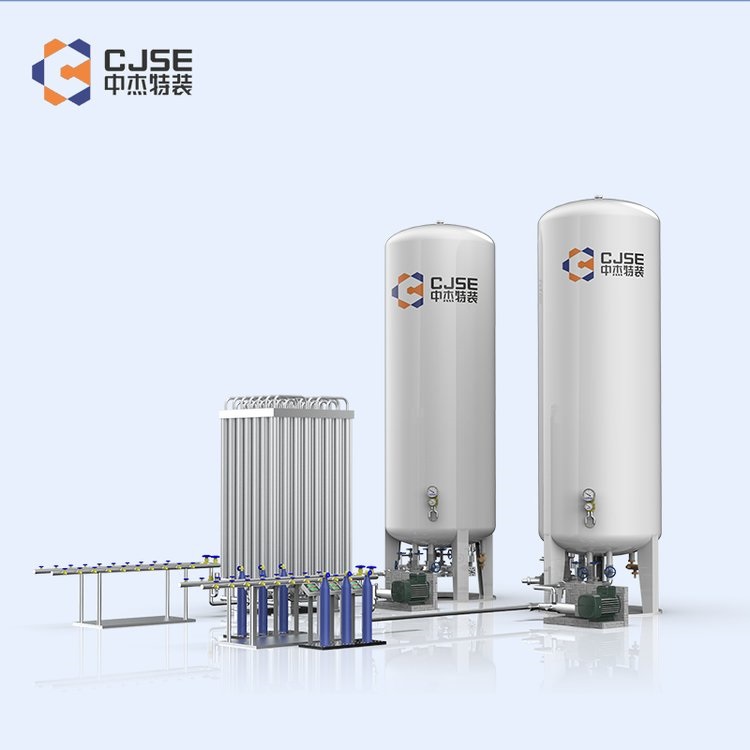
Carbon dioxide storage tanks are categorized into various types and structures based on their design and usage:
- Vertical Tanks: Commonly used carbon dioxide storage tanks, shaped as cylinders and placed vertically. These tanks typically have larger capacities, suitable for large-scale storage and supply of carbon dioxide.
- Horizontal Tanks: Another common type, shaped as rectangles or cylinders and placed horizontally. Horizontal tanks are generally used for smaller-scale storage and supply, ideal for limited spaces.
- Spherical Tanks: A specialized type of carbon dioxide storage tank, shaped as spheres. These tanks offer high strength and pressure containment, suitable for high-pressure storage and transportation of carbon dioxide.
- Vertical Tanks: Smaller capacity carbon dioxide storage tanks, shaped as cylinders and placed vertically. They are typically used for small-scale storage and supply, such as commercial and residential use.
- Underground Tanks: A unique structure where carbon dioxide storage tanks are buried underground. These tanks save space, reduce visual impact, and provide enhanced safety and environmental protection.
These tanks are usually constructed from pressure-resistant materials (like carbon steel or stainless steel) with certain thermal insulation properties and equipped with accessories such as safety valves, pressure gauges, and level indicators. The interior often features baffles or partitions to separate different liquids or gases. Additionally, the tanks are fitted with safety systems, including pressure maintenance systems, leak detection systems, and fire detection systems.
For the maintenance of carbon dioxide storage tanks, here are some recommended methods:
Regular Inspections: Conduct regular checks of the tank's exterior and interior, including inspecting for corrosion, cracks, and leaks. Non-destructive testing methods, such as ultrasonic testing, can be used to assess the tank's integrity.
Cleaning and Corrosion Protection: Regularly clean the tank's exterior to remove dirt and debris. For tanks coated with corrosion-resistant paint, regularly inspect the coating's condition and perform repairs or recoating to protect the tank from corrosion.
Leak Detection: Regularly perform leak detection to ensure there are no leakage issues. Use gas detectors or leak detectors for the inspection, or assess the tank's sealing performance through pressure tests.
Safety Valve Inspection: Regularly check and test the operation of safety valves to ensure they function properly under overpressure conditions. Adjust and test according to the specifications and requirements of the safety valves.
Pipe and Valve Maintenance: Regularly inspect and maintain the pipes and valves connected to the tank to ensure proper operation and sealing performance. Clean and lubricate valves, and check for leaks at pipe connections.
Documentation: Record the dates, contents, and results of maintenance, establishing a maintenance record for the tank. Retain relevant documents and reports for future reference and review.
Please note that for the maintenance of carbon dioxide storage tanks, it is recommended to follow relevant safety operation procedures and standards. If you do not have the necessary knowledge and experience, it is advisable to consult professionals or manufacturers for maintenance work.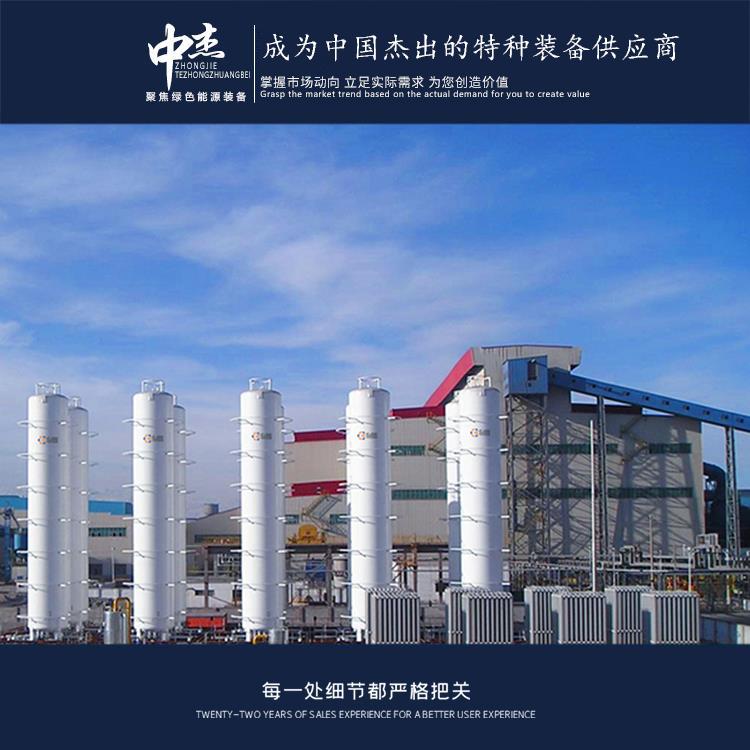
Prior to using a CO2 storage tank, the following preparations must be made:
Safety Inspection: Conduct a safety check on the tank before use to ensure there are no visible damages, corrosion, or leaks. Inspect the tank's exterior, valves, and connecting pipes to ensure they are intact.
Tank Cleaning: Ensure the tank is clean both internally and externally. Remove any debris, dirt, and residues to ensure no substances could affect the quality or safety of the CO2.
Connecting Pipes: Check the connections between the tank and related pipes to ensure they are securely fastened and sealed. Verify the valve and pipe's on/off status to ensure they are in the correct position.
Pressure Check: Inspect the tank's pressure to ensure it is within a safe range. Use a pressure gauge or other pressure detection equipment if necessary.
Ventilation and Safety Measures: Ensure adequate ventilation around the tank to prevent CO2 accumulation. Follow relevant safety operating procedures and measures during use, such as wearing personal protective equipment and avoiding open flames.
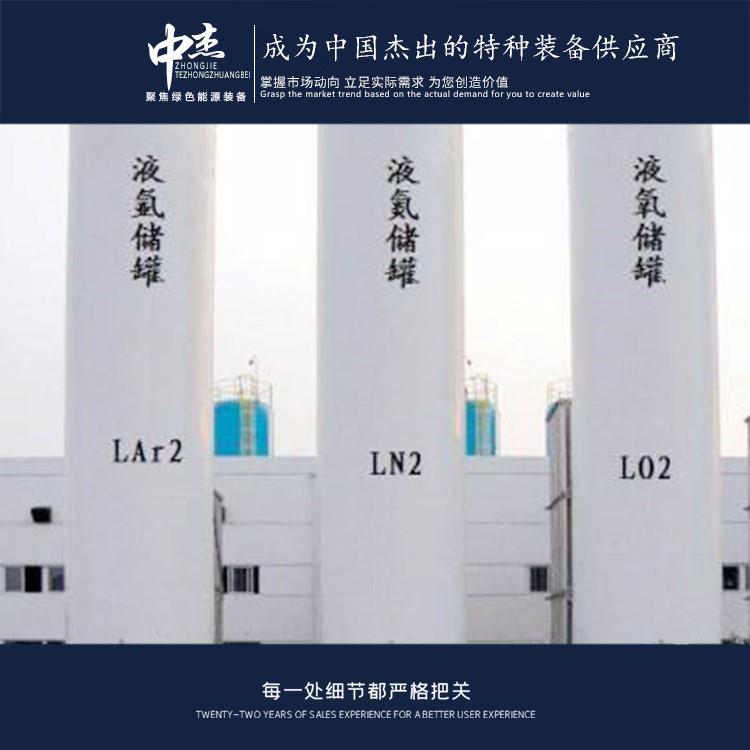
Tank Labeling: Label the tank with relevant information, such as the type of gas stored, pressure rating, and capacity. This aids operators in correctly identifying and handling the tank.
Please note that these preparations may vary depending on the specific tank type and usage scenario. Before using a CO2 storage tank, it is recommended to refer to the relevant safety operation manuals and guidelines to ensure safe and correct operation.
Shandong Zhongjie Special Equipment, welcome customers to visit our factory for business discussions.
Dazhou Carbon Dioxide Storage Tank Prices, Comprehensive After-Sales Service
