


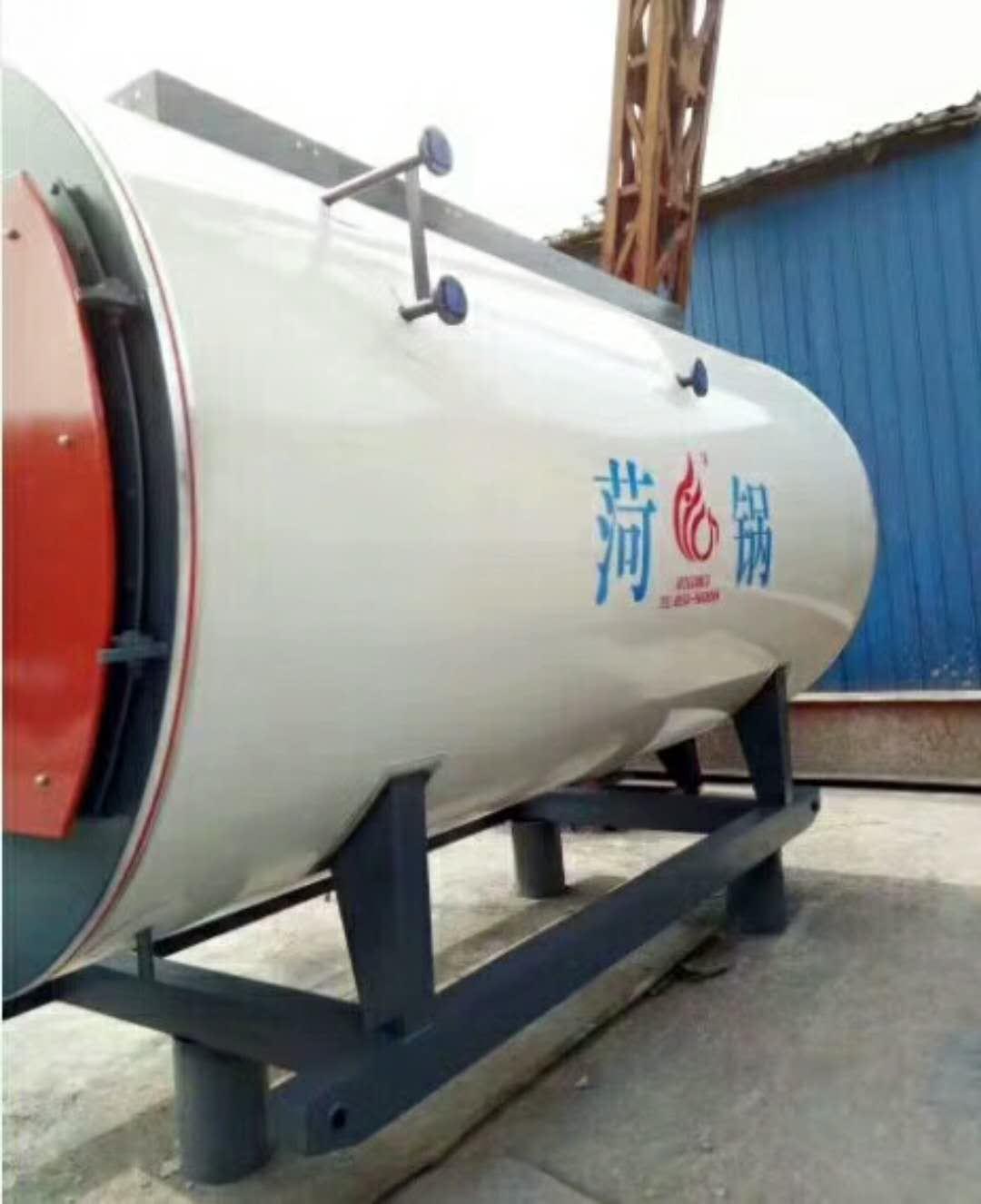
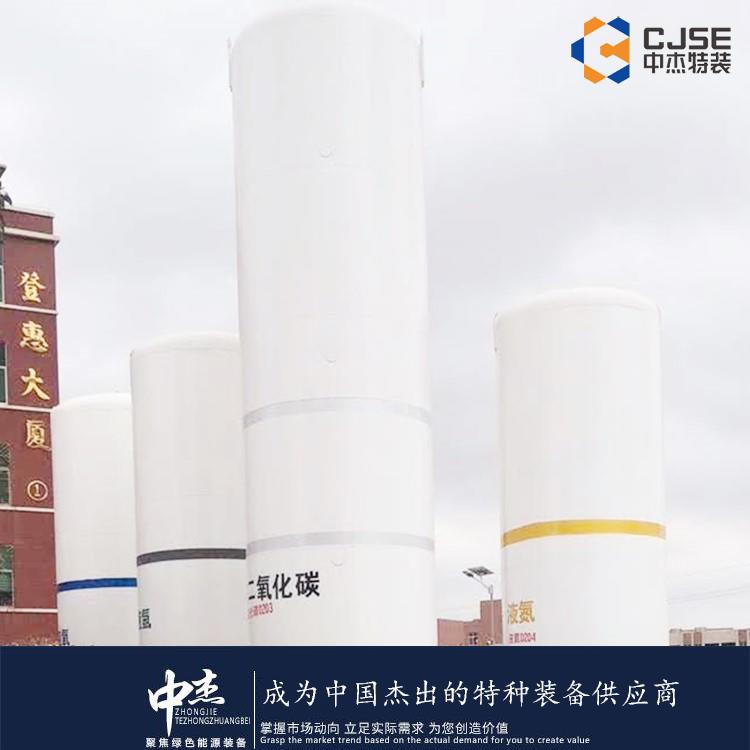
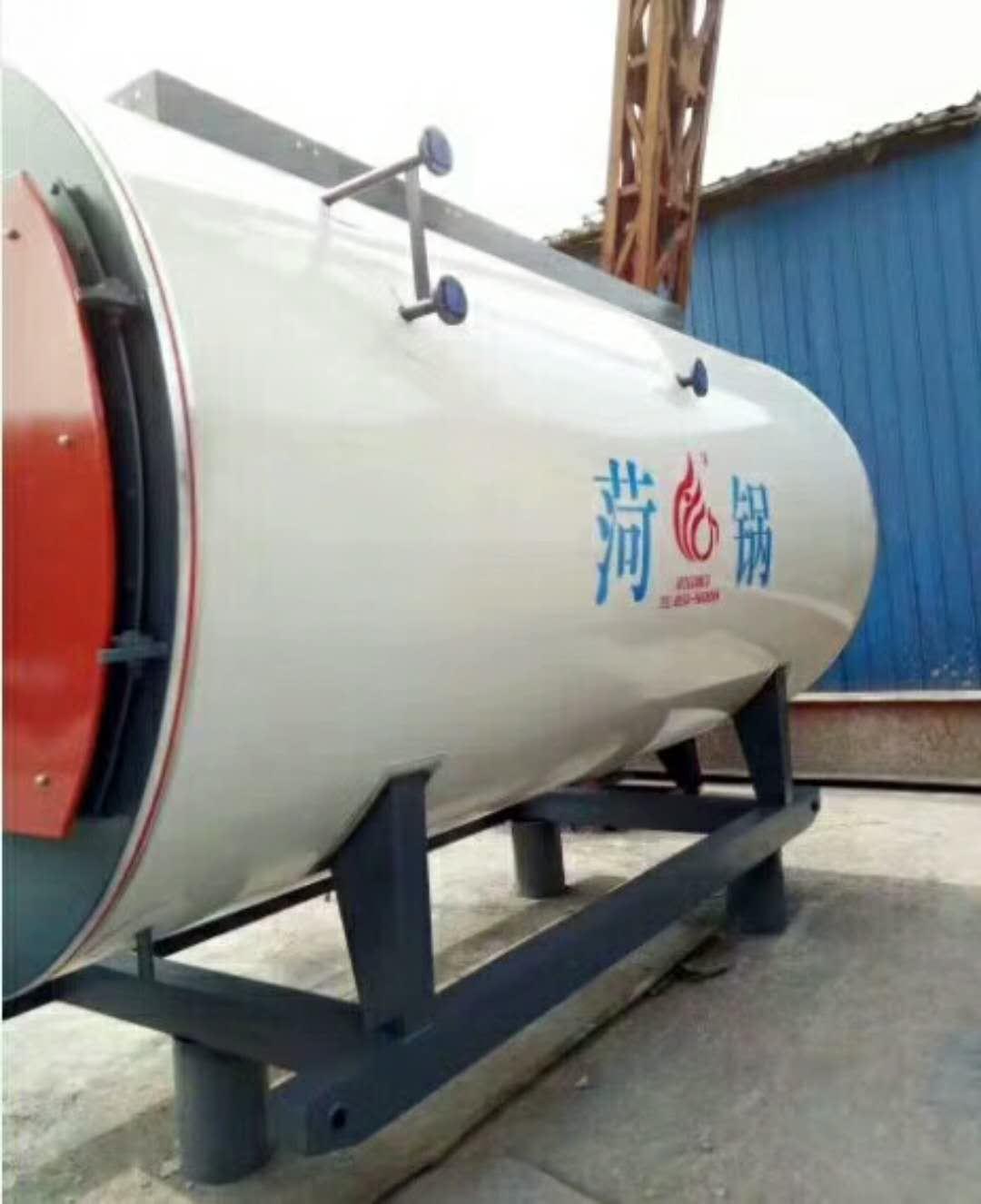
Shandong Zhongjie Special Equipment (formerly Heze Boiler Factory Co., Ltd.) holds an A-grade boiler manufacturing license, A2-grade pressure vessel manufacturing license, A2-grade pressure vessel design license, B-grade boiler installation license, GB2 and GC2 pressure pipeline installation licenses, and a qualification for the installation and contracting of electromechanical equipment. It is a member of the China Boiler and Water Treatment Association, the China Chemical Equipment Association, and a council member of the Shandong Equipment Manufacturing Association. The company has also passed certifications for the ISO9001 Quality Management System, ISO14001 Environmental Management System, OHSAS18001 Occupational Health and Safety Management System, and the U.S. ASME/U2 certification.
Liquid oxygen storage tanks offer the following advantages:
High Storage Density: Liquid oxygen tanks store oxygen in its liquid form, offering a higher storage density compared to gas storage. This means more oxygen can be stored in a limited space, providing extended supply times.
High Purity Oxygen Supply: Liquid oxygen tanks can provide high purity oxygen supply. After undergoing refrigeration and purification processes, liquid oxygen can be obtained with high purity, meeting the needs of applications such as industry and scientific research.
Convenient and User-Friendly: The liquid oxygen tank is designed for convenience and ease of use. Equipped with devices like level gauges and pressure gauges inside, it allows for easy monitoring of the liquid level and pressure. Additionally, the tank is fitted with safety features such as pressure relief valves and level alarms to ensure safe operation and usage.
Long-Term Storage: Liquid oxygen tanks are designed for long-term storage of oxygen. The低温 properties of liquid oxygen help to slow down evaporation and oxidation, extending the storage life of the oxygen. This is beneficial for applications requiring long-term oxygen storage, such as institutions, laboratories, and industrial production.
In summary, liquid oxygen tanks offer advantages such as high storage density, high purity oxygen supply, ease of use, and long-term storage. This makes liquid oxygen tanks a reliable choice for oxygen supply, widely used in industries and scientific research fields.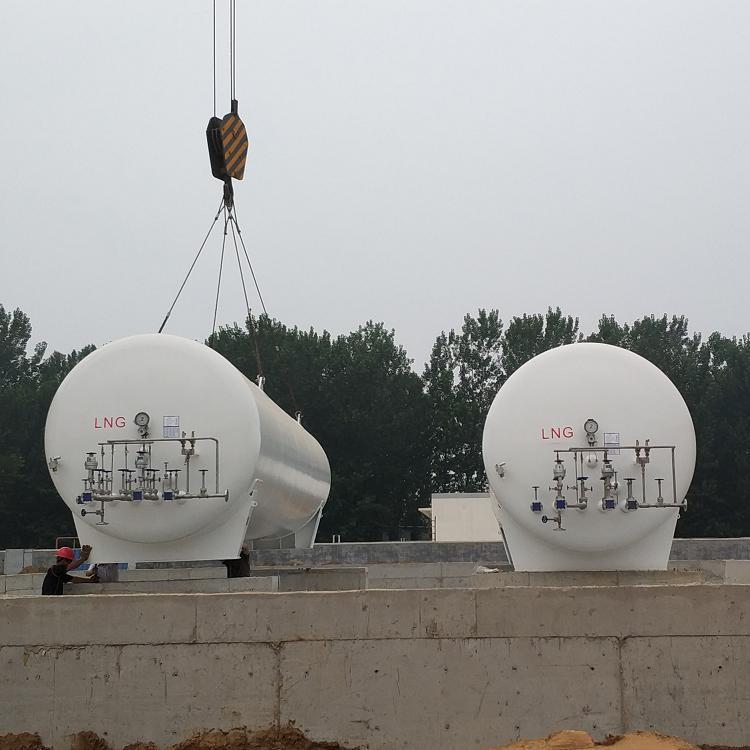
To safely utilize liquid oxygen storage tanks, attention should be given to the following aspects:
Training: Operators of liquid oxygen tanks must undergo training to understand the properties of liquid oxygen, safety operating procedures, and emergency response measures. Only trained personnel are authorized to operate liquid oxygen tanks.
Safety Operating Procedures: Establish and adhere to the safety operating procedures for liquid oxygen storage tanks, including proper operational procedures, protective measures, and emergency response plans. Ensure operators follow the procedures to minimize accident risks.
Equipment Inspection and Maintenance: Regularly inspect the condition of liquid oxygen tanks and related equipment, including valves, pipes, pressure gauges, etc. Ensure that the equipment is in perfect condition without any damage, and promptly repair or replace any damaged parts.
Leak Control: Equipped with leak detectors and alarm systems to promptly detect and control leaks in liquid oxygen storage tanks. Upon detection of a leak, immediate measures should be taken to control the source of the leak and proceed with repairs.
Fire Prevention Measures: Liquid oxygen contains a high oxygen concentration and is prone to cause fires. Measures such as setting up firewalls around liquid oxygen storage tanks and using fire-resistant coatings are implemented to prevent the occurrence and spread of fires.
Electrostatic Protection: The static buildup in liquid oxygen tanks can cause sparks, increasing the risk of fire. Measures such as using electrostatic conductive materials and anti-static equipment are taken to reduce the accumulation and release of static electricity.
Ventilation Requirements: Ensure adequate ventilation within the enclosed space of the liquid oxygen storage tank to expel gases produced by the evaporation of liquid oxygen. Avoid excessive oxygen concentration to minimize
Liquid Oxygen Storage Tanks are specialized equipment that requires special attention to safety and an understanding of their characteristics. Below are the safety precautions and features of using liquid oxygen storage tanks:
**Safety Precautions:**
- **Operation:** The operation of liquid oxygen storage tanks should be carried out by trained and experienced personnel. Operators should be familiar with the tank's structure, performance, and operational procedures, and should operate strictly according to the manual and safety regulations.
- **Fire Prevention Measures:** Liquid oxygen is highly oxidizing and can easily cause fires and explosions. Open flames and hot objects should be prohibited around the storage tank to prevent sparks and contact with the tank. Fire protection equipment and fire extinguishers should be established and regularly checked and maintained.
- **Leakage Control:** In the event of a leakage in a liquid oxygen storage tank, immediate measures should be taken to control the leakage. Leaks can lead to the evaporation of liquid oxygen and an increase in oxygen concentration, which can enhance the risk of fire and explosion. A leakage alarm system should be set up, and leakage control devices and personal protective equipment should be provided.
- **Insulation Protection:** Liquid oxygen storage tanks should have good insulation to reduce evaporation and maintain low temperatures. The insulation should be regularly inspected and maintained to ensure its integrity and insulating properties.
- **Safety Distance:** A certain safety distance should be maintained around the liquid oxygen storage tank to prevent the spread of fires, explosions, and leaks. The specific requirements for safety distance should be assessed and determined according to local regulations and standards.
**Features:**
- **High Oxidizing Property:** Liquid oxygen is highly oxidizing and can support and intensify combustion. Therefore, special attention to fire and explosion prevention measures is necessary when using liquid oxygen storage tanks.
- **High-Pressure Storage:** Liquid oxygen storage tanks typically store high-pressure oxygen, with pressures usually around 2-5 bar. Therefore, pressure control and the safety of pressure relief devices should be noted during the operation and maintenance of liquid oxygen storage tanks.
- **Low-Temperature Storage:** The liquid oxygen in the storage tank is at a low temperature, usually around -183°C. Therefore, when contacting the liquid oxygen storage tank, appropriate protective measures should be taken.
The installation of the safety valve on the liquid oxygen storage tank is a crucial component to ensure that the tank can release pressure in a timely manner during overpressure situations, protecting the tank and related equipment. Below are the steps for installing the safety valve on the liquid oxygen storage tank:
Determine the rated pressure of the safety valve: Based on the design pressure and flow requirements of the liquid oxygen storage tank, select an appropriate safety valve. Ensure that the rated pressure of the safety valve meets the tank's specifications and complies with relevant safety standards and regulations.
Installation Location Selection: Choose a suitable location to install the safety valve. Typically, the safety valve should be installed on the top or side of the liquid oxygen tank to ensure timely pressure release in the event of overpressure.
Ready for installation interfaces: Prepare the corresponding interfaces according to the connection method of the safety valve. This may include welding interfaces, threaded interfaces, or flange interfaces, etc. Ensure the sealing and firmness of the connections.
Install the safety valve: Mount the safety valve onto the prepared interface. Follow the installation instructions for the safety valve to ensure it is properly connected and secured.
Adjustment and Testing: After installation, adjust and test according to the requirements of the safety valve. Ensure the opening and closing pressures of the safety valve meet the design specifications, and conduct a leakage test to ensure sealing.
Connect discharge piping: The discharge piping of the safety valve should be properly connected to the outlet of the safety valve. The discharge piping should have sufficient diameter and flow capacity to ensure effective discharge of overpressure gas when the safety valve is opened.
Identification and Record: Label the safety valve and discharge pipes with relevant information such as rated pressure, flow rate, and installation date. Additionally, record the installation details and test results of the safety valve for future reference and maintenance.
When installing the safety valve on the liquid oxygen storage tank, it is imperative to follow the relevant safety regulations and operation guidelines. If you lack the necessary experience and knowledge, it is advisable to seek assistance and guidance from a professional to ensure the correct installation and reliable operation of the safety valve.
Our company attaches great importance to technological innovation and R&D design. We possess 1 municipal enterprise technology center in Heze City, with facilities for non-destructive testing, physical and chemical testing, welding testing, hydrostatic testing, and more. We are equipped with over 600 various instruments and equipment, including CNC machine tools, X-ray flaw detectors, digital ultrasonic flaw detectors, mechanical property testing machines, chemical analyzers, spectrometers, tensile testing machines, plasma welding machines, and others. The key products we have developed, such as welding for temperature and pressure vessels, emissions reduction for biomass boilers, and waste heat utilization, have successively been shortlisted for multiple Shandong Provincial Department of Industry and Information Technology scientific and technological innovation projects, Shandong Provincial key projects, and Heze City innovative and excellent projects. We have accumulated a total of 27 authorized utility models, 16 authorized inventions, participated in drafting 2 standards, 2 industry standards, and registered 15 trademarks. The technical team of our company, in collaboration with Professor Li Yajiang of Shandong University, has jointly developed deep cryogenic container processing technology, which employs the international plasma arc + filler wire tungsten inert gas arc welding (PAW-GTAW) technology. After provincial-level scientific and technological achievement identification, the technology level has reached international standards in the field of deep cryogenic container manufacturing. Choose Zhongjie Special Equipment, and let's create brilliance together!
Shouzhou 5 cubic meter liquid oxygen storage tank, factory direct supply
