


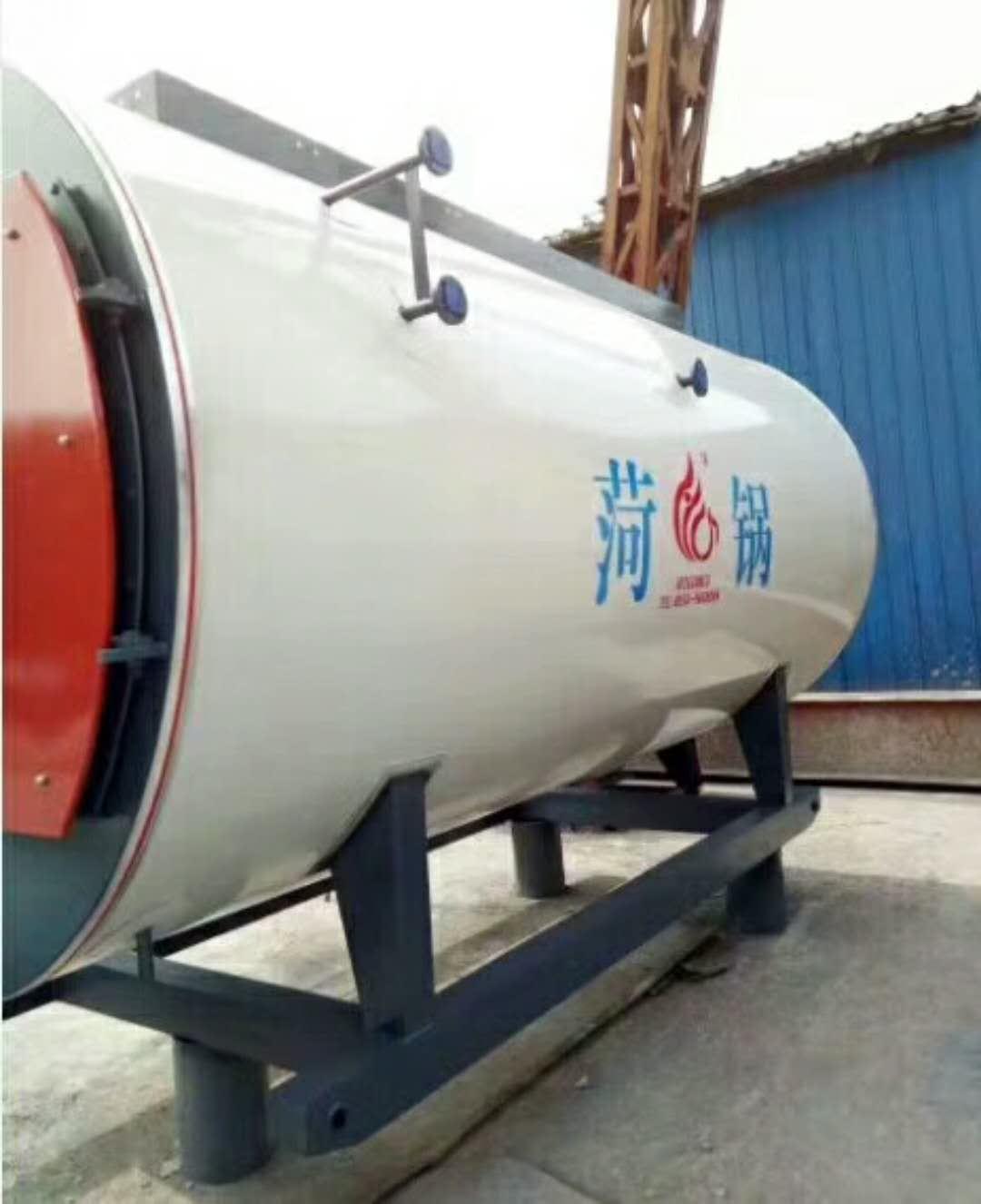
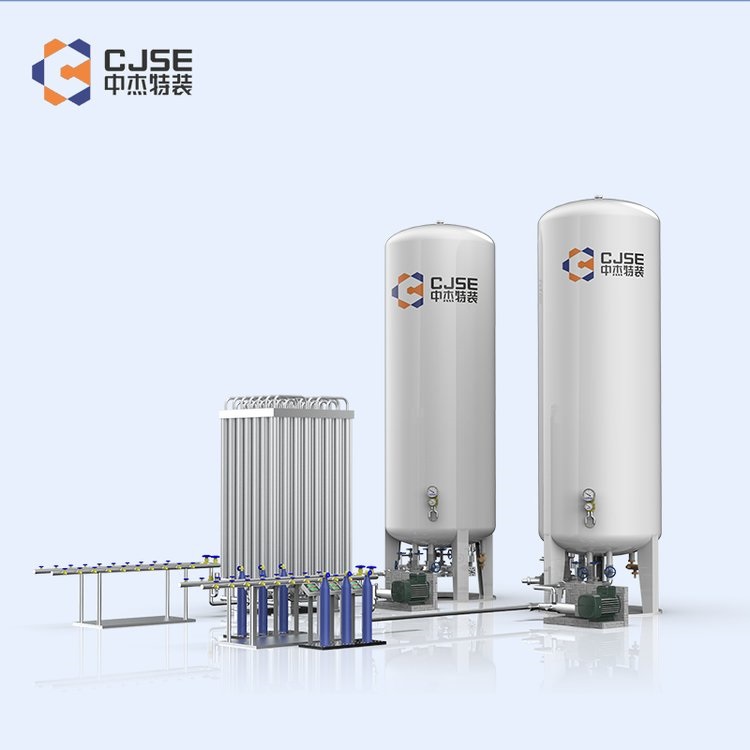
Shandong Zhongjie Special Equipment specializes in: fuel (gas) boilers, organic heat carrier boilers, biomass boilers, waste heat boilers, and other boiler products; vacuum insulation cryogenic pressure vessels such as LNG tanks, oxygen-nitrogen-argon tanks, and CO2 tanks; pressure vessel products including denitrification engineering equipment, heat storage and energy storage equipment, and complete chemical equipment; central air conditioning and ventilation equipment such as ground (water) source heat pumps, air source units, water-cooled screw units, and air-cooled modular units. Planned products include large-scale energy centers, LNG transport vehicles, LNG tank containers, and other green energy equipment.
Water tightness test for CO2 storage tanks is a commonly used quality inspection method to verify the tank's sealing and pressure resistance performance. Below are the general steps for conducting a water tightness test on CO2 storage tanks:
Preparation: Ensure the tank interior is clean and the tank is empty. Check the tank's valves, pipes, and connections to ensure they are well-sealed.
Fill with Water: Fill the tank with water, using tap water or other clean water sources. Ensure the water is evenly filled to avoid air bubbles or dead spots.
Apply Pressure: Use a pressure pump or other pressure device to gradually increase the water pressure until it reaches the predetermined test pressure. The test pressure is typically determined based on the tank's design requirements and relevant standards.
Maintain Pressure: After reaching the test pressure, hold it for a period, usually 15-30 minutes. During this time, observe for any leakage from the tank, and check if the valves and connections are leaking.
Release Pressure: Release the water pressure inside the tank, ensuring a slow and even release to avoid sudden pressure release causing shock.
Inspection and Assessment: After pressure release, inspect the tank's exterior and interior for any leakage. Assess the test results to ensure the tank's sealing and pressure resistance meet the requirements.
It is important to note that when conducting water tightness tests, safety operating procedures and standards should be followed to ensure safety and reliability during the process. Additionally, based on the tank's design and usage requirements, other types of tests can be conducted, such as gas tightness tests, ultrasonic testing, etc., to comprehensively evaluate the tank's quality and performance. Seek advice and guidance from knowledgeable professionals.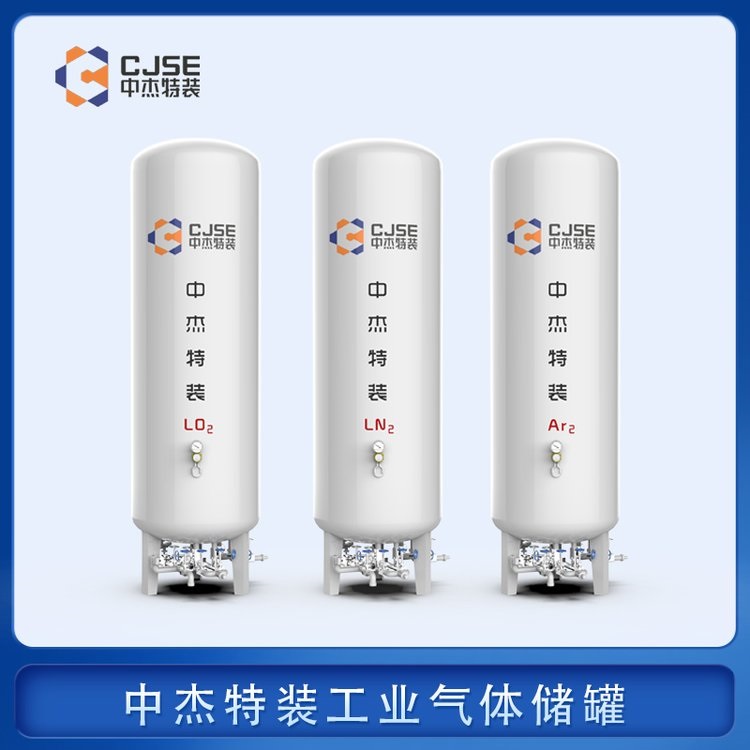
The working principle of a carbon dioxide storage tank involves the compression and liquefaction of carbon dioxide. Below is a brief description of the working principle of a carbon dioxide storage tank: Compression: Carbon dioxide gas is first compressed to a higher pressure by a compressor. This process compresses the gas into a high-pressure state, enabling it to be converted into a liquid. Cooling: The compressed carbon dioxide gas enters a cooler, where it is rapidly cooled through the cooling agent or system within the cooler. This process cools the gas below its boiling point, converting it into a liquid. Storage: The cooled carbon dioxide liquid is stored in a sealed tank, which typically has an insulating layer to reduce the evaporation of liquid carbon dioxide and maintain a low temperature. The pressure inside the tank is maintained within a certain range to ensure stable storage of the liquid carbon dioxide. Supply: When carbon dioxide is needed, it can be extracted from the tank through valves and piping systems. By controlling the opening and flow of the valves, liquid carbon dioxide can be supplied to the required equipment or system. It should be noted that the working principle of carbon dioxide storage tanks may vary depending on the specific design and manufacturing. When using a carbon dioxide storage tank, it is essential to follow the operation manual and safety guidelines, and cooperate with local regulatory authorities and personnel to ensure the tank's safety and reliability.
Daily inspections and maintenance of carbon dioxide storage tanks can be carried out following these steps:
- Visual Inspection: Check for any visible damage, corrosion, or oil leakage on the tank's exterior. Pay attention to any abnormalities in the tank shell, valves, and pipeline connections.
- Internal Inspection: If access is permitted, conduct an internal inspection. Check for corrosion, scaling, or blockages in the lining, valves, and pipelines.
- Valve and Pipeline Inspection: Verify that the tank's inlet and outlet valves and pipeline connections are functioning properly and for any leaks or loose fittings. Ensure valves operate smoothly and reliably.
- Pressure Relief Device Inspection: Check if the tank's pressure relief devices (such as safety valves) are functioning correctly. Confirm that the set pressure of the pressure relief devices meets the requirements.
- Measurement and Control System Inspection: Check that the tank's level, pressure, and temperature measurement and control systems are working properly. Calibrate and test the accuracy of measuring equipment.
- Cleaning and Drainage: Regularly clean the interior of the tank, removing accumulated impurities and sediments. Also, regularly drain the tank to remove liquid and gas impurities.
- Maintenance and Repair: Based on the inspection results, perform necessary maintenance and repair work. Repair damaged components, replace worn-out seals, etc., to ensure the tank operates normally.
- Record and Report: Document the inspection and maintenance process, including the inspection date, contents, identified issues, and actions taken. Submit inspection reports to relevant departments or management as needed.
The above are general steps for the daily inspection and maintenance of carbon dioxide storage tanks. Specific operations should be conducted according to the tank's characteristics and requirements. When performing inspections and maintenance, follow relevant safety operation procedures and have personnel carry out the operations.
Carbon dioxide tanks are widely used in many industries. Here are some common industries and examples of their use of carbon dioxide tanks:
- Beverage and Food Industry: Carbon dioxide is used as a carbonating agent for beverages and foods, such as soda, beer, and soft drinks. Tanks are used to store and supply carbon dioxide to meet production line demands.
- Industry: Carbon dioxide has various applications in the industry, including anesthesia, respiration, and tissue freezing. Tanks are used to store and supply medical-grade carbon dioxide to meet facility needs.
- Fire Suppression: Carbon dioxide is extensively used in fire suppression systems, particularly for electrical and sensitive equipment. Tanks are used to store and supply fire suppression carbon dioxide.
- Gas Industry: Carbon dioxide is also a significant product in the gas industry, used in the production of chemicals, metal processing, welding, and gas protection. Tanks are used to store and supply industrial-grade carbon dioxide.
- Greenhouse Agriculture: Carbon dioxide can be used to promote plant growth in greenhouses, providing additional carbon dioxide concentration. Tanks are used to supply the necessary carbon dioxide for greenhouse use.
- Automotive Industry: Carbon dioxide is used for tire inflation and airbag systems in vehicles. Tanks are used to store and supply carbon dioxide to meet the needs of vehicle manufacturing and repair.
These are just some common industry examples. In reality, carbon dioxide tanks are also widely used in many other industries, such as chemicals and frozen food processing. Specific applications may vary based on industry needs and scenarios.
Shandong Zhongjie Special Equipment, welcome customers to visit our factory for business talks.
Liongnan 80 Cubic CO2 Storage Tank, available for customization
