


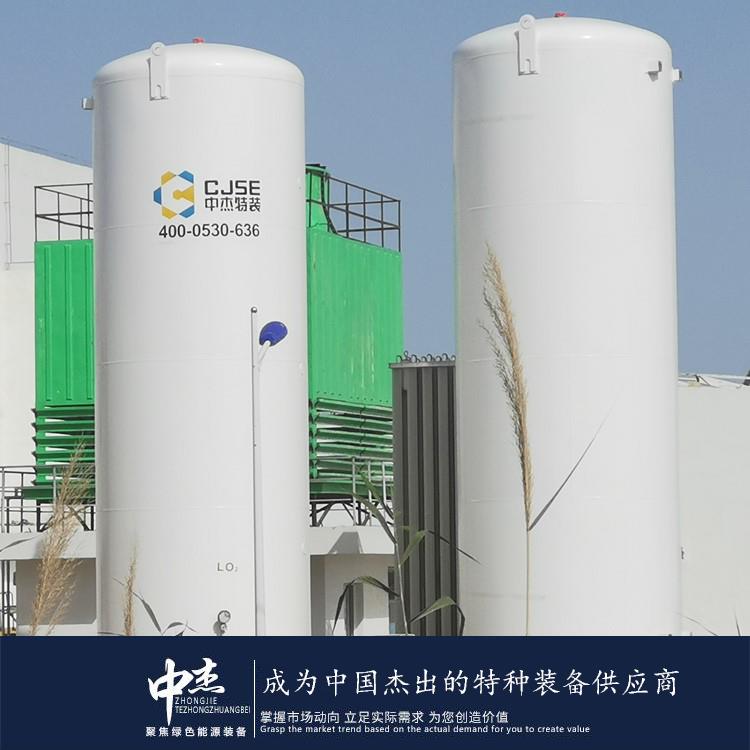
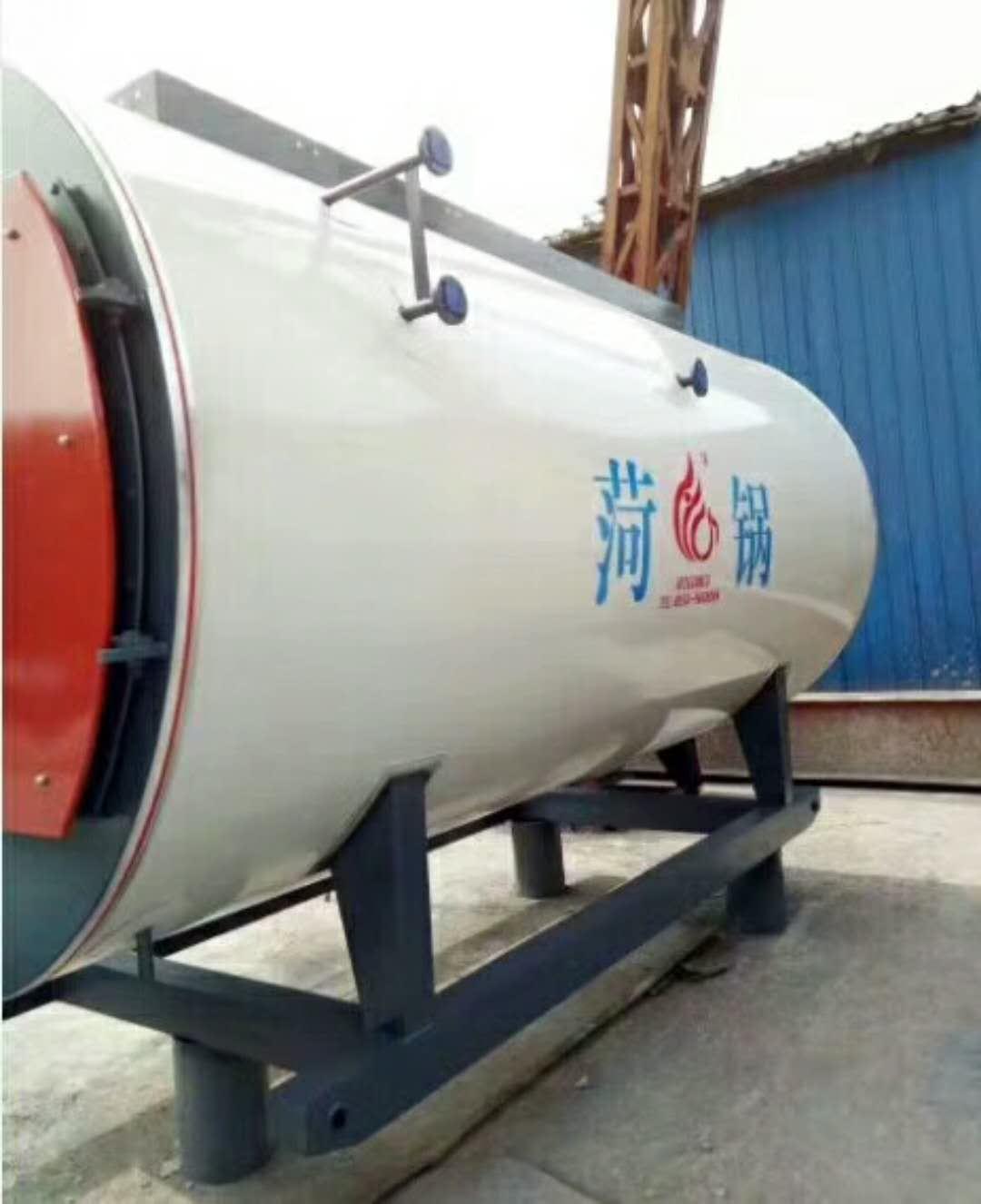
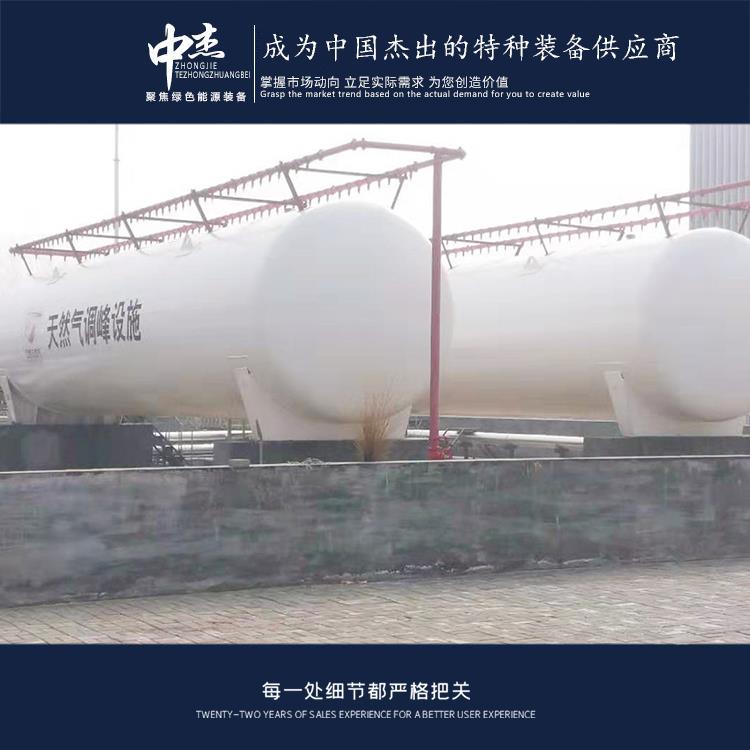
Shandong Zhongjie Special Equipment (formerly Heze Boiler Factory Co., Ltd.) was established in 2001, located at No. 2218 Jinnan Road, Development Zone, Heze City, with a registered capital of 50 million yuan and total assets of 500 million yuan. The company has 7 business centers: boilers, deep-freeze containers, pressure vessels, central air conditioning, engineering installation, international trade, and Internet of Things. It has three factory sites on Jinnan Road, East Changjiang Road, and Bohai Road, covering a total area of 200,000 square meters, with the main workshop spanning 83,000 square meters. It currently employs 710 people, including 247 engineers and technicians, and 82 intermediate-level technicians. In December 2016, it was recognized as a "High-tech Enterprise" by the Science and Technology Department. In June 2021, it was identified as a "Specialized and New Enterprise in Shandong Province" by the Ministry of Industry and Information Technology. In June 2022, it was recognized as a "Gazelle Enterprise in Shandong Province" and in August 2022, it was identified as a "Specialized and New Small Giant Enterprise" by the Ministry of Industry and Information Technology.
In the event of a CO2 cylinder leak, immediate action should be taken as follows: Ensure personnel safety: First, ensure a quick evacuation from the leak area and keep a safe distance from potential hazards. If necessary, use appropriate personal protective equipment, such as respirators and protective suits. Cut off the gas supply: As soon as possible, shut off the CO2 supply source to stop further leakage. Close related valves or switches, or disconnect from the cylinder. Prevent ignition sources: Ensure there are no open flames or other heat sources that could cause a fire in the leak area. If there's a fire risk, take immediate appropriate fire-fighting measures. Ventilation: Activate ventilation equipment to increase air circulation, which helps dilute and expel the leaked CO2 gas. Ensure the ventilation equipment is functioning properly and that the ventilation system does not introduce CO2 gas into other areas. Seal the leak point: If possible, attempt to seal the leak point using suitable materials or methods to reduce or stop the leakage. This may require assistance from personnel. Notify relevant departments: Promptly inform emergency, environmental protection, or other relevant agencies of the leak situation and act according to their instructions. Please note that handling CO2 cylinder leaks is a dangerous task and should be performed by trained and experienced personnel. Always follow relevant safety operation procedures and guidelines during the process.
Carbon dioxide has several key applications in the battery industry:
1. Solvent in Electrolytes: Carbon dioxide can serve as one of the solvents in battery electrolytes. In certain battery types, it can be mixed with organic solvents to enhance the performance and stability of the electrolyte.
2. Protective Gas in Battery Manufacturing: During battery production, carbon dioxide can be used as a protective gas. For instance, during assembly and encapsulation, it can replace air to prevent oxidation and corrosion of battery materials due to oxygen and moisture in the battery.
3. Battery Performance Improvement: Carbon dioxide can improve battery performance by altering the atmosphere within the battery. For example, by injecting carbon dioxide gas into the battery, pressure and temperature can be regulated, enhancing the battery's cycle life and safety.
4. Carbon Dioxide Capture and Storage: The production of batteries generates carbon dioxide emissions. Carbon dioxide capture and storage technologies can be employed to reduce these emissions. By capturing and storing carbon dioxide, atmospheric emissions can be minimized, reducing environmental impact.
It is important to note that the application of carbon dioxide in the battery industry is continuously evolving and being researched. With technological advancements and innovation, there may be more breakthroughs and developments in the use of carbon dioxide in the battery field.
Carbon dioxide tanks are widely used in many industries. Below are some common sectors with examples of their use of carbon dioxide tanks:
Beverage and Food Industry: Carbon dioxide is used as a carbonating agent for beverages and food, employed in the production of soft drinks, beer, and other carbonated products. Tanks are used for storing and supplying carbon dioxide to meet production line requirements.
Industry: Carbon dioxide has various applications in the industry, such as anesthesia, respiration, and tissue freezing. Tanks are used for storing and supplying medical-grade carbon dioxide to meet facility needs.
Fire Extinguishing: Carbon dioxide is extensively used in fire suppression systems, particularly in extinguishing electrical and sensitive equipment. Tanks are used for storing and supplying fire-fighting carbon dioxide.
Gas Industry: Carbon dioxide is also a significant product in the gas industry, used in the production of chemicals, metal processing, welding, and gas shielding. Tanks are used for storing and supplying industrial-grade carbon dioxide.
Greenhouse Agriculture: Carbon dioxide can be used to promote plant growth in greenhouses, providing additional carbon dioxide concentration. Tanks are used to supply the required carbon dioxide for greenhouse operations.
Automotive Industry: Carbon dioxide is used for tire inflation and airbag systems in cars. Tanks are used for storing and supplying carbon dioxide to meet the needs of car manufacturing and repair.
These are just some common industry examples. In reality, carbon dioxide tanks have extensive applications in many other sectors, such as chemicals and frozen food. Specific uses will vary based on industry needs and application scenarios.
Low-temperature carbon dioxide storage tanks offer several advantages:
- Low-temperature storage capacity: These tanks can store carbon dioxide at low temperatures, typically between -40°C and -70°C. This low-temperature storage allows carbon dioxide to be stored in a liquid state, significantly reducing the required storage space.
- High storage density: Due to carbon dioxide being stored in a liquid state at low temperatures, its storage density is relatively high. Compared to gaseous storage, liquid storage can hold more carbon dioxide in a smaller tank, enhancing storage efficiency.
- Environmental friendly and renewable: Carbon dioxide is an eco-friendly gas, and its storage and use do not produce harmful substances. Moreover, carbon dioxide can be reused through technologies like capture and recycling, reducing environmental impact.
- High safety: Low-temperature carbon dioxide storage tanks are made of high-strength materials with good sealing and corrosion resistance. They are equipped with safety valves and pressure relief devices to effectively control internal pressure and temperature, ensuring safety during storage.
- Wide application: These tanks are widely used in various fields such as food and beverage, pharmaceutical, and chemical industries. They can be used for frozen food, refrigeration equipment, gas supply, and more, meeting diverse industry needs.
In summary, low-temperature carbon dioxide storage tanks possess the advantages of low-temperature storage capacity, high storage density, environmental friendliness, renewability, high safety, and wide application. These benefits make them an essential equipment for storing and using carbon dioxide in many industries.
Our company attaches great importance to technological innovation and R&D design. We have one municipal enterprise technology center in Heze City, with testing facilities for non-destructive testing, physical and chemical tests, welding tests, hydrostatic tests, etc. We are equipped with over 600 pieces of equipment, including CNC machine tools, X-ray flaw detectors, digital ultrasonic flaw detectors, mechanical property testing machines, chemical analyzers, spectrometers, tensile testing machines, plasma welding machines, and more. The key products and technologies we have developed, such as welding of temperature and pressure vessels, biomass boiler emission reduction, and waste heat utilization, have successively entered multiple Shandong Provincial Department of Industry and Information Technology science and technology innovation projects, key projects of Shandong Province, and Heze City innovative and excellent projects. We have accumulated 27 authorized utility model patents, 16 authorized invention patents, participated in drafting 2 standards, 2 industry standards, and registered 15 trademarks. The technical team of our company, in collaboration with Professor Li Yajiang of Shandong University, has developed deep cryogenic container processing technology using the international plasma arc + filler wire argon arc welding (PAW-GTAW) technology. The provincial-level scientific and technological achievement appraisal has determined that the technology level in the field of deep cryogenic container manufacturing has reached an international standard. Choose Zhongjieteqiang, let's create brilliance together!
Xiantao 5 cubic CO2 storage tank, comprehensive after-sales service
