


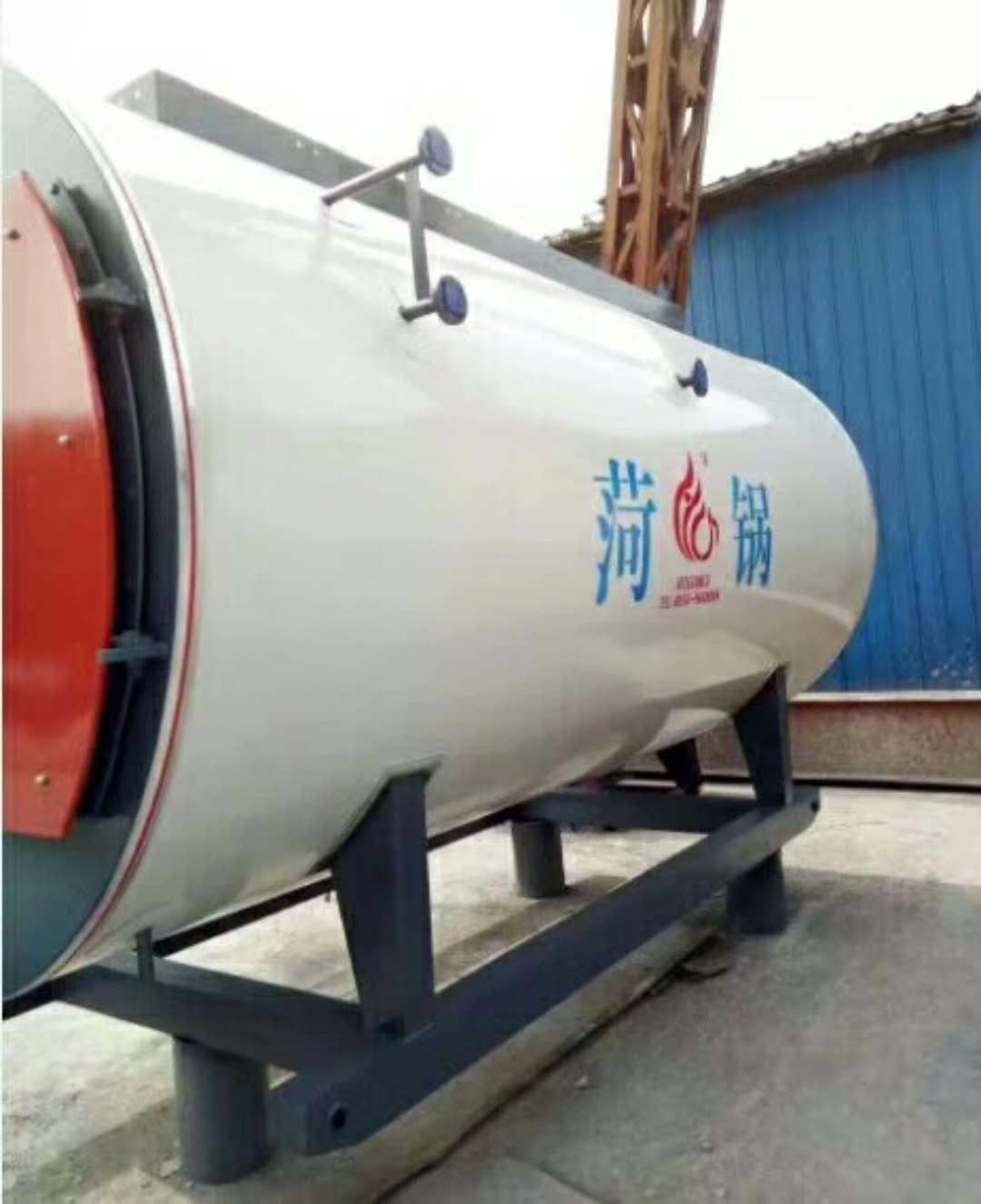
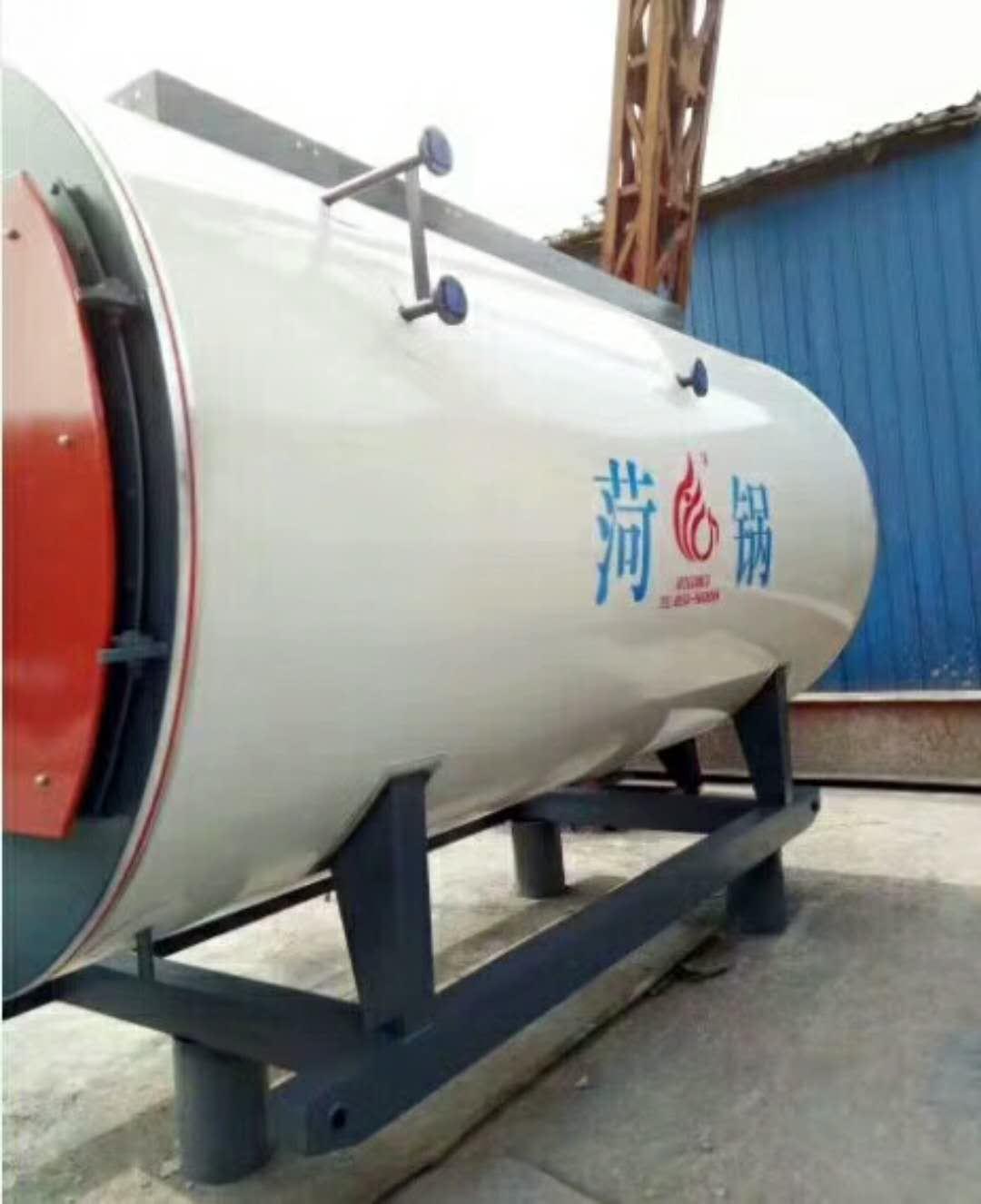
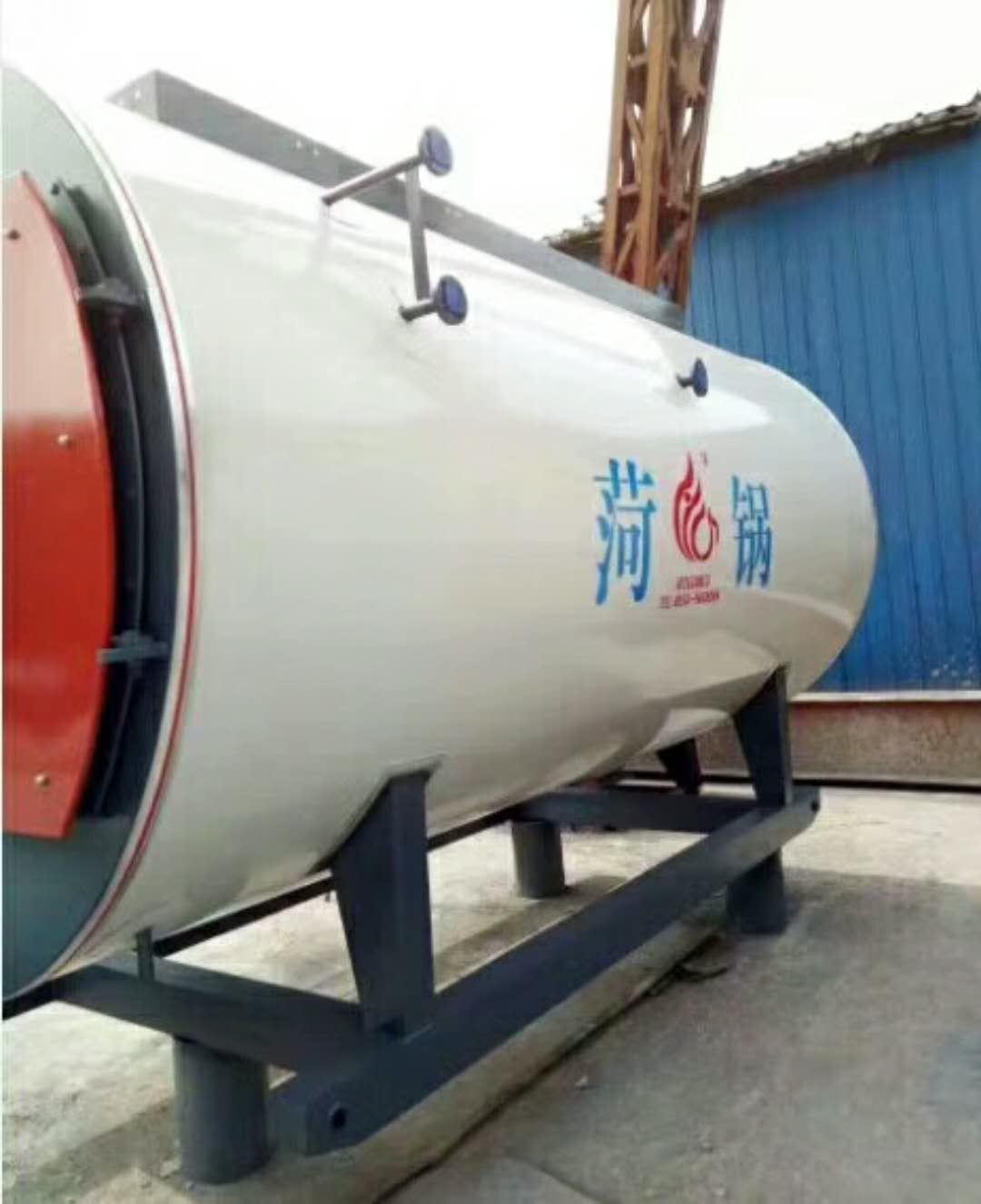
Shandong Zhongjie Special Equipment (formerly Heze Boiler Factory Co., Ltd.) holds an A-grade boiler manufacturing license, an A2-grade pressure vessel manufacturing license, an A2-grade pressure vessel design license, a B-grade boiler installation license, and GB2/Class, GC2/Class pressure pipeline installation licenses, as well as an electromechanical equipment installation contracting qualification. It is a member of the China Boiler and Water Treatment Association, the China Chemical Equipment Association, and the director unit of the Shandong Equipment Manufacturing Association. The company has also passed the ISO9001 Quality Management System, ISO14001 Environmental Management System, OHSAS18001 Occupational Health and Safety Management System certifications, and the American ASME/U2 certification.
Common protection techniques for carbon dioxide storage tanks include:
- Fire and Explosion Prevention Measures: Establish a fire-resistant buffer zone around the tank, keeping it away from fire sources and flammable materials. The tank itself should have fire and explosion prevention measures, such as fire-resistant coatings and explosion-proof devices, to prevent fires and explosions.
- Leak Detection and Alarm Systems: The tank should be equipped with leak detection and alarm systems to promptly detect and alert of any leaks. Regularly inspect and maintain the leak detection equipment to ensure proper functioning.
- Regular Inspections and Maintenance: Regularly check the tank's exterior, valves, and fittings to ensure they are intact. Conduct regular leak inspections and pressure tests to ensure the tank's safety performance meets requirements.
- Waste Gas Treatment: Treat the waste gases produced by the carbon dioxide storage tank to prevent environmental pollution. Implement appropriate waste gas treatment measures, such as collecting and processing the waste gases.
- Static Electricity Protection: Take static electricity protection measures to prevent static accumulation and discharge. Use anti-static equipment and tools to ensure static safety during operations.
- Safety Training and Awareness: Provide safety training for operators to enhance their awareness and ability to safely handle carbon dioxide storage tanks. Regularly conduct safety training and drills to respond to emergencies.
- Management Records and Documentation: Establish comprehensive management records and documentation, including the tank's usage, inspection, and maintenance records. Regularly review and update management records to ensure safe management and maintenance of the tank.
It is important to note that these are common protection techniques, and specific techniques may vary depending on the type of tank and application. When using carbon dioxide storage tanks, operate according to relevant specifications and standards, and consult experts to ensure safety and effectiveness.
Water tightness tests for carbon dioxide storage tanks are a common quality inspection method, used to verify the tank's sealing and pressure resistance. Below are general steps for conducting water tightness tests on carbon dioxide storage tanks: Preparation: Ensure the tank is clean inside and is empty. Check the tank's valves, pipes, and joints to ensure they are well-sealed. Filling with Water: Fill the tank with water, using tap water or other clean sources. Ensure even water filling to avoid bubbles or dead spots. Applying Pressure: Use a pressure pump or other pressure device to gradually increase water pressure until reaching the predetermined test pressure. Test pressure is typically determined based on the tank's design requirements and relevant standards. Maintaining Pressure: After reaching the test pressure, hold it for a period, usually 15-30 minutes. During this time, observe for any leakage and check for leaks at valves and joints. Releasing Pressure: Release the water pressure inside the tank, ensuring a slow and even release to avoid sudden pressure drops causing shock. Inspection and Evaluation: After pressure release, inspect the tank's exterior and interior for any leakage. Evaluate the test results to ensure the tank's sealing and pressure resistance meet requirements. It is important to follow relevant safety operating procedures and standards when conducting water tightness tests. Ensure the safety and reliability during the testing process. Additionally, based on the tank's design and usage requirements, other types of tests can be conducted, such as gas pressure tests, ultrasonic inspections, etc., to comprehensively assess the tank's quality and performance. Seek advice and guidance from consulting experts.
Low-Temperature Carbon Dioxide Storage Tank Knowledge
1. Structure of Low-Temperature Carbon Dioxide Storage Tanks
Low-temperature carbon dioxide storage tanks typically have a double cylindrical structure. The inner cylinder is made of 6MnDR alloy steel, the outer cylinder of Q245R or Q345R pressure vessel steel plate. The pipeline is made of austenitic stainless steel, and the jacket is filled with high-vacuum sintered sand or insulated with multi-layer wrapping. The storage tanks are equipped with valves for operation, which are arranged for ease of use. Pressure gauges and level indicators are also installed to monitor the pressure and liquid level inside the tank.
2. Key Features of Low-Temperature Carbon Dioxide Storage Tanks
(1) The tanks are equipped with connectors for filling with tank trucks, allowing fluid supply to vaporizers, tank trucks, and pumps.
(2) Both the inner and outer cylinders have safety equipment to ensure safe operation for users.
(3) The insulating material of the tanks has been specially treated to extend the vacuum life, and vacuum gauges are installed for measuring the jacket vacuum when necessary.
3. Transportation of Low-Temperature Carbon Dioxide Storage Tanks
(1) During road transportation, the storage tank should be securely attached to the vehicle and travel at moderate speeds. It is prohibited to collide with other objects.
(2) After the tank arrives, the unloading personnel should work with the equipment supervisor to develop a scientific and reasonable unloading plan.
4. Installation of Low-Temperature Carbon Dioxide Storage Tanks
(1) Once the tank arrives at the installation site, it can be placed when the installation conditions are met. During installation, avoid impacts and hits, and pay special attention to the explosion-proof equipment on the outer cylinder and the vacuum valve, which should not be touched.
(2) Conduct an airtightness test on the inner cylinder system using nitrogen to the working pressure. After ensuring that valves, pipelines, flanges, etc., are leak-free, the installation is complete.
(3) The installation dimensions are as per the supply materials. When considering filling or emptying with tank trucks, consider the vehicle's travel path.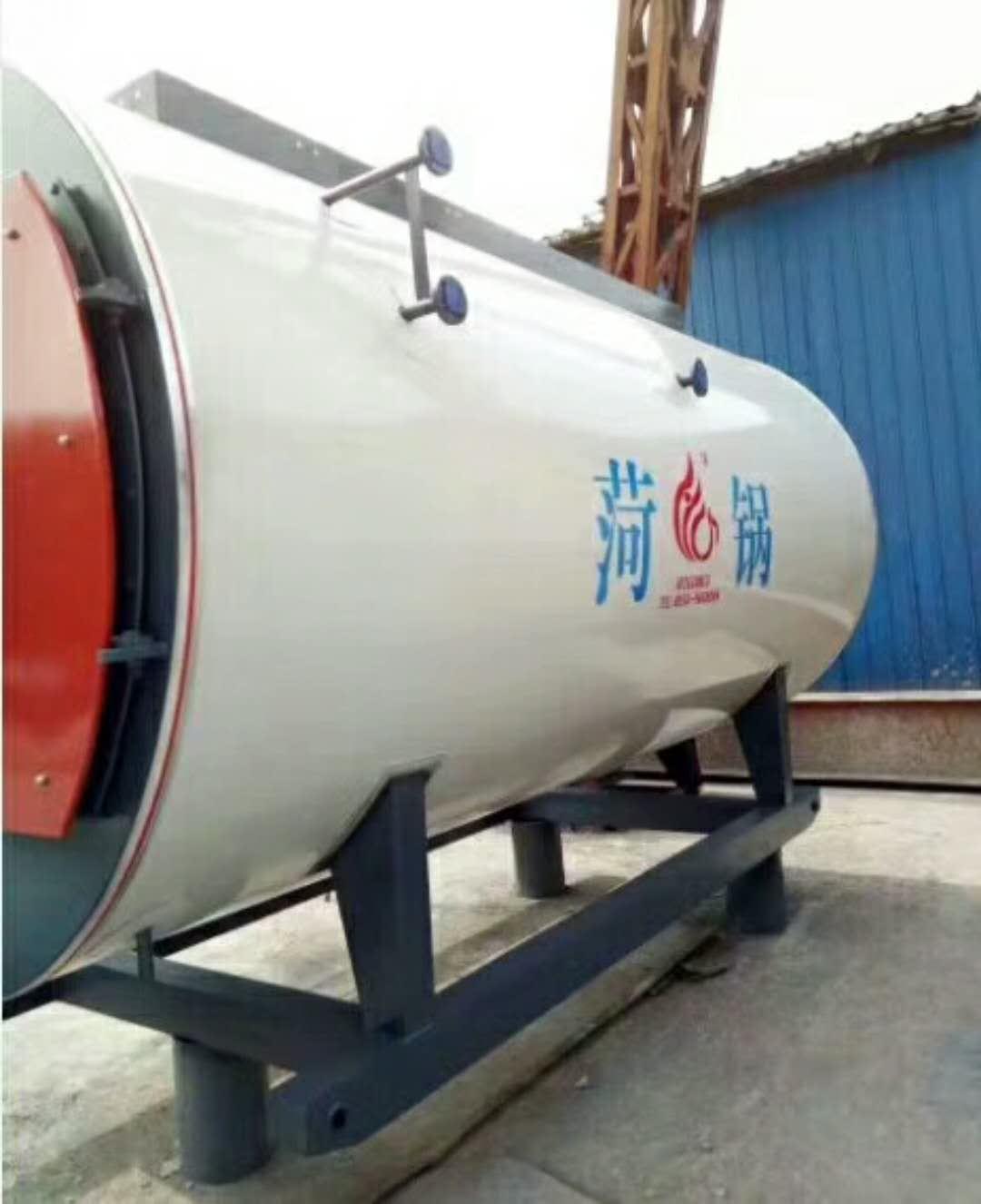
The working principle of a carbon dioxide storage tank involves the compression and liquefaction of carbon dioxide. Here is a brief description of how a carbon dioxide storage tank operates:
Compression: Carbon dioxide gas is first compressed to a higher pressure by a compressor. This process compresses the gas to a high-pressure state, allowing it to be converted into a liquid.
Cooling: The compressed carbon dioxide gas enters a cooler, where it is rapidly cooled through a coolant or cooling system within the cooler. This process cools the gas below its boiling point, converting it into a liquid.
Storage: The cooled carbon dioxide liquid is stored in a sealed tank, which typically has an insulating layer to reduce the evaporation of liquid carbon dioxide and maintain a low temperature. The pressure inside the tank is maintained within a certain range to ensure stable storage of the liquid carbon dioxide.
Supply: When carbon dioxide is needed, it can be extracted from the tank through valves and piping systems. By controlling the opening and flow of valves, liquid carbon dioxide can be supplied to the required equipment or system.
It should be noted that the working principle of carbon dioxide storage tanks may vary depending on specific design and manufacturing. When using a carbon dioxide storage tank, it is important to follow the operation manual and safety guidelines, and to cooperate with local regulatory agencies and personnel to ensure the tank's safety and reliability.
Our company attaches great importance to technological innovation and R&D design. We have one municipal-level enterprise technology center in Heze City, equipped with testing facilities for non-destructive testing, physical and chemical testing, welding testing, hydrostatic testing, etc. We have over 600 various instruments and equipment, including CNC machine tools, X-ray flaw detectors, digital ultrasonic flaw detectors, mechanical property testing machines, chemical analyzers, spectrometers, tensile testing machines, plasma welding machines, and more. The key products and technologies we have developed, such as temperature and pressure vessel welding, biomass boiler emission reduction, and waste heat utilization, have successively been selected for multiple Shandong Provincial Department of Industry and Information Technology science and technology innovation projects, Shandong Provincial key projects, and Heze City innovation and excellence projects. We have accumulated a total of 27 authorized utility models, 16 authorized inventions, participated in drafting 2 standards, 2 industry standards, and registered 15 trademarks. The technical team of our company, in collaboration with Professor Li Yajiang of Shandong University, has developed deep cryogenic container processing technology using the international plasma arc + filled wire tungsten inert gas arc welding (PAW-GTAW) technology. After the provincial-level scientific and technological achievement appraisal, the technology level has reached an international standard in the field of deep cryogenic container manufacturing. Choose Zhongjie Special Equipment, and let's create brilliance together!
Xianyang 50 cubic meter CO2 storage tank, on-site installation
