


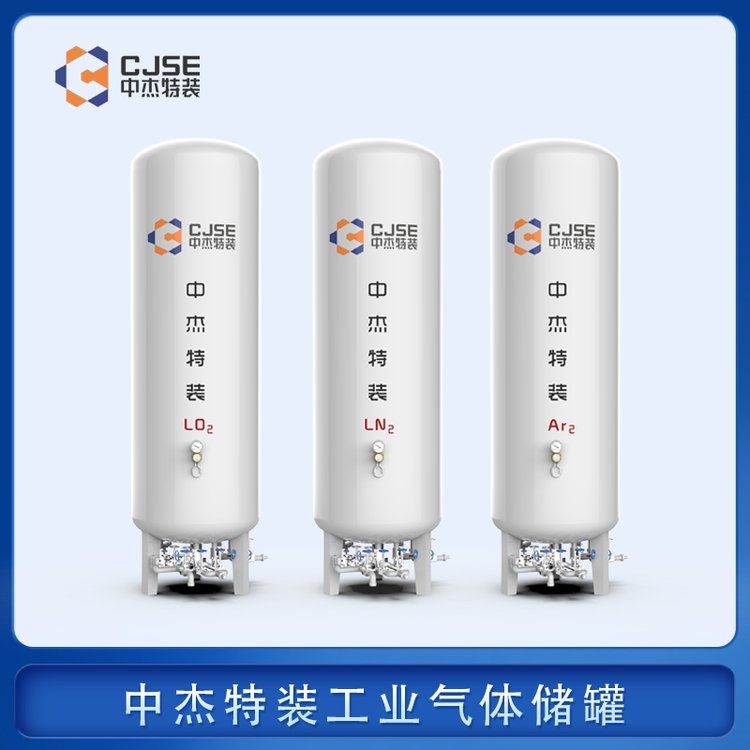
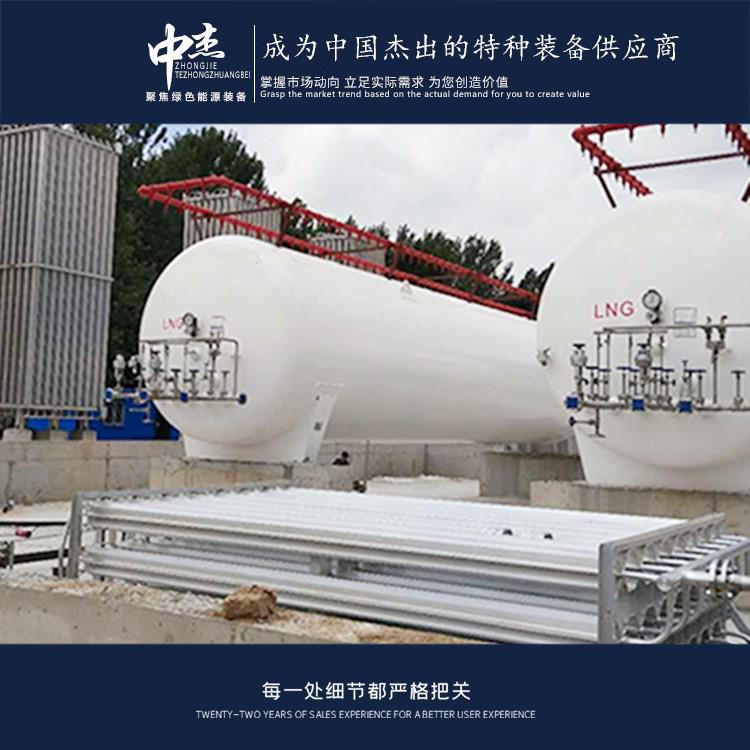
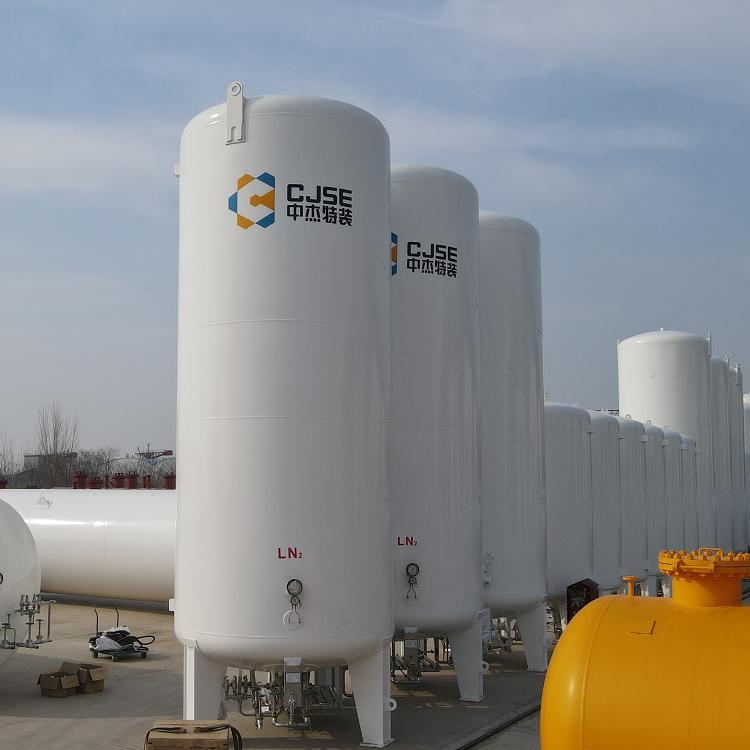
Shandong Zhongjie Special Equipment Co., Ltd. specializes in: fuel (gas) boilers, organic heat carrier boilers, biomass boilers, waste heat boilers, and other boiler products; vacuum insulation deep-freeze pressure vessels such as LNG storage tanks, oxygen-nitrogenargon storage tanks, and CO2 storage tanks; pressure vessel products including denitrification engineering equipment, heat storage and energy storage equipment, and complete chemical equipment; central air conditioning and HVAC equipment such as ground (water) source heat pumps, air-source units, water-cooled screw units, and air-cooled modular units. Planned products include large-scale energy centers, LNG transport vehicles, LNG tank containers, and other green energy equipment.
Nitrogen charging of liquid nitrogen tanks refers to the process of injecting nitrogen gas into the tank to increase the nitrogen concentration and pressure inside, in order to meet certain safety requirements and operational objectives. Here are some precautions to consider when nitrogen charging liquid nitrogen tanks:
Safe Operation: Prior to conducting nitrogen purge operations on liquid nitrogen tanks, it is essential that operators possess relevant safety knowledge and skills. Operators should wear appropriate personal protective equipment, such as safety goggles, gloves, and protective clothing.
Nitrogen Quality: Utilize high-purity nitrogen for inerting operations to ensure the quality and purity of the nitrogen. Low-purity nitrogen may contain impurities or oxygen, which could adversely affect the liquid nitrogen within the storage tank.
Nitrogen Inerting Speed Control: During the nitrogen inerting process, the speed of nitrogen inerting should be controlled to avoid being too fast or too slow. Excessive speed in nitrogen inerting can lead to overly high internal pressure within the tank, while a slower speed may result in extended inerting time.
Pressure Monitoring: During the nitrogen charging process, regular monitoring of the internal pressure changes within the tank is required. Ensure the internal pressure of the tank remains within the safe range and adjust as necessary.
Temperature Control: During the nitrogen purge process, attention should be given to controlling the tank's temperature. The low temperature of liquid nitrogen can lead to condensation and dew on the tank and pipelines. Appropriate measures, such as heating or insulation, should be taken to prevent condensation and dew from occurring.
Post-nitrogen flushing treatment: After the nitrogen flushing operation is completed, the flushing device should be promptly shut off, and the tank should be inspected and cleaned. Ensure there is no residual nitrogen or impurities inside the tank.
Note: Nitrogen charging operations for liquid nitrogen tanks must strictly adhere to relevant safety standards.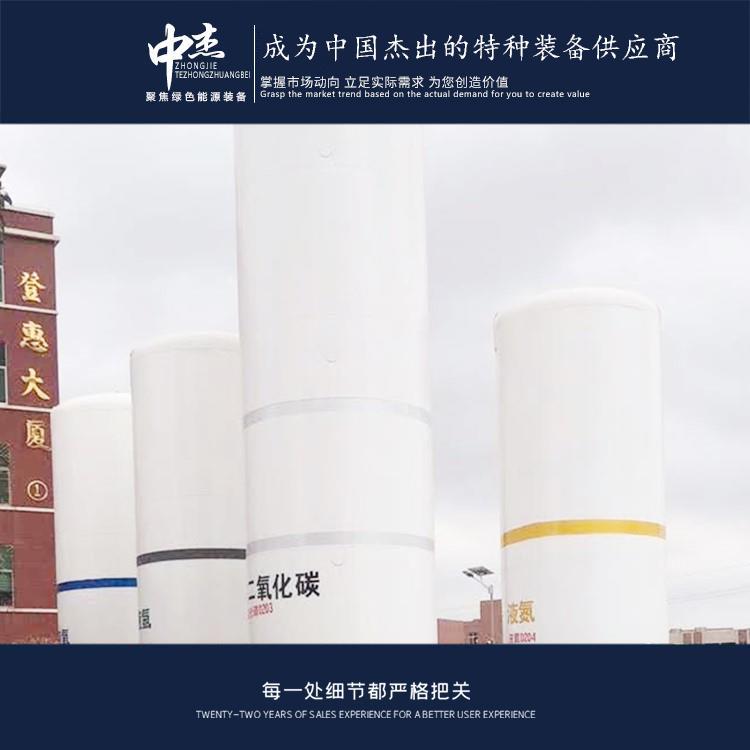
Liquid oxygen storage tanks are high-pressure, highly oxidizing equipment that require special attention to safety during use. Here are some safety precautions for liquid oxygen storage tanks:
Operation: The operation of liquid oxygen storage tanks should be carried out by personnel who have been trained and possess relevant experience. Operators should be familiar with the tank's structure, performance, and operating procedures, and operate strictly according to the operation manual and safety regulations.
Fire Prevention Measures: Liquid oxygen is highly oxidizing and can easily cause fires and explosions. Open flames and objects that generate sparks or high temperatures should be prohibited around liquid oxygen storage tanks. Fire protection facilities and fire extinguishing equipment should be established, and regular inspections and maintenance should be performed.
Leakage Control: In the event of a leak in a liquid oxygen storage tank, immediate measures should be taken to control the leakage. Leaks can lead to the evaporation of liquid oxygen and an increase in oxygen concentration, raising the risk of fire and explosion. A leak detection system should be established, and leakage control devices and personal protective equipment should be provided.
Insulation Protection: Liquid oxygen storage tanks should have good insulation protection to reduce the evaporation of liquid oxygen and maintain a low temperature state. The insulation layer should be inspected and maintained regularly to ensure its integrity and insulating performance.
Safety Distance: A certain safety distance should be maintained around liquid oxygen storage tanks to prevent the spread of fires, explosions, and leaks. The specific requirements for safety distances should be assessed and determined according to local regulations and standards.
Regular Inspections and Maintenance: Liquid oxygen storage tanks should be inspected and maintained regularly, including checking the structural integrity of the tank, valves, and pipelines.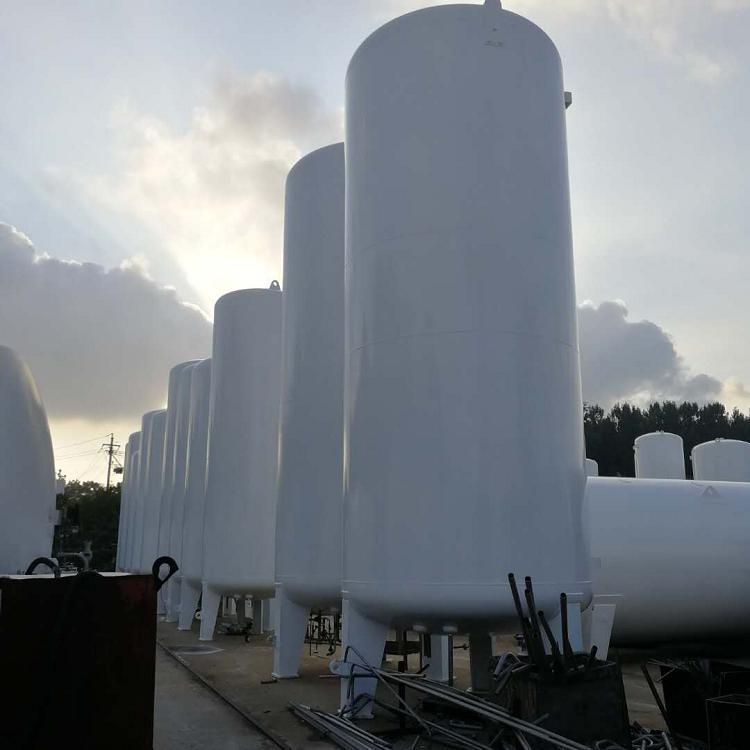
To ensure the quality of liquid oxygen storage tanks, the following measures can be taken:
选择可靠的供应商:选择有资质和经验的储罐制造商或供应商,确保其具备良好的声誉和可靠的质量管理体系。
Adhere strictly to relevant standards and regulations: The design, manufacturing, and installation of liquid oxygen storage tanks should comply with relevant standards and regulations, such as standards, industry standards, or.
Quality Control and Inspection: Rigorous quality control and inspection are conducted throughout the manufacturing process, including raw material inspection, process monitoring, and finished product testing. Ensuring that the tank materials, welding, and sealing meet the required standards.
A comprehensive quality management system: Establish and implement a comprehensive quality management system, including quality control plans, quality inspection records, and quality training, to ensure that every stage meets quality requirements.
Routine Maintenance and Inspections: Regular maintenance and inspections of the liquid oxygen storage tanks are conducted, including cleaning, coating protection, and corrosion prevention, to extend the lifespan of the tanks and maintain their optimal operational condition.
Safe Operation and Management: Establish and implement a safe operation and management system, including the proper use of storage tanks, operational procedures, safety training, etc., to ensure the safety and reliability of the tanks during use.
Regular inspections and evaluations: Conduct regular inspections and evaluations of liquid oxygen tanks, including visual inspections, pressure tests, leak detection, and as required, non-destructive testing and material analysis, to ensure the quality and safety of the tanks.
By implementing these measures, the quality, reliability, and safety of the liquid oxygen storage tanks can be effectively ensured, meeting usage requirements and standards.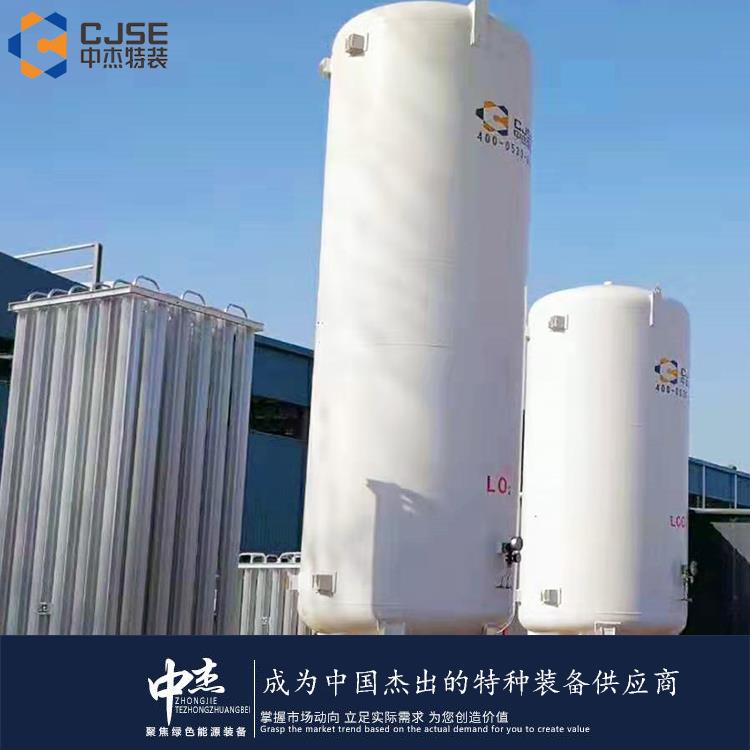
When selecting welding materials for pressure vessels, several factors should be considered:
Material Matching: The choice of welding material should match the base material of the pressure vessel to ensure the strength and corrosion resistance of the weld joint. Common material matches include carbon steel welding material with carbon steel base material, stainless steel welding material with stainless steel base material, etc.
Strength requirements: Select welding materials with adequate strength based on the design requirements and working conditions of the pressure vessel. The strength of the welding materials should match the base material to ensure that the strength of the weld joint does not become a weakness of the vessel.
Corrosion Resistance: Select welding materials with excellent corrosion resistance based on the working environment and medium of the pressure vessel. For instance, pressure vessels operating in corrosive media may require welding materials made from stainless steel with superior corrosion resistance.
Welding Performance: The selection of welding materials should consider their welding properties, including penetration depth, weld bead shape, and crack resistance. The choice of welding materials should meet the requirements of the welding process and ensure the quality of the weld joints.
Relative Standards and Regulations: When selecting welding materials, refer to relevant standards and regulations such as the ASME Boiler and Pressure Vessel Code, AWS (American Welding Society) standards, etc. These standards and regulations provide guidance and requirements for welding material selection.
It's important to note that the selection of welding materials should be made by a welding engineer or a qualified welder. They can choose the appropriate materials based on specific application requirements, working conditions, and safety standards, in conjunction with relevant specifications. Moreover, manufacturers and suppliers often provide welding material selection advice and technical support.
Shandong Zhongjie Special Equipment, welcome clients for factory discussions and collaboration.
Yunfu 5 cubic meter liquid oxygen storage tank, comprehensive after-sales service
