


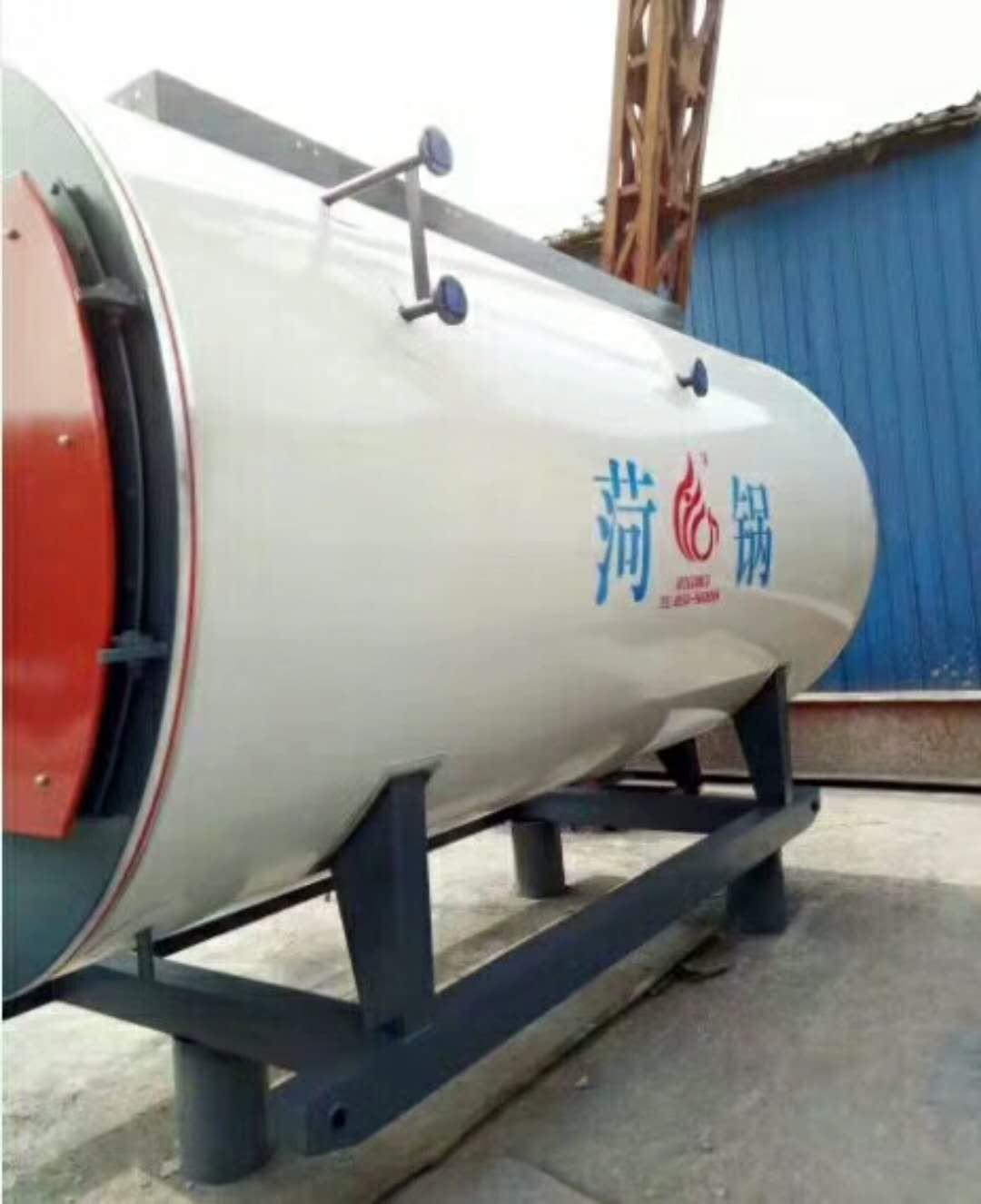
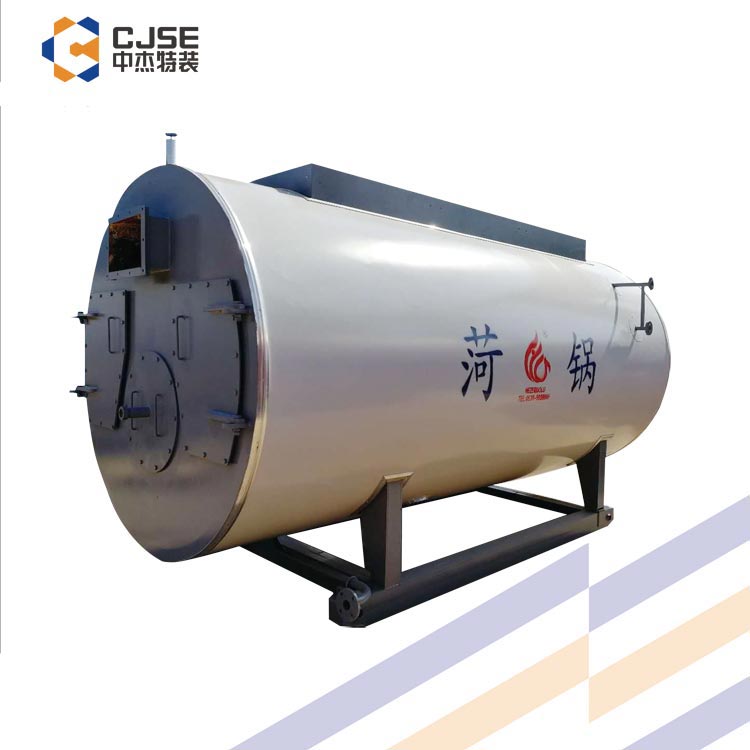
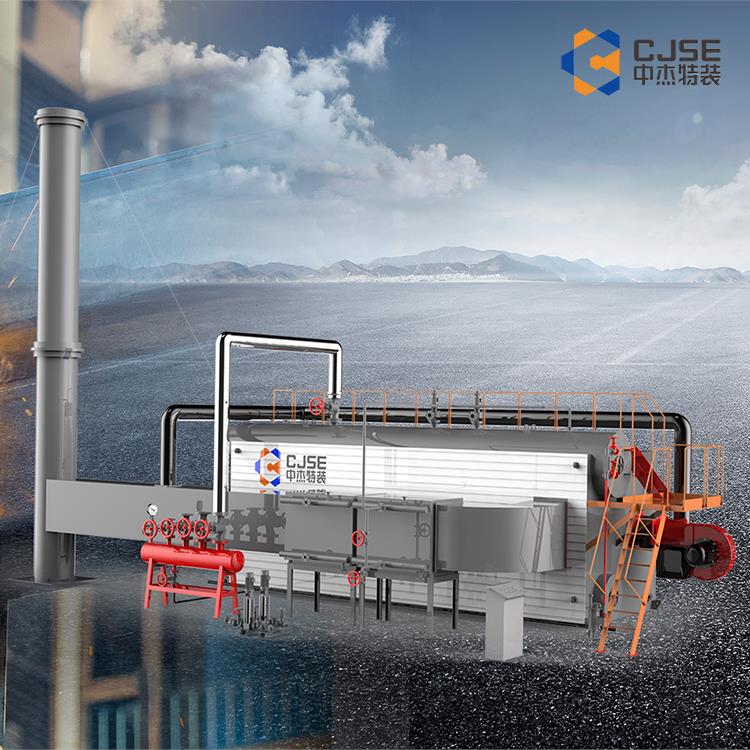
Shandong Zhongjie Special Equipment's main products include: fuel (gas) boilers, organic heat carrier boilers, biomass boilers, waste heat boilers, and other boiler products; vacuum insulation deep cooling pressure vessels such as LNG tanks, oxygen/nitrogen/argon tanks, CO2 tanks; pressure vessel products like denitrification engineering equipment, heat storage and energy storage equipment, complete chemical equipment sets; central air conditioning and ventilation equipment such as ground (water) source heat pumps, air source units, water-cooled screw units, and air-cooled modules. Planned products include large-scale energy centers, LNG transport vehicles, LNG tank containers, and other green energy equipment.
Regular inspections of industrial boilers are crucial for ensuring safe operation, improving efficiency, and extending their service life. Here are the key reasons for the importance of regular inspections:
Safety Assurance: Industrial boilers are high-temperature, high-pressure equipment. Without regular inspections, safety hazards may exist. Routine inspections can identify and rectify potential issues within the boiler, such as combustion system failures, water level control malfunctions, and safety valve malfunctions, ensuring the safe operation of the boiler.
Efficiency Enhancement: Regular inspections can detect dirt and deposits inside the boiler, maintaining the cleanliness and thermal conductivity of heat exchangers, and improving the boiler's thermal and energy efficiency. This helps reduce energy consumption and operating costs.
Extended Service Life: Regular inspections can promptly identify and address corrosion, wear, and fatigue issues within the boiler, preventing further damage and faults, and extending the boiler's service life. Regular maintenance can also prevent and reduce boiler damage and faults.
Legal and Regulatory Requirements: Many regions have established boiler safety management laws, regulations, and standards that require regular inspections and maintenance of industrial boilers. Regular inspections are a vital part of complying with legal and regulatory requirements.
Insurance Requirements: Some insurance companies have specified insurance requirements for industrial boilers, including regular inspections and maintenance. Regular inspections can meet insurance company requirements and protect the enterprise's insurance rights.
In summary, regular inspections of industrial boilers are important for ensuring safety, improving efficiency, extending service life, complying with laws and regulations, and meeting insurance requirements. Regular inspections should be conducted by qualified institutions or personnel, following relevant laws, regulations, and standards. Timely inspections and maintenance can ensure the safe and efficient operation of industrial boilers.
Steam boiler energy saving is an urgent mission, for the following reasons: Energy Consumption: Steam boilers typically use fuel to generate steam, and the consumption of fuel directly impacts energy usage. With the increasing scarcity of energy resources and rising energy prices, energy saving has become a critical task. Environmental Protection: The emissions and smoke dust produced by fuel combustion pollute the environment, including air pollution and greenhouse gas emissions. By reducing fuel consumption through energy saving, the impact on the environment and carbon emissions can be minimized. Economic Benefits: Energy saving can lower energy consumption and operational costs, enhancing energy utilization efficiency. By implementing energy-saving measures, companies can reduce energy expenses and improve economic benefits. Sustainable Development: Energy saving is a crucial component of sustainable development. By reducing energy consumption, the lifespan of energy resources can be extended, providing more energy reserves for future development. Legal and Regulatory Requirements: Many regions have established laws, regulations, and policies on energy conservation and emission reduction, requiring companies to adopt energy-saving measures and reduce energy consumption and environmental pollution. Therefore, energy-saving for steam boilers is an urgent task. By implementing effective energy-saving measures, energy consumption can be reduced, environmental pollution can be minimized, economic benefits can be improved, and sustainable development can be achieved.
The temperature control methods for gas boilers typically include:
Manual Adjustment: The temperature of a gas boiler is controlled by manually operating valves or regulators. Adjust the valve opening or regulator settings as needed to achieve the desired temperature.
Automatic Adjustment: Gas boilers can be equipped with an automatic control system that uses sensors and controllers for automatic temperature regulation. Sensors detect the boiler's temperature and send signals to the controller, which then automatically adjusts the gas supply and burner status within a set temperature range to maintain the desired temperature.
Proportional Control: The temperature regulation of gas boilers can also be done using proportional control. Adjust the valve or regulator opening proportionally based on temperature changes to maintain a certain proportional relationship between the gas supply and the burner's operating status.
PID Control: PID control is a commonly used temperature regulation method. The PID controller adjusts the gas supply and burner status based on temperature deviations, rates of change, and integral values to achieve temperature control.
It's important to note that different gas boilers may use different temperature control methods. The specific control method and operation should be determined by the boiler model and control system. When adjusting the temperature, follow safety operating procedures to ensure the boiler operates normally and maintains safety.
The flow rate standard for the heat-conducting oil in the oil tubes of a thermal oil furnace typically varies based on specific application and equipment requirements, without a unified fixed value. Generally speaking, the flow rate of the heat-conducting oil within the tubes should be maintained within a reasonable range to ensure the normal operation of the equipment and the effectiveness of heat transfer. Excessive flow rates of the heat-conducting oil can lead to issues such as increased system pressure loss and pump power consumption, higher friction losses in the pipes leading to energy loss, and increased system noise and vibration. On the other hand, low flow rates of the heat-conducting oil can result in insufficient heat transfer, affecting the thermal efficiency of the equipment, prolonged residence time of the oil in the pipes, which can lead to oxidation and thermal decomposition, reducing the lifespan of the heat-conducting oil, and the formation of carbon deposits in the pipes, increasing resistance and affecting fluid flow. Therefore, when designing and operating a thermal oil furnace system, it is necessary to consider specific equipment parameters, the properties of the heat-conducting oil, and pipeline layout, among other factors, to determine an appropriate flow rate. Typically, the flow rate should be within the range of 0.5-2.0 m/s, but the specific figures should be adjusted and optimized based on actual conditions. In practice, the flow rate of the heat-conducting oil can be controlled by monitoring and adjusting the pump flow and pipe resistance to meet the thermal energy demands and operational requirements of the equipment.
Shandong Zhongjie Special Equipment, welcome customers to visit our factory for business discussions.
50-ton Texas gas boiler, customizable to your requirements
