


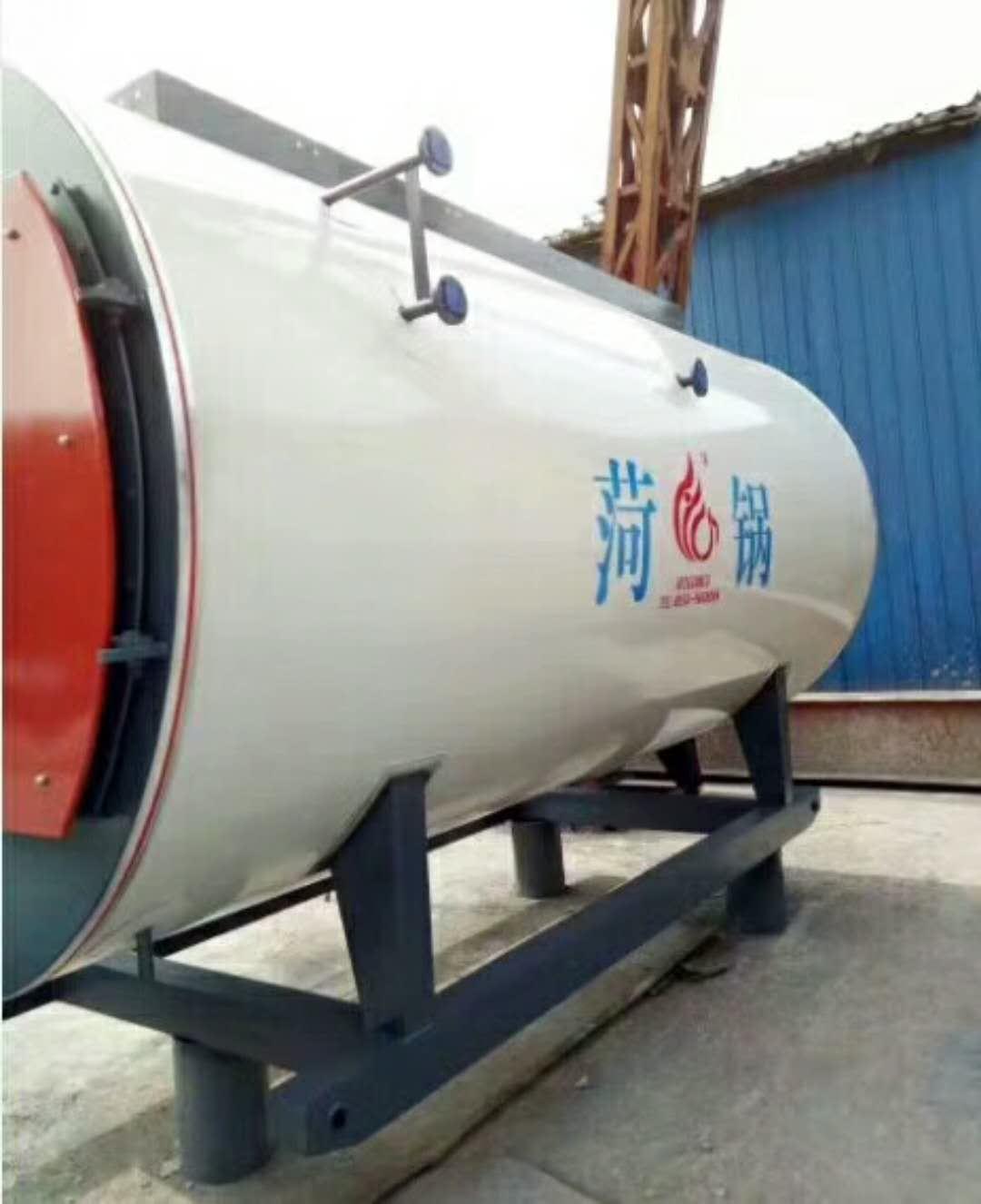
Shandong Zhongjie Special Equipment's main products include: fuel (gas) boilers, organic heat carrier boilers, biomass boilers, waste heat boilers, and other boiler products; vacuum insulation cryogenic pressure vessels such as LNG storage tanks, oxygen-nitrogen-argon storage tanks, CO2 storage tanks; pressure vessel products such as denitrification engineering equipment, heat storage and energy storage equipment, complete chemical equipment sets; central air conditioning and HVAC equipment like ground (water) source heat pumps, air source units, water-cooled screw units, and air-cooled modular units. Planned products include large-scale energy centers, LNG transport vehicles, LNG tank containers, and other green energy equipment.
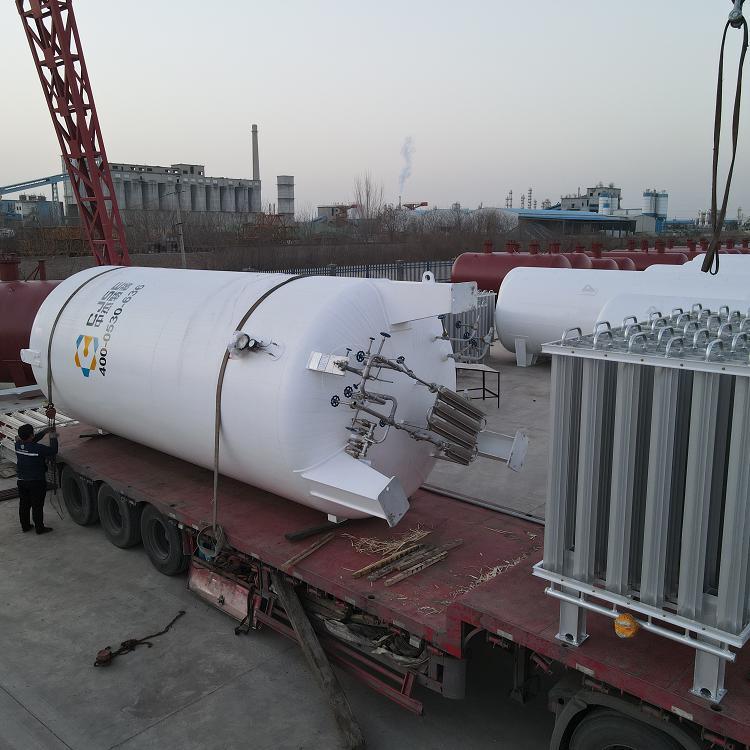
Liquid Oxygen Tanks are equipment used for storing and supplying liquid oxygen. Liquid oxygen is a state where oxygen is cooled below its boiling point, turning it into a liquid. Liquid Oxygen Tanks are typically designed with double or multi-layer structures, filled with insulating material in the middle to reduce heat transfer and the evaporation of liquid oxygen.
Liquid Oxygen Storage Tanks Feature the Following Characteristics:
High Purity: The liquid oxygen tanks store high-purity liquid oxygen, typically exceeding 99.5% purity. This makes liquid oxygen tanks essential in applications requiring high-purity oxygen, such as medical, aerospace, and research fields.
Low Temperature: Liquid oxygen has a boiling point of -183°C, so the liquid oxygen storage tank must have excellent insulation properties to maintain the low temperature state of the liquid oxygen. Tanks typically use double or multi-layer construction, filled with insulating material in between, to reduce heat transfer and the evaporation of liquid oxygen.
High Pressure: Liquid oxygen tanks typically need to withstand high pressure to maintain their liquid state. The design and material selection of the tank must consider the pressure requirements of liquid oxygen to ensure the tank's safety and reliability.
Flammability: Liquid oxygen is highly flammable and can support combustion. Therefore, during the design and operation of liquid oxygen storage tanks, fire prevention measures must be implemented to ensure there are no ignition sources nearby, and appropriate fire extinguishing equipment is provided.
High Density: With a higher density than gaseous oxygen, liquid oxygen tanks can store more oxygen. This gives liquid oxygen tanks an advantage in applications requiring large amounts of oxygen supply, such as in the field.
The use of liquid oxygen tanks must strictly adhere to relevant safety regulations and operating guidelines to ensure safe operation and usage of the tanks.
Operation procedures for liquid oxygen storage tanks should be established based on specific tank design and usage requirements. The following are some common contents of general operation procedures for liquid oxygen storage tanks:
Operator Training: Ensure operators have received relevant training on liquid oxygen storage tanks, understanding the tank's structure, performance, operation procedures, and safety considerations.
Safety Inspections: Conduct necessary safety inspections before operating liquid oxygen storage tanks, including checking the tank's integrity, the sealing of valves and pipes, and the condition of the insulation layer.
Liquid Oxygen Supply: Ensure the liquid oxygen supply system is functioning properly, including inspecting the status of liquid oxygen supply pipes, valves, and pressure gauges to ensure an adequate supply.
Tank Pressure Control: Monitor the pressure of the liquid oxygen storage tank to ensure it remains within a safe range. If necessary, control the tank's pressure by adjusting pressure valves or pressure relief devices.
Leakage Control: Regularly check the sealing of the tank and pipes to ensure there are no leaks. In case of a leak, take immediate action to control the leakage and notify relevant personnel.
Fire Prevention Measures: Prohibit open flames and prevent sparks and high-temperature objects from contacting the storage tank around it. Establish fire prevention facilities and firefighting equipment, and check and maintain them regularly.
Safety Distance: Maintain a certain safety distance around the liquid oxygen storage tank to prevent the spread of fires, explosions, and leaks.
Maintenance and Repair: Regularly perform maintenance and repairs on the tank, including cleaning the tank, inspecting the insulation layer, valves, and pipes to ensure normal operation.
Waste Disposal: Properly dispose of waste generated by liquid oxygen storage tanks, including residual liquid oxygen, waste gases, and waste liquids, in accordance with relevant environmental protection regulations and standards.
It should be noted that operation procedures for liquid oxygen storage tanks should be established based on specific tank design and usage requirements and should comply with applicable regulations, standards, and safety guidelines. When operating liquid oxygen storage tanks, cooperate with local regulatory authorities and individuals to ensure the safety and reliability of the tanks.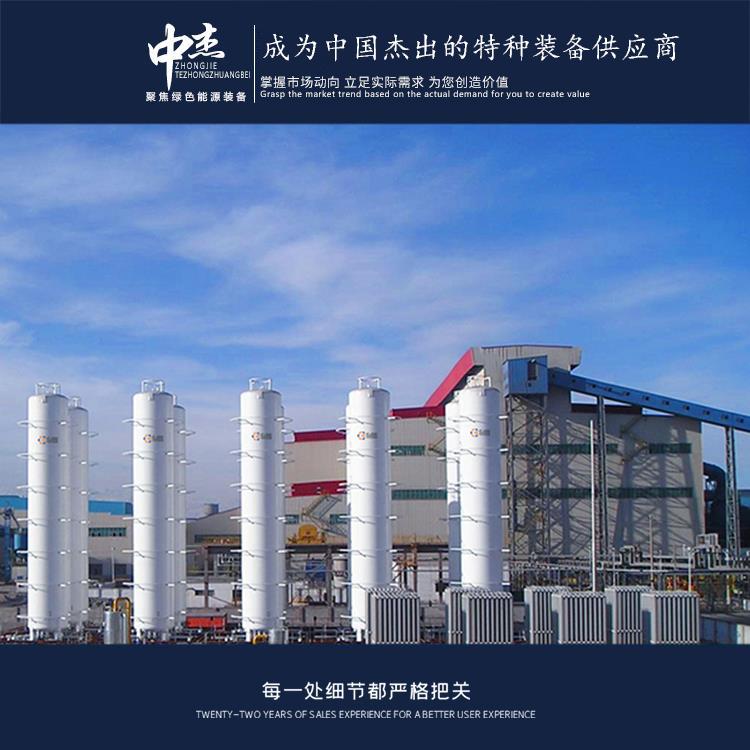
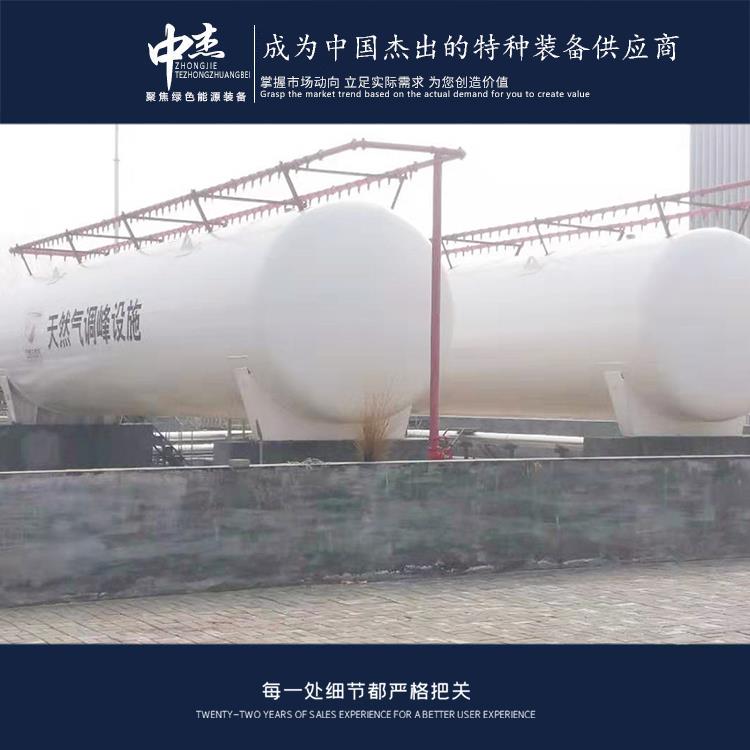
The safe placement of liquid oxygen tanks is a crucial measure to ensure that the tanks do not pose a danger to the surrounding environment and personnel during use. The following are the safety requirements for the placement of liquid oxygen tanks:
Safety Distance: Liquid oxygen storage tanks should maintain a certain distance from other buildings and equipment. This is to ensure effective control and minimize the impact on the surrounding environment in the event of a leak or fire.
Fire and Explosion Prevention Measures: Liquid oxygen tanks should be placed in fire-resistant areas, away from open flames, high-temperature sources, and flammable materials. The surrounding area should be equipped with fire and explosion prevention facilities, such as fire extinguishers and foam sprinkler systems, to address potential fire risks.
Level placement: Liquid oxygen tanks should be placed on a sturdy, flat foundation to ensure stability. The bottom of the tank should make full contact with the ground to prevent the tank from tilting or swaying.
Ventilation Requirements: Liquid oxygen tanks should be placed in well-ventilated areas to ensure the normal circulation of gas emissions and oxygen supply. There should be no obstructions around the tank that hinder gas flow.
Identification and Warnings: Liquid oxygen tanks should be clearly marked with information such as the storage medium, capacity, and pressure. Warning signs and safety cautions should be placed in the surrounding area to alert personnel to the presence and potential hazards of the liquid oxygen tank.
Regular inspections and maintenance: Liquid oxygen tanks should be regularly inspected and maintained, including checking the tank's appearance, sealing, and corrosion prevention measures. Any issues found should be repaired or replaced promptly to ensure proper operation and safety.
Be mindful that the safety requirements for the placement of liquid oxygen tanks can vary depending on different regions and industries. When positioning liquid oxygen tanks, adhere to relevant regulations, standards, and safety procedures, and develop appropriate safety measures based on the specific situation. If you are unfamiliar with or have doubts about the safety placement requirements, it is advisable to consult with experts or relevant organizations.
Liquid Oxygen Storage Tanks are high-pressure, highly oxidative equipment that requires special attention to safety during use. Here are some safety precautions for liquid oxygen storage tanks:
Operation: The operation of liquid oxygen storage tanks should be carried out by trained personnel with relevant experience. Operators should be familiar with the tank's structure, performance, and operational procedures, and should operate strictly according to the operation manual and safety regulations.
Fire Prevention Measures: Liquid oxygen is highly oxidizing and can easily cause fires and explosions. Open flames and sparks, as well as high-temperature objects, should be prohibited around the storage tank. Fire protection equipment and fire extinguishers should be established, and regular inspections and maintenance should be conducted.
Leakage Control: In the event of a leakage, immediate measures should be taken to control the leakage. Leaks can lead to the evaporation of liquid oxygen and an increase in oxygen concentration, raising the risk of fire and explosion. A leak detection system should be set up, along with leakage control devices and personal protective equipment.
Insulation Protection: Liquid oxygen storage tanks should have good insulation protection to reduce evaporation and maintain low temperatures. The insulation layer should be regularly inspected and maintained to ensure its integrity and insulating performance.
Safety Distance: A certain safety distance should be maintained around the liquid oxygen storage tank to prevent the spread of fires, explosions, and leaks. The specific requirements for safety distances should be assessed and determined according to local regulations and standards.
Regular Inspections and Maintenance: Liquid oxygen storage tanks should be regularly inspected and maintained, including checking the structural integrity of the tank, valves, and pipelines for tightness.
Zhong Jie Special Equipment adheres to the great vision of "realizing employees' dreams, creating customer value, and striving for the prosperity and strength of our motherland," and is dedicated to the development of the green energy equipment industry. We offer society high-quality and cost-effective products and services!
Guang'an Low-Temperature Liquid Nitrogen Storage Tank - Trustworthy
