


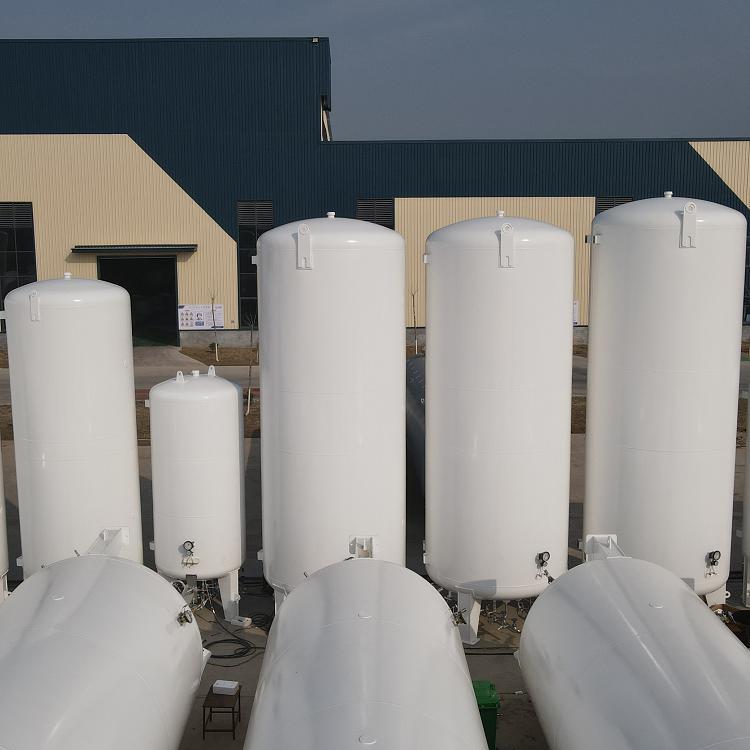
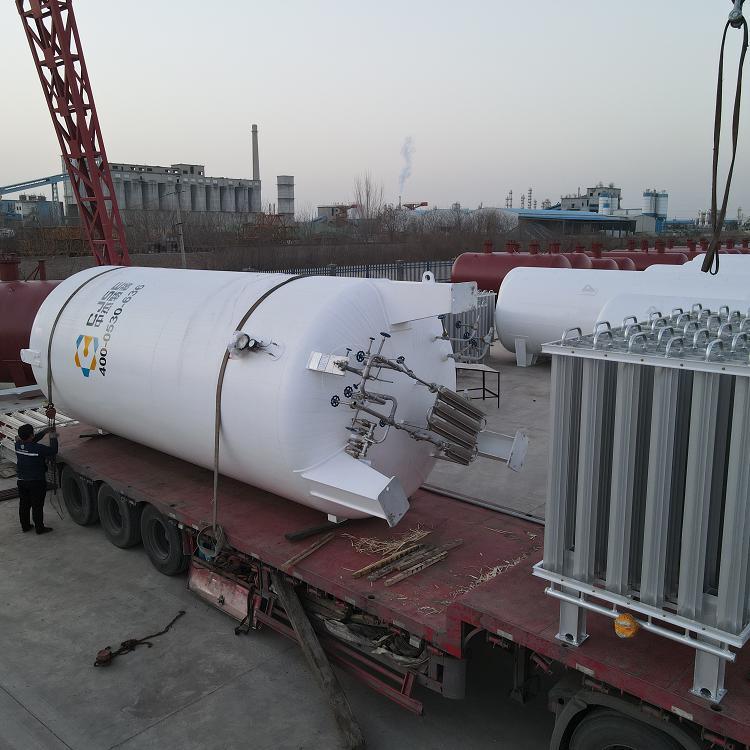
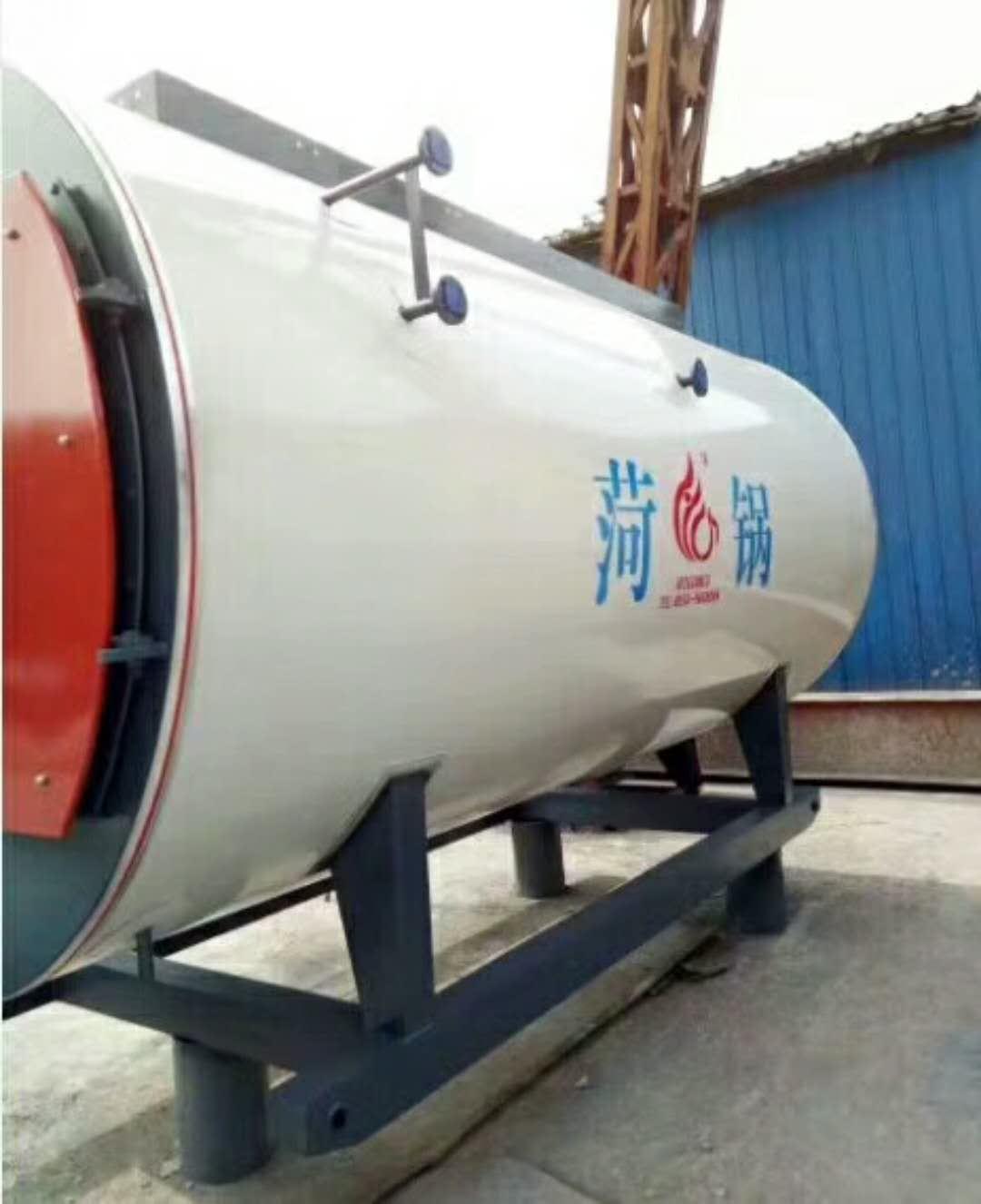
Shandong Zhongjie Special Equipment Co., Ltd. specializes in the following products: fuel (gas) boilers, organic heat carrier boilers, biomass boilers, waste heat recovery boilers, and other boiler products; vacuum insulation cryogenic pressure vessels such as LNG tanks, oxygen/nitrogen/argon tanks, and CO2 tanks; pressure vessel products including denitrification engineering equipment, heat storage and energy storage equipment, and complete chemical equipment sets; central air conditioning and ventilation equipment such as ground (water) source heat pumps, air source units, water-cooled screw units, and air-cooled modular units. Planned products include large-scale energy centers, LNG transport vehicles, LNG tank containers, and other green energy equipment.
The automated maintenance system for carbon dioxide storage tanks typically includes the following main components:
- Pressure Maintenance System: Monitors and adjusts the internal pressure of the tank to ensure the carbon dioxide inside remains within a safe and stable pressure range. This system includes pressure sensors, control systems, pressure regulating valves, and pressure reserve devices.
- Temperature Control System: Monitors and adjusts the internal temperature of the tank to maintain the carbon dioxide within an appropriate temperature range. The system includes temperature sensors, control systems, and temperature regulating devices.
- Level Monitoring System: Measures and monitors the liquid level inside the tank to ensure the carbon dioxide level is within a safe range. The system can utilize float level gauges, pressure level gauges, and ultrasonic level gauges.
- Leak Detection System: Monitors leaks in the tank and pipeline systems, detecting and alerting to them promptly. The system can employ gas sensors, liquid sensors, and leak alarms.
- Fire Detection and Extinguishing System: Monitors fire conditions in the tank area and takes appropriate extinguishing measures. The system includes fire detectors, alarms, and extinguishing equipment.
- Remote Monitoring and Control System: Monitors and controls the operational status and parameters of the tank remotely, enabling remote operation and management. This system can connect via network, providing real-time data and remote control functions.
These are the main components of a typical automated maintenance system for carbon dioxide storage tanks. The specific system configuration and functions can be customized according to the tank's design requirements and application scenarios. These automated maintenance systems enhance the tank's safety, stability, and reliability, reducing the need for manual intervention and operational risks.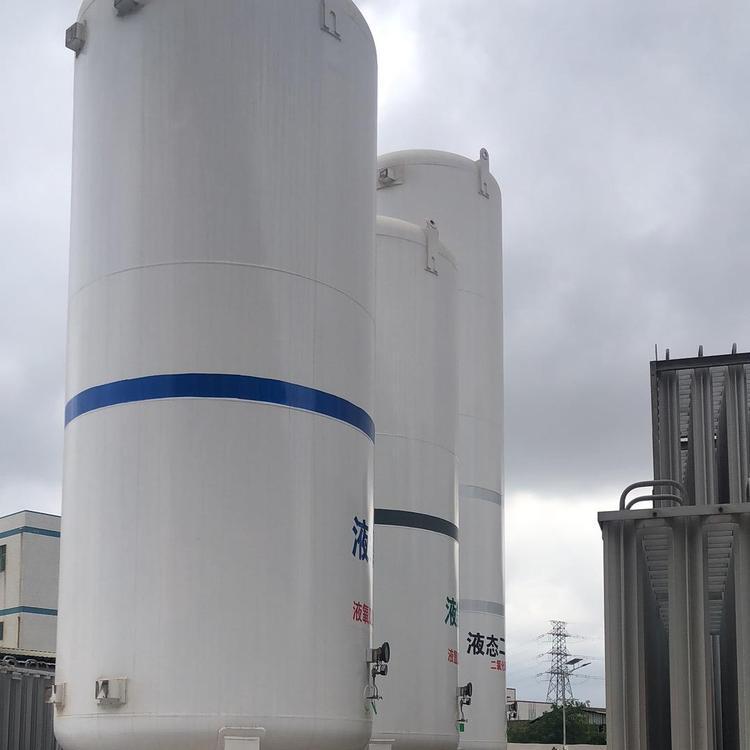
Before using a carbon dioxide storage tank, certain inspection and filling points must be addressed. Here are some common precautions:
- Inspect the tank's exterior: Look for any visible damage, corrosion, or leakage signs. Ensure the tank shell is intact and undamaged.
- Check valves and fittings: Verify that the valves and fittings on the tank are securely fastened with no leakage. Ensure proper functioning.
- Inspect the pressure gauge: Check that the pressure gauge on the tank is functioning correctly and provides accurate readings. Replace or repair as needed.
- Check the level indicator: Ensure the level indicator on the tank is working properly and accurately displays the level. Repair or replace if abnormal.
- Inspect the pressure relief device: Verify that the pressure relief device (such as the safety valve) is functioning correctly and set to the required pressure. Repair or replace if abnormal.
- Inspect filling equipment: Ensure the filling equipment (such as filling pipes, pumps, etc.) is operating correctly with no leaks or blockages. Confirm safety and reliability.
- Filling operations: Pay attention to the following during the filling process:
- Control the filling rate, avoiding too fast or too slow.
- Control the filling pressure, not exceeding the tank's rated pressure.
- Monitor the level, ensuring the appropriate level is filled.
- Regularly check filling equipment and valves to ensure they are operating normally.
- Safety measures: Adhere to relevant safety regulations and procedures during the filling process. Operators should wear appropriate protective gear, such as antistatic clothing and gloves.
- Note: Specific inspection and filling points may vary depending on tank type and application. Prior to using a carbon dioxide storage tank, conduct inspections and operations according to relevant specifications and standards, and consult with experts to ensure safety and effectiveness.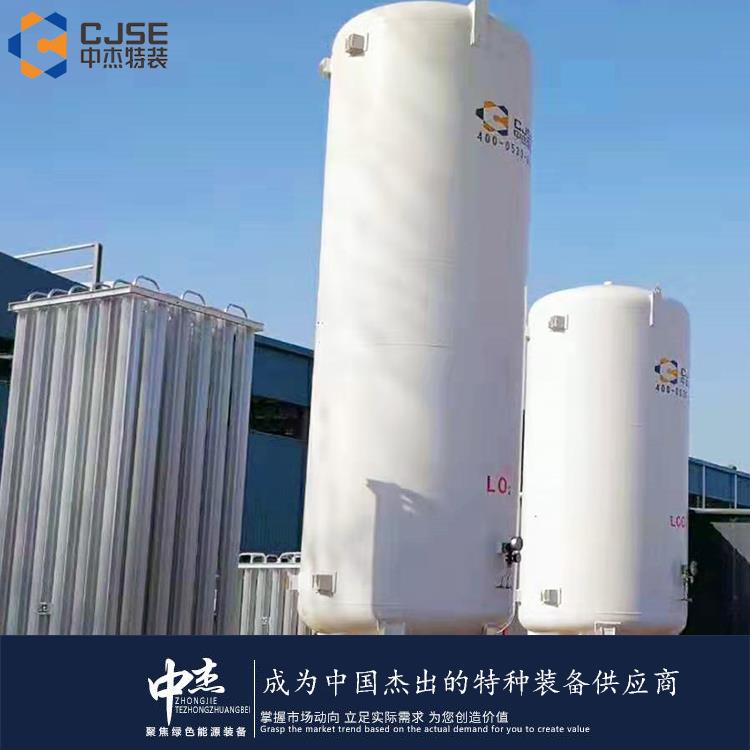
Carbon dioxide storage tanks come in various sizes and structures, tailored to specific application needs and capacity requirements. Here are some common dimensions and structures of carbon dioxide storage tanks:
Dimensions: The size of carbon dioxide storage tanks can range from small to large, varying with capacity. Common size ranges include thousands to tens of thousands of liters.
Structure: These tanks typically feature a double-wall design, with the inner wall for storing liquid carbon dioxide and the outer wall for insulation. The inner wall is usually made of stainless steel or aluminum alloy, offering excellent corrosion resistance.
Insulation: To maintain the低温 state of liquid carbon dioxide, the outer wall of the tank usually has an insulating layer to reduce heat transfer and maintain low temperatures. The insulation can be a multi-layered structure, such as polyester foam or glass wool.
Pressure Relief Devices: Carbon dioxide storage tanks usually come equipped with pressure relief devices, like safety valves, to control internal tank pressure. The set pressure of these devices should meet relevant requirements and be inspected and maintained regularly.
Connecting Pipes: The connection between the tank and pipes is usually made using appropriate methods, such as flange connections or threaded connections. The connecting pipes should comply with relevant standards and specifications to ensure a tight and reliable connection with no leaks.
Support Structure: Large carbon dioxide storage tanks often require a support structure to bear their weight. The support structure can be steel or concrete, ensuring the stability and safety of the tank.
It is important to note that the specific dimensions and structures of carbon dioxide storage tanks may vary depending on different applications and requirements. When selecting and using carbon dioxide storage tanks, one should consider the following factors...
When using carbon dioxide tanks, pay attention to the following aspects:
Safety Operation: Operators must receive training to understand the characteristics, operation requirements, and safety measures of carbon dioxide tanks. Adhere to relevant safety operation procedures and standards to ensure operation safety.
Tank Inspection: Regularly inspect the tank's appearance, seal, valves, and pipeline connections before use. Repair or replace promptly if any abnormalities or damage are found.
Tank Placement: Place the tank in a well-ventilated, dry, and fire-free area. Avoid direct sunlight and high temperatures to prevent overheating of the tank.
Leak Prevention: Ensure that the valves and pipeline connections of the tank are sealed properly to prevent carbon dioxide leakage. Regularly check and replace sealing components, and handle leaks promptly.
Pressure Control: The internal pressure of the tank should be within a safe range. Check the tank's pressure gauge and safety valve before use to ensure proper operation. Avoid excessive or low pressure to prevent safety accidents.
Fire Prevention Measures: Carbon dioxide is flammable, so fire prevention measures must be taken during use. Smoking, open flames, or placing flammable materials near the tank are prohibited.
Exhaust Emission: Properly discharge the exhaust produced when using carbon dioxide tanks to avoid the accumulation of carbon dioxide in enclosed spaces, which can lead to asphyxiation and safety risks.
Emergency Response Plan: Develop and implement an emergency response plan, including procedures for leak incidents, evacuation, and first aid measures. Operators should be familiar with the emergency response plan and conduct drills regularly.
Note that carbon dioxide tanks should only be used by trained operators and in accordance with relevant safety operation procedures and standards. Seek advice and guidance from knowledgeable professionals.
Shandong Zhongjie Special Equipment, welcome clients for factory talks and collaboration.
Shangqiu 40 cubic CO2 storage tank - High product safety
