


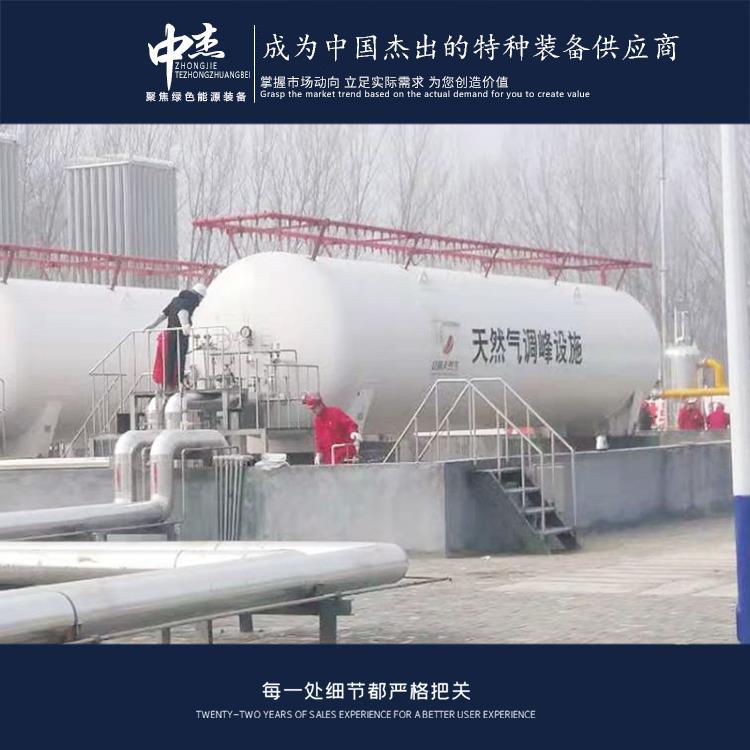
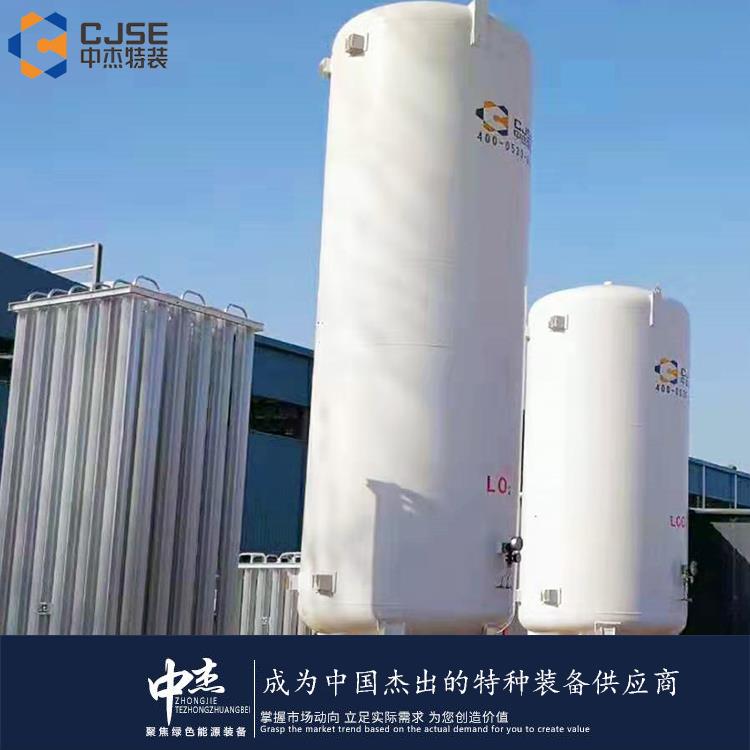
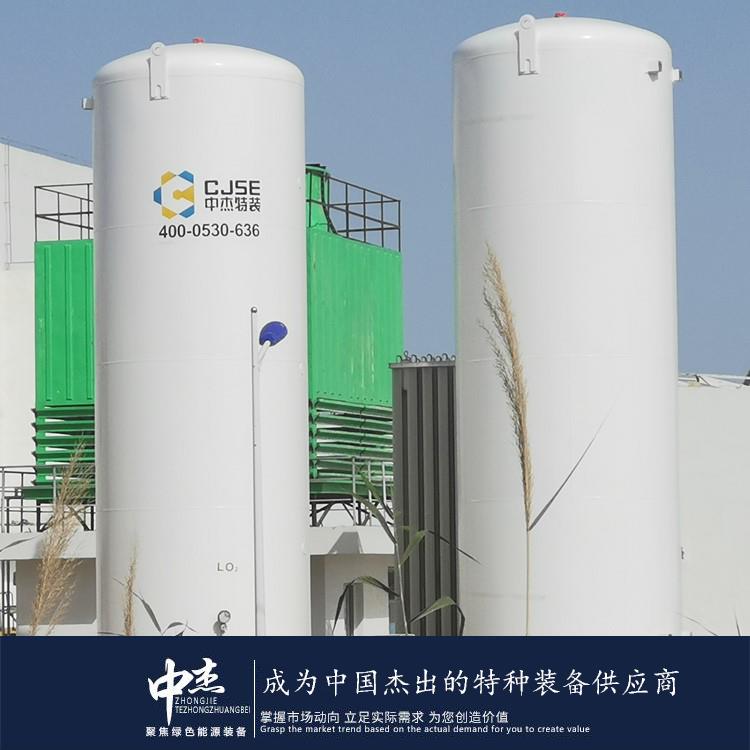
Shandong Zhongjie Special Equipment (formerly Heze Boiler Factory Co., Ltd.) holds an A-grade boiler manufacturing license, an A2-grade pressure vessel manufacturing license, an A2-grade pressure vessel design license, a B-grade boiler installation license, and GB2/Class, GC2/Class pressure pipeline installation licenses, as well as an electromechanical equipment installation contracting qualification. It is a member of the China Boiler and Water Treatment Association, the China Chemical Equipment Association, and the council member of the Shandong Equipment Manufacturing Association. The company has also passed the ISO9001 Quality Management System, ISO14001 Environmental Management System, OHSAS18001 Occupational Health and Safety Management System certifications, and the American ASME/U2 certification.
When filling liquid carbon dioxide tanks, attention should be given to the following aspects:
- Safe Operation: During the filling process, it is mandatory to follow relevant safety operation procedures and standards. Operators should receive training to understand the operational requirements and safety measures of the filling equipment and operate strictly according to the procedures.
- Tank Inspection: Before filling, the tank must be inspected to ensure its integrity and safety. Check the tank's appearance, sealing, valves, and pipeline connections, and if any abnormalities or damage are found, repair or replacement should be done promptly.
- Filling Equipment: Select appropriate filling equipment, ensuring it complies with relevant standards and requirements. The filling equipment should have a safe and reliable design and operational functionality to ensure the safety and efficiency of the filling process.
- Filling Speed Control: Controlling the filling speed is crucial. Excessive filling speed can lead to high tank pressure, increasing safety risks. The filling speed should be controlled according to the tank's capacity and design requirements to ensure safe filling.
- Pressure Control: The tank's pressure must be strictly controlled during the filling process. The filling equipment should be equipped with pressure sensors and safety valves to ensure the internal pressure of the tank remains within a safe range.
- Leak Protection: During the filling process, the sealing of valves and pipelines must be ensured to prevent the leakage of carbon dioxide. Regularly inspect and replace seals, and promptly address any leakage situations.
- Monitoring and Recording: Real-time monitoring and recording of key parameters such as pressure, temperature, and level should be conducted during the filling process. This helps in timely detection of abnormalities and corresponding adjustments and treatments.
It should be noted that filling carbon dioxide tanks should be operated by qualified personnel and followed relevant safety operation procedures and standards. Seek advice and guidance from experts.
In daily operation, CO2 storage tanks require protection and maintenance to ensure proper functioning and safety. Here are some common protection and maintenance methods:
- Visual Inspection: Regularly check the tank's exterior for signs of corrosion, wear, and cracks. Address any anomalies promptly with repair measures.
- Sealing Inspection: Periodically check the tank's sealing performance, particularly at valves, pipe connections, and the tank itself. Ensure no leaks are present and fix any leaks immediately.
- Temperature Control: Maintain a suitable ambient temperature around the tank and implement insulation measures to ensure the tank's internal低温 state.
- Pressure Relief Device Check: Regularly inspect the tank's pressure relief devices, such as safety valves, to ensure they are functioning correctly. Verify that the set pressure of the relief devices meets requirements and perform regular maintenance and replacements.
- Level Monitoring: Regularly monitor the tank's liquid level to ensure accurate measurements. Address any abnormal levels promptly by identifying the cause and taking appropriate actions.
- Regular Cleaning: Clean the tank's interior regularly to remove accumulated impurities and dirt. Pay attention to safety during cleaning and avoid using flammable and corrosive substances.
- Regular Testing: Conduct regular pressure tests and leak detections on the tank to ensure safety performance meets requirements. The frequency and methods of testing should comply with relevant regulations and standards.
- Storage Capacity Control: Control the storage capacity of the tank to prevent exceeding the rated capacity. Overfilling can lead to excessive tank pressure and increased safety risks.
- Note: Specific protection and maintenance methods may vary depending on the type of tank and its application.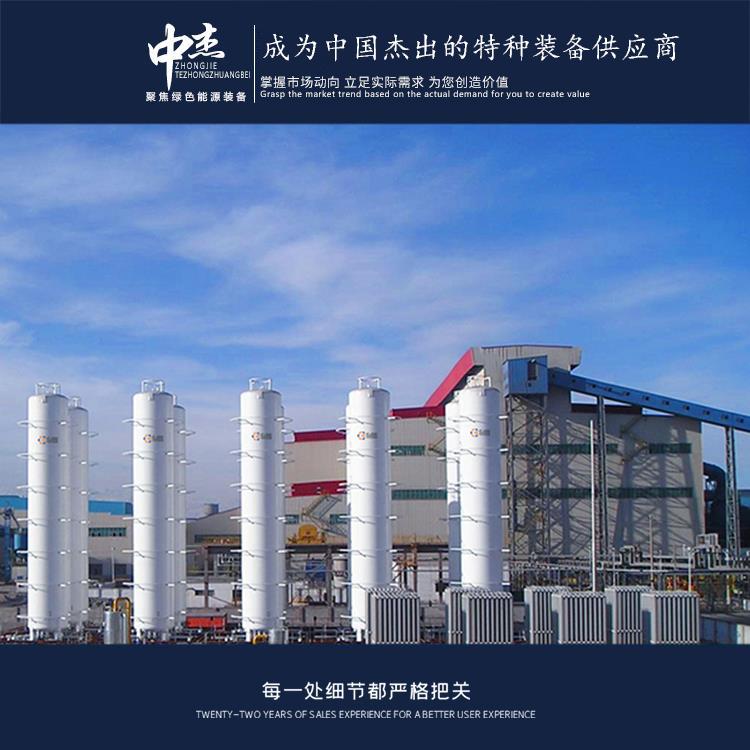
Carbon dioxide storage tanks possess the following characteristics:
- High-pressure vessels: Carbon dioxide storage tanks are typically designed as high-pressure vessels, capable of withstanding high pressure. This is because carbon dioxide requires high pressure at room temperature to maintain its liquid state.
- High oxidizing properties: Carbon dioxide has high oxidizing properties, which can support combustion. Therefore, when using and storing carbon dioxide, precautions must be taken to prevent contact to avoid the risk of fire and explosion.
- Low-temperature storage: Carbon dioxide is in a gaseous state at room temperature but can be compressed into a liquid at lower temperatures. Consequently, carbon dioxide storage tanks usually need to have good insulation properties to maintain the low-temperature liquid state of the stored carbon dioxide.
- High density: Liquid carbon dioxide has a high density, allowing for the storage of large amounts of carbon dioxide in a relatively small volume. This makes carbon dioxide storage tanks useful in scenarios requiring substantial carbon dioxide supply.
- Safety valves and pressure control: To ensure that the internal pressure of the tank remains within a safe range, carbon dioxide storage tanks are usually equipped with safety valves and pressure control devices. These devices monitor and control the internal pressure of the tank to prevent excessive pressure from causing the tank to burst.
- Corrosiveness: Carbon dioxide has some degree of corrosiveness, especially in high-humidity environments. Therefore, the materials and corrosion prevention measures for the tank need to consider the corrosiveness of carbon dioxide to ensure the tank's durability and safety.
These characteristics make carbon dioxide storage tanks widely applicable in many industries, such as the food and beverage industry, fire suppression, and the gas industry. When using carbon dioxide storage tanks, it is necessary to follow relevant safety operation procedures and standards to ensure the safety of operations.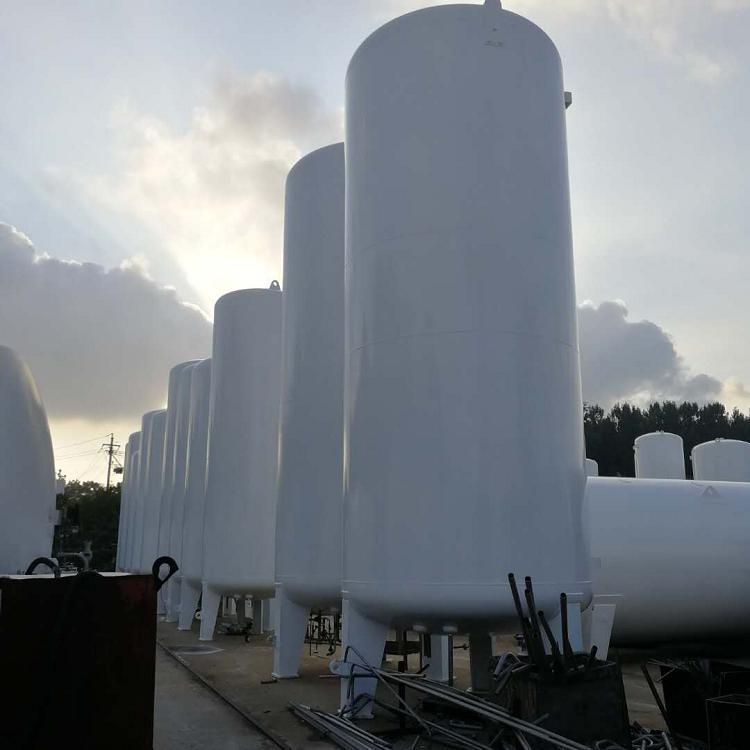
The installation of a safety valve on a CO2 storage tank is a crucial measure to ensure the tank can safely release pressure in case of overpressure. The following are general installation steps:
1. Select the appropriate safety valve: Choose a suitable safety valve based on the tank's design pressure and flow requirements. Ensure the rated pressure and flow of the safety valve meet the tank's specifications.
2. Installation location: Select a proper location for the safety valve, typically on the top or side of the tank. Ensure the safety valve can easily release pressure and is not obstructed by other equipment or structures.
3. Preparations: Clean the tank surface at the installation location to ensure there is no debris or dirt. Check the sealing integrity of the safety valve and connecting pipes, ensuring no damage or leaks.
4. Install the safety valve: Connect the safety valve to the tank using the appropriate fittings and sealing materials. Follow the installation instructions for the safety valve to ensure a secure and reliable connection with the tank.
5. Adjustment and testing: Adjust and test the safety valve according to its specifications and requirements. Ensure the safety valve operates normally within the set pressure range and can release pressure promptly.
6. Identification and record: Label the safety valve and tank with relevant information, such as the rated pressure and flow of the safety valve, installation date, etc. Record the installation process and test results for future reference and maintenance.
Please note that the installation of a CO2 storage tank safety valve must follow relevant safety operating procedures and standards. If you do not possess the necessary knowledge and experience, it is recommended to consult with personnel or manufacturers for installation.
Our company places great emphasis on technological innovation and R&D design. We possess 1 municipal-level enterprise technology center in Heze City, and have established testing facilities for non-destructive testing, physical and chemical testing, welding testing, hydrostatic testing, etc. We are equipped with over 600 various instruments and equipment, including CNC machine tools, X-ray flaw detectors, digital ultrasonic flaw detectors, mechanical property testing machines, chemical analyzers, spectrometers, tensile testing machines, plasma welding machines, and more. The key products and technologies we have developed, such as temperature and pressure vessel welding, biomass boiler emission reduction, and waste heat utilization, have successively been shortlisted for multiple Shandong Provincial Department of Industry and Information Technology science and technology innovation projects, Shandong Provincial key projects, and Heze City innovation and excellence projects. We have cumulatively obtained 27 authorized utility model patents, 16 authorized invention patents, participated in drafting 2 standards, 2 industry standards, and registered 15 trademarks. The technical team of our company, in collaboration with Professor Yajiang Li of Shandong University, has jointly developed deep cryogenic container processing technology using the international plasma arc + filler wire tungsten inert gas arc welding (PAW-GTAW) technology. After the provincial-level scientific and technological achievement appraisal, the technology level has reached an international standard in the field of deep cryogenic container manufacturing. Choose Zhongjie Special Equipment, and let's create brilliance together!
Tongling 5 cubic CO2 storage tank, high cost-performance ratio
