


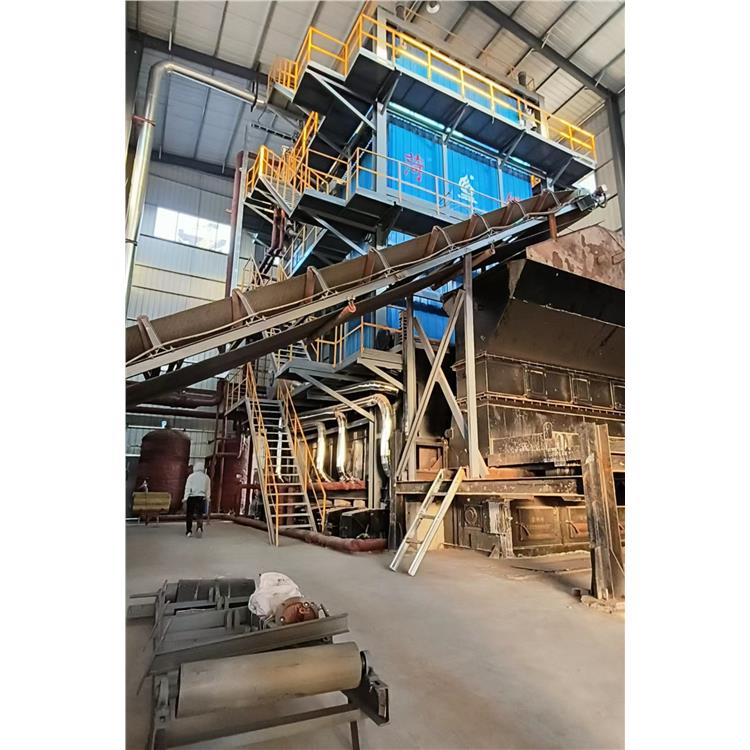
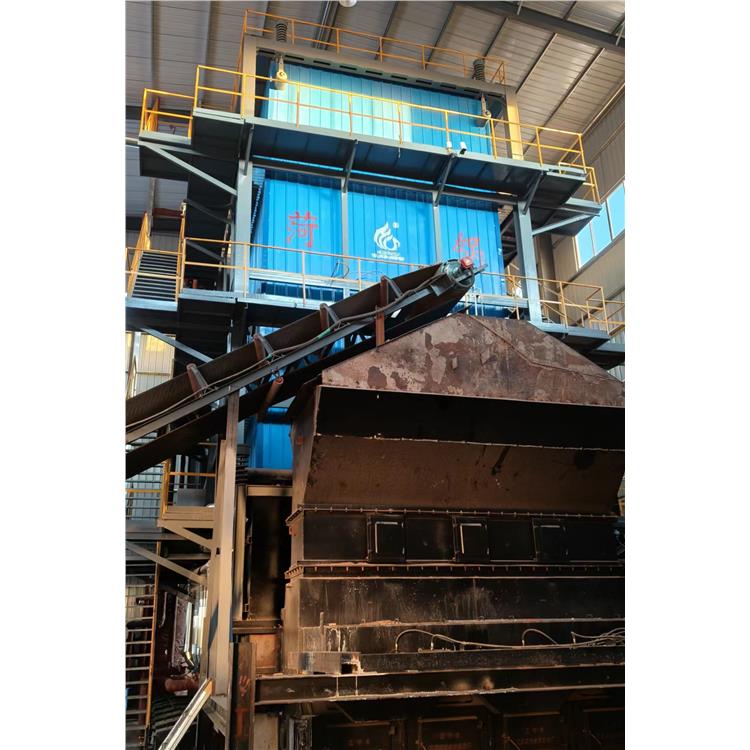
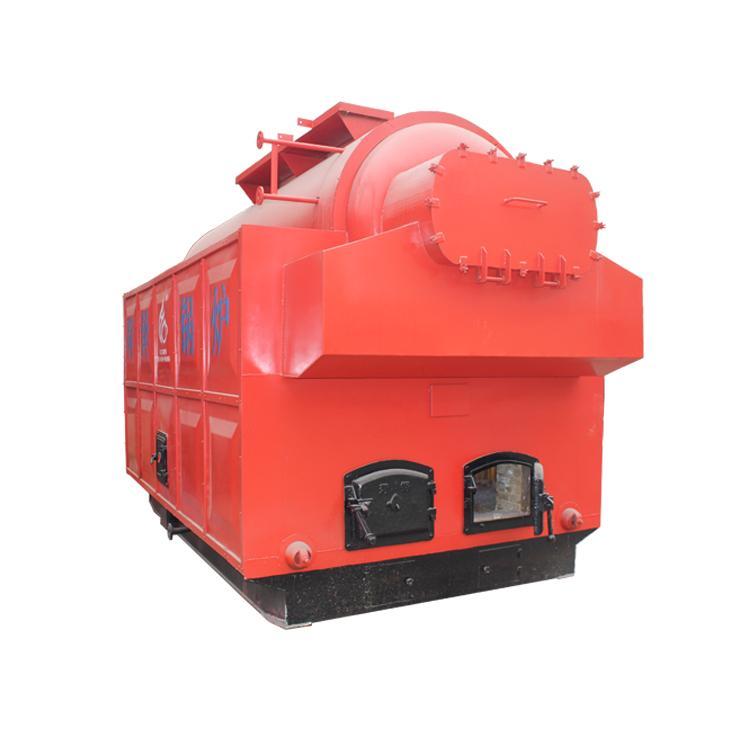
Shandong Zhongjie Special Equipment's main products include: fuel (gas) boilers, organic heat carrier boilers, biomass boilers, waste heat boilers, and other boiler products; vacuum insulation cryogenic pressure vessels such as LNG tanks, oxygen/nitrogen/argon tanks, and CO2 tanks; pressure vessel products such as denitrification engineering equipment, heat storage and energy storage equipment, and complete chemical equipment; central air conditioning and HVAC equipment such as ground (water) source heat pumps, air source units, water-cooled screw units, and air-cooled modular units. Planned products include large-scale energy centers, LNG transport vehicles, LNG tank containers, and other green energy equipment.
Biomass boiler combustion offers the following energy-saving features compared to traditional fuel boilers:
Combustion: The combustion technology and design of biomass boilers enable the burning of biomass fuel. Compared to traditional fuel boilers, biomass boilers have higher combustion efficiency, allowing for better utilization of the fuel's energy and reducing energy waste.
Heat Recovery Utilization: Biomass boilers are equipped with a heat recovery system, which can utilize the excess heat generated from combustion for heating systems, enhancing energy efficiency. The heat from flue gases in traditional fuel boilers is often wasted, but biomass boilers can recover and utilize the heat from flue gases, reducing energy waste.
Renewable Energy Utilization: Biomass boilers utilize renewable biomass fuels such as wood chips, straw, and discarded crops, reducing reliance on finite fossil fuel resources. Compared to traditional fuel boilers, biomass boilers have a more sustainable fuel source, enabling the sustainable use of energy.
Carbon Emission Reduction: The combustion of biomass fuel produces lower carbon emissions compared to traditional fuel boilers, resulting in reduced carbon emissions from biomass boilers. Utilizing biomass boilers can decrease greenhouse gas emissions, making them more environmentally friendly.
Waste Utilization: Biomass boilers can use agricultural residues like crop straws and wood waste as fuel, effectively utilizing waste resources and reducing resource waste. Compared to traditional fuel boilers, biomass boilers offer a more diverse fuel source and enable the efficient use of waste materials.
Developing biomass boiler heating is an effective measure to combat air pollution. Here are some relevant suggestions:
Replace high-pollution energy sources: Replace traditional coal boilers with biomass boilers to reduce emissions of air pollutants from coal combustion. The combustion of biomass fuel produces relatively fewer pollutants, resulting in less pollution to the atmosphere.
Enhance Combustion Efficiency: Improve combustion efficiency in biomass boilers by optimizing the combustion process, reducing fuel waste and emissions of pollutants. Adjust combustion parameters such as combustion temperature and duration to achieve more complete combustion.
Regulate Pollutant Emissions: Implement pollution control technologies such as flue gas desulfurization, denitrification, and particulate matter capture to reduce emissions. Install flue gas purification equipment to effectively remove pollutants like nitrogen oxides and particulates generated during combustion.
Enhanced Monitoring and Management: Establish a comprehensive monitoring system to monitor and evaluate the operation of biomass boilers and their pollutant emissions. Strengthen management of biomass boilers to ensure regular maintenance and equipment upkeep.
To improve the thermal efficiency of biomass boilers, the following measures can be taken:
Optimize the combustion system: Ensure the biomass boiler's combustion system operates effectively and efficiently. Adoptable combustion technologies, such as fluidized bed combustion and chain grate combustion, can enhance combustion efficiency and thermal energy utilization.
Control Fuel Quality: Opt for biomass fuels by volume, such as dry sawdust and straw, avoiding those with excessive moisture content. High moisture fuels consume extra heat for evaporation, reducing combustion efficiency.
Adjust fuel supply reasonably: Adjust the amount of fuel supply according to actual needs to avoid over-supply or under-supply. Over-supply can lead to fuel waste, while under-supply can affect combustion efficiency.
Control combustion temperature: Maintain an appropriate range of combustion temperature to avoid excessively high or low temperatures. Excessive high temperatures can lead to heat loss of the fuel, while low temperatures may affect the combustion efficiency.
Regular Cleaning and Maintenance: Regularly clean the combustion chamber, flue, heat exchanger, and other components of the biomass boiler to keep them clean and unobstructed. Accumulated ash and dirt can impair heat conduction and heat exchange efficiency, reducing thermal efficiency.
Utilize waste heat recovery technology: Employ waste heat recovery units to utilize the excess heat generated from combustion for heating systems or other applications.
The extinguishing process and maintenance methods for the fully automatic biomass boiler are as follows:
Extinguishing Process:
Discontinue Fuel Supply: Prior to extinguishing the biomass boiler, cease fuel supply first to ensure that the fuel supply pipes are closed.
Turn off the burner: Switch the burner's switch or the extinguish button on the control panel to the off position to stop the burner from operating.
Wait for Cooling: Allow the boiler to cool down to a safe temperature, which usually takes some time. Do not operate during this period to avoid any accidents.
Shut off power: After the boiler has completely cooled down, turn off the power switch of the boiler to ensure the boiler is de-energized.
Maintenance Instructions:
Clean Combustion Chamber: Regularly clean the combustion chamber to remove ash and dirt generated during the combustion process. Use appropriate tools and cleaning agents to ensure the chamber remains clear and clean.
Heat Exchanger Cleaning: Regularly clean heat exchangers, particularly those on the flue side. During the combustion process, flue gases may contain particulates and slag, which can adhere to the heat exchanger surface, affecting heat transfer efficiency. Appropriate cleaning methods, such as mechanical or chemical cleaning, can reduce the accumulation of dirt.
Inspect and Replace Critical Components: Regularly inspect and replace critical components such as burners, valves, sensors, etc. Ensure their proper operation and performance to avoid malfunctions and safety hazards.
Water Treatment: Proper water treatment for boiler feed water to prevent impurities and sediments from settling inside the boiler. Methods such as water softening, deoxygenation, and scaling removal can be employed to maintain the cleanliness and stability of the water supply.
Please provide the Chinese content you would like translated into American English.
Our company attaches great importance to technological innovation and R&D design. We possess 1 municipal enterprise technology center in Heze City, and have established testing facilities for non-destructive testing, physical and chemical testing, welding testing, hydrostatic testing, etc. We are equipped with over 600 various instruments and equipment, including CNC machine tools, X-ray flaw detectors, digital ultrasonic flaw detectors, mechanical property testing machines, chemical analyzers, spectrometers, tensile testing machines, plasma welding machines, and more. The key products and technologies we have developed, such as temperature-pressure vessel welding, biomass boiler emission reduction, and waste heat utilization, have successively been selected for multiple Shandong Provincial Department of Industry and Information Technology scientific and technological innovation projects, key projects of Shandong Province, and Heze City innovative and excellent projects. We have accumulated a total of 27 authorized utility models, 16 authorized inventions, participated in drafting 2 standards, 2 industry standards, and registered 15 trademarks. The technical team of our company, in collaboration with Professor Yajiang Li of Shandong University, has developed deep cryogenic vessel processing technology using the international plasma arc + wire filling argon arc welding (PAW-GTAW) technology. After provincial-level scientific and technological achievement identification, the technology level has reached an international standard in the field of deep cryogenic vessel manufacturing. Choose Zhongjie Special Equipment, and let's create brilliance together!
Jilin 15-ton biomass boiler, real manufacturer
