


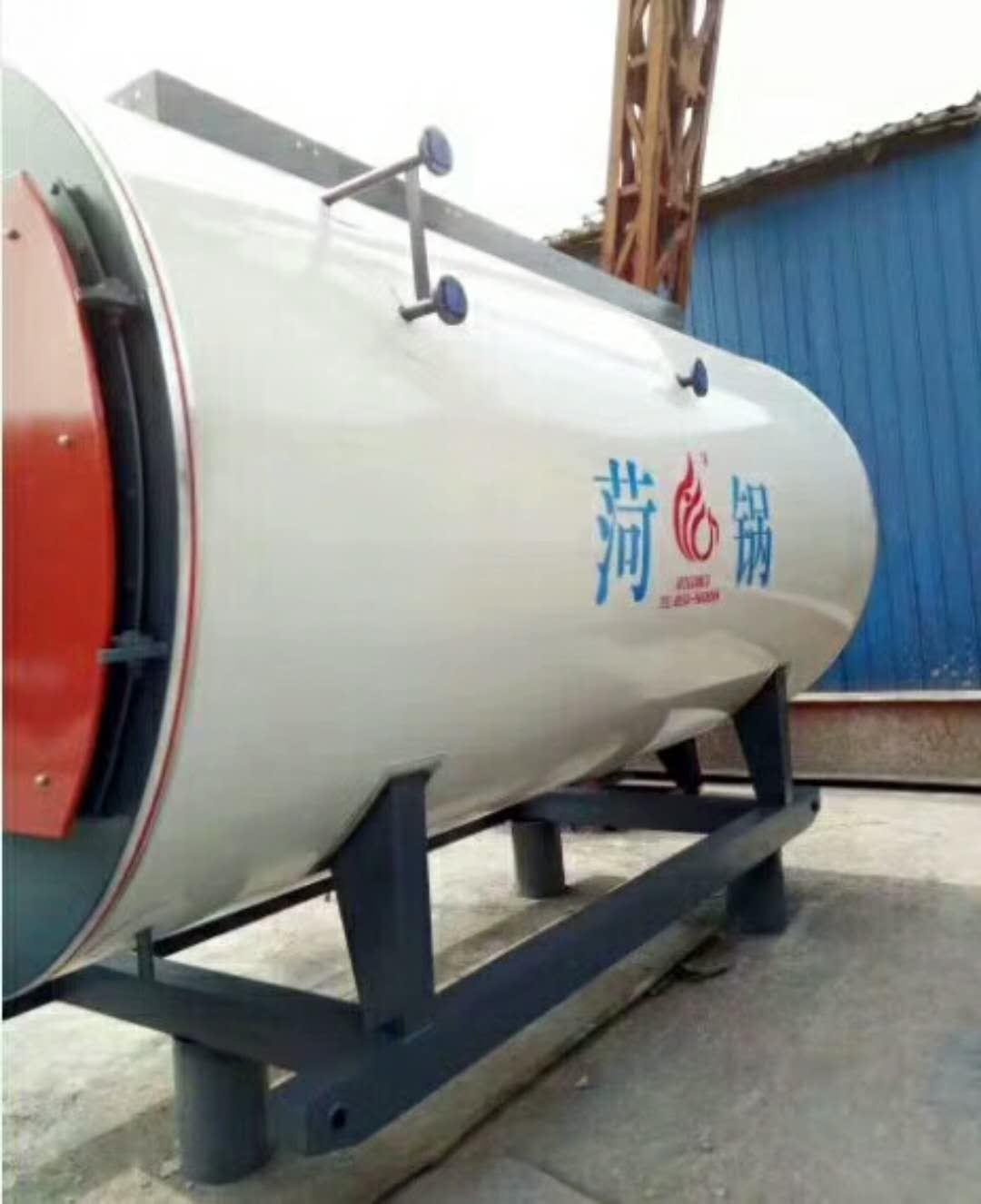
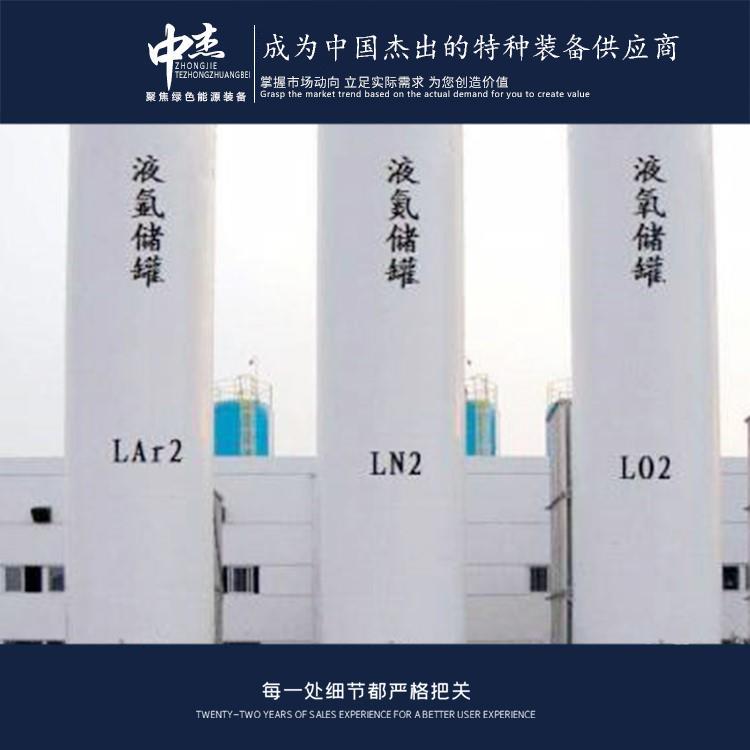
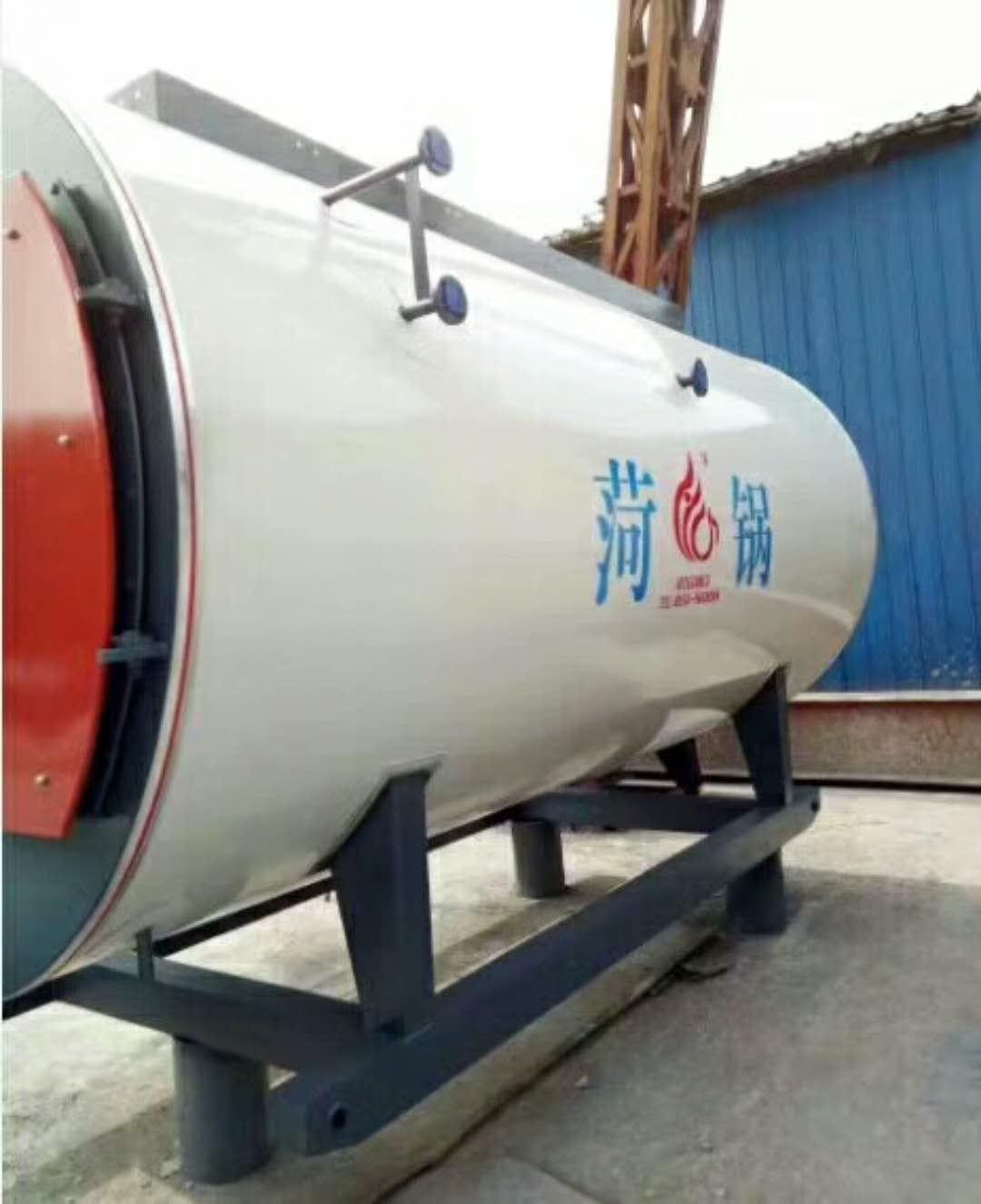
Shandong Zhongjie Special Equipment Co., Ltd. specializes in the following products: fuel (gas) boilers, organic heat carrier boilers, biomass boilers, waste heat recovery boilers, and other boiler products; vacuum insulation cryogenic pressure vessels such as LNG storage tanks, oxygen/nitrogen/argon storage tanks, and CO2 storage tanks; pressure vessel products including denitrification engineering equipment, heat storage and energy storage equipment, and complete chemical equipment; central air conditioning and HVAC equipment such as ground (water) source heat pumps, air source units, water-cooled screw units, and air-cooled modular units. Planned products include large-scale energy centers, LNG transport vehicles, LNG tank containers, and other green energy equipment.
The safe operation of low-temperature carbon dioxide storage tanks is primarily crucial in the following aspects: Design and Manufacturing: The tank's design and construction must comply with relevant standards and regulations to ensure they can withstand working conditions under low temperatures and high pressures. The tank should have sufficient strength and sealing performance to prevent leaks and ruptures. Safety Valves and Pressure Control: The tank should be equipped with safety valves and pressure control devices to ensure the internal pressure remains within a safe range. Safety valves should be regularly inspected and tested to ensure proper functioning. Temperature Control: Effective temperature control is necessary for low-temperature carbon dioxide storage tanks to prevent freezing or embrittlement due to excessively low temperatures. Appropriate insulation materials and equipment should be used to maintain the tank and pipeline temperatures within a safe range. Leak Detection and Alarm: The tank should be fitted with leak detection devices and alarm systems, along with corresponding monitoring equipment. These devices can detect leaks promptly and trigger alarms for appropriate action. Safe Operation and Training: Operators should receive relevant training to understand the safe operation procedures and standards for low-temperature carbon dioxide storage tanks. Operators should be familiar with the tank's characteristics, working principles, and emergency response measures. Regular Inspection and Maintenance: Tanks should be regularly inspected and maintained, including visual inspections, anti-corrosion coating maintenance, and leak detection. Regular inspections can help identify potential issues early and take appropriate corrective actions. Emergency Preparedness: Establish an emergency response plan and equip with appropriate fire-fighting and first-aid equipment. Operators should be familiar with emergency procedures and be able to respond quickly to emergencies. Please note that the above key points are general recommendations. Specific safe operation should be based on the design and usage requirements of the low-temperature carbon dioxide storage tanks. It is recommended to refer to relevant safety operation manuals and guidelines before using the tank to ensure operational safety.
When using CO2 storage tanks, pay attention to the following aspects:
- Safe Operation: Adhere to relevant safety operation procedures and standards, ensuring that operators possess the necessary safety knowledge and skills. When using the tank, be mindful of preventing risks such as leaks, explosions, and fires.
- Pressure Control: Monitor and control the tank's pressure to ensure it remains within a safe range. Avoid exceeding the tank's rated pressure to prevent rupture or leakage.
- Level Monitoring: Regularly check the liquid level within the tank to ensure an adequate supply of CO2. Avoid overfilling or underfilling to maintain an appropriate level.
- Static Electricity Measures: Take anti-static measures to prevent static buildup and discharge. Use anti-static equipment and tools to ensure static safety during operations.
- Tank Maintenance: Regularly inspect and maintain the tank, including its exterior, valves, and connections, to ensure it remains intact and prevent leaks or damage.
- Emissions Treatment: Handle the emissions generated by CO2 storage tanks to avoid environmental pollution. Implement appropriate emissions treatment measures, such as collecting and treating emissions.
- Storage Records: Document the tank's usage, including filling dates, quantities, and inspection records. Regularly conduct tank inspections and maintenance, and retain relevant records.
- Training and Awareness: Train operators to enhance their awareness and ability to safely operate CO2 storage tanks. Conduct regular safety training and drills to prepare for emergencies.
- Note: The above are common precautions; specific considerations may vary depending on tank type and application. When using CO2 storage tanks, operate according to relevant regulations and standards and consult experts to ensure safety and effectiveness.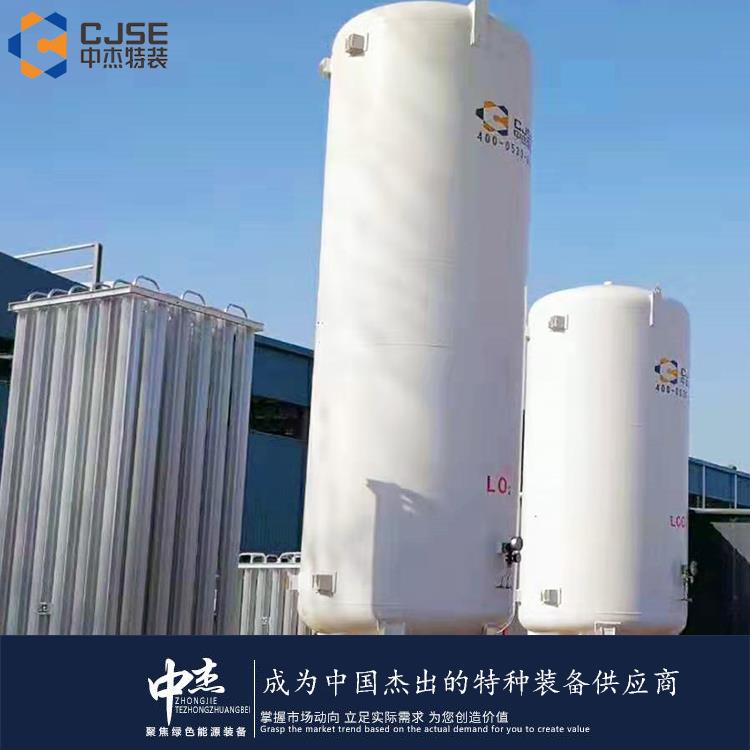
The internal structure of a carbon dioxide storage tank typically includes the following main components:
- Tank Shell: The tank shell is the primary container for storing carbon dioxide, usually made of carbon steel or stainless steel. It is designed with sufficient strength and密封性 to withstand the pressure and loads within the tank.
- Lining Layer: To prevent direct contact between carbon dioxide and the tank shell, avoiding corrosion and contamination, the interior of the tank is usually coated with a lining layer. This lining is typically made of corrosion-resistant materials such as glass fiber reinforced plastic or polyester resin.
- Support Structure: To support the weight of the tank and maintain stability, a support structure is usually installed within the tank. This can include support feet or frames, used to support the bottom and side walls of the tank.
- Internal Accessories: The tank is also equipped with important accessories such as level gauges, pressure sensors, temperature sensors, and safety valves. These accessories are used to monitor and control the liquid level, pressure, and temperature within the tank, ensuring safe operation.
- Pressure Relief Device: To prevent excessive internal pressure, the tank is usually fitted with a pressure relief device, such as a safety valve. When the internal pressure exceeds the set value, the pressure relief device automatically opens to release pressure, protecting the tank's safety.
- Inlet and Outlet Pipes: The tank also features inlet and outlet pipes for injecting and discharging carbon dioxide. These pipes are typically connected to external supply or consumption systems to facilitate the storage and use of carbon dioxide.
The above describes the general internal structure of a carbon dioxide storage tank. Specific structural design and configurations may vary depending on the tank's purpose and specifications. When using and maintaining the tank, it is necessary to...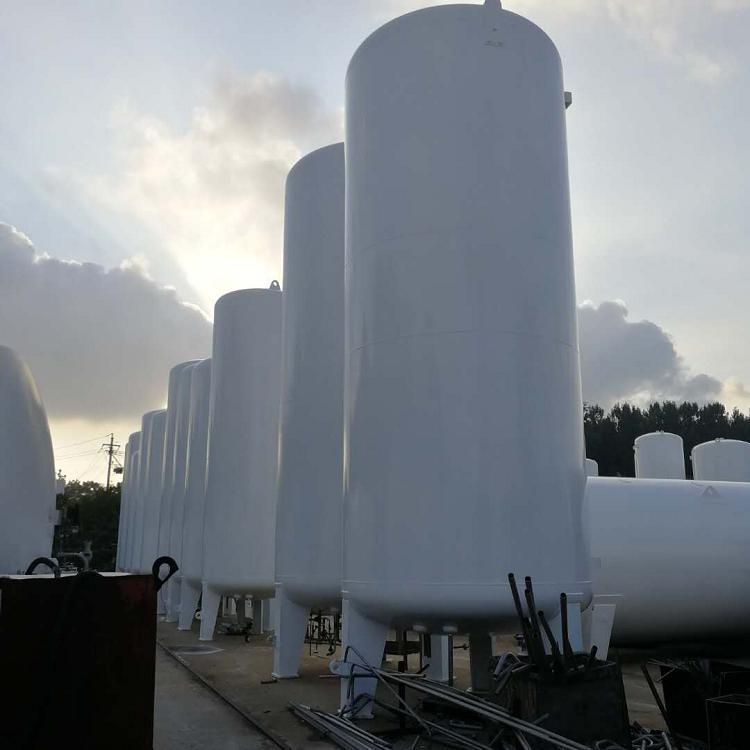
The spacing requirements for carbon dioxide storage tanks are typically governed by relevant safety regulations and standards, with specific spacing demands potentially varying due to factors such as location, usage, and tank capacity. Here are some common spacing rules:
- Small spacing between tanks: Generally, the small spacing between adjacent tanks should comply with relevant safety regulations and standards. This spacing ensures that adjacent tanks are not affected in the event of a leak or accident.
- Spacing between tanks and buildings: The spacing between tanks and buildings also needs to adhere to relevant regulations and standards. This spacing ensures that buildings are not affected in case of a tank leak or accident.
- Spacing between tanks and equipment: The spacing between tanks and other equipment (such as pipes, pumps, etc.) must also meet relevant regulations and standards. This spacing ensures the proper operation and maintenance of the equipment.
- Safety and evacuation routes: Adequate safety and evacuation routes should be provided around and between tanks to allow for safe evacuation in emergencies.
Note that specific spacing rules may vary by region and industry. Therefore, when installing and using carbon dioxide storage tanks, it is essential to refer to local safety regulations and standards and consult with experts to ensure compliance.
Zhongjie Special Equipment adheres to the grand vision of "realizing employees' dreams, creating value for customers, and striving for the prosperity and strength of our motherland," and is dedicated to the development of the green energy equipment industry. We offer society high-value products and services!
阿坝二氧化碳储罐厂家 20多年经验更放心
