


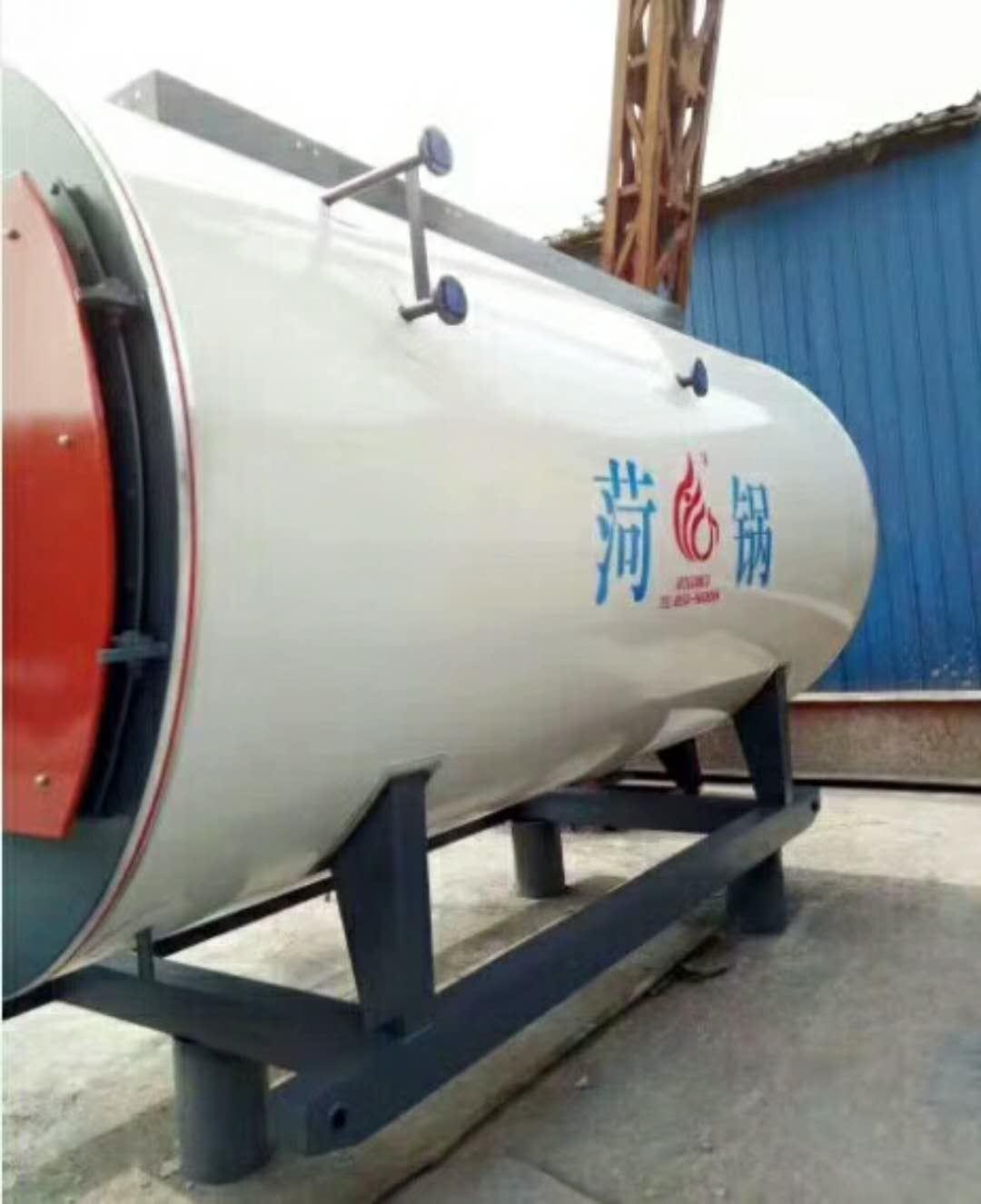
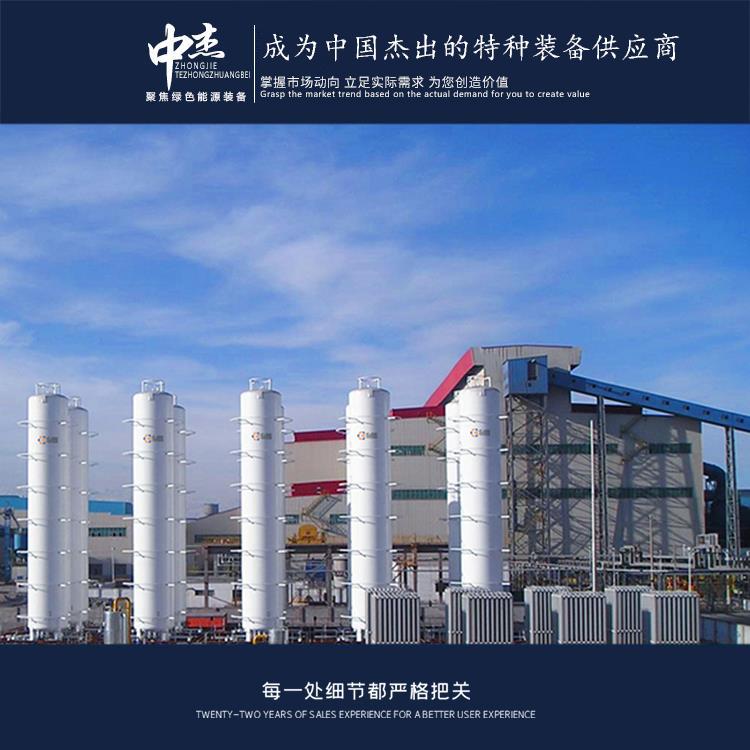
Shandong Zhongjie Special Equipment Co., Ltd. (formerly Heze Boiler Factory Co., Ltd.) holds an A-grade boiler manufacturing license, an A2-grade pressure vessel manufacturing license, an A2-grade pressure vessel design license, a B-grade boiler installation license, and GB2/Class, GC2/Class pressure pipeline installation licenses, as well as an equipment and machinery installation contracting qualification. It is a member of the China Boiler and Water Treatment Association, the China Chemical Equipment Association, and the Council Member of the Shandong Equipment Manufacturing Association. The company has also passed certifications for ISO9001 Quality Management System, ISO14001 Environmental Management System, OHSAS18001 Occupational Health and Safety Management System, and the American ASME/U2 certification.
Liquid nitrogen tanks are widely used in meat freezing. The following are several main applications of liquid nitrogen tanks in meat freezing:
Quick Freezing: Liquid nitrogen tanks can provide low temperatures to rapidly freeze meats to the required temperature. Due to the low-temperature characteristics of liquid nitrogen, the temperature of the meat can be rapidly reduced in a short time, effectively preserving the quality and texture of the meat.
Cold Storage: Liquid nitrogen tanks are suitable for long-term freezing storage of meat products. Placing meat in a liquid nitrogen tank can maintain it at low temperatures, prevent the growth of bacteria and microorganisms, and extend the shelf life of the meat.
Refrigerated Transport: Liquid nitrogen tanks are suitable for the freezing transport of meat products. Placing meat in a liquid nitrogen tank maintains its low temperature, ensuring the quality and freshness of the meat during transportation.
Chilling Treatment: Liquid nitrogen tanks are suitable for the chilling process of meat. By exposing the meat to liquid nitrogen, the surface can be rapidly frozen to form a chilling layer, thus preserving the meat's moisture and nutritional content.
Chilled Processing: Liquid nitrogen tanks are suitable for meat freezing processing. Placing meat in liquid nitrogen makes it harder and crispier, facilitating cutting, slicing, and processing.
It is important to note that when using liquid nitrogen tanks for meat freezing, one must adhere to the relevant safety operation procedures and guidelines. Ensure that operators are equipped with the necessary safety awareness and operational skills to prevent accidental incidents. Additionally, consult the food safety regulations and standards.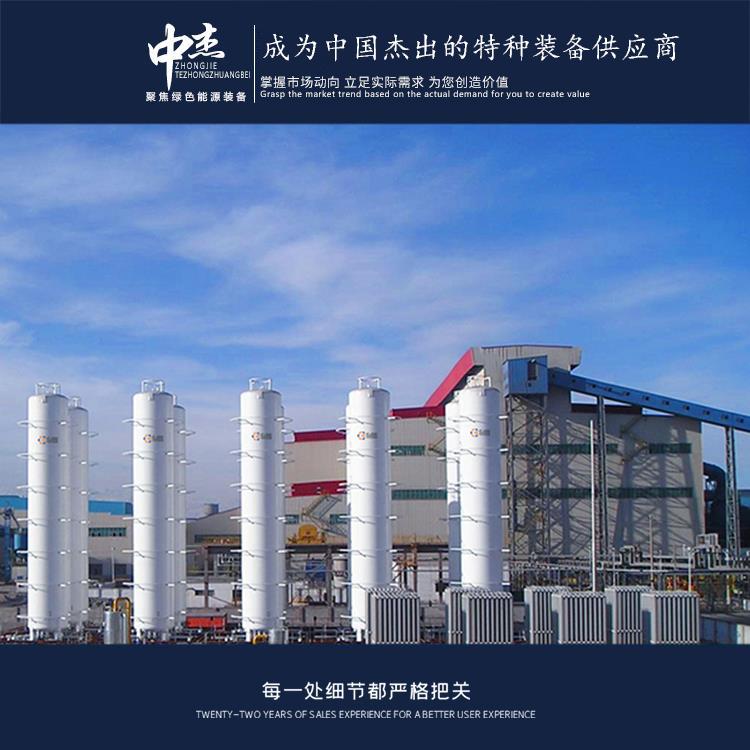
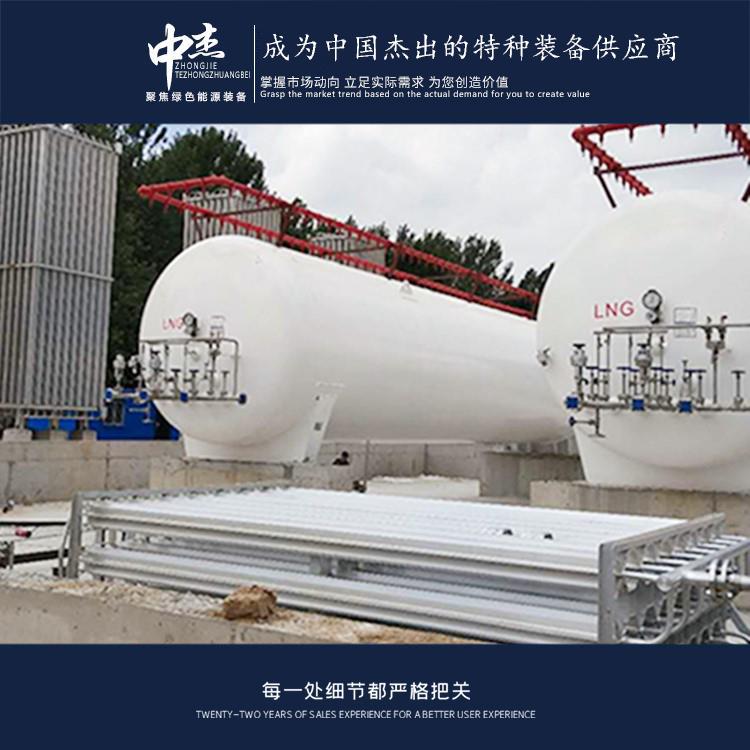
The Zhongjie liquid oxygen storage tank boasts the following significant advantages:
Material: Made of stainless steel, offering excellent corrosion and high-temperature resistance, ensuring the tank's long-term stable operation.
Our manufacturing process: The manufacturing techniques and equipment used ensure the quality and precision of the tank's construction, meeting all process requirements.
Safety & Reliability: Tanks are designed and manufactured to stringent standards, equipped with safety valves, pressure sensors, and other safety devices to ensure operation within normal working pressure ranges and to handle emergencies.
Energy-saving: Storage tanks feature optimized insulation design and thermal insulation materials, reducing energy loss and improving energy utilization efficiency.
High Capacity: The tank features a large capacity design to meet the storage needs of liquid oxygen for various scales and requirements.
Flexible and Adjustable: The tank features a design that allows for capacity adjustments and expansions to meet actual needs.
Easy to operate and maintain: The tank features a simple and user-friendly interface and control system, facilitating operation and maintenance for the operators.
Longevity: The tank boasts excellent durability and corrosion resistance, ensuring long-term stable operation and reducing the frequency of replacements and maintenance.
Eco-friendly Energy-saving: Tanks are constructed with environmentally friendly materials and processes, minimizing environmental impact. Additionally, through energy-efficient design and operation, energy consumption is reduced.
Customized Services: ZheJie Special Equipment offers customized design and services for liquid oxygen storage tanks, tailored to meet the specific needs and requirements of clients, ensuring personalized solutions.
These advantages make the Zhongjie liquid oxygen storage tank a reliable and safe solution for liquid oxygen storage, widely used in industries such as industry and scientific research.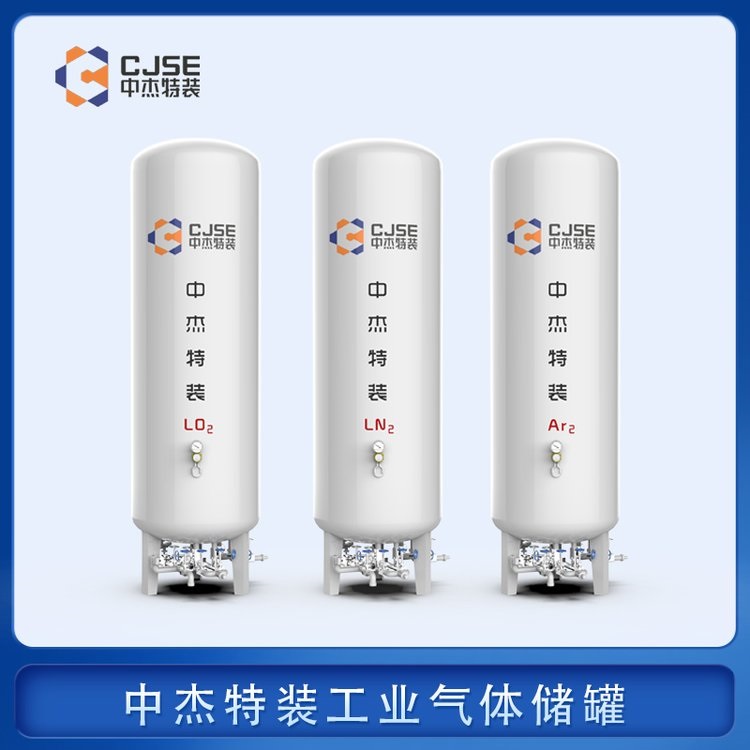
The liquid oxygen tank possesses the following characteristics:
High Purity: The liquid oxygen tanks store high purity liquid oxygen, typically achieving a purity of over 99.5%. This makes liquid oxygen tanks crucial for applications requiring high purity oxygen, such as in medical, aerospace, and research fields.
Low Temperature: As the boiling point of liquid oxygen is -183°C, liquid oxygen storage tanks must have excellent insulation properties to maintain the low temperature state of the liquid oxygen. Tanks are typically designed with double or multi-layer structures, filled with insulating material in between to reduce heat transfer and evaporation of the liquid oxygen.
High Pressure: Liquid oxygen tanks typically need to withstand high pressure to maintain their liquid state. The design and material selection of the tank must consider the pressure requirements of liquid oxygen to ensure the tank's safety and reliability.
Flammability: Liquid oxygen is highly flammable and supports combustion. Therefore, fire prevention measures must be implemented in the design and use of liquid oxygen storage tanks, ensuring no ignition sources are present around the tanks and that appropriate fire extinguishing equipment is provided.
High Density: Liquid oxygen has a higher density than gaseous oxygen, allowing liquid oxygen tanks to store more oxygen. This gives liquid oxygen tanks an advantage in applications requiring large amounts of oxygen supply, such as in the field of and .
Corrosiveness: Liquid oxygen has certain腐蚀性 properties.
Operation procedures for liquid oxygen storage tanks should be established based on specific tank design and usage requirements. The following are some common contents of general operation procedures for liquid oxygen storage tanks:
- Operator Training: Ensure operators have received relevant training for liquid oxygen storage tanks, understanding the tank's structure, performance, operation procedures, and safety precautions.
- Safety Inspections: Conduct necessary safety checks before operating the liquid oxygen storage tank, including checking the tank's integrity, the sealing of valves and pipes, and the condition of the insulation layer.
- Liquid Oxygen Supply: Ensure the liquid oxygen supply system is functioning properly, including inspecting the status of the liquid oxygen supply pipes, valves, and pressure gauges, and ensuring an adequate supply of liquid oxygen.
- Tank Pressure Control: Monitor the pressure of the liquid oxygen storage tank to ensure it remains within a safe range. If necessary, control the tank's pressure by adjusting pressure valves or pressure relief devices.
- Leak Control: Regularly inspect the sealing of the tank and pipes to ensure there are no leaks. If a leak is detected, take immediate action to control the leak and notify relevant personnel.
- Fire Prevention Measures: Prohibit open flames and prevent sparks and high-temperature objects from contacting the tank around the liquid oxygen storage tank. Establish fire prevention facilities and fire extinguishing equipment, and check and maintain them regularly.
- Safety Distance: Maintain a certain safety distance around the liquid oxygen storage tank to prevent the spread of fires, explosions, and leaks.
- Maintenance and Repair: Regularly perform maintenance and repairs on the tank, including cleaning the tank, inspecting the insulation layer, valves, and pipes, to ensure the tank operates normally.
- Waste Disposal: Properly dispose of waste generated by the liquid oxygen storage tank, including liquid oxygen residues, waste gases, and waste liquids, following relevant environmental protection regulations and standards.
Note that operation procedures for liquid oxygen storage tanks should be established based on specific tank design and usage requirements and should comply with applicable regulations, standards, and safety guidelines. When operating liquid oxygen storage tanks, cooperate with local regulatory agencies and individuals to ensure the tank's safety and reliability.
Zhongjie Special Equipment upholds the grand vision of "realizing employees' dreams, creating value for customers, and striving for the prosperity and strength of our motherland," and is dedicated to the development of the green energy equipment industry. We offer society high-value products and services!
Haixi Low Temperature Liquid Nitrogen Storage Tank - Over 20 Years of Experience for Added Peace of Mind
